The Role of Public Space in Stimulating Artistic Creativity: Urban Interventions and Their Influence
Public Spaces as Catalysts for Creativity
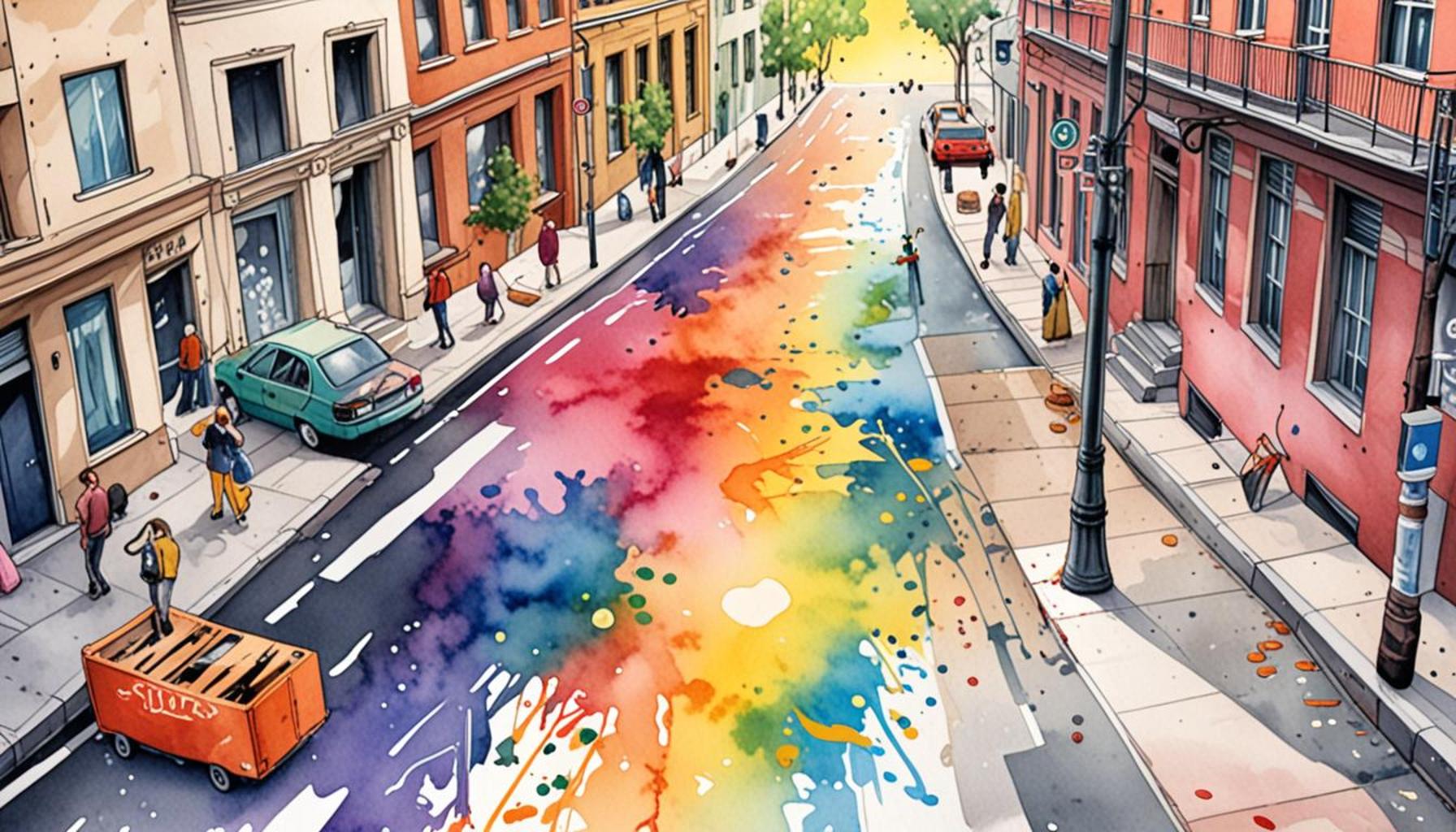
Public spaces serve as the canvas for artistic expression, influencing creativity in ways that permeate urban life. From bustling parks to serene plazas, these areas offer vital opportunities for artists to showcase their work, engage with communities, and foster cultural dialogue. As cities evolve, the potential for public spaces to stimulate artistic creativity becomes increasingly significant, acting as a vital component in the urban landscape.
Urban interventions, such as:
- Street art galleries
- Interactive installations
- Community art projects
highlight the dynamic relationship between artists and the environments in which they work. For instance, cities like Philadelphia have embraced murals as a form of artistic expression, transforming bare walls into vibrant canvases that tell the stories of communities and reflect their cultural identities. These innovative initiatives do not merely beautify neighborhoods; they create a sense of belonging and ownership among residents, turning public spaces into lively hubs of inspiration and interaction. In San Francisco, the famous Mission District showcases colorful street murals that celebrate diversity and social issues, igniting conversations and inspiring hope.
Furthermore, the influence of public spaces on artistic creativity is shaped by various factors, including:
- The accessibility of these spaces
- The surrounding socio-economic context
- The degree of community involvement
For example, a well-maintained park that is easily accessible can serve as a nurturing ground for spontaneous dance performances or music jam sessions, welcoming people from all walks of life. In contrast, areas that are poorly lit or neglected may deter artistic endeavors, highlighting the importance of urban planning in fostering creativity. Moreover, communities that actively engage with local artists can curate unique art projects that resonate more profoundly with their collective experiences, ensuring the artworks reflect their values and stories.
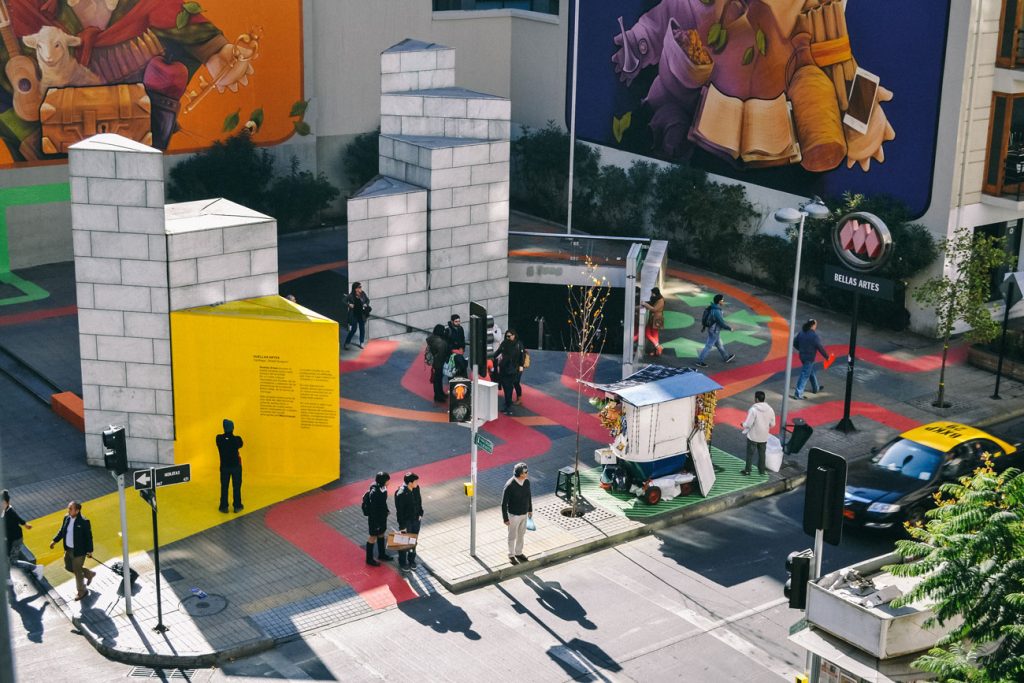
As the conversation surrounding the use of public spaces continues to unfold, it invites scrutiny of how urban design can be leveraged to enhance creativity. It raises questions about how cities can implement policies that support the arts and whether they can harvest the power of public spaces to create thriving cultural landscapes. Understanding these connections is essential for promoting vibrant, artistically rich environments that not only uplift communities but also enhance overall urban livability.
DISCOVER MORE: Click here to dive into the magic of creative writing
The Transformative Power of Urban Interventions
Urban interventions are pivotal in reshaping public spaces into vibrant areas of artistic creativity. These initiatives not only challenge traditional notions of art but also engage the community in meaningful ways. By transforming neglected spaces into dynamic cultural sites, cities can ignite a new wave of artistic expression that resonates deeply with residents and visitors alike.
One compelling example of this is pop-up art installations. These temporary artworks can quickly breathe life into vacant lots or underutilized urban spaces, drawing attention to areas that may otherwise remain ignored. In cities like New York, artists have utilized rooftop spaces and sidewalks to create immersive experiences that invite interaction and foster connections among viewers. These installations often lead to increased foot traffic, allowing local businesses to thrive while creating vibrant hotspots of creativity and culture.
Another significant aspect of urban interventions includes the emergence of community-driven art projects. These collaborations between artists and local residents encourage public participation and ownership of the artwork. For instance, in Chicago, the Chicago Public Art Program has empowered neighborhoods to develop projects that explore their unique histories and cultural narratives. The outcomes often strengthen communal ties, as residents come together to decide on themes and designs that reflect their collective identities.
Additionally, interactive art installations can redefine public engagement with art in urban settings. Such projects provoke curiosity and invite participation, transforming passive viewers into active contributors. For example, the “The Ice Cream Truck Project” in Los Angeles encouraged people to create their ice cream flavors, combining sensory experience with creative expression. By integrating such installations into the urban fabric, cities can establish a platform where art becomes an integral part of everyday life.
The ripple effect of these creative interventions reaches beyond mere aesthetics, influencing various aspects of urban life. Key benefits include:
- Enhancing community identity – Public art fosters a sense of belonging, allowing residents to connect more profoundly with their surroundings.
- Catalyzing economic growth – Artistic endeavors can attract tourism and stimulate local businesses, demonstrating the economic viability of creative urban spaces.
- Encouraging social change – Art as a form of activism can draw attention to social issues and inspire community engagement, fostering dialogue and awareness.
As urban planners and policymakers increasingly recognize the importance of public space in artistic creativity, the possibilities for future interventions grow. The challenge ahead lies in ensuring these spaces remain inclusive and accessible to all, promoting a vision of urban living where creativity thrives. By understanding and championing these urban interventions, cities can cultivate environments that enrich cultural experiences and enhance the overall quality of life for their residents.
Public spaces serve as a vital platform for artistic expression and creativity, particularly in urban settings where diverse cultures converge. The intersection of art and public space catalyzes community engagement, encouraging local artists and creatives to transform their environments through innovative ideas and projects. Urban interventions, such as murals, sculptures, and interactive installations, not only beautify neglected areas but also foster a sense of ownership and pride among residents. As this creative ripple effect expands, cities become dynamic canvases reflecting their inhabitants’ narratives.
The impact of public spaces on art is evident in various global examples. Cities like Melbourne and Berlin have embraced street art, permanently integrating it into their urban fabric. This open-air gallery concept allows artists to showcase their work to a wider audience, breaking down barriers typically associated with conventional art venues. By doing so, public spaces challenge the traditional notions of art consumption and democratize access to creativity, transforming everyday environments into platforms of inspiration.
Furthermore, public spaces encourage collaboration between artists and communities. Events such as art fairs, workshops, and festivals actively involve locals, bridging gaps that often exist between creator and consumer. Engaging the community within these spaces cultivates a culture of creativity that empowers individuals to explore their artistic capabilities.
Ultimately, as urban areas continue to evolve, the role of public space in fostering artistic creativity will be paramount. As cities invest in open, inclusive environments, they enhance not just the aesthetic qualities of their surroundings but also the very fabric of community identity and cohesion. This interplay between urban space and artistic vitality confirms the essential need for such interventions, igniting the potential for further cultural dialogues.
| Advantages of Urban Interventions | Influence on Artistic Creativity |
|---|---|
| Enhances Community Interaction | Increases opportunities for collaboration among artists and locals. |
| Revitalizes Neglected Spaces | Transforms dull areas into vibrant hubs of creativity and expression. |
The synergy between public spaces and art fosters an enriching environment that not only supports innovative thinking but also nurtures a thriving cultural landscape. As we explore the possibilities of urban interventions, the path toward stimulating artistic creativity becomes clearer, inviting further exploration and investment in the arts.”
DIVE DEEPER: Click here to discover the emotional power of abstract art
The Impact of Technology on Urban Art Experiences
As urban interventions evolve, technology increasingly plays a crucial role in enhancing artistic expression within public spaces. By integrating digital media and interactive technology, cities are creating immersive experiences that captivate audiences and extend the reach of traditional art forms. This technological infusion opens up new avenues for artistic creativity while simultaneously enriching the public’s engagement with art.
One notable trend is the rise of augmented reality (AR) art installations. Cities such as San Francisco and Miami have embraced AR technology, allowing residents and tourists to experience art in innovative ways. For instance, users can utilize their smartphones to witness digital artworks layered over physical public spaces, thus bridging the gap between the virtual and real world. This fusion not only enhances the visitor experience but also encourages individuals to explore their environment from new perspectives, prompting cultural curiosity and engagement.
Furthermore, the concept of digital projections in urban areas has gained traction as a means to revitalize public spaces. In the heart of New York City, projections on building facades transform blank urban canvases into dynamic art displays, showcasing works from local and international artists alike. Such initiatives not only inject creativity into monotonous cityscapes but also invite the public to engage with art in a manner that is both ephemeral and striking. This sense of spontaneity can stimulate a stronger connection between art and community, as individuals gather to witness these unexpected bursts of creativity.
The relevance of social media as a tool for art dissemination cannot be overlooked. Artists using platforms like Instagram and TikTok have redefined how art is shared and perceived in public spaces. The concept of street art is now amplified through the digital realm, where a mural or graffiti piece can gain viral attention, leading to increased foot traffic and recognition for the artist. Streets that may have once been overlooked become destinations for art enthusiasts, further establishing the power of public spaces as platforms for creative expression.
Moreover, the synergistic relationship between technology and public art has encouraged collaborative platforms for artists, curators, and communities. Initiatives like Creative Time in New York galvanize public space through art activations that often involve interactive components, effectively merging community-driven themes with technology. These collaborations not only promote artistic innovation but also encapsulate the diverse voices of various stakeholders in the public sphere, diversifying cultural narratives and experiences.
As cities strive to become more inclusive and creative, understanding the transformative role of public spaces becomes paramount. Urban interventions guided by technology not only enhance the aesthetic value of these areas but also create more connected, engaged communities that share ownership of their urban environment. The creative possibilities are vast and varied, inviting deeper exploration into how urban art can continue to reshape the social fabric of cities across America.
DIVE DEEPER: Click here to learn more
Conclusion
In exploring the role of public space in stimulating artistic creativity, it becomes evident that urban interventions are not merely decorative enhancements; they are vital ingredients in the cultural and social fabric of our cities. Public spaces characterized by dynamic art installations and interactive experiences serve as nurturing grounds for artistic expression and community engagement. The incorporation of technology, from digital media to augmented reality, transforms these spaces into platforms for innovation, facilitating a dialogue between artists and the public.
Moreover, the increasing visibility of public art through social media has broadened the reach and impact of urban creativity, allowing artists to connect with audiences in unprecedented ways. It adds layers to the collective urban experience, turning once-overlooked streets into vibrant cultural hubs that celebrate diverse artistic narratives. Cities like New York and Miami exemplify how thoughtfully designed urban interventions can contribute to a lively atmosphere where culture thrives.
Ultimately, the potential of these public spaces invites further investigation into their influence on society. As communities continue to evolve, the ongoing embrace of art in public environments will be crucial for fostering inclusivity and inspiring future generations of artists. Understanding and advocating for the enhancement of these spaces ensures that they remain dynamic realms of creativity and connection, reinforcing their significance as invaluable assets in urban landscapes.
Related posts:
Art as a Response to Crises: How Historical and Social Events Inspire Artistic Movements
The Influence of Mythology on Artistic Creation: How Legends and Myths Stimulate Imagination
The Influence of Nature on Art: How Natural Environments Inspire Creativity
Natures Influence on Artistic Inspiration How Environment Shapes Creativity
The Art and Human Nature: Exploring Emotions and Experiences as a Source of Inspiration
Exploring Art as Therapy: How Creative Expression Can Inspire Personal Healing
Linda Carter is a writer and creative hobbies expert specializing in crafting, DIY projects, and artistic exploration. With extensive experience helping individuals discover their creative potential and bring their ideas to life, Linda shares her knowledge on our platform. Her goal is to empower readers with practical tips, inspiring ideas, and step-by-step strategies for success in the world of creative hobbies.