The Role of Documentary Photography in the Preservation and Exploration of Local Cultures
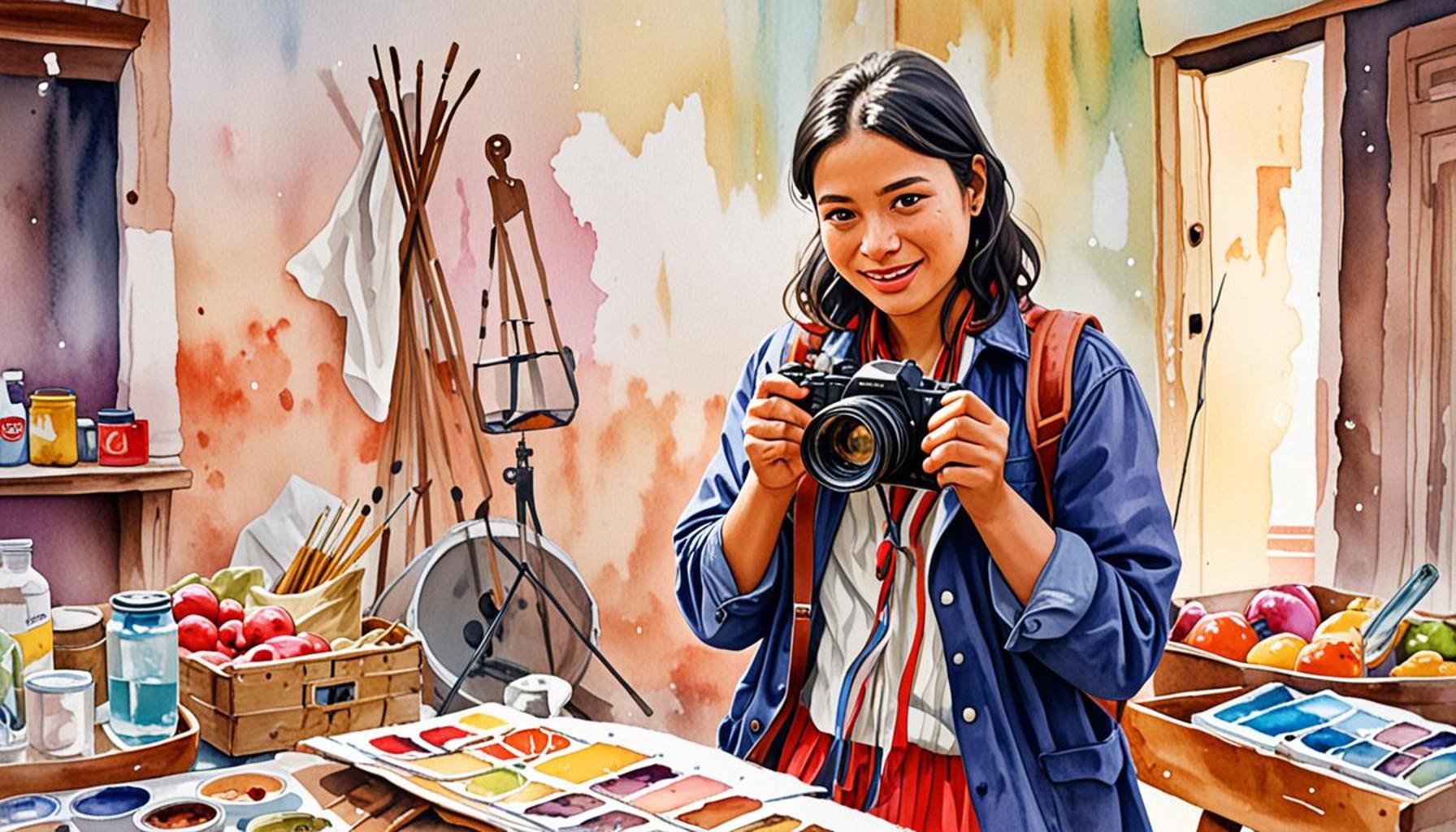
The Role of Documentary Photography in Cultural Exploration
Documentary photography has emerged as a powerful medium for capturing the essence of local cultures around the globe. Through the lens of a camera, unique narratives unfold, showcasing the beauty and complexities of diverse communities. This art form not only reflects the present but also plays a crucial role in preserving cultural heritage.
One of the primary contributions of documentary photography is its capacity for cultural preservation. Visual storytelling can safeguard traditions, rituals, and daily lives that might otherwise fade away. For example, through the works of contemporary photographers, we can witness the intricate techniques used in traditional Native American beadwork or the vibrant celebrations of Día de los Muertos in Mexico. These images not only capture moments but also inform future generations about the significance of such practices, fostering a sense of identity within communities.
Another critical aspect is the role of photography in awareness and education. Photographs serve as valuable tools for education, inviting viewers to learn about and empathize with different cultures. The impactful images of social issues and cultural practices can incite conversations around topics such as immigration, poverty, and climate change. For instance, the work of photographers like Platon, who has documented global leaders and marginalized communities alike, allows people to engage with the diverse narratives that shape our world. These photographs often act as a catalyst for discussions that challenge preconceived notions and encourage cultural exchange.
Documentary photography also intersects with social advocacy. By documenting socio-political issues, photographers can advocate for change and raise awareness about marginalized groups. The evocative images captured during movements such as Black Lives Matter or environmental protests depict not just a moment in time but also resonate with enduring themes of justice and equality. Photographers working in this vein often face significant challenges but frequently emerge as influential storytellers, leading to a heightened understanding of pressing societal issues.
In the United States, the work of documentary photographers has revealed untold stories across various regions, from the Native American reservations to the vibrant urban landscapes of multicultural cities. Icons such as Lewis Hine and Dorothea Lange paved the way, showcasing the power of images in evoking empathy and understanding. Hine’s photographs of child laborers in the early twentieth century raised public consciousness and contributed to significant legislative changes, while Lange’s iconic images from the Great Depression captured both hardship and resilience, shaping the national narrative of the era.
As we explore the intricate relationship between documentary photography and culture, we invite you to delve deeper into how this medium continues to shape our understanding of the world around us. By examining the past and present through the lens of documentary photography, we can appreciate the rich tapestry of human experiences that defines our shared existence.
DIVE DEEPER: Click here to discover the art of storytelling
Capturing Cultural Heritage Through the Lens
The advent of documentary photography has provided communities with a vibrant tool for preserving cultural heritage. Through captivating images, photographers are able to encapsulate the heart and soul of traditions that may otherwise be neglected or forgotten. This medium empowers both the photographer and the community, ensuring that important cultural practices, languages, and histories are documented accurately and creatively. Each photograph serves as a time capsule, preserving intricate details about clothing, food, ceremonies, and everyday life that might not be recorded in written form.
For instance, in U.S. Native American tribes, contemporary photographers like Matika Wilbur have worked tirelessly to document the evolving identities and practices of Indigenous cultures. Her project, Project 562, aims to capture the diversity of Native American communities across the nation through compelling portraits and storytelling. By focusing on these individuals, she highlights the richness of their cultural expressions, from regalia in powwows to the sharing of oral histories. This type of documentation not only preserves the visual aspects of traditions but also contextualizes them within the broader narrative of American history.
The Power of Visual Language
Documentary photography also harnesses the power of visual language, transcending dialect and cultural barriers. A single image can evoke profound emotions and prompt a deeper understanding of lifestyles, beliefs, and challenges faced by different communities. The immediacy of photography allows observers to engage with cultures on a visceral level, bridging gaps that often exist due to preconceived notions or stereotypes.
Photos from renowned photographers, such as Steve McCurry, whose iconic image of the “Afghan Girl” became a visual ambassador for displaced peoples, demonstrate how images can humanize complex narratives. In a similar vein, many documentary photographers in the U.S. are focusing on contrasting cultural narratives, showcasing everything from urban street art in cities like Philadelphia to the tranquil landscapes of rural life in Appalachia. This inclusive approach offers an opportunity to discover the multilayered experiences that define local cultures.
Preserving Oral Histories through Visual Storytelling
Additionally, documentary photography plays an integral role in preserving oral histories. By organizing photography exhibits that accompany interviews, artists create an immersive experience that fosters meaningful connections between audiences and the subjects of their work. For example, visual projects that celebrate the stories of marginalized communities, such as the Farmworker Advocacy Project, not only document their daily challenges but also elevate their voices and experiences in society. Through these combined efforts, the culture is preserved not just through striking visuals but also through the rich tapestry of narratives that accompany them.
The ability of documentary photography to capture fleeting moments and emotions, while also addressing significant cultural themes, makes it an invaluable medium for cultural preservation. It challenges viewers not only to appreciate the beauty of diversity but also to engage in meaningful dialogues about the importance of protecting cultural heritage in our rapidly changing world.
The Role of Documentary Photography in the Preservation and Exploration of Local Cultures
Documentary photography acts as a vital instrument in the representation of cultural heritage. It documents traditions, rituals, and everyday life, helping to create a visual record for future generations. Thus, photographers are often seen as ‘cultural custodians,’ using their lenses to capture the essence of communities at risk of being undermined by modernization. Through striking imagery, documentary photography not only preserves cultural identities but also enhances awareness of the consequences of globalization. Furthermore, it invites discussions around societal changes, urging audiences to engage with the narratives behind each photograph.
Alongside preservation, documentary photography plays a crucial role in the exploration of local cultures. By showcasing diverse lifestyles, it encourages viewers to appreciate the beauty and complexity of different societies, often leading to intercultural dialogue. As each image tells a story, it can spark interest and curiosity, prompting individuals to delve deeper into the traditions and histories of the photographed subjects. Photographers often collaborate with local communities, ensuring authenticity and representation, while providing a platform for voices that might otherwise go unheard.
To further illustrate the advantages of documentary photography in this context, the following table outlines its key categories and their associated benefits:
| Category | Description |
|---|---|
| Cultural Preservation | Capturing and documenting traditions that risk fading away. |
| Awareness Raising | Encouraging reflection on cultural challenges faced globally. |
More than just records, these photographs encapsulate the heart of human experience, serving as a medium to provoke thought and inspire action regarding the preservation of our rich cultural landscapes.
DISCOVER MORE: Click here for insights on how nature inspires creativity
Communities in Focus: Engaging With Stories of Diversity
One of the most significant facets of documentary photography is its ability to shine a light on marginalized communities that may not receive ample representation in mainstream media. Photographers immerse themselves in these communities, capturing not only the unique visual attributes but also the underlying narratives that reflect their histories, struggles, and resilience. The intimate nature of this art form fosters empathy and understanding, allowing viewers to connect with the showcased cultures on a deeper level.
For instance, the works of Diaz Lewis, who focuses on the lives of urban street vendors in Los Angeles, offer a glimpse into the hustle and dreams of individuals often overlooked in economic discussions. By chronicling their day-to-day activities, Lewis elevates their existence beyond mere statistics, instead breathing significance into their daily routines. Such photography serves the dual purpose of documenting cultural practices—like unique food offerings and vibrant marketplaces—while also addressing broader themes such as immigration, economic disparity, and cultural survival.
Artistic Collaborations: Amplifying Voices Through Community Projects
Collaborative documentary photography projects have emerged as powerful vehicles for cultural exploration and preservation. By involving local voices and perspectives in the creative process, photographers can better understand and convey the nuances that define community identity. These projects often take on a communal framework, wherein the subjects become co-creators, thus amplifying their narratives and providing a platform to share their stories with broader audiences.
The Community Supported Art program in Minneapolis is a stellar example of such collaboration, where local artists partner with underrepresented communities to showcase their histories through curated photography exhibits. By allowing community members to take part in the decision-making processes of how their story is told, the result is an authentic representation that challenges external assumptions and stereotypes.
The Digital Frontier: Expanding Reach and Access
The rise of digital platforms has further transformed how documentary photography engages with local cultures. Social media, websites, and online galleries have allowed photographers to reach audiences worldwide, making local stories accessible to anyone with an internet connection. This increased visibility can rally support for cultural preservation initiatives and encourage tourism, thereby benefiting local economies and promoting cultural exchange.
Moreover, projects like Humans of New York leverage social media to provide a platform for diverse narratives from people across the United States. Through candid portraits and personal stories, this initiative fosters a sense of collective identity while highlighting the rich tapestry of experiences that characterize urban life in America. Such platforms demonstrate how documentary photography can breathe life into local cultures, generating a shared appreciation that encourages civic engagement and cultural empathy.
As documentary photography continues to evolve in the digital age, it remains a vital instrument for cultural exploration, preservation, and representation, ensuring that the multitude of stories existing within local communities are heard and appreciated.
DISCOVER MORE: Click here to delve deeper
Conclusion: The Lasting Impact of Documentary Photography on Local Cultures
In conclusion, documentary photography stands as a powerful tool for the exploration and preservation of local cultures, serving not only as a visual archive but also as a conduit for storytelling and cultural empathy. By highlighting the lives and experiences of marginalized communities, photographers open up dialogues that challenge prevailing stereotypes and misconceptions, encouraging a collective understanding of diverse narratives.
The collaborative nature of many contemporary projects ensures that the voices of the community members are not only heard but also amplified, providing them with ownership of their own stories. Platforms such as Community Supported Art and digital spaces like social media play a pivotal role in expanding the reach of these narratives, making them accessible to global audiences. This democratization of storytelling fosters a sense of shared responsibility for cultural preservation and exchange, driving engagement that can promote cultural tourism and enhance local economies.
Ultimately, as we navigate through an increasingly interconnected world, the role of documentary photography becomes ever more crucial. It invites us to appreciate the intricate tapestries formed by the fusion of various cultures while reminding us of the vulnerability of these narratives. It is essential to continue supporting and exploring this art form, as it not only provides a window into the lives of others but also calls us to participate in protecting and celebrating the rich diversity that characterizes our shared human experience.
Related posts:
Exploring the Art of Textiles: Cultural Traditions and Creative Innovation
Explore Folk Art Connect with Cultural Roots Through Creative Hobbies
The Importance of Local Handicrafts in Cultural and Creative Preservation
Culinary as a Hobby: Discovering Flavors and Stories Around the World
The Influence of Ethnic Fashion on Contemporary Creativity
The Impact of Cultural Festivals on Creativity and Community

Linda Carter is a writer and creative hobbies expert specializing in crafting, DIY projects, and artistic exploration. With extensive experience helping individuals discover their creative potential and bring their ideas to life, Linda shares her knowledge on our platform. Her goal is to empower readers with practical tips, inspiring ideas, and step-by-step strategies for success in the world of creative hobbies.