The Narrative of Sewing: Telling Stories Through Fabric and Threads
Unraveling Stories Stitched in Fabric
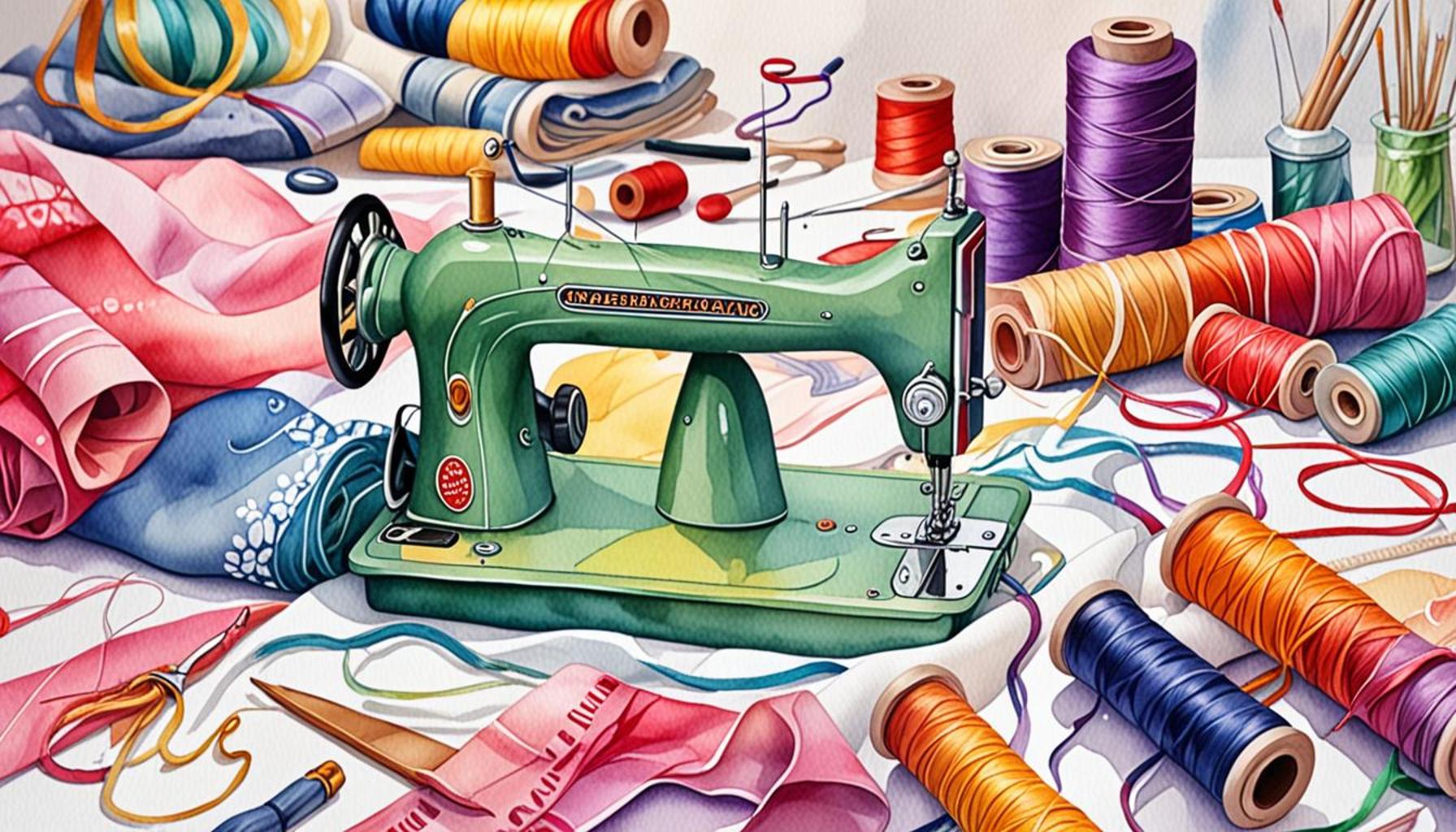
Sewing is not just a craft; it’s a venerable form of storytelling that transcends generations and cultures. Each thread weaves together a tapestry of memories, emotions, and history, creating rich narratives that often go unnoticed. As we delve into the world of sewing, we discover how fabric serves as a canvas for expression, where every seam and stitch contributes to a larger tale.
Consider the profound connection between sewing and storytelling:
- Cultural Heritage: Many quilts serve as historical documents, embodying the traditions and values of the communities that created them. For example, the traditional Amish quilts, known for their distinctive patterns and meticulous craftsmanship, convey stories of faith, family, and togetherness. Similarly, African American quilt-making, particularly during the 19th century, included symbolic patterns that often guided enslaved individuals to freedom along the Underground Railroad, demonstrating how fabric can forge connections to cultural identity.
- Personal Experiences: Handmade garments often reflect significant life events, such as weddings, births, or funerals, with each stitch holding deep meaning. Imagine a wedding gown passed down through generations; its delicate lace and intricate beadwork tell the love stories of those who wore it. Likewise, garments worn for momentous occasions or crafted to remember lost loved ones carry profound emotional weight, transforming everyday fabric into cherished heirlooms.
- Artistic Expression: Artists employ fabric and threads to convey messages about social issues, personal identity, and more, making fabric art a compelling form of commentary. Contemporary artists like Faith Ringgold utilize quilting to tell stories of her African American heritage, addressing critical themes such as race and feminism. Her narrative quilts combine visual art with storytelling, challenging viewers to engage with the layers of meaning woven into the fabric.
In the fabric of American culture, sewing holds a special place, embodying the spirit of creativity and resourcefulness. From the humble gatherings of quilting bees in rural towns to vibrant textile art exhibits in urban centers, the narrative of sewing is rich and diverse. Many community centers across the U.S. host sewing circles where people can share techniques and experiences, fostering connections and preserving collective memories.
As we explore the narrative of sewing, we invite you to think about the stories hidden within your stitches. Each piece you create or mend may hold layers of meaning waiting to be uncovered. What does your fabric say about you? This journey through the world of stitching is not just about the physical act of sewing; it is an invitation to reflect on the messages crafted through fabric and threads—messages that contribute to the broader story of human experience. Join us in unraveling these tales and discovering the narratives stitched into the very fabric of our lives.
DIVE DEEPER: Click here to uncover more
Stitches of Connection and Expression
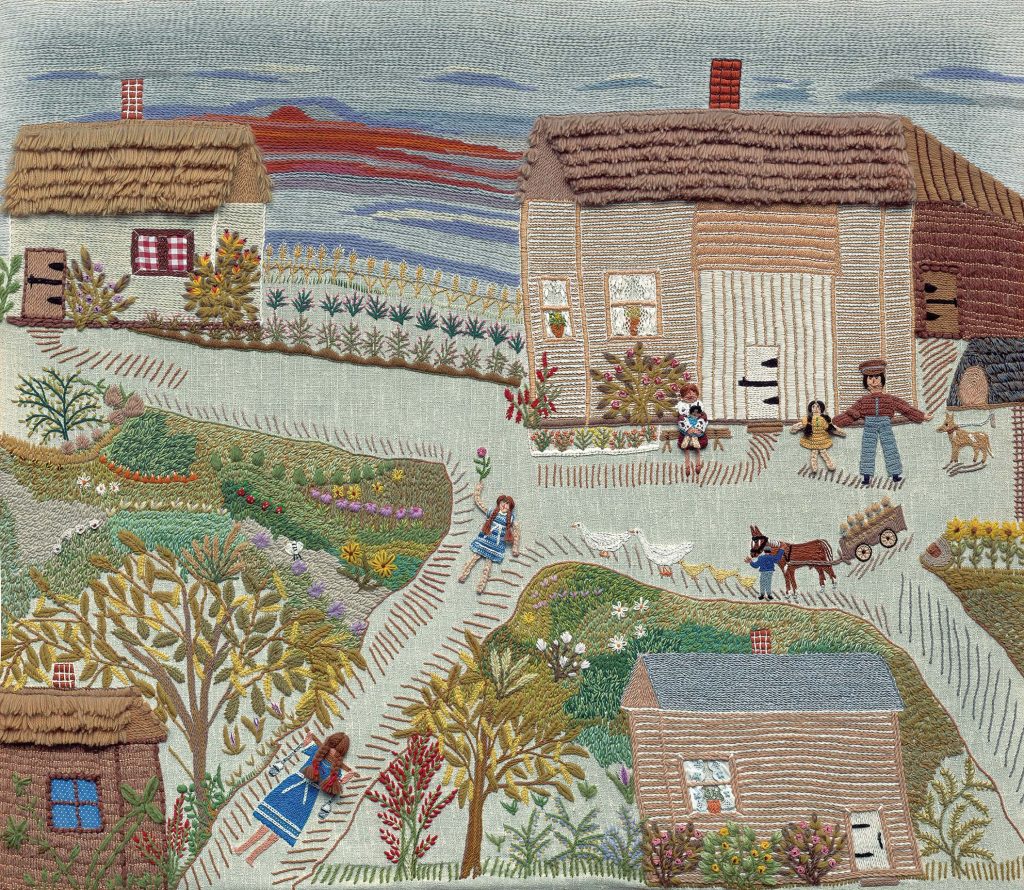
The act of sewing has long been a vehicle for human expression, intertwining personal introspection with community storytelling. From early colonial settlers to modern-day crafters, sewing narratives reflect both individual creativity and shared cultural experiences. Through fabric and threads, individuals encapsulate their lives, emotions, and the world around them—transforming textiles into powerful conduits of memory and history.
At the heart of sewing’s narrative is the representation of community bonds. Sewing circles, often referred to as quilting bees, have been integral to building relationships and sharing stories among participants. These gatherings, once a necessity for survival, now serve as social hubs where tales of hardship, joy, and resilience are exchanged. This communal aspect of sewing creates a sense of belonging and often reinforces local culture. The quilts created during these gatherings serve as colorful canvases, marrying art with a sense of place and purpose.
In the narrative of sewing, the choice of fabrics and patterns can reveal much about the maker’s intentions and background. For instance, traditional Navajo weaving employs bright colors and intricate designs that tell stories of the land, seasons, and people. Similarly, American folk art quilts often utilize unique patchwork patterns that convey the history and culture of their creators. These pieces serve not only as functional items but as visual stories that honor ancestry and articulate experiences, creating a rich tapestry of American history.
- Cultural Significance: Textiles can act as historical records, preserving traditions from different regions. Fabrics like kimonos symbolize not only aesthetic beauty but have deep cultural meanings tied to Japanese heritage.
- Life Stories: Personal experiences often manifest in sewing projects, with themed quilts designed to commemorate significant events, such as family reunions or memorials.
- Social Commentary: Through artistic fabric installations, many artists challenge societal norms and highlight pressing social issues, creating a dialogue about current challenges through the lens of their craft.
The dialogue between fabric and personal identity is profound. Every stitch speaks volumes, creating an opportunity for reflectiveness and connection. As we delve deeper into the narratives encapsulated in textiles, we are reminded that the stories of those who sew are as varied as the patterns they choose. Each fabric carries a unique history, whether it’s a cheerful cotton print or a luxurious silk, that contributes to the larger narrative of our communities and collective human experience.
In this exploration, we encourage readers to pause and consider their own relationship with sewing. Does a cherished childhood blanket evoke memories of family and warmth? Are there garments that symbolize triumph over adversity? The transformative power of fabric invites us not only to express ourselves but also to connect with the rich narratives woven into our shared humanity. As we continue to unravel these stories, we see that sewing is not merely a productive pastime; it is a celebration of the narratives that define us.
The Emotional Connection in Crafting
As we delve deeper into the narrative of sewing, it becomes evident that the process is far more than merely piecing together fabric. Each stitch woven into a garment symbolizes a memory, an emotion, or a story waiting to unfold. For many, sewing serves as a therapeutic practice, allowing individuals to process their thoughts and feelings through the rhythm of needle and thread. The act of creating not only engages the mind but also nourishes the soul, providing a sanctuary where creativity meets introspection.
The Cultural Significance of Textile Art
The art of sewing transcends borders and generations, embodying cultural identities and traditions. Different regions of the world boast unique sewing techniques, fabric patterns, and styles that tell stories of their respective heritages. For instance, Indigenous textile work often incorporates symbols and designs that represent nature and ancestral connections, ensuring that their stories are passed down through generations. By learning and embracing these distinct practices, contemporary sewers can connect with the past while simultaneously innovating for the future.
The Role of Community and Collaboration
Another remarkable aspect of sewing narratives is the emphasis on community and collaboration. Sewing circles, workshops, and collaborative projects foster a sense of belonging and shared creativity. In such environments, artisans exchange skills, stories, and techniques, enriching the sewing experience for all participants. This community aspect not only strengthens social bonds but also amplifies individual narratives, as each person contributes their unique perspective to the collective tapestry.
Technology and Modern Innovations
In today’s fast-paced world, technology has revolutionized the way we approach sewing. Digital platforms and online resources have made sewing more accessible than ever, allowing individuals from all backgrounds to participate in this age-old craft. Virtual classes, online communities, and social media have triggered a resurgence of interest in sewing, inspiring a new generation of storytellers who use fabric and thread as their mediums. By combining traditional techniques with technological advancements, the art of sewing continues to evolve, demonstrating its relevance in contemporary culture.
| Category | Details |
|---|---|
| Emotional Connection | Sewing allows for personal reflection and emotional release, enhancing mental well-being. |
| Cultural Narratives | Different sewing techniques express cultural identities, preserving stories through generations. |
Through these facets of sewing, we can better comprehend the intricate tapestry of narratives woven by fabric and threads, revealing that each creation is a chapter in the ongoing story of humanity.
DISCOVER MORE: Click here to enhance your skills
The Artistry of Sewing in the Modern Age
As we journey into the contemporaneous world of sewing, it becomes increasingly clear that the narrative of sewing has evolved to encompass a blend of tradition and innovation. The rise of the DIY movement and the growth of online crafting communities have democratized sewing, allowing diverse voices to share their stories and techniques globally. Platforms like Instagram and Pinterest have exploded with visuals of handcrafted garments, quilts, and fabric art, emphasizing that sewing is not merely about constructing pieces but weaving together tales of identity and culture.
The modern sewing landscape acts as a catalyst for social change. Artists and crafters use fabric and thread to comment on pressing societal issues, from environmental sustainability to gender identity. An example is the movement towards upcycling fabric, where artisans transform discarded clothing into new wearable art. This practice not only showcases creativity and resourcefulness but also resonates with narratives of minimization, eco-consciousness, and a collective responsibility toward the planet. Similarly, projects like the Made by Hands initiative bridge the gap between artisan craftsmanship and consumer consciousness, promoting the stories behind each handmade item.
In the United States, initiatives like the “Sewing for Change” movement illustrate how the art of sewing can be a tool for advocacy. Groups often create quilts to memorialize victims of violence or illness, each square representing a voice or story that contributes to the collective grief, defiance, or hope within the community. Quilters Against Violence has exemplified how sewing not only brings cosmetic beauty but serves as an empowering act of solidarity and change-making.
The personalization of sewing continues to thrive, enabling individuals to communicate their unique narratives. Custom embroidery, for instance, allows for the incorporation of personal mottoes, life quotes, or symbols that hold meaning for the individual. Sewing with intention reflects a deeper understanding of one’s life story, fostering a connection between memory and the act of creation. There’s a movement towards ‘slow fashion,’ emphasizing handmade, one-of-a-kind garments that celebrate individual narratives rather than mass-produced clothing.
- Story Quilts: Many modern quilters are crafting story quilts that narrate personal experiences, be it adventures, struggles, or history, transitioning fabrics into vehicles of memory and storytelling.
- E-textiles: The intersection of technology and textiles has given rise to electronic textiles, where LEDs and sensors are sewn into fabric. This innovative blend creates interactive garments that can change or respond, representing the evolving narrative of fashion and technology.
- Fabric as Healing: Numerous sewing therapy workshops have emerged, demonstrating how the act of sewing can serve as a therapeutic outlet, facilitating emotional healing by allowing participants to express their feelings and experiences through creative outlets.
The influence of sewing in storytelling stretches beyond just individual creators. It permeates fashion runways, where designers incorporate fabrics and patterns that reflect societal themes, cultural narratives, and even activism. High-profile designers frequently collaborate with artisans from marginalized communities, ensuring that the stories of their heritage are told through contemporary fashion.
In essence, the modern narrative of sewing is an expanding tapestry of voice, history, and innovation. With each stitch, artisans—both seasoned and novice—share a piece of themselves, contributing to the broader narrative of humanity, connection, and resilience through fabric and threads. As sewing continues to flourish as a popular medium for storytelling, we are beckoned to explore the diverse interpretations it presents, discovering anew the depth and richness woven within every piece created.
EXPLORE MORE: Click here to discover new sounds
Conclusion: Weaving Tapestries of Meaning
The narrative of sewing is a rich and dynamic journey that transcends physical fabric and thread, weaving together the intricate stories of individuals and communities. As we reflect on the artistry and evolution of sewing, it is evident that this craft serves not only as a means of creating functional items but also as a profound method for self-expression, connection, and cultural storytelling. From the longstanding tradition of quilting to the innovative realm of e-textiles, the act of sewing embodies the very essence of who we are—our histories, challenges, and aspirations.
The contemporary sewing landscape has opened doors to greater inclusivity and awareness around social issues, inviting participants to engage in activism and advocacy through their creations. Every piece of handcrafted art or garment stitched with intent encapsulates a narrative, resonating with themes of identity, empowerment, and healing. Initiatives such as Sewing for Change and artistic movements spotlight the power of fabric as a medium for solidarity, catalyzing discussions about equity, memory, and transformation.
As enthusiasts and newcomers alike contribute to this evolving narrative, we are encouraged to explore and celebrate the diverse interpretations of sewing—where each project embodies a fragment of a larger tapestry that connects us all. This significance underscores the need for continued support of artisans, crafters, and the timeless craft of sewing, as we each add our unique threads to the narratives that shape our world. In doing so, we not only pay homage to the rich traditions of sewing but also redefine its meaning, ensuring that future generations will continue to tell their stories through fabric and threads.
Related posts:
Board Game Creation: Using Imagination to Develop Narratives and Interactive Experiences
Visual Poetry: Uniting Words and Images for Creative Expression
DIY: Creating Artistic Objects from Recycled Materials to Express Ideas
The Magic of Illustrated Stories: Combining Words and Images to Create Fantastic Universes
The Art of Origami: Transforming Paper into Stories and Emotions
Abstract Painting Art Expressing Emotions Through Colors and Shapes

Linda Carter is a writer and creative hobbies expert specializing in crafting, DIY projects, and artistic exploration. With extensive experience helping individuals discover their creative potential and bring their ideas to life, Linda shares her knowledge on our platform. Her goal is to empower readers with practical tips, inspiring ideas, and step-by-step strategies for success in the world of creative hobbies.