The Music of the World: Discovering New Instruments and Styles in Creative Projects
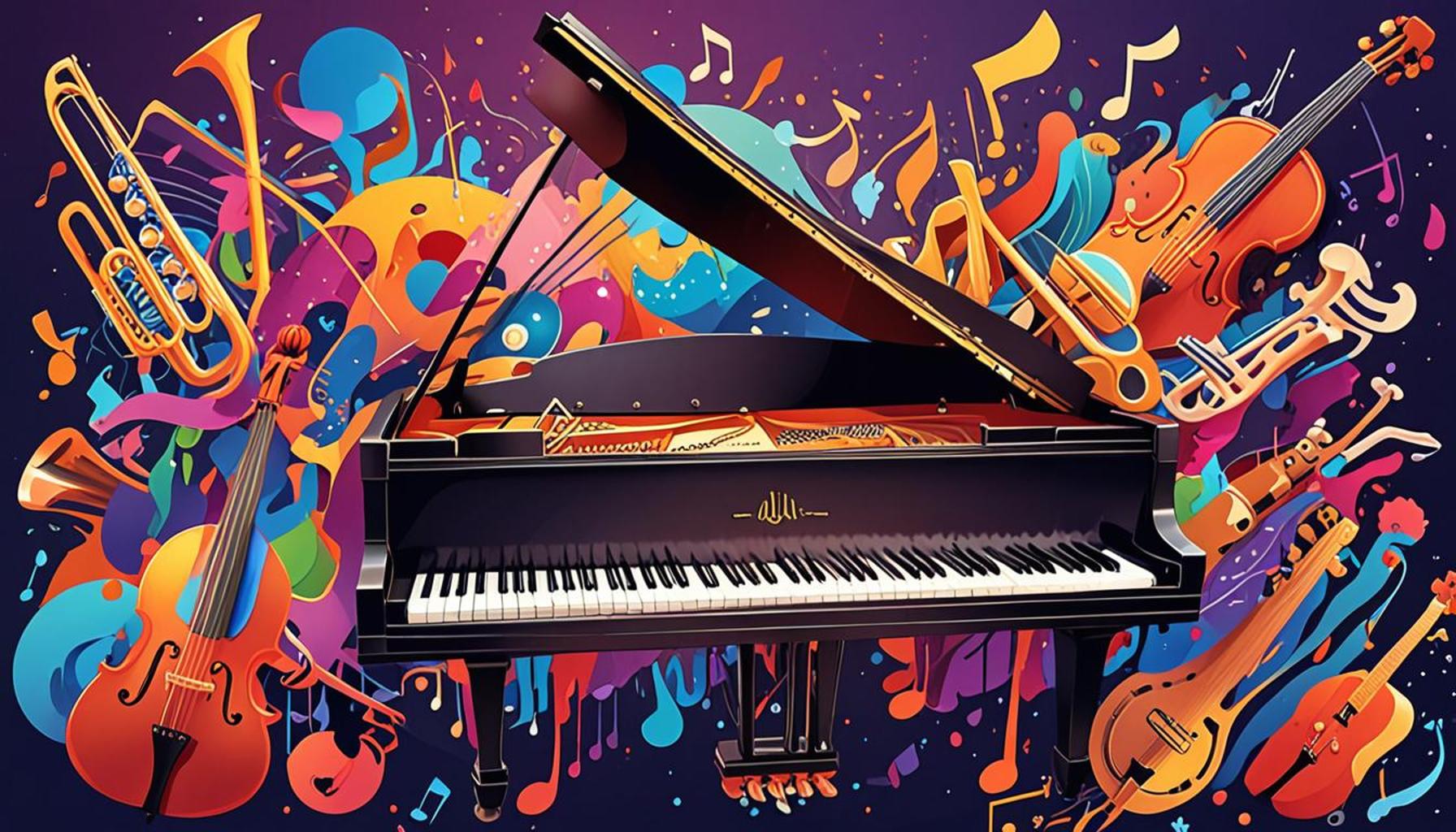
Unveiling the Wonders of Global Music
In an increasingly interconnected world, music serves as a universal language that transcends borders and cultural differences. Each nation contributes its unique sounds and instruments, enriching the diverse tapestry of global music. For instance, the vibrant rhythms produced by the congas in Cuba evoke imagery of festive street parties, while the haunting, ancient melodies of the Australian didgeridoo connect to the earth and ancestral traditions. Each instrument not only creates distinct sounds but also tells an intricate story of its origins and the people who play them.
Whether you are a musician aiming to innovate or a passionate listener eager to explore, there are countless opportunities to discover new styles and instruments from around the world. The exploration of global music styles opens up a plethora of engaging elements to consider:
- Instruments from Traditional Cultures: The soulful notes of the Indian sitar, known for its unique bending of notes, offer a deep connection to the emotional richness of classical Indian music. Similarly, the rhythmic beats of the African djembe, a hand-played drum, convey the energy and stories of African communal life, often played in gatherings and celebrations.
- Contemporary Fusion: In today’s music scene, numerous artists blend genres, creating a captivating soundscape that reflects diverse influences. For example, artists like Yo-Yo Ma with his Silkroad Ensemble combine traditional instruments with modern elements, producing music that resonates globally while retaining cultural authenticity.
- The Role of Technology: The digital age has enabled unprecedented access to music from around the globe. Platforms like Spotify and YouTube allow users to explore various musical genres and share their own interpretations without geographical limitations. Music software also fosters creativity, allowing musicians to easily incorporate sounds from different cultures into their projects, resulting in innovative and thrilling collaborations.
Embracing these global influences not only broadens the musical palette but also inspires creative projects that push boundaries and redefine genres. This exploration fosters collaboration among artists from diverse backgrounds, enriching the music landscape. As you delve into this vibrant world, you will uncover endless possibilities that promise new journeys of discovery and expression.
In a world where connectivity is key, understanding and appreciating global music can heighten cultural awareness and appreciation. It invites us all to look beyond our borders and recognize the beauty in diversity, ultimately uniting us through rhythm and melody.
DISCOVER MORE: Click here to enhance your growth

Exploring Unique Global Instruments
To truly appreciate the music of the world, one must delve into the myriad of instruments that exist across different cultures. Each instrument has its own unique structure and sound, contributing to the rich sonic landscapes found in various musical traditions. Understanding these instruments can significantly enhance the creative projects of musicians and artists, offering them new avenues for expression. Here are a few notable instruments that exemplify global diversity:
- Sitar: Hailing from India, the sitar is an iconic string instrument known for its resonant sound and intricate playing technique. Musicians use a variety of finger placements to produce microtones, creating profound emotional depth in classical Indian music. The sitar has influenced many Western musicians, including legends like George Harrison of The Beatles, making it a bridge between cultures.
- Ngoni: Originating from West Africa, the ngoni is a traditional instrument similar to a lute, made from animal skin and wood. Often played by griots, or oral historians, the ngoni’s plucked melodies convey stories of ancestry, culture, and life in African societies. Its sound is increasingly being incorporated into contemporary music genres, merging traditional storytelling with modern expression.
- Shamisen: A three-stringed instrument from Japan, the shamisen features a long neck and unique plectrum playing technique. Its sound is characterized by a sharp, rhythmic quality, which fits beautifully into Japanese folk narratives and theatrical performances, such as Kabuki. The shamisen’s adaptability allows it to be infused into various genres, inspiring artists worldwide.
In addition to these captivating instruments, there is a wealth of styles and genres that are waiting to be explored. The blending of historical and contemporary music brings about new interpretations that challenge traditional norms. For instance, genres like worldbeat are increasingly popular, as they incorporate diverse global influences into mainstream music. Artists such as Sheila Chandra and Ravi Shankar have pioneered approaches that resonate with both classical and modern audiences alike.
The rise of social media platforms and global music festivals has also played a pivotal role in promoting cross-cultural musical exchanges. Events like the World Music Festival, held in various cities across the United States, celebrate multicultural performances, allowing attendees to experience the sounds of Africa, Asia, the Caribbean, and beyond in one venue. Such events break down barriers, fostering an environment where innovation thrives and musical horizons expand.
As musicians delve into these diverse instruments and styles, they contribute to a greater understanding of cultural heritage and its significance in the contemporary musical landscape. These explorations not only enrich their own artistry but also open doors for collaborations that highlight the beauty of cultural fusion. By incorporating global sounds into creative projects, artists can tell richer stories that resonate with audiences around the world.
| Cultural Instruments | Inspiration and Integration |
|---|---|
| Djembe Drum | A versatile percussive instrument enhancing rhythm in various projects. |
| Shakuhachi Flute | Offers a meditative quality that can transform the atmosphere of music. |
| Sitar | Adds depth and complexity, perfect for fusion genres in creative works. |
| Mbira (Thumb Piano) | Creates a soothing soundscape ideal for film scores and ambient music. |
Exploring the diverse range of cultural instruments allows for a rich expansion of creative projects in the realm of music. For example, the Djembe drum is not only integral in West African music traditions but also serves as an engaging element in contemporary compositions, effectively enhancing rhythm and providing a dynamic layer of sound. The ethereal tones of the Shakuhachi flute facilitate a meditative experience, which can enhance project atmospheres, inviting listeners to delve deeper into the emotional narrative conveyed through music. Similarly, the Sitar introduces a traditional sound that perfectly complements fusion genres, allowing artists to bridge cultures while creating unique sonic landscapes.Not to be overlooked, the Mbira, or thumb piano, produces soothing and intricate melodies, ideal for ambient soundscapes and film scores, enabling composers to evoke a sense of tranquility while connecting with audiences on a profound level. By integrating such instruments, artists can amplify their creative expressions and take their projects to unprecedented heights.
DIVE DEEPER: Click here to uncover the impact of visual art
Fusion of Styles: A Global Musical Tapestry
The world of music is not just about the instruments played but also the styles and genres that emerge when diverse cultures interact. As musicians increasingly draw upon a wealth of global influences, the concept of musical fusion has taken center stage, creating a rich tapestry that enriches indie, pop, and even classical music scenes. The incorporation of different rhythms, scales, and lyrical themes leads to innovative soundscapes, inviting listeners on a journey through a myriad of cultural narratives.
One prominent example of this phenomenon is Afrobeat, a genre that blends traditional West African music with jazz, funk, and highlife. Pioneered by the legendary Nigerian musician Fela Kuti, Afrobeat remains influential today, inspiring modern artists such as Burna Boy and Wizkid who incorporate these rhythms into contemporary pop and hip-hop. The fusion allows for the storytelling inherent in African music to reach a global audience, shedding light on issues like social justice and personal history.
The cross-pollination of genres also often gives rise to reggaeton, which fuses Latin rhythms, hip-hop beats, and Caribbean influences. Emerging from Puerto Rico in the late 1990s, reggaeton artists like Daddy Yankee and J Balvin have propelled this genre into the mainstream. Its catchy beats and rhythmic hooks have crossed borders, allowing for collaborations with international stars, thereby enhancing its global appeal and ensuring its presence on the charts of numerous countries.
Moreover, genres such as celtic fusion have seen a resurgence, particularly in the United States, where folk music enthusiasts are weaving traditional Irish and Scottish sounds with contemporary bluegrass and rock elements. Artists like The Chieftains have been pivotal in introducing traditional celtic instruments like the bodhran and uilleann pipes into modern contexts, allowing for fresh, engaging interpretations that attract a younger audience.
Technology also plays an essential role in facilitating the dissemination of world music. Digital platforms like Spotify and YouTube have made it easier than ever for musicians to showcase global sounds and for fans to explore them. As algorithms recommend new music based on listening habits, users are more likely to encounter songs that incorporate diverse instruments and styles from around the globe. For instance, what began as an interest in Afrobeat could lead to discovering the intricate melodies of the Japanese koto or the vibrant beats of Bhangra.
Music festivals across the United States have become vital in promoting these new fusions. Events like Coachella and Bonnaroo increasingly feature artists from different backgrounds, showcasing the beauty of multicultural collaboration. Such platforms not only celebrate diversity but also challenge artists to explore new creative directions, inspiring them to push the boundaries of what music can be.
With increasing collaboration across genres and cultures, the potential for rich and diverse creative projects expands exponentially. The current musical landscape reflects a world where artists continuously challenge the traditional notions of genre, leading to expressions that are truly global in nature. The exciting fluidity in music underscores the idea that creativity knows no borders; rather, it thrives on the exchange of ideas and influences from every corner of the world.
DISCOVER MORE: Click here to dive into the world of folk art
Embracing the Global Soundscape
In conclusion, the exploration of new instruments and musical styles has become a vibrant tapestry that reflects the interconnectedness of our global community. As artists experiment with diverse influences, they break down traditional barriers, allowing for the emergence of innovative genres that captivate listeners worldwide. From the infectious rhythms of Afrobeat and reggaeton to the melodic intricacies of celtic fusion, the fusion of different cultural sounds not only promotes artistic growth but also brings forth narratives that resonate deeply with audiences.
As technology opens doors and platforms like Spotify and YouTube democratize access to music from around the globe, listeners are continuously exposed to an expanding array of styles and instruments. This fosters a unique environment where one can transition from the traditional sounds of a Japanese koto to the vibrant beats of Bhangra in just a few clicks, highlighting the rich diversity of the world’s musical heritage.
Moreover, as music festivals and collaborative projects flourish in the United States, they serve as vital spaces for showcasing multicultural talent and creativity. These events encourage artists and fans alike to venture beyond their familiar boundaries, leading to an enriched appreciation of the world’s sounds. The future of music lies in the embrace of these global influences and ongoing collaborations that will surely continue to inspire the next generation of artists.
As we continue to navigate this exciting musical landscape, it’s essential to remain curious and open-minded. By actively participating in the discovery of world music, we not only expand our personal playlists but also honor the myriad stories and traditions that accompany each unique sound. The journey of exploring this global soundscape is a rewarding endeavor that promises to enrich our understanding of music and the cultures that create it.
Related posts:
The Influence of Ethnic Fashion on Contemporary Creativity
Exploring the Art of Textiles: Cultural Traditions and Creative Innovation
Culinary as a Hobby: Discovering Flavors and Stories Around the World
The Impact of Cultural Festivals on Creativity and Community
The Role of Literature in Exploring and Valuing Diverse Cultures
Exploring Visual Narrative: The Role of Art in Preserving Cultural Stories

Linda Carter is a writer and creative hobbies expert specializing in crafting, DIY projects, and artistic exploration. With extensive experience helping individuals discover their creative potential and bring their ideas to life, Linda shares her knowledge on our platform. Her goal is to empower readers with practical tips, inspiring ideas, and step-by-step strategies for success in the world of creative hobbies.