The Intersection of Music and Painting: Exploring How Sounds Can Stimulate Artistic Creation
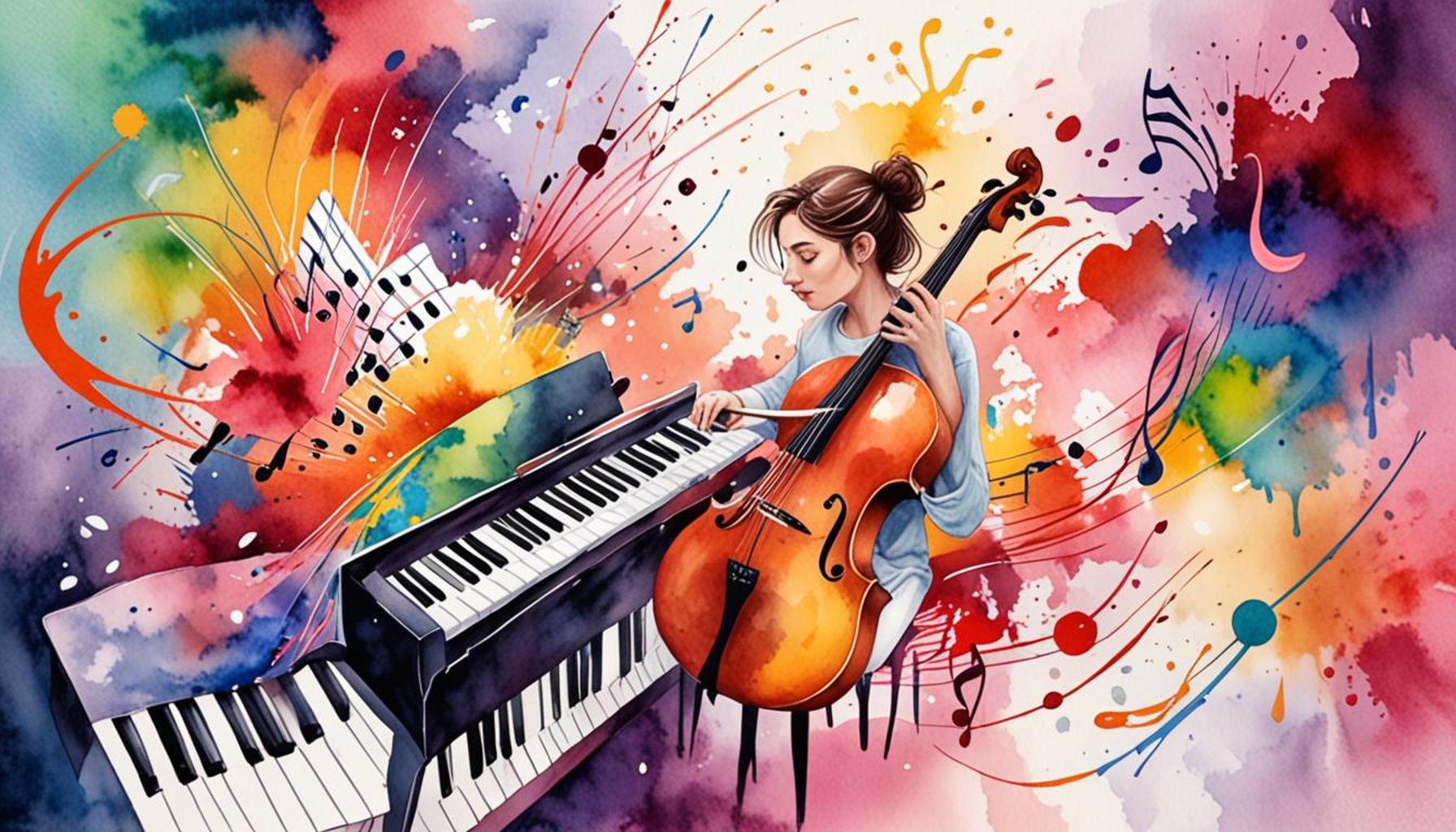
Artistic Convergence
Art has always possessed the remarkable ability to transcend more than just the visual experience. At the crossroads of creativity, we find the compelling relationship between music and painting. These art forms have not only coexisted over time but have also continuously inspired one another, creating a rich tapestry of cultural expression. This unique bond invites us to examine how auditory elements can ignite visual creativity and vice versa.
The Artists and Their Inspirations
Throughout history, many remarkable artists have drawn upon the power of sound for their inspiration, leading to innovative and breathtaking works of art. Among these artists, Claude Monet stands out for his enchanting landscapes that often capture the ethereal quality of light and shade. Monet was inspired by the music of contemporaries like Debussy, whose compositions evoked similar feelings of tranquility and movement, mirroring Monet’s brushstrokes. Monet himself said, “Color is my day-long obsession, joy, and torment,” illustrating how the harmony of sound resonated within his complex color palettes.
Pablo Picasso, a pioneer of modern art, was equally influenced by the jazz music that was vibrant during his time. The rhythmic jazz of the 1920s invigorated his works, echoing the improvisational energy and spontaneity found in his paintings. The freedom and innovation in jazz paralleled Picasso’s approach, especially in his Cubist period, where fragmented forms danced across the canvas in a visual melody. His love for music not only influenced his artistic direction but also fostered connections with several jazz musicians, including the legendary Charlie Parker.
Then there is Jackson Pollock, known for his revolutionary drip painting techniques. The essence of his work can be found in the essence of jazz music. Pollock embraced the improvisational spirit of jazz, creating his art in a frenzy of movement that resembles a musical performance. The drips and splashes of paint on his canvases can be seen as a visual representation of sound, capturing the rhythm and cadence intrinsic to jazz dynamics.
A Symphony of Art
Exploring how sound can stimulate artistic creation reveals a fascinating dialogue between sight and sound. Many contemporary artists draw parallels between the two realms, often describing their creative process as a harmonious interplay. For instance, countless individuals have noted that listening to music while painting can amplify their emotional connection to the work, creating a more profound artistic expression. Sounds like classical symphonies, the gentle strumming of a guitar, or the pulsating beats of electronic music can act as catalysts for an artist’s creativity, pushing them beyond conventional boundaries.
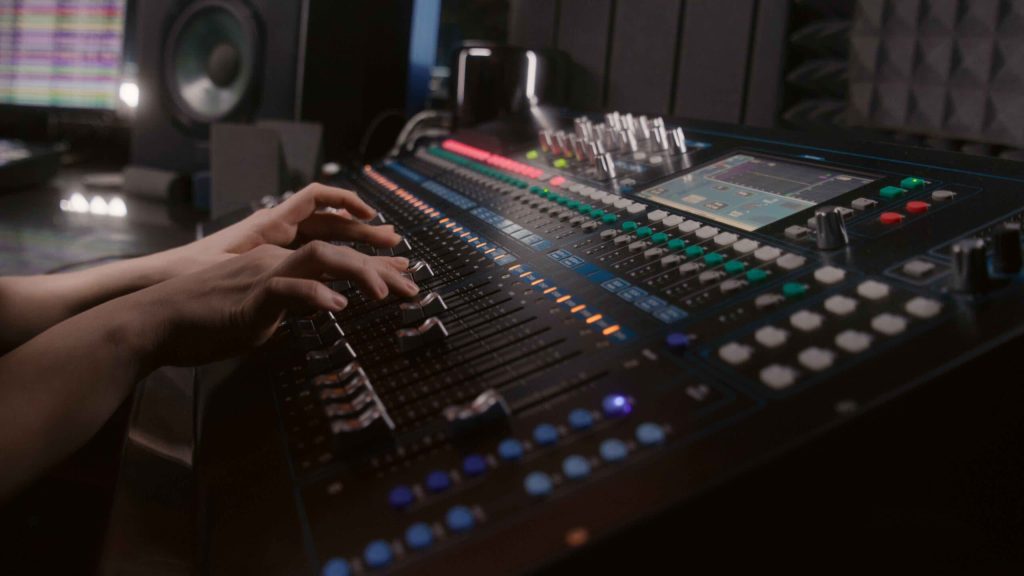
This intersection of auditory and visual art fosters a deeper appreciation for both mediums. Examining how these forms intertwine enriches our understanding of how various expressions of creativity can influence one another. By delving into this artistic relationship, we not only discover the ways in which music and painting coexist but also unlock new interpretations of creation itself.
DIVE DEEPER: Click here to discover more
Resonance and Reflection
The synergy between music and painting is not merely one of influence; it represents a complex exchange where visual artists embody sounds through color and form, while musicians draw inspiration from the vividness of the visual world. This artistic resonance invites individuals to explore how sound can transform and stimulate creativity, leading to a richer understanding of both forms of expression. As we delve deeper, we discover fascinating insights into how artists harness sound as a source of inspiration, ultimately enhancing their creative output.
The Role of Sound in Visual Expression
One of the most compelling aspects of the relationship between sound and visual art is the way in which various genres of music can evoke different emotional responses. Artists often curate playlists that align with their creative intentions during the painting process, tapping into the mood and energy of the music to inform their techniques and choices. For example, many painters find that upbeat tracks from genres like rock or electronic music can inspire spontaneity, leading to bold strokes and vibrant color choices, while softer melodies found in classical music might encourage more delicate brushwork and subtle palettes, reflecting the calm and contemplative nature of the sound.
Research indicates that listening to music while engaging in creative tasks can significantly enhance focus, often leading to greater productivity and artistic output. A recent study found that artists who listened to music experienced a notable shift in their creative process, reporting higher levels of satisfaction with their work. This connection underscores the necessity of integrating sound into the creative landscape, ultimately shaping artworks that resonate with audiences on multiple levels.
Influential Soundscapes and Iconic Works
When exploring the intersection of music and painting, it becomes essential to acknowledge not only the individual artists but also the profound historical contexts that influence their work. Here is a brief overview of key soundscapes that have significantly impacted the visual arts:
- Impressionism and Classical Music: The Impressionist movement was closely tied to the music of the time. Composers like Claude Debussy and Erik Satie embodied the fluidity and lightness captured in Monet’s landscapes.
- Jazz and Modern Art: Jazz emerged as a dominant force in the early 20th century, garnering a close relationship with the works of artists like Pablo Picasso, who infused his pieces with the same improvisational flair found in jazz performances.
- Jazz Fusion and Abstract Expressionism: Artists like Jackson Pollock adopted the free-form nature of jazz, resulting in a new way of interpreting painting as a dynamic performance, creating spontaneous visual rhythms.
As we explore this fascinating intersection of auditory inspiration and visual creativity, the dialogue between music and painting continues to flourish. Artists from all backgrounds are finding innovative ways to document their experiences, feelings, and thoughts through both mediums, ultimately enriching the tapestry of artistic expression. As we delve deeper into this exploration, we uncover even more layers of connection between sound and visual art, posing questions about the implications and opportunities this convergence presents for future creativity.
| Category | Details |
|---|---|
| Creative Inspiration | Music and soundscapes can evoke emotional responses that significantly influence the artistic process. |
| Enhanced Focus | Many artists find that listening to intriguing soundtracks enhances their ability to concentrate, leading to a deeper engagement with their painting. |
| Mood Elevation | The right music can elevate mood, which is crucial in artistic expression, allowing for more colorful and bold creations. |
| Cognitive Association | Listening to certain types of music can help forge new neural pathways, enabling artists to merge sound and visual art in innovative ways. |
The exploration of how sounds influence and stimulate artistic creation opens new vistas for artists. As musicians and visual artists continue to collaborate, the lines separating these disciplines blur, leading to multifaceted experiences that deeply resonate both artistically and emotionally. Integration of music into the painting process not only transforms the artistic atmosphere but also empowers artists to convey powerful narratives through visual representation. By understanding these connections, artists can experiment further with soundscapes, developing their unique styles and techniques that reflect their interpretation of both music and art. This synergy invites a broader audience to appreciate the fusion of sight and sound, enriching the cultural landscape. The artistic journey through sound not only fosters creativity but instills a profound understanding of the interplay between different art forms.
DISCOVER MORE: Click here to dive deeper into the impact of visual art
Sonic Palette: Techniques and Practices
The relationship between music and painting extends beyond mere inspiration; it encompasses a plethora of techniques and practices that artists employ to merge these two distinct forms of expression. Sound not only catalyzes the creative process but also influences an artist’s methodology and exploration within their works. One powerful technique employed by artists is the concept of synesthesia, where sounds evoke colors, shapes, and even textures. This immersive experience allows artists to paint music by interpreting auditory sensations through visual forms.
The Influence of Sound on Artistic Methods
Many contemporary artists intentionally immerse themselves in soundscapes that align with their creative goals. For example, artist Yayoi Kusama often incorporates music-based concepts in her immersive installations, allowing visitors to experience her vibrant, polka-dotted cosmos alongside synchronized sound. This multisensory approach captivates audiences and deepens their emotional connection to the artwork.
Another integral method involves the use of visualizations of sound. This technique finds its roots in experimental art forms, where artists project sound waves onto canvases, translating auditory experiences into visual representations. The results reveal compelling patterns and shapes that guide the viewer’s interpretation of the accompanying sound. This practice not only highlights the vibrancy of the auditory world but also challenges viewers to think critically about the relationship between what they hear and what they see.
Collaborative Projects: Merging Two Worlds
In recent years, there has been a surge in collaborative projects that take the fusion of music and painting to new heights. Artists are partnering with musicians and sound designers to create multisensory experiences that transcend traditional boundaries. A notable example is the collaborative work of Olafur Eliasson and Jónsi, the lead singer of the band Sigur Rós. Their joint project, “The Living Architecture,” showcases immersive installations that combine sound, light, and color, evoking feelings that resonate across visual and auditory mediums.
Moreover, festivals such as Coachella and Burning Man serve as platforms for artists and musicians to showcase their integrated works. These events often feature live painting sessions paired with dynamic musical performances, engaging attendees in a transcendent experience where painting responds to the rhythm of music in real-time. This not only stimulates the creative process but allows for a communal experience rooted in collaboration and shared artistry.
Technological Integration in Art Creation
As technology advances, so do the ways artists explore the intersection of sound and painting. Innovations such as digital sound art and interactive installations have transformed traditional principles of art creation. Artists using software like Max/MSP can manipulate audio frequencies that correspond to visual elements in their paintings. This integration facilitates a dialogue between the visual and the auditory, opening new pathways for artistic exploration.
In the realm of education, many art schools now incorporate sound design into their curricula, teaching aspiring artists to blend mediums creatively. By analyzing the impact of rhythm, melody, and harmony within their visual work, students can better understand the transformational power of sound when applied to painting.
The evolving landscape of the relationship between sound and painting continues to reveal fresh perspectives and artistic endeavors. As artists push boundaries and embrace technology, the possibilities for creative expression are limitless. Examining these layers of interaction presents a vibrant opportunity to appreciate how sounds stimulate artistic creation in ways that resonate deeply with both the artist and their audience.
DISCOVER MORE: Click here to find inspiration in your daily activities
Conclusion: A Harmonic Convergence of Art Forms
The exploration of the relationship between music and painting unveils a captivating dialogue that intertwines two powerful artistic mediums. Through techniques such as synesthesia and sound visualization, artists are not merely inspired by sounds; they actively engage with them to create immersive experiences that resonate on multiple sensory levels. The examples of contemporary artists and collaborative projects demonstrate that the fusion of auditory and visual expressions enriches the creative landscape, allowing audiences to experience art in innovative ways.
As technology continues to advance, the integration of sound in visual art becomes more sophisticated, offering new opportunities for expression and engagement. The incorporation of sound design in art education equips emerging artists with the tools to explore these intersections further, fostering a new generation that sees their canvas not just as a surface to paint on, but as a medium that vibrates with sound.
Ultimately, the interplay of music and painting serves to remind us that creativity knows no boundaries. The harmony created by these two art forms not only enhances individual works but also cultivates a community where shared experiences deepen emotional connections. As we appreciate the ways sounds stimulate artistic creation, it becomes evident that the true essence of art lies in its ability to transcend traditional categories, inviting us all to engage in the rich tapestry of cultural expression.
Related posts:
Exploring Art as Therapy: How Creative Expression Can Inspire Personal Healing
The Influence of Dreams on Artistic Creation: Exploring the Unconscious as a Source of Inspiration
Art as a Response to Crises: How Historical and Social Events Inspire Artistic Movements
The Relationship between Literature and Art: How Writers Inspire Painters and Visual Artists
The Role of Music in Stimulating Artistic Creativity: An Interdisciplinary Analysis
The Influence of Mythology on Artistic Creation: How Legends and Myths Stimulate Imagination
Linda Carter is a writer and creative hobbies expert specializing in crafting, DIY projects, and artistic exploration. With extensive experience helping individuals discover their creative potential and bring their ideas to life, Linda shares her knowledge on our platform. Her goal is to empower readers with practical tips, inspiring ideas, and step-by-step strategies for success in the world of creative hobbies.