The Interaction between Art and Fashion: How Designers Find Inspiration in Visual Arts
The Dynamic Intersection of Art and Fashion
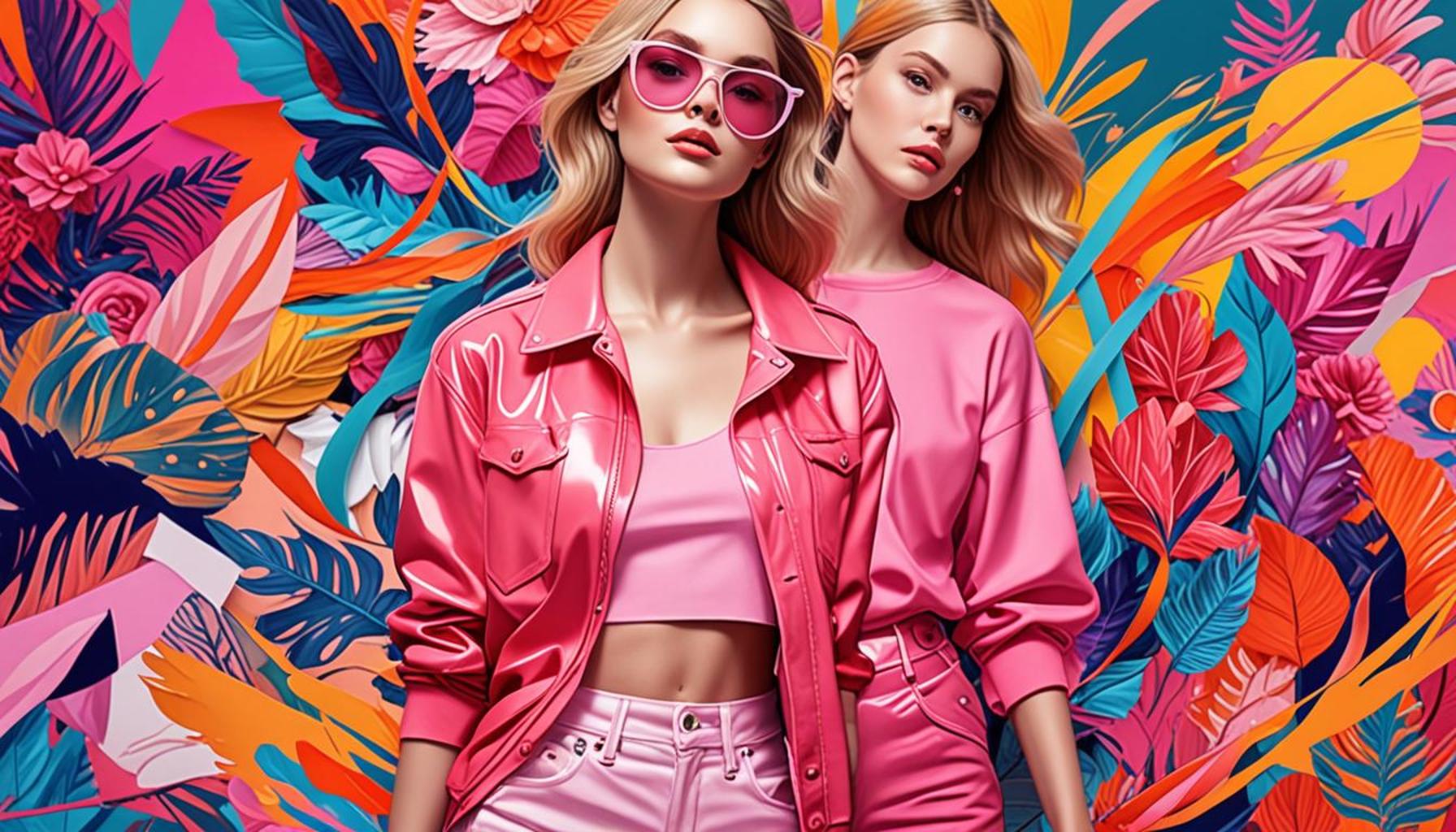
Throughout history, the realms of art and fashion have engaged in a captivating dance of mutual influence and inspiration. Designers regularly immerse themselves in the depths of visual arts, utilizing a myriad of techniques and themes to create collections that are not only aesthetically pleasing but also narratively rich. This interaction between the two fields serves to elevate both, confirming the argument that creativity knows no boundaries.
Art movements have consistently provided fertile ground for designers to experiment with colors, forms, and concepts. For instance:
- Impressionism: Known for its emphasis on light and color, this movement has inspired countless fabric patterns and design philosophies. Designers like Marc Jacobs have tapped into the soft, often pastel palettes of Impressionist works, creating pieces that evoke a sense of delicacy and fleeting beauty.
- Surrealism: The dream-like quality of this movement encourages designers to push the envelope of reality. The late designer Elsa Schiaparelli famously collaborated with surrealist artist Salvador Dalí, producing pieces like the “Lobster Dress,” which challenged conventional fashion narratives while leaving a lasting impact on the industry.
- Abstract Art: Focusing on the interplay of color and shape, this art form allows fashion designers to express deeper emotions and ideas. The vibrant textile patterns seen in collections by contemporary designers such as Marni and Etro exemplify how abstract art can transcend the canvas and wrap around the human body.
Several prominent designers have openly acknowledged their artistic influences, creating linkages between fashion and art that resonate deeply within both communities. There are notable examples worth exploring:
- Yves Saint Laurent’s “Matisse” collection premiered in 1983 and serves as a love letter to the colors and whimsical forms created by Henri Matisse, complete with bold prints reminiscent of the painter’s work.
- Alexander McQueen took it a step further by integrating performance art into his runway shows, exemplified by his iconic “Plato’s Atlantis” collection, where narratives of evolution and documentary-style fashion merging elements of theater revolutionized the catwalk experience.
- Balenciaga is known for its avant-garde approach, conducting conceptual art collaborations that often blur the lines between wearable fashion and thought-provoking installations, showcasing the diverse histories of our current cultural landscape.
The exploration of these influences opens a window into understanding how modern fashion is a narrative in motion—transforming textiles into canvases that tell stories. From historical references to contemporary critiques, the dynamic interplay of art and fashion invites us to reconsider the role of garments in the society and the deeper meaning they embody. Engaging with this synergy can enhance our appreciation for both fields, prompting an inquiry into how they will continue to evolve together in the years to come.
DISCOVER MORE: Click here to delve into the world of folk art
Creative Influences: Historical and Modern Connections
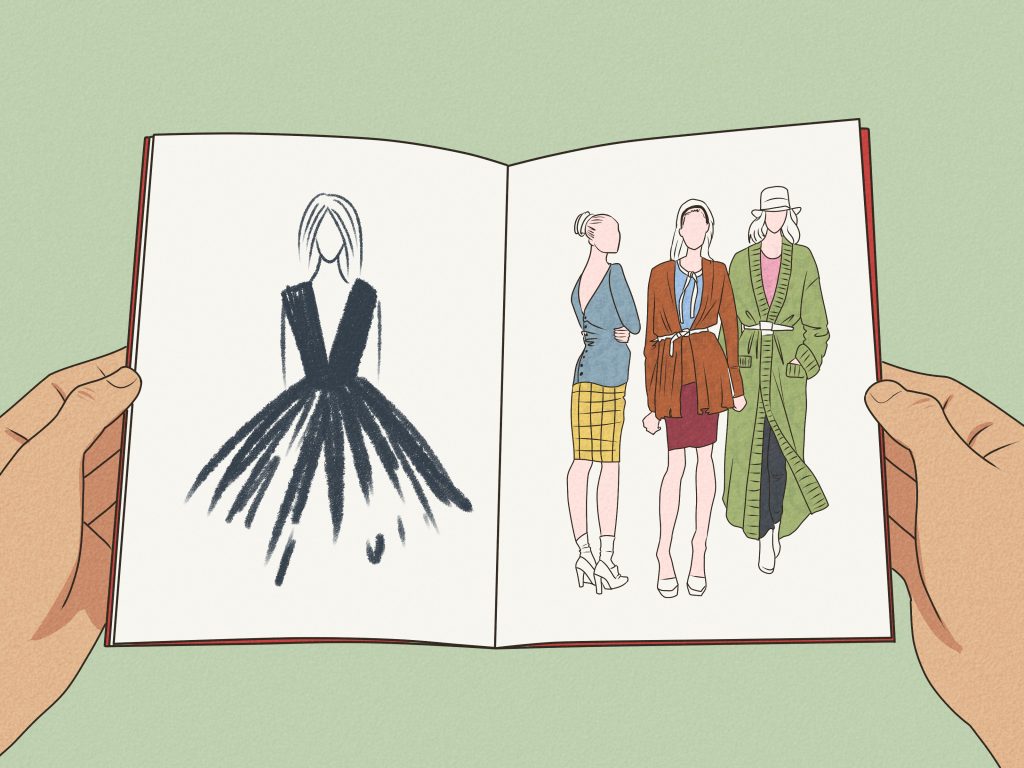
The interplay between art and fashion is not just a fleeting trend; it embodies centuries of cultural dialogue that has shaped both industries. Designers glean inspiration from various artistic movements, infusing their collections with innovative ideas and visual elements that challenge traditional boundaries. By exploring historical influences alongside contemporary expressions, we can better understand how this interaction continues to drive creativity in fashion today.
One of the most notable historical influences on fashion is the Bauhaus movement, which championed the integration of crafts and fine arts. The artists associated with this movement emphasized functionality paired with geometric forms and vibrant colors. Designers like Junya Watanabe and Paul Smith have drawn heavily on these principles, employing clean lines and bold shapes in their collections, reminding us that clothing can serve as both art and utility.
Another striking example is the Pop Art movement, which emerged in the 1950s and 60s, breaking down the distinction between high art and popular culture. This movement celebrated consumerism and mass production, making it a vibrant source of inspiration for contemporary designers. Louis Vuitton famously collaborated with artist Takashi Murakami, merging the luxury fashion brand’s heritage with bold, playful designs that evoke the essence of pop culture. Similarly, Marc Jacobs has often infused his runway shows with elements lifted from pop art, creating wearable art that sparks conversation.
Fashion Icons: Trailblazers of Artistic Influence
Certain fashion icons have made significant strides in showcasing this artistic inspiration, transforming runway shows into visual spectacles that merge different forms of artistic expression. Consider the impact of Jean-Paul Gaultier, whose bold collections often reference art history and cultural motifs, illustrating how fashion can be a platform for societal commentary. His famous “Portrait of a Lady” collection utilized motifs inspired by classical portraiture, allowing the models to become moving canvases as they showcased both the garments and the artistic influences behind them.
Moreover, contemporary designers are embracing collaborative projects that bridge the gap between art and fashion. Limited edition pieces that feature original works from artists are becoming more prevalent, allowing consumers to purchase items that are not just clothing, but also pieces of art in their own right. Such collaborations have captured the attention of fashion enthusiasts and collectors alike, leading to a renewed appreciation for the narrative depth present in every garment.
- Rodarte: The California-based brand resonates with the art world through collections inspired by notable films and artworks, proving that fashion can be influenced by the aesthetics of visual storytelling.
- Balmain: Known for its opulent designs, Balmain often channels neoclassical themes reminiscent of famous artists, creating a dialogue between historical artistic movements and contemporary fashion.
- Prada: By infusing art references into their runway designs and marketing campaigns, Prada has consistently challenged and expanded the definitions of luxury and style, creating a modern visual lexicon.
As the exploration of this interaction between art and fashion deepens, it encourages us to reflect on the multitude of sources from which designers draw inspiration. By examining how these two domains influence each other, we can begin to decipher the broader implications of creativity within our daily wardrobes and the stories they tell about culture and identity.
The Interplay of Artistic Techniques in Fashion Design
As fashion designers delve into the realms of visual arts, they often borrow techniques that enrich the narrative of their collections. Techniques such as color theory, composition, and texture are crucial in both fields, leading designers to create pieces that are not just wearable but also evoke emotional responses. Artists like Pablo Picasso and Vincent van Gogh have left lasting marks on the fashion world, with collections channeling their unique styles. From the bold brushstrokes of abstract art to the delicate nuances of impressionism, each piece tells a story that transcends clothing.
Direct Collaborations Between Artists and Designers
Another riveting aspect of this interaction is the direct collaboration between artists and fashion designers. A prime example is Louis Vuitton‘s partnership with contemporary artist Takashi Murakami, whose signature flower designs were transformed into iconic handbag art. Such collaborations not only provide a fresh perspective on fashion but also work as a canvas for artists to reach broader audiences. This fusion creates a dynamic dialogue between art and fashion, highlighting the limitations of both disciplines when isolated.
The Role of Cultural Commentary
Fashion often serves as a powerful vehicle for cultural commentary, drawing inspiration from movements in the visual arts to reflect societal changes. Designers incorporate themes from photography, sculpture, and even performance art to create narratives within their collections that resonate with contemporary audiences. The intersectionality of style and aesthetic values becomes apparent through seasonal collections that echo historical artistic moments. By reflecting societal trends or challenging norms, fashion remains an active participant in the larger conversation about art and culture.
| Art Techniques | Fashion Application |
|---|---|
| Color Theory | Influences the choice of fabric hues and patterns in collections. |
| Composition | Helps in the arrangement of elements in garment design for aesthetic appeal. |
| Texture | Adds depth and tactile interest to fashion pieces, often inspired by sculpture. |
Exploring these interconnected paths not only showcases how designers draw from the visual arts but also prompts fascinating discussions about the evolution of creativity across disciplines. It encourages an enriched understanding of how each field complements the other, paving the way for new forms of expression.
DISCOVER MORE: Click here to learn how creative hobbies can boost your emotional and social skills
Innovation and Collaboration: The Art of Merging Styles
The synergy between fashion and art goes beyond mere inspiration; it serves as a catalyst for innovation and creative expression. Today’s designers are increasingly blurring the lines between the two realms, entering into collaborations that elevate the standards of both industries. This trend is particularly resonant in the age of social media, where shared visual content can instantly reach a global audience.
One remarkable example of merging fashion and art comes from the ever-evolving landscape of streetwear. Designers like Off-White founder Virgil Abloh revolutionized this space by incorporating visual art principles into his collections. Abloh’s work often features striking graphic designs inspired by contemporary art, with bold text and deconstructed silhouettes that challenge traditional fashion norms. His unique approach has not only attracted a dedicated following but has also instigated conversations about the role of art in everyday wear.
Moreover, the influence of digital art cannot be overlooked. As technology continues to reshape our culture, fashion designers are embracing digital aesthetics, melding them with physical creations. For instance, Balenciaga launched a digital fashion collection that showcased virtual garments, allowing consumers to ‘wear’ these pieces online. This innovative combination of digital art and fashion design exemplifies the ever-adaptive nature of the industry, revealing new avenues for artistic expression and consumer engagement.
Art Exhibitions and Fashion Shows: A Visual Extravaganza
Fashion shows today have evolved into extravagant displays that double as art installations. Renowned designers frequently emphasize artistic narratives in their fashion presentations, transforming the runway into a gallery space. Alexander McQueen, for example, was known for his theatrical shows that explored profound themes through fashion, inviting viewers to talk about identity, history, and society. His “Plato’s Atlantis” collection featured stunning visuals that blurred the distinction between clothing and contemporary art, leaving a lasting impression on the audience.
Likewise, the recent partnership between the Metropolitan Museum of Art and high-profile fashion designers illustrates this intersection beautifully. The annual Costume Institute Gala not only serves as a fundraiser for the museum but also highlights the relationship between clothing and historical artworks. Themes drawn from exhibitions, such as the 2018 “Heavenly Bodies: Fashion and the Catholic Imagination,” lead to astonishing reinterpretations of traditional art within fashion contexts, further emphasizing how fashion can be a commentary on artistic expressions.
- Etnies: The footwear brand integrates graphic artwork into its sneaker designs, collaborating with various artists to create limited-edition collections that resonate with youth culture.
- Chanel: The iconic brand often taps into its rich heritage of art through campaigns featuring renowned artists, showcasing their pieces alongside elegant fashion designs to create a narrative that transcends time.
- Vivienne Westwood: Westwood’s collections frequently reference historical art movements and figures, from Renaissance portraits to punk graffiti, making statements that question societal norms while exploring the essence of individuality.
In exploring this interaction between art and fashion, we uncover a profound reflection of our culture. As designers draw upon artistic narratives, they not only reshape their collections but also redefine the role of clothing within society, making garments a medium for both self-expression and critical dialogue. This ongoing interplay invites consumers to participate in a larger conversation that extends far beyond the realm of mere aesthetics, fostering an appreciation for the confluence of creativity in everyday life.
DIVE DEEPER: Click here to expand your understanding
Concluding Thoughts: The Seamless Blend of Creative Realms
The interaction between art and fashion is a dynamic exploration of creativity that transcends boundaries, continually reshaping the two industries. As designers draw inspiration from various artistic movements, they not only elevate their collections but also enhance the dialogue surrounding aesthetic values and cultural relevance. This rich tapestry of influence illustrates how garments transform into visual narratives that reflect societal shifts and individual identities.
The merging of styles, particularly through collaborations and innovative platforms, has enabled a broader audience to engage with fashion as if it were an art form in its own right. As demonstrated by trailblazing figures like Virgil Abloh and exhibitions at institutions such as the Metropolitan Museum of Art, fashion is no longer confined to the runway; it is a global conversation starter that challenges preconceived notions of beauty, identity, and expression. Moreover, the advent of digital art and technology has provided designers with unprecedented opportunities to push the envelope even further, creating experiences that are as immersive as they are visually striking.
As we move forward, the exploration of this fusion between art and fashion will only deepen, inviting fresh interpretations and dialogues. It is a reminder that creativity knows no bounds and that each piece of clothing carries with it the potential to provoke thought, inspire change, and reflect the complexities of modern society. For those passionate about either field, this ongoing interaction is a compelling call to investigate further, appreciate art’s impact on our everyday wear, and revel in the beauty of artistic expression.
Related posts:
The Relationship between Literature and Art: How Writers Inspire Painters and Visual Artists
Artistic Inspiration in Photography: Capturing Moments that Tell Stories
The Role of Music in Stimulating Artistic Creativity: An Interdisciplinary Analysis
The Role of Public Space in Stimulating Artistic Creativity: Urban Interventions and Their Influence
The Influence of Nature on Art: How Natural Environments Inspire Creativity
Exploring Art as Therapy: How Creative Expression Can Inspire Personal Healing

Linda Carter is a writer and creative hobbies expert specializing in crafting, DIY projects, and artistic exploration. With extensive experience helping individuals discover their creative potential and bring their ideas to life, Linda shares her knowledge on our platform. Her goal is to empower readers with practical tips, inspiring ideas, and step-by-step strategies for success in the world of creative hobbies.