The Influence of Visual Art on Creative Self-Expression
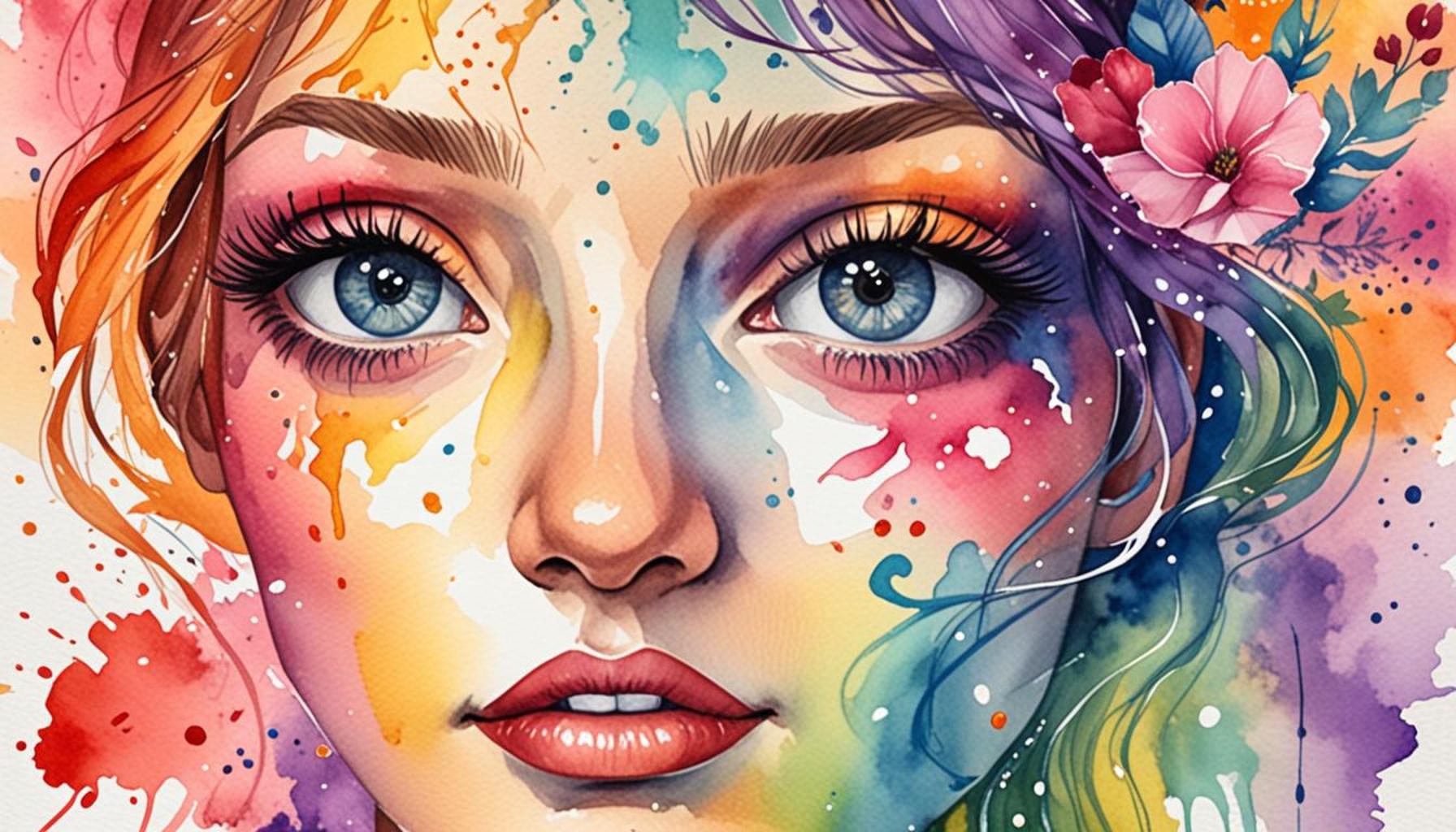
Exploring the Impact of Visual Art
Visual art serves as a profound conduit for creative self-expression, influencing individuals in diverse ways. From paintings that evoke deep emotions to sculptures that challenge societal norms, the impact of visual art transcends mere aesthetics. Through various forms, art becomes a language of its own, connecting creators and viewers alike in remarkably personal ways. This relationship is multifaceted, extending beyond the canvas to touch upon emotional, cultural, and personal identity aspects.
Consider the following aspects that illuminate this vital relationship:
- Emotional Resonance: Art can evoke powerful feelings, enabling individuals to express complex emotions. For instance, Edvard Munch’s “The Scream” resonates with viewers’ own experiences of anxiety and existential dread. Similarly, contemporary artists like Yayoi Kusama utilize color and repetition in their works to evoke feelings of joy and introspection. These emotional responses can be deeply felt, allowing art to serve as both a mirror and a release for untapped feelings.
- Cultural Reflection: Artists often draw upon their backgrounds, allowing diverse experiences and perspectives to shape their work. For example, the Harlem Renaissance showcased African American culture and history through visual arts, reflecting the struggles and triumphs of a community. In contrast, artists like Banksy use street art to critique socio-political issues, highlighting the power of visual mediums to comment on and influence contemporary society.
- Personal Identity: Creating or engaging with visual art helps individuals explore and define their identity. Many young people through community art programs discover their voices while expressing narratives of their personal experiences and cultural heritage. These engagements encourage self-discovery and can pave the way for newfound confidence and self-awareness.
In the United States, influential art movements like Abstract Expressionism, which emerged in the mid-20th century, have played crucial roles in shaping how people perceive themselves and their surroundings. Abstract artists like Jackson Pollock and Mark Rothko sought to express emotional truths through abstraction, inviting viewers to participate in a subjective experience. Additionally, movements like Pop Art, championed by artists including Andy Warhol and Roy Lichtenstein, interrogate the relationship between art and consumer culture, reflecting concerns about identity in an increasingly commercialized world.
Such movements echo local issues, such as racial identity and consumerism, demanding a dialogue between art and society. Art becomes a powerful tool for activism and social change, often leading to conversations about representation and equity. When individuals immerse themselves in visual art, they can experience personal transformation, discovering new facets of their identity and creativity.
This exploration of art opens doors to deeper understanding and appreciation, beckoning many to delve further into the world of creative expression. The ongoing dialogue between artist and observer can spark lasting change within individuals and communities alike. What influence does visual art wield on your creative self-expression? By engaging with visual art, whether through creation or observation, one becomes part of a dynamic tapestry that enriches personal and societal narratives.

EXPLORE MORE: Click here to discover how nature inspires creativity
The Dynamics of Emotional Connection in Visual Art
One of the most compelling aspects of the influence of visual art on creative self-expression is its ability to forge deep emotional connections. Art profoundly resonates with the human experience, allowing individuals to convey feelings and states of mind that words often fail to encapsulate. This phenomenon can be attributed to several elements, including color psychology, form and composition, and the cultural context in which the artwork is created.
Color psychology plays a pivotal role in how art evokes emotions. Studies show that colors can significantly influence how we perceive mood. For instance, warm colors like red and orange are often associated with energy and passion, while cooler tones like blue can invoke calmness and introspection. Artists like Claude Monet expertly employed color to create atmospheres that captivate the viewer’s emotional state, demonstrating how visual elements can impact one’s feelings. This emotional spectrum encourages artists and viewers alike to indulge in a dialogue about their emotional truths, further enriching the experience.
- The Role of Forms and Shapes: The physical structure of art itself can communicate unspoken emotions. Abstract forms can evoke feelings of chaos or order, leading viewers on a journey of interpretation. For example, the jagged lines in a work by artist Jean-Michel Basquiat may convey a sense of urgency and anxiety, reflecting his tumultuous experiences.
- Cultural Context’s Influence: The cultural background of both the artist and the audience is crucial in establishing emotional connections. Art that emerges from personal or collective histories, like Frida Kahlo’s self-portraits depicting her pain and identity struggles, can initiate a powerful emotional resonance that speaks to shared experiences.
- The Viewer’s Personal Experience: When individuals engage with visual art, their interpretations are often colored by their personal narratives. This interaction transforms art into a personalized experience, leading to unique insights and emotional connections that transcend the artist’s original intent.
Moreover, the emotional engagement derived from visual art can serve as a catalyst for self-exploration. When individuals encounter an artwork that deeply resonates with them, it instigates a moment of reflection, prompting questions about personal beliefs, experiences, and emotions. Take, for instance, the powerful imagery of Ai Weiwei’s installations, which address themes of oppression and freedom. Engaging with his work encourages viewers to examine their values and societal issues that resonate with their lives.
This reciprocal exchange between the artwork and the viewer highlights the unmatched ability of visual art to invite individuals into a world of creative self-discovery. As one explores different artistic expressions, they gain insights into not only the artists’ perspectives but also their own self-identity. The process can be liberating, revealing emotions and ideas that lay dormant, thus enhancing one’s overall capacity for creative self-expression.
As the exploration of visual art continues to unravel its emotional complexity, many individuals find new pathways to articulate their feelings and experiences. This transformative journey into the depths of creativity shows how art can play a central role in personal growth and self-understanding.
The Influence of Visual Art on Creative Self-Expression
Visual art serves as a profound medium for individuals to convey their feelings, thoughts, and beliefs in ways that words often cannot encapsulate. Art not only nurtures personal expression but also enriches the cultural landscape, causing a ripple effect that fosters creativity across various fields. Many artists, regardless of their primary discipline, find inspiration in the visual arts, leading to innovative approaches in music, writing, dance, and even scientific discoveries.
Throughout history, notable movements such as the Renaissance and Impressionism have demonstrated how visual art can act as a mirror reflecting societal change and personal exploration. The emergence of street art and digital media continues to challenge boundaries, allowing people from diverse backgrounds to share their unique perspectives and experiences. This democratization of art empowers individuals to find their voice in a world that often seeks conformity.
Moreover, engaging in visual arts can significantly enhance one’s emotional intelligence and empathy. Artists, by creating or interacting with visual works, often learn to recognize and express complex emotions, which translates into heightened interpersonal skills. As a result, the therapeutic effects of artistic engagement are being increasingly recognized, leading to the incorporation of art therapy in schools and health programs worldwide. Such practices can unlock new pathways for self-discovery and emotional growth.
In the ever-evolving dialogue on mental health, visual art plays an essential role in helping individuals process their experiences. Through different mediums—such as painting, sculpture, photography, and digital art—individuals are equipped with various tools for creative self-expression. This not only addresses personal struggles but also promotes a broader cultural dialogue, enabling communities to engage in self-reflection and support.
| Advantages | Impact on Creative Self-Expression |
|---|---|
| Enhanced Emotional Communication | Visual art breaks down barriers, allowing individuals to convey complex feelings that words alone may fail to express. |
| Cultural Reflection | Art captures and reflects societal changes, encouraging dialogues around identity, culture, and diversity. |
| Therapeutic Benefits | Engaging with visual art promotes mental well-being, leading to improved emotional health through creative outlets. |
The exploration of visual art as a vehicle for creative self-expression continues to unveil new dimensions of human experience, making it an invaluable part of our social fabric. As we embrace new artistic styles and technologies, the quest for personal and collective expression flourishes, affirming the enduring power of creativity in shaping our lives.
DIVE DEEPER: Click here to unlock your creative potential
The Pathways of Inspiration: Enhancing Creative Self-Expression through Visual Art
Visual art not only serves as a conduit for emotional expression but also acts as a vital source of inspiration for creative endeavors across various disciplines. By engaging with artwork, individuals unlock new perspectives and ideas, leading to enriched creative self-expression. This cultivation of inspiration can manifest in numerous ways, impacting artists, writers, musicians, and even everyday individuals seeking to explore their creative potential.
Art as a Muse: Many artists find their creative sparks through interaction with visuals. Iconic figures such as Pablo Picasso and Henri Matisse drew inspiration from each other’s work, evolving their artistic identities in tandem. Furthermore, contemporary artists often credit interaction with specific pieces of visual art as pivotal moments in their creative processes. For example, the installation art of Yayoi Kusama, characterized by its colorful, polka-dotted aesthetic, has inspired numerous creators, encouraging them to explore patterns and repetition in their own work. By immersing themselves in such vibrant visuals, artists can transcend traditional boundaries, ultimately yielding innovative results.
- Interdisciplinary Influence: The cross-pollination of ideas is another way visual art fuels creative self-expression. Writers and musicians frequently cite visual art as a pivotal influence in their storytelling and composition processes. The poetic narratives woven through the photography of Ansel Adams, for instance, can invoke lyrical inspiration for poets, while the emotional power of Edward Hopper’s paintings often find its way into musical ballads, capturing solitude and reflection.
- Visual Art in Creative Education: Integrating visual art into educational settings fosters creativity and critical thinking in students. Programs promoting arts education encourage students to analyze and create, cultivating creative problem-solving skills applicable in various fields. Research indicates that students engage with visual art can enhance their cognitive abilities, empowering young creators to express themselves artistically and intellectually.
- Digital Art and Accessibility: The rise of digital platforms has further democratized access to visual art. Online galleries and virtual museums allow individuals to explore a vast array of artwork from the comfort of their homes. This unprecedented access encourages engagement with diverse art forms, inspiring people to experiment with their creative practices. As a result, many discover new mediums, such as digital illustration or graphic design, unveiling capacities for self-expression that they may not have previously considered.
The ability of visual art to spark inspiration finds particular relevance in communities that prioritize creativity and innovation. For example, cities like New York and Los Angeles are renowned for their eclectic art scenes, often serving as incubators for artistic movements and collaborative efforts. Creative spaces, such as art collectives and maker studios, foster environments where individuals from various disciplines can come together, share ideas, and push the boundaries of their self-expression through interactive visual practices. These hubs of collaboration exemplify the dynamic power that art possesses to transform both individual lives and entire communities.
In sum, visual art not only enriches emotional experiences but also acts as a wellspring of inspiration for creative self-expression. This interplay between art and creativity encourages individuals to explore uncharted territory in their personal and professional lives, empowering them to communicate their unique perspectives through diverse artistic avenues.
DISCOVER MORE: Click here to uncover the benefits of creative hobbies
Conclusion: The Lasting Impact of Visual Art on Creative Self-Expression
The exploration of visual art reveals its profound influence on creative self-expression, underscoring its role as a catalyst for innovation and inspiration across various fields. From artists who transform visual stimuli into groundbreaking work to writers and musicians who draw emotional depth from the visual realm, the intertwining of art and creativity is both dynamic and compelling. The testimony of artists who have gained insight and motivation from legendary artworks showcases how communal experiences in the art world can lead to unparalleled self-exploration and expression.
Moreover, as the landscape of the creative world evolves, the accessibility of digital art has broadened horizons for many individuals. This democratization invites diverse voices and perspectives, allowing more people to experiment with various artistic mediums and deepen their creative identities. The educational implications of integrating visual arts into curricula further emphasize the importance of fostering a creative mindset that encourages critical thinking and imaginative problem-solving.
In conclusion, the influence of visual art on creative self-expression extends far beyond mere inspiration. It inspires a collective journey toward discovery, collaboration, and personal growth, enabling individuals and communities to redefine and express their stories. As we continue to engage with the ever-evolving tapestry of visual art, the opportunities for exploration and creation remain infinite, inviting the next generation of creators to contribute to this vibrant dialogue. Thus, embracing the transformative power of visual art is not only essential for individual expression but also crucial for nurturing a culture rich in creativity and innovation.
Related posts:
Visual Poetry: Uniting Words and Images for Creative Expression
Creative Photography: Capturing Imaginative Moments and Telling Stories Through the Lens
DIY: Creating Artistic Objects from Recycled Materials to Express Ideas
Creating Worlds: The Importance of Clay Modeling in Creative Expression
Creativity in Gardens: How Gardening Can Stimulate Imaginative Expression
The Narrative of Sewing: Telling Stories Through Fabric and Threads

Linda Carter is a writer and creative hobbies expert specializing in crafting, DIY projects, and artistic exploration. With extensive experience helping individuals discover their creative potential and bring their ideas to life, Linda shares her knowledge on our platform. Her goal is to empower readers with practical tips, inspiring ideas, and step-by-step strategies for success in the world of creative hobbies.