The Influence of Nature on Art: How Natural Environments Inspire Creativity
Natural Environments as Musicians of Creative Expression
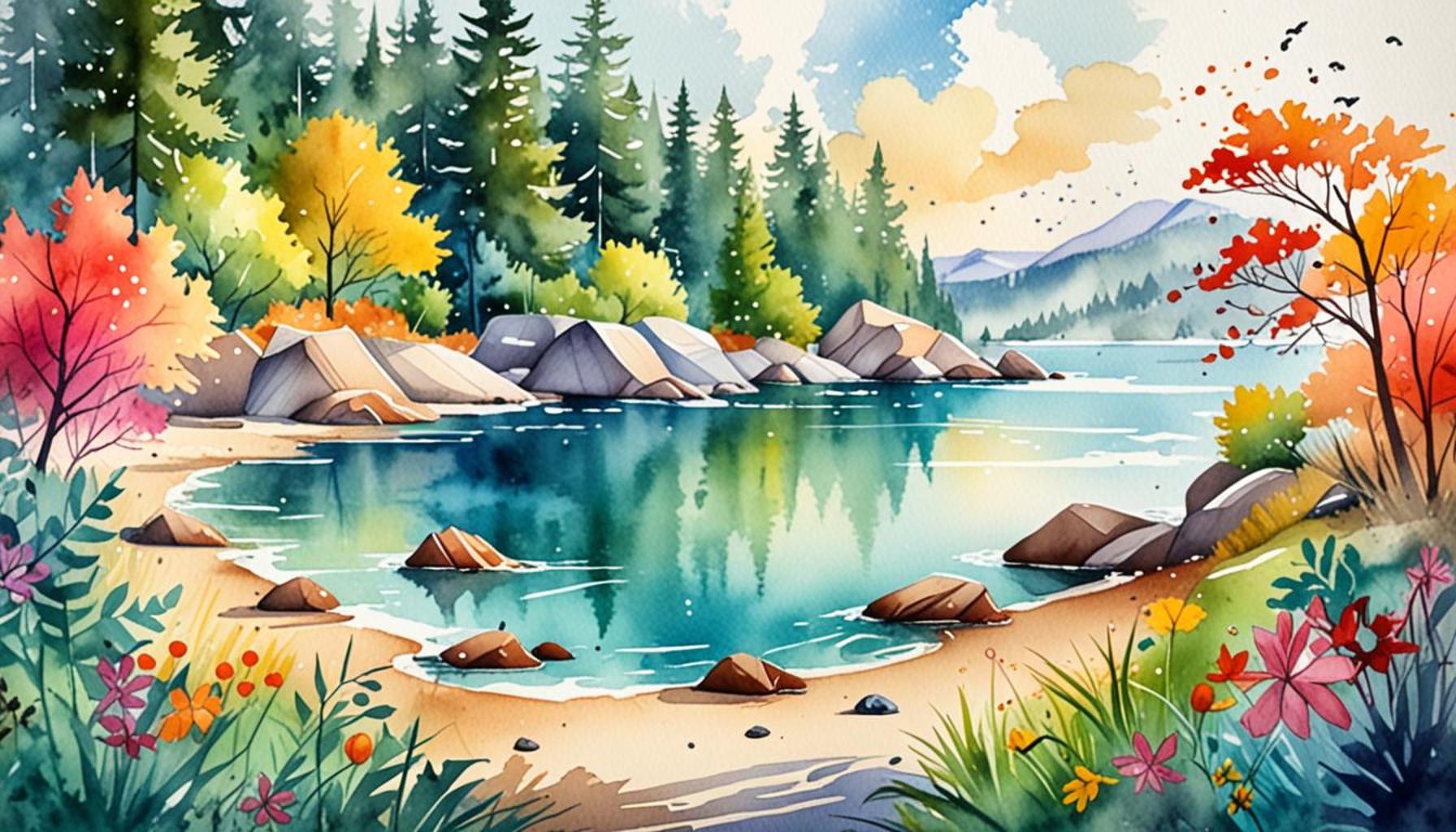
Throughout history, natural environments have served as powerful muses for artists. From majestic landscapes to serene gardens, the beauty of nature has profoundly shaped creative expression across various art forms. The relationship between art and nature is not simply aesthetic; it is deeply rooted in our psyche, reflecting humanity’s intrinsic connection to the world around us.
Numerous artists have drawn inspiration from mother nature, often translating elements of the outdoors into their work. For instance, the Impressionists, including the famed Claude Monet, are celebrated for their ability to capture the fleeting qualities of light in nature. His iconic works, such as “Water Lilies,” invite viewers to experience the tranquility of a garden at different times of day. Monet’s fascination with seasonal change and atmospheric conditions illustrates how the environment shapes perspective.
In contrast, abstract artists such as Wassily Kandinsky found inspiration in the underlying structures of nature, reflecting organic shapes and vibrant colors in his compositions. His work transcended mere representation, instead embodying the emotional experience of nature, urging viewers to feel rather than just see. This abstract interpretation showcases nature’s profound impact on the creative process, highlighting that art can be an extension of the natural world.
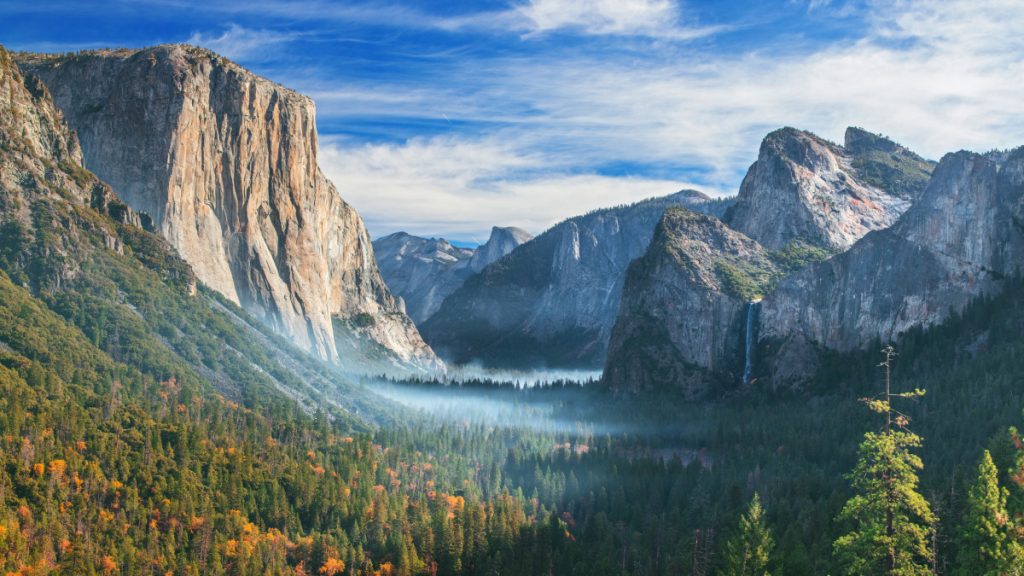
Similarly, photographers like Ansel Adams have immortalized the stunning vistas of national parks, capturing the majestic beauty of the American landscape. Using black-and-white photography, Adams preserved the grandeur of places like Yosemite and the Grand Tetons, using his art to inspire conservation efforts. His meticulously crafted images remind us that the natural world is not only beautiful but also worthy of protection and preservation.
Beyond visual art, nature inspires emotional engagement, evoking memories and fostering creativity. Elements such as:
- The sound of rustling leaves
- The scent of blooming flowers
- The tranquility of flowing water
These sensory experiences ignite inspiration and stir the imagination of artists seeking to express their inner visions. The peacefulness found in a quiet forest or the vibrant energy of a bustling garden can guide an artist’s hand or influence a writer’s words, showing that nature can be both a backdrop and a catalyst for creativity.
Moreover, in an era where urban jungles expand and green spaces diminish, the importance of integrating natural elements into contemporary art has never been more critical. Artists are increasingly exploring the synergy between urban settings and natural landscapes, creating works that advocate for sustainability and environmental awareness. This blending of the natural and urban landscape prompts society to appreciate the balance between growth and preservation.
This article delves into the myriad ways nature influences art, highlighting the enduring relationship between the two. It encourages a deeper appreciation for our environment and invites exploration into how artists continue to respond to and reflect the natural world through their work. As we uncover this intricate connection, we recognize that the true beauty of art may lie in its ability to mirror our most cherished landscapes and highlight our shared responsibility toward the planet.
DISCOVER MORE: Click here to dive deeper
Nature’s Palette: A Source of Color and Light
The influence of nature on art can be seen vividly in the use of color and light, where artists often borrow directly from the chromatic symphony present in their surroundings. The vibrant hues of a sunset, the subtle gradients of a misty morning, or the deep greens of a lush forest can serve as a rich palette for creative minds. For example, renowned artist Vincent van Gogh famously claimed that “there is nothing more artistic than to love people.” Yet, it was often the electrifying colors found in the fields of wheat or the swirling skies of Arles that defined his artistic legacy. His famous work “Starry Night” is a profound illustration of how nature’s colors and emotional resonance can inspire creativity. By capturing bursts of color and light, he transformed landscapes into expressive narratives reflective of emotional states.
Not just painters, but also writers have been moved by the landscapes that surround them. In the United States, authors like Walt Whitman and Emily Dickinson found profound inspiration in the flora and fauna around them. Whitman’s “Leaves of Grass” celebrates the beauty of the natural world, urging readers to embrace nature’s role in the human experience. Dickinson, with her keen observations of her garden in Amherst, Massachusetts, infused her poetry with themes of growth, decay, and renewal, illustrating a deep appreciation for the nuances of life derived from nature.
Moreover, the integration of natural elements extends beyond painting and poetry; musicians have also been influenced by their surroundings. The sounds of nature—such as the rhythm of rain or the rustle of wildlife—often find their way into compositions. Notable American composers like Aaron Copland drew from the essence of the American landscape, using the vastness of the West as inspiration for his iconic works, including “Appalachian Spring.” The sounds of the natural world not only provide material for artistic expression but also cultivate emotional connections that resonate with audiences.
Artists also often seek out natural environments for their restorative properties. Research supports the idea that immersion in nature can lead to enhanced creativity. Studies have shown that spending time in green spaces leads to improved cognitive function and increased problem-solving abilities. The act of stepping away from urban distractions to engage with the tranquility of a forest or a beach can open new pathways for inspiration, leading to innovative ideas and artistic breakthroughs.
As the interplay between nature and creativity reveals itself, one can observe the following common elements through various artistic expressions:
- A strong sense of place and connection
- Emphasis on color, light, and textural variation
- The influence of sensory experiences—sounds, smells, and sights
- The use of nature as a metaphor for emotional states
This captivating relationship between nature and art begs a deeper exploration into the ways landscapes shape artistic sensibility and cultural narratives. By understanding this bond, we can begin to appreciate not only art but also the natural world that inspires it, guiding us towards a sustainable coexistence with our environment. As we continue to investigate how various artists interpret their reflections of nature through their work, we uncover the vibrant interactions that propel artistic innovation and creativity.
The Role of Natural Landscapes in Artistic Expression
Natural landscapes have long served as a pivotal source of inspiration for artists across various disciplines. From the sweeping vistas of the Impressionist painters to the intricate details of botanical illustrations, the direct interaction with nature influences not only the form but also the content of artistic expression. Many artists have reported feeling an undeniable sense of tranquility and clarity when surrounded by the elements, which often leads to a significant surge in creative output. The way that different environments evoke emotional responses can play a fundamental role in the creative process. For instance, artists working amidst lush greenery may feel uplifted, while those in stark, barren settings might tap into feelings of isolation or contemplation. Each natural setting invites a distinctive palette, encouraging artists to experiment with colors and techniques that reflect their experiences and emotions evoked by their surroundings. Furthermore, engaging with nature fosters a deep connection that goes beyond mere observation. The tactile experience of touching the bark of a tree or feeling the texture of a stone can translate into an artistic interpretation that resonates with viewers on a sensory level. This tangible interaction emphasizes the importance of place in art and the way these settings can influence themes, narratives, and ultimately the entire artistic endeavor.In contemporary art, the integration of environmental themes has also become increasingly prevalent, as artists aim to raise awareness regarding ecological concerns. They draw inspiration from natural phenomena, using their art to reflect on climate change, conservation, and the fundaments of human existence within the natural world. As such, nature not only continues to inspire creativity but also acts as a crucial medium through which messages about sustainability and environmental preservation are communicated. By examining how various forms of art have evolved in response to environmental shifts and inspirations, it becomes evident that the impact of nature on creativity is profound and multifaceted, encouraging us all to explore further the interplay between the organic world and artistic expression.
| Artistic Medium | Influence of Nature |
|---|---|
| Painting | Nature, with its vibrant colors and forms, inspires a spectrum of emotions expressed through brushstrokes. |
| Sculpture | Natural materials such as stone and wood connect the art directly to the environment, enhancing its authenticity. |
| Photography | Capturing fleeting moments in nature heightens awareness and appreciation of the world around us. |
As we delve deeper into this inspiring relationship, the quest for understanding how natural environments stimulate artistic creativity continues to flourish, challenging both artists and viewers to contemplate their connection with nature.
DISCOVER MORE: Click here to delve deeper
Nature as a Muse: The Evolution of Artistic Styles
The profound connection between nature and art has not only inspired individual pieces but also helped shape entire artistic movements throughout history. From the Romanticism of the 18th and 19th centuries, which embraced the sublime beauty and untamed aspects of nature, to the Impressionist painters who sought to capture fleeting moments of light and color, nature has always been a pivotal muse for artists. The core tenet of Romanticism emphasized emotion and individualism, often juxtaposing human life against the vastness of nature. Artists like Caspar David Friedrich epitomized this relationship with landscapes that evoke deep reflection, suggesting nature’s overwhelming power in relation to human vulnerability.
As we transition into the Impressionist era, the influence of natural environments on creativity takes on a new dimension. Notable figures such as Claude Monet transcended traditional painting techniques, using loose brush strokes to capture the ephemeral qualities of light during different times of day. His series of paintings, such as “Water Lilies,” showcase how reflections on water and the changing atmosphere can inspire an entire oeuvre. This approach not only invigorated artistic expression but also redirected the focus of art towards the experience of perception itself—a direct interaction with the natural world.
The abstract art movement also owes a debt to nature as a source of inspiration. Painters like Wassily Kandinsky drew upon the rhythms and forms found in the natural environment to develop a distinctive abstract language. His work is a testament to how elements such as landforms, skies, and natural patterns can inspire an artistic visual syntax, allowing artists to connect emotionally with their work and audiences. Kandinsky recognized the spiritual power of color and shape, leading to a deeper understanding of how nature influences not just content, but structure in art.
Moreover, the advent of the environmental art movement in the late 20th century further amplifies nature’s impact on artistic expression. Artists began to confront environmental concerns by portraying natural landscapes in ways that revealed their fragility. Works by artists like Andy Goldsworthy, who creates ephemeral installations using materials found in nature, challenge the notion of permanence and celebrate the cycle of growth and decay. This form of art encourages viewers to engage with their environment more thoughtfully, prompting discussions about sustainability and conservation.
Beyond visual arts, the impact of nature on creativity extends to dance, theater, and performance art. For example, performances such as those produced by Pilobolus Dance Theater illustrate how the body can exploit natural movements and organic forms, leading to choreography that feels instinctive and fluid. This incorporation of elements from nature into performance underscores a shared narrative, allowing audiences to connect deeply with the world around them.
The confluence of nature and various artistic expressions cultivates a rich tapestry of creativity that encourages exploration, innovation, and a greater appreciation for the planet. As artists continue to interpret and challenge societal perceptions of nature through their work, the landscape of art remains inexorably tied to the land itself, inviting viewers to recognize their relationship with the environment in profound, yet personal ways.
DIVE DEEPER: Click here to uncover the magic of storytelling
Conclusion: A Timeless Connection Between Art and Nature
The intricate relationship between nature and art serves as a dynamic wellspring of inspiration for artists across various mediums and generations. Through historical exploration, we have seen how natural environments catalyze creativity, influencing movements from Romanticism to Impressionism and beyond. These artistic movements have not only reflected the beauty of the natural world but have also grappled with its fragility, resonating deeply with contemporary environmental concerns.
As we traverse the landscapes of creativity, from the evocative landscapes of Caspar David Friedrich to the fleeting impressions captured by Claude Monet, it becomes evident that nature is more than just a backdrop—it is a crucial character in the narrative of art. The rise of environmental art, exemplified by artists like Andy Goldsworthy, urges viewers to ponder their relationship with the earth, fostering a sense of responsibility toward preservation.
This dialogue between art and nature not only enriches aesthetic experiences but compels us to re-evaluate our own interactions with the environment. As the boundaries of artistic expression continue to expand, the influence of the natural world remains a vibrant force that inspires innovation and invites us to reflect on our place within it. The exploration of this connection is not merely academic or historical but a living, breathing aspect of modern cultural discourse that encourages all of us to seek inspiration in the beauty of the world around us.
In a fast-paced society increasingly distanced from nature, artists remind us of the value of slowing down and observing the subtleties of the environment. This shared pursuit of creativity and contemplation enriches our lives, proving that the essence of art will always be rooted in the wonder of the natural world.
Related posts:
Artistic Inspiration in Indigenous Cultures: Translating Traditions into Creation
The Role of Graphic Literature in Artistic Inspiration: Comic Books as a Source of Creativity
The Role of Public Space in Stimulating Artistic Creativity: Urban Interventions and Their Influence
The Influence of Mythology on Artistic Creation: How Legends and Myths Stimulate Imagination
Artistic Inspiration in Photography: Capturing Moments that Tell Stories
Natures Influence on Artistic Inspiration How Environment Shapes Creativity

Linda Carter is a writer and creative hobbies expert specializing in crafting, DIY projects, and artistic exploration. With extensive experience helping individuals discover their creative potential and bring their ideas to life, Linda shares her knowledge on our platform. Her goal is to empower readers with practical tips, inspiring ideas, and step-by-step strategies for success in the world of creative hobbies.