The Influence of Mythology on Artistic Creation: How Legends and Myths Stimulate Imagination
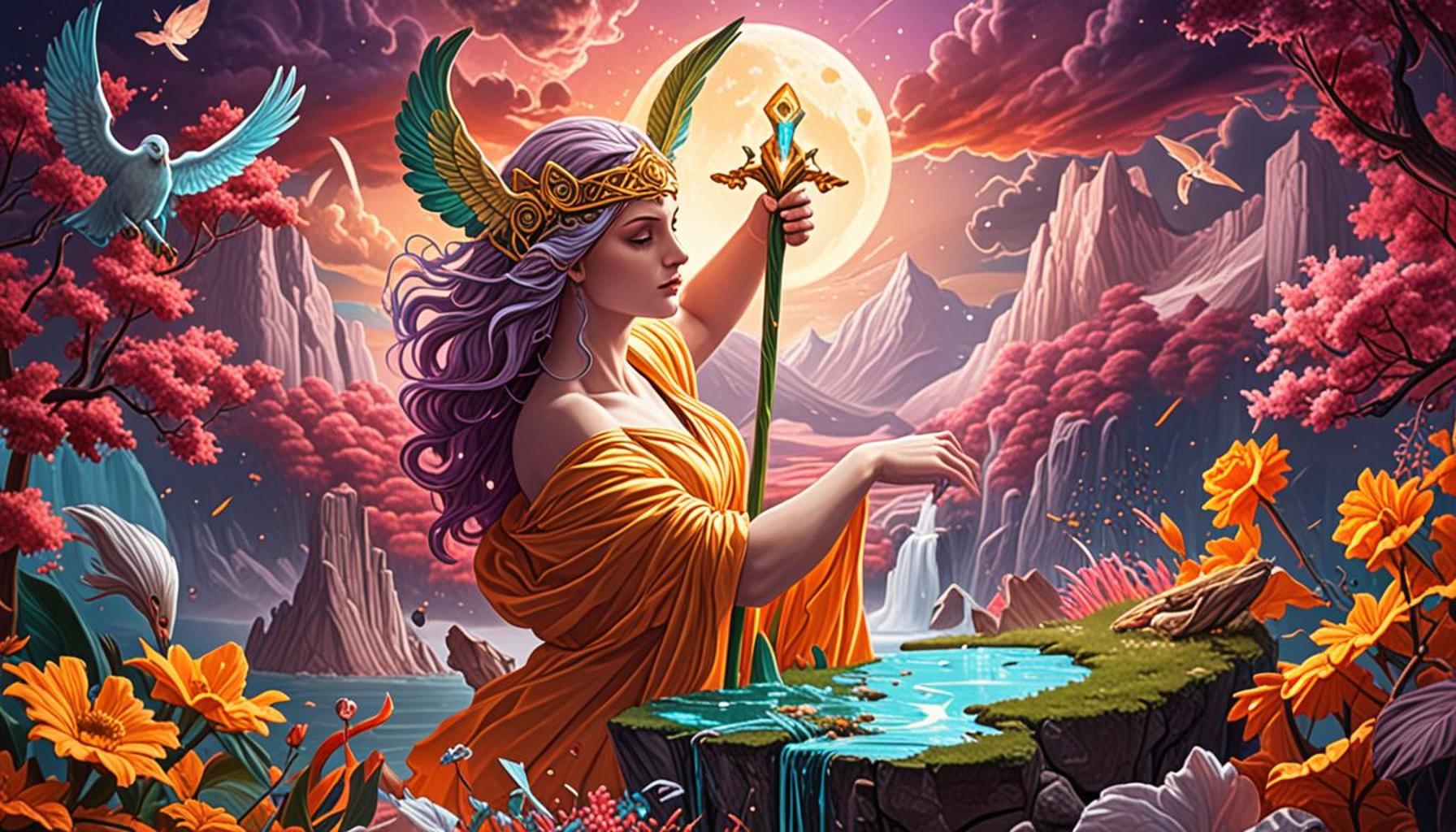
The Intricate Tapestry of Mythology and Artistic Expression
Throughout history, mythology has played a pivotal role in shaping artistic expression across various cultures. From ancient civilizations to contemporary artists, myths and legends have served as rich sources of inspiration, stimulating imagination and creativity. This article delves into the ways in which these timeless stories influence artistic creation and enrich human experience.
One significant way that mythology affects art is through the provision of archetypes. Myths present universal themes such as heroism, transformation, and betrayal that resonate deeply with human experiences across different societies. For example, the archetype of the Hero’s Journey, as described by Joseph Campbell, can be seen in myths such as those of Hercules or Odysseus, and has influenced countless narratives in literature, film, and theater. Artists tap into these archetypes to forge connections between their work and the shared histories of humanity.
Additionally, mythology encourages symbolism in artistic endeavors. References to mythological figures and stories enable artists to convey complex ideas and emotions that might otherwise be difficult to express. Consider the works of Salvador Dalí, whose surreal landscapes often feature mythological references, such as his painting “The Great Masturbator,” which incorporates elements of desire and subconscious exploration. Such symbolism invites viewers to interpret the inherent meanings and draws them into a deeper reflection on their own lives.
Mythology also plays a vital role in fostering cultural identity. Every culture has a unique set of myths that encapsulate its beliefs, values, and traditions. Artists often reflect these cultural narratives in their work, shaping a sense of belonging and history among their audience. In the United States, for instance, Native American artists frequently draw from their rich traditions and legends, creating pieces that honor their heritage while making powerful statements about contemporary social issues. Artists like Jaune Quick-To-See Smith use traditional techniques alongside modern themes to bridge past and present.
Notable examples of artistic works inspired by mythology span various mediums:
- In classical sculpture: Michelangelo’s ‘David’ stands as an immortal representation of the biblical hero, drawing on themes of bravery and faith.
- In literature: Books such as ‘Circe’ by Madeline Miller reimagine mythological figures, offering fresh perspectives on their narratives and exploring timeless themes of power and identity.
- In visual art: Contemporary artists like Kehinde Wiley infuse mythological themes in their portraiture, challenging traditional representations by celebrating African American culture and historical narratives.
As we explore these profound connections, it becomes clear that the influence of mythology on artistic creation is both extensive and transformative. It offers a lens through which we can understand not only the art itself but also the wider tapestry of the human experience. Mythology not only stimulates our imagination but also serves as a powerful tool for exploration and expression. Join us in this investigation of how legends and myths shape artistic landscapes and pave the way for future creativity.
DIVE DEEPER: Click here to discover the impact of visual art
Mythology as a Catalyst for Creative Expression
The profound impact of mythology on artistic creation can be understood through its ability to fuel imagination and inspire diverse forms of expression. Myths and legends serve as a wellspring from which artists draw, allowing them to construct new narratives and interpretations that resonate with audiences across time. The allure of these ancient stories lies in their ability to speak to fundamental questions about existence, morality, and the human condition, providing artists with a canvas to explore these themes in vibrant and thought-provoking ways.
One of the notable aspects of mythology’s influence is its power to evoke emotional responses. Through relatable characters and epic tales, mythological narratives engage our feelings, drawing us into their world. This emotional connection not only captivates viewers but also drives artists to reflect on their own experiences and emotions while creating. For instance, Frida Kahlo’s work is heavily influenced by her Mexican heritage and infused with elements from Aztec mythology. Her paintings often convey deep personal anguish and strength, allowing her to connect profoundly with themes of suffering and resilience that echo throughout human history.
Moreover, mythology facilitates the exploration of moral dilemmas and existential questions that continue to resonate with contemporary audiences. Artists often harness mythological references to address societal issues and challenge cultural norms. Take, for example, the modern interpretations of the Greek myth of Pandora’s Box; it has inspired plays, novels, and films that delve into themes of curiosity, consequences, and the human condition. This relevance underscores how ancient tales are not merely relics of the past but living narratives that find new life in today’s artistic discourse.
Additionally, the use of mythology in various art forms has given rise to unique stylistic expressions that celebrate cultural diversity and innovation. Artists around the world weave mythological motifs into their work, often merging traditional techniques with contemporary styles. This blend serves not only as a homage to their cultural origins but also challenges perceptions of art itself. For instance, in dance, performers often integrate stories from indigenous traditions to convey powerful messages about identity and survival.
Key examples illustrate the multifaceted role of mythology in artistic creation:
- In theater: The modern play ‘The Lion King’ draws heavily from African mythology and storytelling, engaging audiences with its vibrant visuals and powerful themes of leadership and legacy.
- In music: Composers like Igor Stravinsky have incorporated mythological influences in their works, with pieces like ‘The Rite of Spring’ reflecting ancient rituals and the spirit of nature.
- In cinema: Films like ‘Pan’s Labyrinth’ intertwine fantasy with myth, showcasing how legends can enrich narratives, exploring themes such as innocence lost in times of war.
As we uncover the myriad ways in which mythology stimulates artistic creation, it becomes evident that these ancient stories are not just tales of old but vital elements that continue to shape contemporary art. They provide a framework through which artists can comment on modern life, creating a dialogue that links the past with the present. Thus, mythology remains an enduring source of inspiration, inviting artists and audiences alike to explore deeper truths about themselves and the world around them.
| Cultural Significance | Impact on Artistic Expression |
|---|---|
| Mythological Narratives | These stories encapsulate the values and beliefs of a society, serving as a vital source for artists. |
| Symbolism and Themes | Legends provide rich symbolism that artists use to convey profound messages and emotions. |
| Transcending Time | Myths maintain cultural relevance, adapting to contemporary contexts while inspiring new artistic visions. |
| Interdisciplinary Influence | Artists from diverse fields draw upon mythological sources to create multidimensional works that resonate widely. |
Artistic expression is greatly enhanced by the cultural significance of mythology. These mythological narratives form an essential part of a society’s heritage, providing a framework through which artists can explore their creativity. From ancient civilizations to modern interpretations, myths encapsulate values that artists frequently reinterpret. The symbolism and themes found in these legends resonate with universal human experiences, allowing artists to convey messages and emotions through powerful imagery. Myths often invite viewers to delve into stories that transcend simple representation, allowing for deeper connection and reflection on their own lives.Moreover, the transcending nature of myths serves to keep them relevant in contemporary artistic discussions. Artists often adapt these ancient stories within their modern contexts, thus refreshing their impact and ensuring that they continue to stimulate the imagination of new generations.Finally, the interdisciplinary influence of mythology cannot be overlooked. Artists across various fields, including literature, visual arts, and performance, draw inspiration from mythological themes, enriching their work and inviting a broader audience to engage with the timeless stories that shape our understanding of the world around us.
DIVE DEEPER: Click here to discover the impact of visual art on creativity
Universal Themes in Mythology and Their Artistic Manifestations
The integration of mythology into artistic creation is not just limited to individual expressions but also taps into universal themes that resonate across cultures and time periods. These themes, such as love, sacrifice, heroism, and the battle between good and evil, provide artists with a relatable foundation upon which to build their narratives. This universality invites audiences to connect on a deeper level, as these potent themes evoke shared human experiences and emotions, regardless of cultural background.
Take, for instance, the mythology of heroic journeys, a motif found in various cultures. Joseph Campbell’s concept of the “Hero’s Journey,” which outlines a narrative arc that many myths follow, continues to influence modern storytelling in literature, film, and even video games. A prime example can be seen in the ‘Star Wars’ franchise, which borrows heavily from archetypal myths to craft its epic narrative. Characters like Luke Skywalker embody the quintessential hero, facing trials and tribulations that echo the struggles depicted in ancient legends such as those of Hercules or Odysseus. This illustrates how mythology shapes not only character development but also the overall structure of modern narratives.
Moreover, mythology’s role in shaping social commentary through art cannot be overstated. Artists often use mythological references to critique the present-day society, reflecting on contemporary issues through the lens of ancient wisdom. For example, the myth of Icarus, who flew too close to the sun, has become a metaphor for human hubris and ambition. Numerous artistic interpretations—from paintings to contemporary dance—have emerged, urging audiences to consider the repercussions of overreaching aspirations in our modern world, especially in the context of technology and environmental concerns.
Furthermore, mythology inspires artists to explore the intersection of dreams and reality, allowing them to create works that blur the lines between the two. Surrealist artists such as Salvador Dalí and Max Ernst drew upon mythological themes to convey the complexities of the subconscious mind. Dalí’s ‘The Persistence of Memory,’ with its melting clocks, infuses a sense of timelessness reminiscent of mythological tales, compelling viewers to ponder the nature of time and existence in both personal and collective consciousness.
- In murals and public art: Artists like Diego Rivera have invoked elements of Aztec mythology, using vibrant imagery to comment on social and political issues affecting Mexican society, demonstrating how mythology can serve as a powerful means of cultural expression.
- In literature: Novels like ‘Circe’ by Madeline Miller reimagine classic myths, giving voice to traditionally marginalized characters and encouraging readers to engage with these narratives from a fresh perspective.
- In fashion: Designers such as Vivienne Westwood have drawn inspiration from mythological figures to craft avant-garde collections that challenge conventional aesthetics and provoke thought about identity and representation.
As we delve deeper into the ways mythology influences artistic creation, it becomes clear that these ancient stories are not limited to history books but are vibrant pathways through which artists can explore human experiences and societal reflections. They serve as bridges linking the past with present desires, aspirations, and challenges, ensuring that the relevance of myths continues to thrive in our contemporary artistic landscape.
DISCOVER MORE: Click here to boost your skills
Conclusion: The Enduring Legacy of Mythology in Art
In exploring the influence of mythology on artistic creation, we have uncovered a rich tapestry of connection between ancient stories and contemporary expressions. From literature and visual arts to music and fashion, mythology serves not only as a source of inspiration but as a vital framework through which we understand and interpret the complexities of the human experience. These myths resonate deeply as they encapsulate universal themes that speak to our shared emotions and challenges, allowing artists to weave narratives that transcend time and geography.
As demonstrated through various artistic movements and mediums, mythology acts as a lens for social commentary, encouraging both creators and audiences to reflect on contemporary issues, while also confronting humanity’s enduring aspirations and fears. Furthermore, the transformative power of myth enables artists to traverse the realms of dreams and reality, prompting an exploration of the subconscious that continues to captivate modern audiences.
As we move forward in our artistic journeys, it is essential to recognize that myths are not relics of the past but dynamic stories that continue to evolve and inspire. Engaging with these narratives opens pathways for innovation and creativity, challenging us to reinterpret ancient wisdom in light of today’s world. In doing so, we not only pay homage to our cultural heritage but also unlock the potential for greater imagination and insight within our artistic practices. Thus, mythology stands as a testament to the profound impact that legends can have on creativity, shaping not only the art we create but also the society we live in.
Related posts:
The Role of Public Space in Stimulating Artistic Creativity: Urban Interventions and Their Influence
The Role of Graphic Literature in Artistic Inspiration: Comic Books as a Source of Creativity
The Influence of Colors in Artistic Creation: Psychology and Inspiration in Color Palettes
Artistic Inspiration in Photography: Capturing Moments that Tell Stories
Art as a Response to Crises: How Historical and Social Events Inspire Artistic Movements
The Influence of Nature on Art: How Natural Environments Inspire Creativity

Linda Carter is a writer and creative hobbies expert specializing in crafting, DIY projects, and artistic exploration. With extensive experience helping individuals discover their creative potential and bring their ideas to life, Linda shares her knowledge on our platform. Her goal is to empower readers with practical tips, inspiring ideas, and step-by-step strategies for success in the world of creative hobbies.