The Influence of Martial Arts on Cultural and Creative Expression
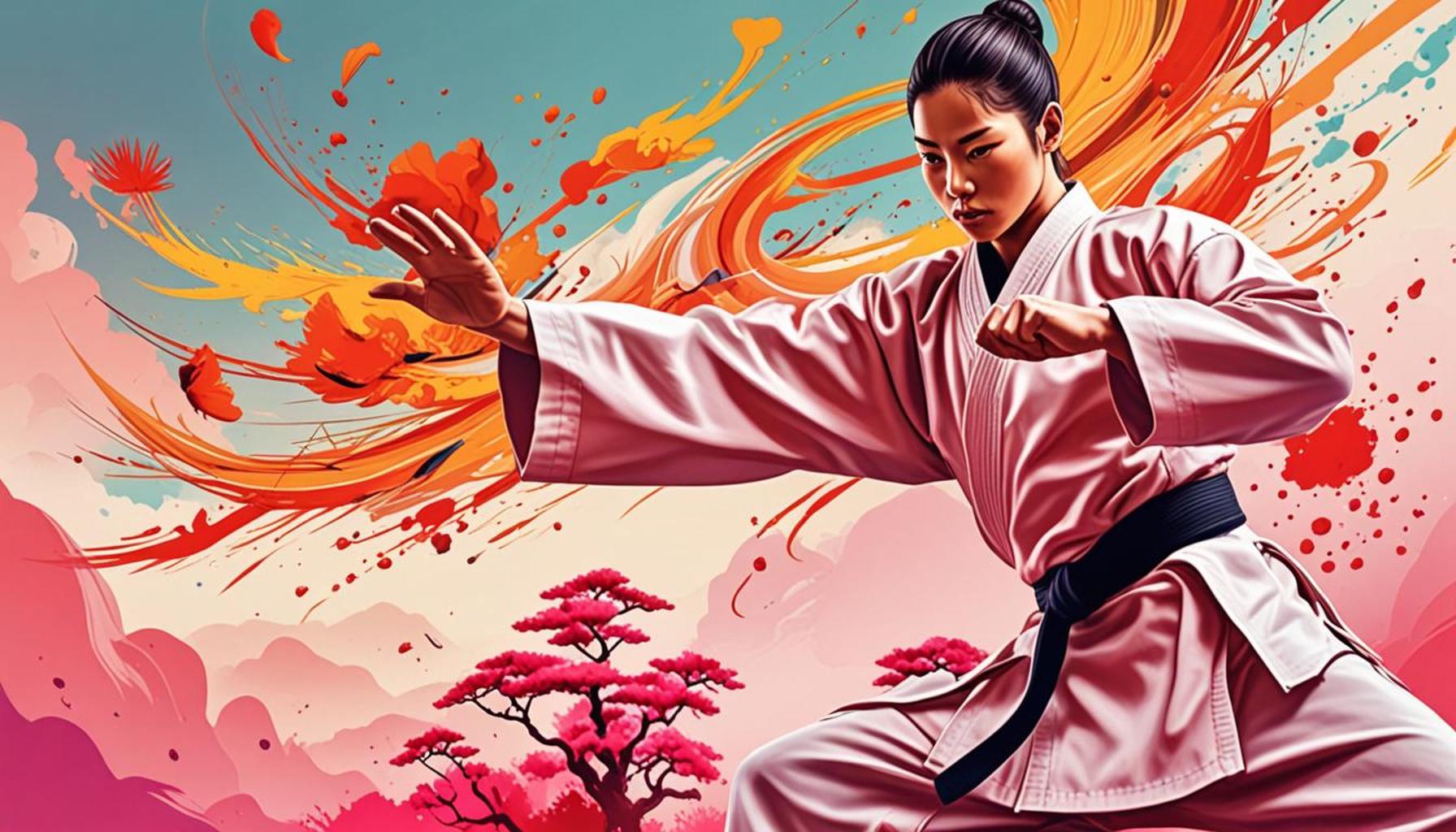
The Multifaceted Connection Between Martial Arts and Culture
Across the globe, martial arts have transcended the realm of physical combat, evolving into powerful expressions of cultural identity and artistic creativity. From the spirited moves of capoeira in Brazil to the disciplined forms of taekwondo in Korea, these practices weave together history and philosophy, offering a rich tapestry of expression. The significant cultural roots of these arts further elevate their importance, making them more than just forms of exercise or combat.
- Historical Roots: Each martial art carries its own story, reflecting the customs and struggles of its origin. For instance, the ancient Chinese art of kung fu not only emphasizes physical technique but also embodies concepts of harmony and balance, influenced by centuries of philosophical thought including Confucianism and Taoism. Similarly, Muay Thai, often referred to as the “Art of Eight Limbs,” expresses Thailand’s rich heritage through its traditional rituals and respect for ancient customs.
- Artistic Integration: Methods such as karate and kung fu have inspired martial artists and artists alike, influencing dance, theater, and film. Iconic movies like Bruce Lee’s “Enter the Dragon” and the modern “Crouching Tiger, Hidden Dragon” meld martial arts with cinematic artistry, showcasing intricate choreography that captivates audiences. This artistic portrayal has sparked an interest worldwide, introducing new practitioners and fans to the underlying philosophies.
- Modern Expression: Today, martial arts are depicted in various media—video games, movies, and even fashion—reshaping perceptions of culture and identity. The popular games like “Street Fighter”, “Tekken”, and “Mortal Kombat” not only offer entertainment but also introduce players to diverse martial traditions. Moreover, major fashion brands have started to incorporate martial arts themes into their collections, showcasing the blend of combat and couture.
The relationship between martial arts and cultural expression is not just about physical prowess; it also encompasses values, beliefs, and traditions. Many practitioners view martial arts as a lifelong journey, allowing them to connect with their heritage while expressing individual creativity. In the United States, dojos often foster community spirit, where students of different backgrounds come together to practice and learn the philosophy that underlies their chosen art. Furthermore, organizations that promote cultural exchanges often use martial arts as a medium for fostering understanding among diverse groups.
As we dive deeper into the connection between martial arts and cultural expression, we will uncover how these disciplines inform and enrich various forms of creative expression. From community engagement initiatives to global collaborations, the influence of martial arts is a multifaceted phenomenon worthy of exploration. By examining these intersections, we gain a greater appreciation for how martial arts shape identities and foster cultural dialogue, ultimately connecting people across the globe.
DISCOVER MORE: Click here to learn about new instruments and styles
Martial Arts as a Cultural Reflection
At its core, martial arts serve as a portal into the cultural philosophies and historical narratives of their respective regions. Every strike, stance, and kata embody lessons passed down through generations, reflecting not just fighting techniques but also the very essence of cultural values. For instance, in Japan, the kaizen philosophy – the practice of continuous improvement – is deeply ingrained in karate and judo. These disciplines teach practitioners not only how to defend themselves but also how to develop discipline, respect, and humility. The journey within martial arts resonates with the concept of growth, which is essential in Japanese culture.
In contrast, the spirited movements of capoeira, which evolved from the African cultures in Brazil, illustrate the resilience and communal spirit of enslaved people. The art form, a dance-like martial art, incorporates music and acrobatics, revealing a rich interplay between cultural expression and self-defense. Capoeira gatherings, known as roda, are vibrant events that emphasize community and collective identity, underscoring the importance of togetherness in both practice and performance.
The Role of Philosophy in Martial Arts
Beyond physical prowess, martial arts are heavily interlaced with philosophical principles that shape practices and identities. For example, tai chi practitioners often focus on the balance between yin and yang, promoting a holistic approach to health and well-being. This integration of philosophy within martial arts translates to broader societal influences, inviting discussions on ethics, mindfulness, and mental resilience—values that resonate significantly in contemporary America.
- Connection to Heritage: Many martial artists in the United States seek to reconnect with their ancestry through the practice of martial arts. Whether it’s the graceful movements of kempo or the rigorous training regimes of Brazilian jiu-jitsu, practitioners find a sense of identity and belonging within their chosen discipline.
- Cultural Events: The impact of martial arts extends into cultural celebrations and community events across the country. Tournaments, exhibitions, and demonstrations serve as fantastic opportunities for cultural exchange, allowing attendees to immerse themselves in the customs and traditions associated with different martial arts.
- Global Influence: Notably, martial arts have transcended geographical boundaries, influencing creative expression in all corners of the world. From choreographed fight scenes in Hollywood to street performances that showcase mixed martial arts, the global reach of these practices contributes to a diverse, ever-evolving narrative.
The exploration of martial arts as a medium for cultural expression requires an examination of these various influences, shedding light on the ways in which they inspire creativity, foster community, and bridge cultural gaps. As we delve deeper, we will discover more about how martial arts are intertwined with various forms of artistic expression, providing a richer understanding of their role in society and culture.
| Cultural Enrichment | Creative Expression |
|---|---|
| Global Appreciation | Artistic Influence |
| Martial arts have enhanced cultural dialogues, fostering understanding and respect among diverse cultures. | Through disciplines like Tai Chi and Capoeira, movements inspire choreography and visual arts, influencing artists worldwide. |
| Community Building | Innovation |
| Participating in martial arts events or workshops nurtures a sense of belonging and cultural exchange. | Martial arts inspire innovation in theaters and films, creating new storytelling methods. |
The impact of martial arts extends beyond physical training. They serve as a pivotal force in nurturing a rich tapestry of cultural and creative expressions. For instance, martial arts serve as a means of global appreciation that enriches cultural dialogues, allowing people from various backgrounds to share and learn from each other’s traditions. This mutual sharing promotes a deeper understanding and respect among cultures. In parallel, the artistic influence of these disciplines is evident in various creative forms. Choreographers often draw inspiration from martial arts movements, leading to innovative dance performances that captivate audiences around the globe. Distinct forms such as Tai Chi and Capoeira are rich in aesthetic beauty, reflecting their cultural origins through expressive movements. Moreover, martial arts encourage community building by bringing individuals together in workshops and exhibitions, fostering a robust sense of belonging and cultural exchange. This sense of community can lead to the formation of artistic collectives, where members collaborate and innovate, often leading to fresh perspectives in their respective creative fields.Furthermore, the influence of martial arts has transformed the way stories are told in modern theaters and cinema. The dramatic sequences inspired by martial techniques reinvent conventional narratives, pushing the boundaries of storytelling and performance art. Writer and filmmaker collaborations frequently intertwine martial prowess with profound themes, reflecting societal issues and personal journeys. The fusion of martial arts and creative expression thus opens up essential dialogues about identity, conflict, and resolution.
DIVE DEEPER: Click here to discover the magic of creative writing
Martial Arts in the Creative Arts
Martial arts extend their influence beyond the confines of the dojo and into various forms of creative expression, igniting inspiration across the visual arts, literature, dance, and film. The dexterity and discipline inherent in martial arts practice resonate with artists seeking to convey motion, strength, and emotion. Take, for instance, the renowned work of Kung Fu artist and filmmaker Bruce Lee, who not only popularized martial arts in Hollywood but also incorporated philosophical concepts from his training into screenwriting, creating narratives that reflect resilience and personal growth.
Visual Arts and Martial Expression
Visual artists often draw upon the movements and philosophies of martial arts to inform their creations. The fluidity of tai chi can serve as inspiration for paintings, sculptures, and installations that seek to capture motion and serenity. Artists such as Yoko Ono have infused martial arts elements into their work, utilizing the precision and meditative qualities of disciplines like aikido to explore deeper themes of connection and harmony. This synthesis allows for a unique dialogue between martial arts and the visual arts, enabling audiences to experience the intersection of physicality and creativity.
- Dance as Martial Expression: The integration of martial arts into dance is prominent in various cultural performances. Styles such as breaking, which emerged from hip-hop culture, incorporate moves influenced by martial arts techniques, establishing a conversation between art forms. Dance companies in cities across the United States often feature choreography that mirrors martial arts styles, creating visually striking performances that challenge conventional notions of movement.
- Literature and Storytelling: Literature also finds a rich source of narrative in martial arts traditions. Authors such as Gail Tsukiyama and James Clavell weave martial arts into their storytelling, exploring themes of honor, conflict, and personal evolution. Novels like Clavell’s “Shogun” serve as cultural bridgeways, educating audiences about the intricacies of samurai philosophy and the impact of martial arts on character development.
- Film and Television: The cinematic arena showcases martial arts as a powerful storytelling device. Films such as “Crouching Tiger, Hidden Dragon” and series like “Daredevil” employ martial arts not only as a means of combat but also as a narrative technique to symbolize internal struggles and triumphs. These films often highlight the aesthetics of martial arts, celebrating their cultural origins while appealing to a global audience through exhilarating choreography and stunning visuals.
The interconnections between martial arts and the arts provide an important reflection of society’s values and the quest for expression. Artists leverage martial arts practices to communicate complex themes, leading to an enriched dialogue that transcends cultural boundaries. Whether through the brush, the pen, or the lens, the influence of martial arts continues to shape cultural expression, inviting new narratives and perspectives in the arts.
EXPLORE MORE: Click here to unlock your creativity
Conclusion
The profound influence of martial arts on cultural and creative expression is a testament to its versatility and enduring appeal. From the sweeping movements of tai chi inspiring visual art to the intricate choreography in dance that bridges cultures, martial arts serve as a narrative tool that resonates on many levels. This intersection not only enhances artistic endeavors but also facilitates a deeper understanding of the human experience, highlighting themes of conflict, honor, and personal growth.
As we have explored, martial arts intersect with various forms of creative expression—whether through literature that enriches storytelling with cultural depth or films that incorporate breathtaking choreography to convey internal dilemmas. Works by authors like Gail Tsukiyama and cinematic adaptations of martial arts traditions invite audiences into a holistic appreciation of these practices, transcending mere physicality and engaging with the spiritual and philosophical tenets behind them.
Looking forward, it is clear that martial arts will continue to impact the arts, inspiring fresh narratives and innovative forms of creativity. Artists across disciplines can find a wealth of inspiration in the precision, discipline, and philosophy that martial arts embody. This evolving relationship between martial arts and creative expression encourages not just admiration for these ancient practices but fosters a dynamic dialogue that enriches cultures globally. Thus, the exploration of martial arts as a vehicle for cultural expression remains fertile ground for future innovators, ensuring a lasting legacy that invites ongoing discovery and interpretation.
Related posts:
Exploring the Art of Textiles: Cultural Traditions and Creative Innovation
Explore Folk Art Connect with Cultural Roots Through Creative Hobbies
The Role of Documentary Photography in the Preservation and Exploration of Local Cultures
The Impact of Cultural Festivals on Creativity and Community
Exploring Ceramics as a Form of Cultural and Creative Expression
The Intersection of Technology and Traditional Arts in Cultural Exploration
Linda Carter is a writer and creative hobbies expert specializing in crafting, DIY projects, and artistic exploration. With extensive experience helping individuals discover their creative potential and bring their ideas to life, Linda shares her knowledge on our platform. Her goal is to empower readers with practical tips, inspiring ideas, and step-by-step strategies for success in the world of creative hobbies.