The Influence of Ethnic Fashion on Contemporary Creativity
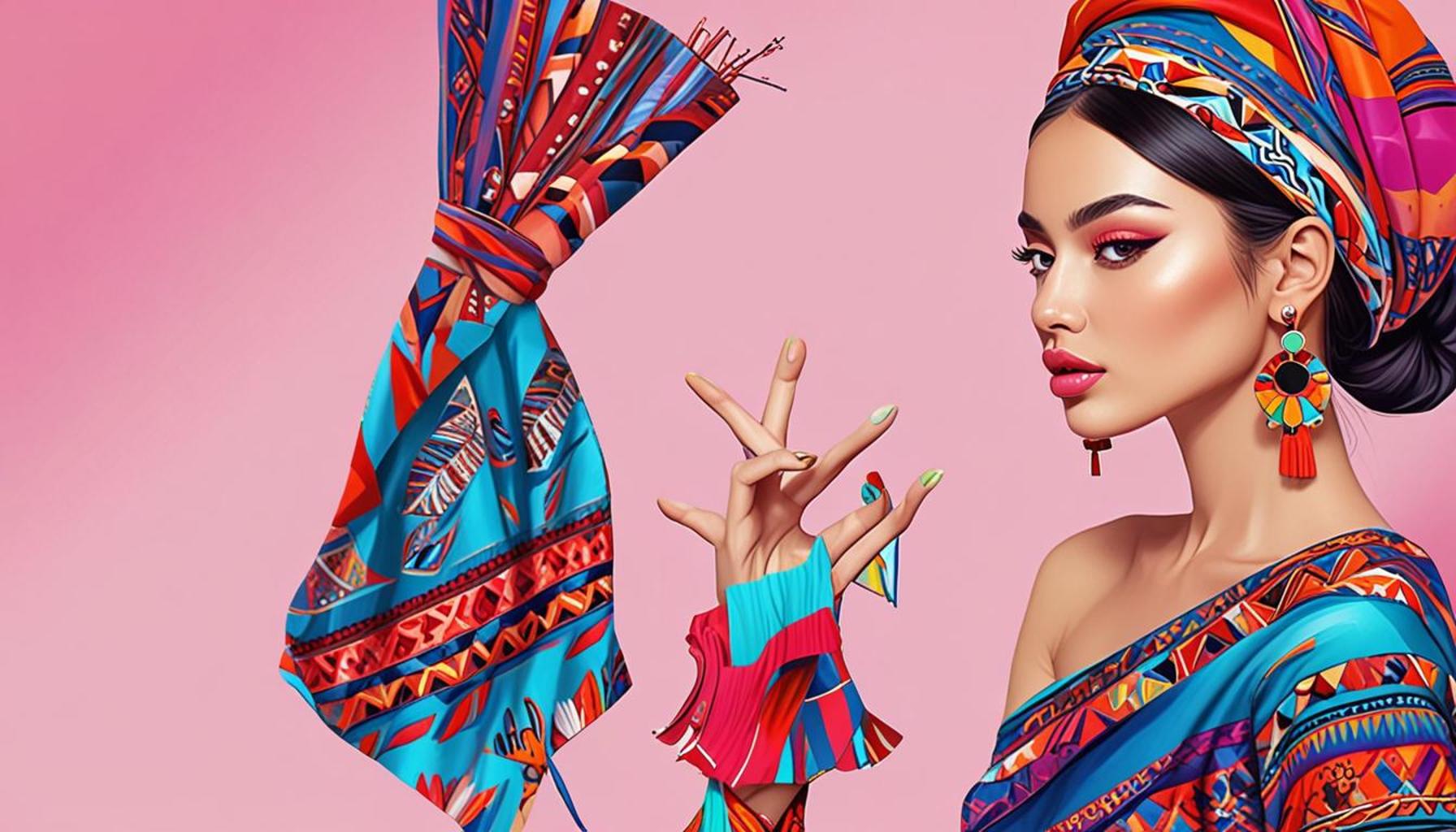
The Intricacies of Ethnic Fashion in Today’s Artistry
Ethnic fashion represents a vibrant tapestry that fuses the rich traditions and histories of various cultures into contemporary design. In our increasingly interconnected world, the influences of these diverse backgrounds are transforming modern creativity, yielding results that are both compelling and reflective of societal changes. This integration goes far beyond mere style—it encapsulates a vision of artistic expression, cultural dialogue, and innovative practices in sustainability.
The artistic expression within ethnic fashion showcases designers who merge traditional patterns with cutting-edge aesthetics, resulting in unique and compelling pieces. For example, consider the work of Ralph Lauren, who has drawn inspiration from Native American textiles, incorporating intricate beadwork and geometric patterns into his high-end collections. Such designs not only celebrate cultural heritage but also captivate a broader audience with their visual appeal.
Equally significant is the role of cultural conversations facilitated by fashion, which serves as a crucial platform for discussing themes of heritage, identity, and representation. Designers and influencers from diverse backgrounds bring their narratives to the forefront, encouraging dialogues that resonate with the complexities of modern society. American designers like Christian Siriano and Kimora Lee Simmons weave their personal and cultural experiences into their collections, making a statement that transcends the clothing itself.
Furthermore, the appropriation of ethnic elements often prompts a necessary examination of innovation in textiles and materials. Many contemporary designers are committed to sustainability, sourcing indigenous fabrics and employing traditional crafting techniques. The use of handmade textiles from regions such as West Africa not only supports local economies but also enriches the fashion landscape with authentic textures and patterns that speak to their origins. Brands like Stella McCartney promote eco-fashion by emphasizing ethical production methods that respect both the environment and cultural practices.
Figures such as Rihanna and Naomi Osaka exemplify the powerful intersection of culture and fashion, embracing their roots and amplifying voices from their communities. Their influential styles help highlight the importance of representation in mainstream fashion, while simultaneously inspiring a new generation of designers and artists to explore their cultural heritages.
As we further examine specific case studies and artistic movements within ethnic fashion, we begin to uncover layers of significance that extend beyond surface-level aesthetics. Understanding the rich narratives embedded in these designs prompts a broader appreciation for cultural diversity and encourages ongoing exploration of what it means to be part of a global community through the lens of creativity.
DISCOVER MORE: Click here to delve deeper
Bridging Cultures Through Design
The influence of ethnic fashion on contemporary creativity is not merely about adopting styles, but rather about forming a dialogue that enriches the fabric of modern artistic expression. By embracing diverse cultural aesthetics, designers are able to narrate stories that provoke thought, stimulate imagination, and challenge societal norms. The result is an art form that is inherently dynamic, compelling viewers to engage on multiple levels.
One of the most profound impacts of ethnic fashion can be observed in the blending of global textiles and motifs. This convergence often results in a striking juxtaposition of tradition and modernity. For instance, the Japanese kimono has made significant inroads into Western fashion, reinvented through various silhouettes and fabric treatments. The fusion of its intricate patterns with contemporary cuts has allowed pieces to exist as functional clothing while simultaneously preserving their cultural essence.
- Cross-Cultural Collaborations: Many fashion brands are forming collaborations that merge the expertise of artisans from various cultures with the innovative minds of contemporary designers. This synthesis creates products that are steeped in heritage, while being relevant to modern consumer habits.
- Textile Innovation: The way ethnic fashion pushes the boundaries of textile technology cannot be understated. The adaptation of traditional textiles, such as the handwoven fabrics from Guatemala or the vibrant batiks of Indonesia, is experiencing a revival, elevating them within mainstream markets.
- Sustainable Practices: A shift towards sustainability in fashion is heavily influenced by ethnic practices. Many designers are looking back to indigenous methods of craftsmanship that respect the land and its resources, effectively championing eco-friendly initiatives in an industry that historically has faced scrutiny for its environmental impact.
Additionally, the distinct patterns and colors found in ethnic fashion can evoke emotional responses that connect consumers to the deeper narratives behind each piece. This aspect has become more prominent in contemporary collections, where storytelling is woven into the DNA of a brand. Designers like Elie Saab have utilized Middle Eastern embroidery and silhouettes, not just as visual elements, but as a means of expressing cultural pride and identity. Such connections can imbue clothing with a sense of purpose and heritage.
The exploration of ethnic fashion also raises pivotal discussions about representation and inclusivity within the industry. The visibility of Black designers like Virgil Abloh and Asian-American creators such as Prabal Gurung has illuminated the importance of varied voices in fashion. These designers pave the way for others by showcasing their unique heritages and perspectives. Their contributions have encouraged industry stakeholders to rethink design processes and consumer interactions, fostering a more inclusive environment that values diversity.
As we delve deeper into the specifics of ethnic fashion’s impact on contemporary creativity, we will uncover how this amalgamation of cultures leads to innovation, understanding, and artistic growth. The intersection of these influences not only enriches the fashion world but shapes the potential for greater cultural empathy across the globe.
| Cultural Inspiration | Design Diversity |
|---|---|
| Fusion of Traditions | Varied Aesthetics |
| Ethnic fashion draws upon a rich tapestry of cultural heritage, inspiring contemporary designers to incorporate traditional motifs, patterns, and materials into modern aesthetics. | This melding of styles leads to a vibrant and varied design landscape, encouraging innovation and the exploration of new sartorial expressions. |
| Sustainability | Eco-friendly Practices |
| Many ethnic fashion pieces emphasize sustainable practices, highlighting a return to traditional craftsmanship that respects the environment. | Embracing local artisans and ancient techniques promotes not only sustainability but a profound connection to cultural identities. |
The exploration of ethnic fashion’s impact on contemporary creativity showcases a fascinating interplay between cultural elements and modern design. By drawing inspiration from diverse traditions, designers not only create unique collections but also foster an appreciation for the artistic practices of various cultures. This rich dialogue propels the fashion industry towards a future that celebrates diversity while promoting responsible and environmentally conscious practices.
DISCOVER MORE: Click here to learn how creative hobbies can boost your emotional and social skills
Redefining Fashion Narratives
As ethnic fashion continues to intertwine with contemporary creativity, a notable shift occurs in the narratives that brands construct around their collections. Once limited to simple aesthetics, fashion now serves as a powerful vehicle for cultural commentary and social awareness. Designers are increasingly challenging the stereotypes associated with traditional garments by presenting them in a manner that resonates with modern aesthetics and values.
In the realm of advertisement and branding, the representation of ethnic fashion plays a pivotal role. By showcasing diverse models and cultural ambassadors, brands such as Nike and Chanel are making significant strides towards inclusivity. Campaigns that celebrate various heritages highlight the multifaceted beauty of ethnic identities. This not only attracts a wider clientele but also sends a message of solidarity, encouraging consumers to embrace the richness of cultural diversity.
- Fashion Activism: The rise of fashion activism has been significantly influenced by ethnic fashion. Designers are leveraging their platforms to advocate for social justice and equality. Collections that draw inspiration from marginalized communities serve as a voice for their struggles and triumphs, prompting discussions on broader societal issues.
- Digital Platforms: The evolution of e-commerce and social media has enabled ethnic designers to reach audiences previously thought inaccessible. Activities on platforms like Instagram and TikTok allow for storytelling through visuals, where garments adorned with traditional prints can be showcased in contemporary settings, thereby shifting perceptions about cultural dress.
- Seasonal Collections: Major fashion weeks across cities such as New York, Paris, and Milan now feature designers who incorporate ethnic motifs and styles into their seasonal collections. This elevation of ethnic aesthetics within renowned platforms signifies a growing recognition of the contribution that global influences have on the mainstream fashion narrative.
Furthermore, the sustainability movement is gaining traction, particularly among brands that prioritize ethical production methods inspired by indigenous practices. Many contemporary fashion lines are taking cues from community-based artisans who employ age-old techniques, ensuring that their heritage lives on while also addressing environmental concerns. The rise of brands like Reformation illustrates how innovative approaches can both respect cultural traditions and meet modern consumers’ demands for eco-conscious fashion.
Artistic expressions through ethnic fashion have also paved the way for collaborations with other creative spheres such as visual arts and music. Artists and musicians are increasingly donning outfits that embody their cultural heritage, creating a visually captivating experience that simultaneously promotes cultural pride. Events like the Met Gala have become a stage for such displays, where fashion becomes a testament to artistic ingenuity, celebrating diversity through elevated design.
Ultimately, the convergence of ethnic fashion and contemporary creativity underscores a vital transformation in how society perceives attire. It stands as a reminder of the importance of context in fashion, with each piece telling a story that reflects not only personal identity but also a broader cultural narrative. This ever-evolving relationship promises an exciting future for both designers and consumers, inviting them to explore the significance behind every stitch and pattern.
EXPLORE MORE: Click here for daily inspiration
Embracing a Global Tapestry
In conclusion, the interplay between ethnic fashion and contemporary creativity represents a remarkable evolution in the world of fashion, one that transcends mere style and aesthetics. As designers embrace cultural narratives, they are unlocking a treasure trove of inspiration that enriches the fabric of modern attire. This transformative journey highlights the significance of cultural representation and storytelling, allowing fashion to assert itself as an agent for social change and empowerment.
The growing visibility of ethnic fashion within mainstream narratives not only amplifies the voices of marginalized communities but also fosters a greater appreciation for the diverse tapestry of global cultures. This newfound affinity encourages designers and consumers alike to engage with the deeper meanings embedded in patterns, colors, and fabrics, inviting a more holistic understanding of personal identity and heritage.
As the fashion industry continues to acknowledge the influence of ethnic styles, it becomes evident that the future is bright and bold. Emerging artists and established brands alike are able to lean into their cultural roots while pushing boundaries, ultimately redefining the parameters of creativity. The marriage of tradition with modernity is not just a trend; it is a promise of a richer, more inclusive, and sustainable vision for the future of fashion.
As consumers, we are encouraged to delve deeper, discover, and appreciate the stories woven into every garment that crosses our path. This exploration beckons us to not only embrace individual differences but also to forge connections that celebrate our shared humanity through the universal language of fashion.
Related posts:
Culinary as a Hobby: Discovering Flavors and Stories Around the World
The Intersection of Technology and Traditional Arts in Cultural Exploration
Exploring the Art of Textiles: Cultural Traditions and Creative Innovation
Exploring Ceramics as a Form of Cultural and Creative Expression
The Role of Literature in Exploring and Valuing Diverse Cultures
The Role of Documentary Photography in the Preservation and Exploration of Local Cultures

Linda Carter is a writer and creative hobbies expert specializing in crafting, DIY projects, and artistic exploration. With extensive experience helping individuals discover their creative potential and bring their ideas to life, Linda shares her knowledge on our platform. Her goal is to empower readers with practical tips, inspiring ideas, and step-by-step strategies for success in the world of creative hobbies.