The Influence of Dreams on Artistic Creation: Exploring the Unconscious as a Source of Inspiration
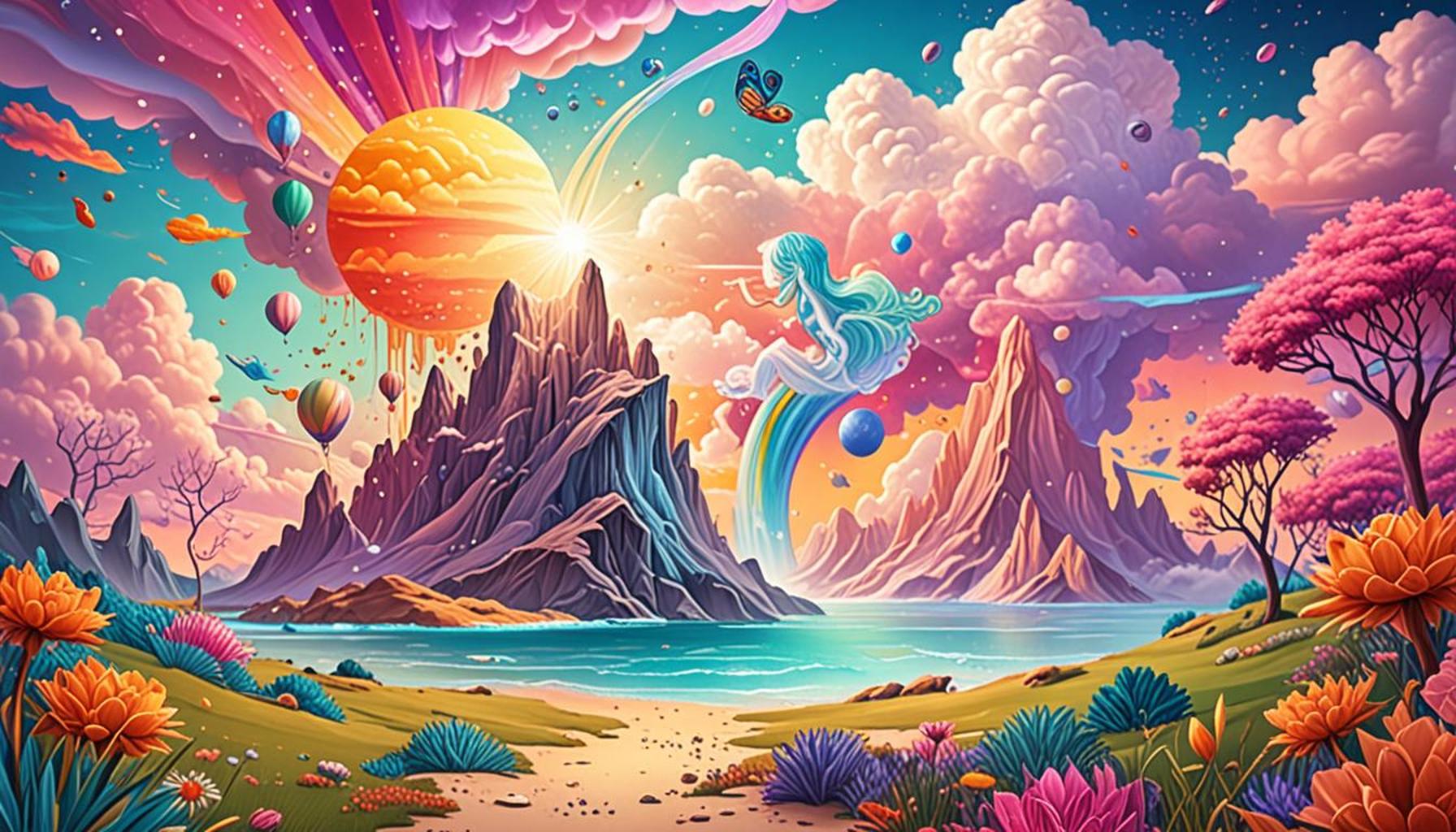
The Mystique of Dreams in Artistic Creation
Throughout history, artists have turned to their dreams as a vital source of inspiration. These nighttime visions often reveal hidden emotions, vivid imagery, and unique narratives that transcend the confines of everyday experiences. But how exactly do dreams shape artistic creation? The interplay of the unconscious mind and artistic expression offers a fascinating glimpse into the depths of human creativity.
Consider the following aspects:
- Imagination: Dreams create a landscape where the impossible becomes possible, fueling an artist’s creativity. For instance, in dreams, the laws of reality often bend, allowing artists to explore fantastical scenarios that would be deemed implausible during waking hours. This liberating environment encourages experimentation and innovation, enabling artists to conceptualize works that challenge conventional boundaries. Think about the surrealist movement, with its dreamlike scenes; artists like Rene Magritte and Max Ernst vividly illustrated how dream imagery can disrupt reality, leading viewers to question their perceptions.
- Symbolism: Many artists harness the rich and often abstract symbols from their dreams, translating them into visual or written forms. These symbols can serve as powerful metaphors, offering insights that resonate on multiple levels. For example, Gustav Klimt frequently incorporated dream-like symbols in his ornate paintings, where golden patterns and ethereal figures merge, inviting viewers to delve into the subconscious. The use of these symbols can transcend cultural boundaries, as they often tap into universal emotions and human experiences.
- Emotional Depth: Dreams can tap into profound feelings that may be overlooked in waking life, allowing for deeper expression. This emotional richness has been pivotal for many writers and artists seeking to convey the complexities of human experience. The poet William Blake famously integrated dream imagery into his work, evoking strong emotions through the juxtaposition of the tangible and the fantastical. His explorations of love, conflict, and spirituality often hint at the subconscious narratives we carry within.
Famous figures in the art world have openly credited their unconscious minds for breakthroughs. For instance, Salvador Dalí employed a technique called “ogling,” where he would intentionally fall asleep to capture dreams just as they began to unfold. This method allowed him to bring dream imagery to life, visible in works like The Persistence of Memory, where melting clocks challenge the concept of time. Similarly, Frida Kahlo painted haunting images inspired by her own dreamlike experiences, often interweaving personal pain with surreal elements. Her murals, like The Two Fridas, articulate a vivid emotional narrative, inviting audiences into her conflicted psyche.
As we delve deeper into the role of dreams in artistic expression, it’s essential to acknowledge the profound history that intertwines these realms. From painters to writers, the impact of dreams is both profound and intriguing, leading us to ponder the boundaries of creativity. The exploration of dreams in art continues to spark curiosity and questions, encouraging a deeper understanding of how the unconscious can inform our experiences and interpretations of art.
EXPLORE MORE: Click here for inspiration from everyday activities
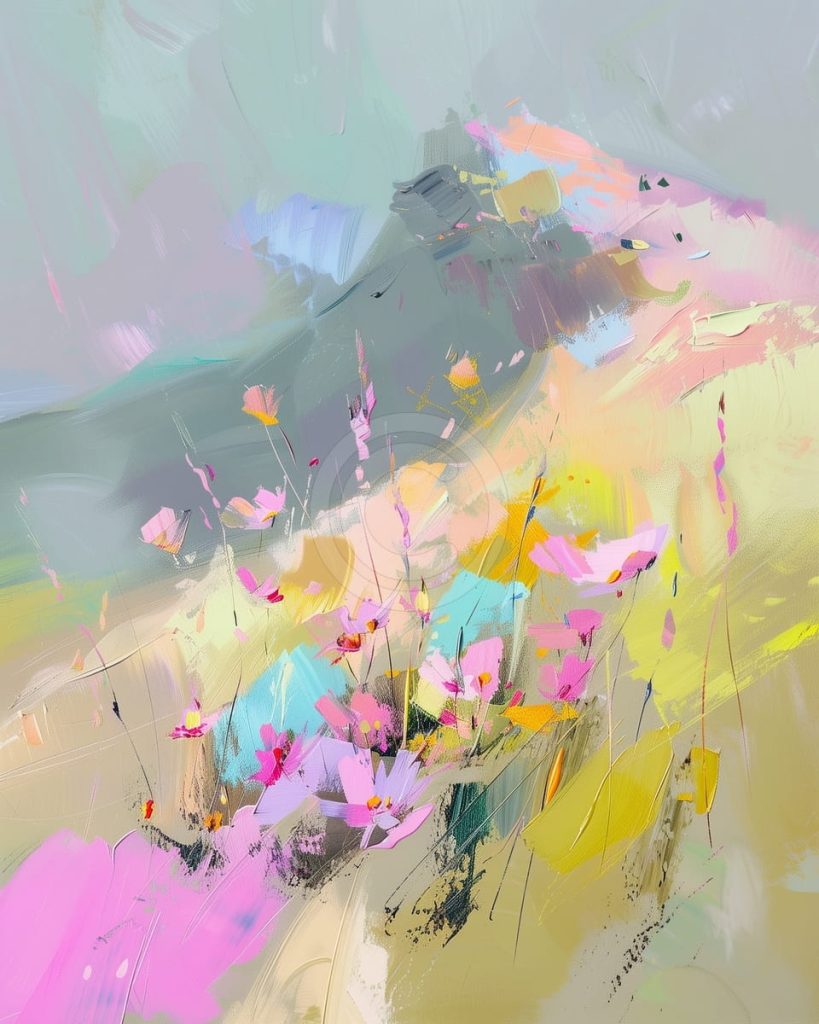
Unlocking the Unconscious: The Impact of Dreams on Artistic Expression
The connection between dreams and artistic creation is not merely a passing fascination; it is a profound testament to the power of the unconscious mind. Artists across cultures and ages have recognized that dreams serve as a creative reservoir, providing a wealth of ideas and emotions that might remain hidden during waking life. As we explore this dynamic relationship, several key themes emerge that illuminate how dreams influence artistic expression.
- Surrealism and Beyond: The surrealist movement of the early 20th century is perhaps the most notable example of how dreams can inform artistic practice. Pioneers such as André Breton and Salvador Dalí sought to tap directly into the subconscious, recognizing that dreams could be a pathway to deeper truths. Dalí’s famous quote, “The only difference between me and a madman is that I am not mad,” encapsulates the willingness of these artists to embrace irrationality and chaos as part of their creative process. This embrace of the bizarre allows for the emergence of artworks that challenge reality, revealing the complexities of human emotion and thought.
- Dream Analysis: Psychologists and thinkers like Sigmund Freud have extensively studied the nature of dreams, positing that they reveal our innermost desires and conflicts. Artists, consciously or unconsciously, embody this exploration of the psyche. By integrating these analyzed emotions and conflicts into their work, they create art that resonates with viewers on a subconscious level. For example, Edward Munch’s poignant work, “The Scream,” can be seen as a visual manifestation of existential dread—an emotion that speaks to many, derived from the depths of his own inner turmoil.
- Creative Techniques: Beyond simply interpreting dreams, many artists employ specific techniques to harness their dreams in their creations. Anne Rice, the acclaimed author of “Interview with the Vampire,” often drew inspiration from her dreams, using them as a catalyst for her storytelling. Creative practices, such as keeping a dream journal, allow individuals to capture fleeting images and narratives that later evolve into artistic endeavors. This not only preserves the ephemeral nature of dreams but also cultivates a deeper connection to the artistic self.
As we continue to examine the influence of dreams on artistic creation, it is crucial to recognize the diverse range of artists who have navigated this landscape. From the dreamy watercolors of Claude Monet to the haunting illustrations of Yayoi Kusama, each artist’s use of dreams reflects their unique interpretation of reality and the subconscious. By understanding these influences, we gain insight into the larger narrative that dreams weave through the tapestry of creativity, highlighting their potential as a rich source of inspiration for artists across various mediums.
The Role of Dreams in Artistic Innovation
Artistic creation often finds its roots in the murky depths of the unconscious, with dreams serving as a pivotal source for innovation and creativity. Throughout history, illustrious artists and thinkers have been captivated by the surreal nature of dreams, cherishing them as a fertile ground for their imagination. For instance, painters like Salvador Dalí intricately wove elements from his dreams into his works, showcasing bizarre and fantastical scenarios that challenge the ordinary perceptions of reality. Dali famously sought to capture the essence of dreams through his “Paranoiac-Critical” method, blurring the lines between reality and the surreal.Moreover, writers like Stephen King have admitted to drawing inspiration from their dreams to create chilling narratives that resonate with fear and intrigue. The ability to tap into subconscious thoughts offers a unique perspective that fuels innovation in storytelling and world-building. This profound connection between dreams and creativity beckons further exploration, inviting individuals to consider how their own dreams may harbor transformative ideas.Challenging the confines of logic and rationality, dreams provide a playground for the mind, enabling artists to explore themes that may otherwise remain hidden. With the unconscious unfetters the innate creativity within, countless dream interpreters argue that delving into one’s dream life can lead to deeper insights and artistic breakthroughs. This fascinating connection between the subconscious and artistic expression begs the question: how can one nurture their dreams for enhanced creativity?Including a comprehensive understanding of the themes arising from our nightly reveries could be integral to unlocking greater artistic potential. As an exploration of this relationship grows, so too does the acknowledgment of the profound effects dreams may have on the artistic process.
| Dreams as Inspiration | Artistic Benefits |
|---|---|
| Unlocking Creativity | Dreams often showcase unfiltered ideas that can inspire original work or unique styles. |
| Exploration of Emotions | Art inspired by dreams encourages exploration of feelings and experiences, fostering empathy in audiences. |
In summary, the exploration of dreams as a source of artistic inspiration reveals an intriguing interplay between imagination and the unconscious mind, prompting artists to tap into their inner worlds for greater creative expression. This dynamic connection serves as a reminder of the power dreams hold and their capacity to shape artistic narratives and identity.
EXPLORE MORE: Click here to uncover the art in your everyday life
Dreamscapes: The Role of Dreams in Diverse Artistic Mediums
The influence of dreams on artistic creation extends beyond canvas and paper, permeating various mediums including literature, music, and film. Each art form finds unique ways to translate the enigmatic language of dreams into visceral experiences that captivate audiences. Understanding how different artists leverage dreams offers a richer perspective on creativity and the tumultuous journey within the subconscious.
- Literary Inspiration: In literature, authors have long drawn upon their dreams to create narratives that captivate and challenge the reader’s perception of reality. F. Scott Fitzgerald, the famed American novelist, famously claimed that his writing was influenced by the wild and vivid dreams he experienced. His iconic work “The Great Gatsby” encapsulates the elusive nature of the American dream—an idea that may have stemmed from the surreal and often contradictory imagery of his dream life. By pulling elements from their dream experiences, writers are able to construct complex narratives that often touch on broader themes of identity, desire, and loss.
- Musical Compositions: Music, too, serves as a realm where dreams can take center stage. Composers like Claude Debussy and John Lennon have cited dreams as sources of inspiration behind their most celebrated works. Debussy’s “Clair de Lune,” with its ethereal themes, evokes a sense of dreamlike quality that transports listeners into a tranquil world. Meanwhile, Lennon’s “Across the Universe” was inspired by a dream, reflecting the mystical and contemplative nature of the subconscious mind. Musicians harness the emotive power of dreams to create soundscapes that resonate deeply with their audience’s own experiences and feelings.
- Visually Captured Dreams: In the world of cinema, directors such as David Lynch have mastered the art of infusing dream logic into their storytelling. Known for his surreal narrative style, Lynch utilizes non-linear plots and imagery that mirror the fluid nature of dreams. Films like “Mulholland Drive” showcase a blurred distinction between reality and fantasy, leaving viewers questioning their own perceptions. Lynch has openly embraced the influence of dreams in his creative process, illustrating how visual storytelling can effectively convey the complexity of the mind and its inherent mysteries.
Beyond individual works, the collective exploration of dreams within various art movements has widely influenced culture. The Dreamtime of Indigenous Australian art incorporates ancestral and dream imagery, showcasing how deep-rooted cultural narratives intersect with the subconscious. This artistic practice expands the dialogue around dreams, pushing the notion that they are not just personal reflections but communal experiences that bind societies and generations together.
The diversity of dream-inspired art demonstrates the profound impact that our inner worlds have on creativity. As artists continue to navigate and interpret their dreamscapes, the boundaries of imagination are endlessly expanded, inviting audiences into realms filled with beauty, chaos, and raw emotion. Delving deeper into these relationships allows us to appreciate the intricate connections between the unconscious and artistic endeavors, opening pathways for new inspirations and investigations into the human psyche.
DISCOVER MORE: Click here to learn about how creative hobbies can boost your skills
Conclusion: Dreams as a Pathway to Creativity
The intricate relationship between dreams and artistic creation underscores the importance of the unconscious mind as a wellspring of inspiration. As we have explored, artists from diverse fields—whether through vivid storytelling in literature, emotive melodies in music, or thought-provoking visual narratives in film—have continually turned to their dreams to fuel their creativity. The narratives born from subconscious wanderings do not merely serve as an escape from reality; instead, they highlight the rich tapestry of human experience and emotion, offering insights into our existential questions, deepest fears, and unfulfilled desires.
Moreover, the collective resonance of dreams across cultures signifies that they are not solely individual occurrences but also shared experiences that connect us as human beings. The Dreamtime in Indigenous Australian art stands as a poignant reminder of how dreams can draw communities together, creating a common fabric of understanding and heritage.
As we reflect on the profound impact of dreams on artistic expression, it becomes increasingly clear that exploring this dimension of creativity can lead to a greater understanding of the human psyche. Each work inspired by dreams is an invitation to delve deeper into the enigmatic landscape of our minds, encouraging audiences to embrace the chaos, beauty, and transformative power inherent in our unconscious. As we continue to unravel the mysteries of dreams, let us open ourselves to the potential they hold for new artistic endeavors and insights, fostering a culture that values and explores the vivid frontier of the imagination.
Related posts:
The Interaction between Art and Fashion: How Designers Find Inspiration in Visual Arts
The Role of Public Space in Stimulating Artistic Creativity: Urban Interventions and Their Influence
Discover Everyday Art Finding Inspiration in Daily Activities
The Role of Music in Stimulating Artistic Creativity: An Interdisciplinary Analysis
Art as a Response to Crises: How Historical and Social Events Inspire Artistic Movements
The Intersection of Music and Painting: Exploring How Sounds Can Stimulate Artistic Creation
Linda Carter is a writer and creative hobbies expert specializing in crafting, DIY projects, and artistic exploration. With extensive experience helping individuals discover their creative potential and bring their ideas to life, Linda shares her knowledge on our platform. Her goal is to empower readers with practical tips, inspiring ideas, and step-by-step strategies for success in the world of creative hobbies.