The Influence of Cultural Traditions on the Creation of Folk Art
The Role of Folk Art in American Cultural Identity
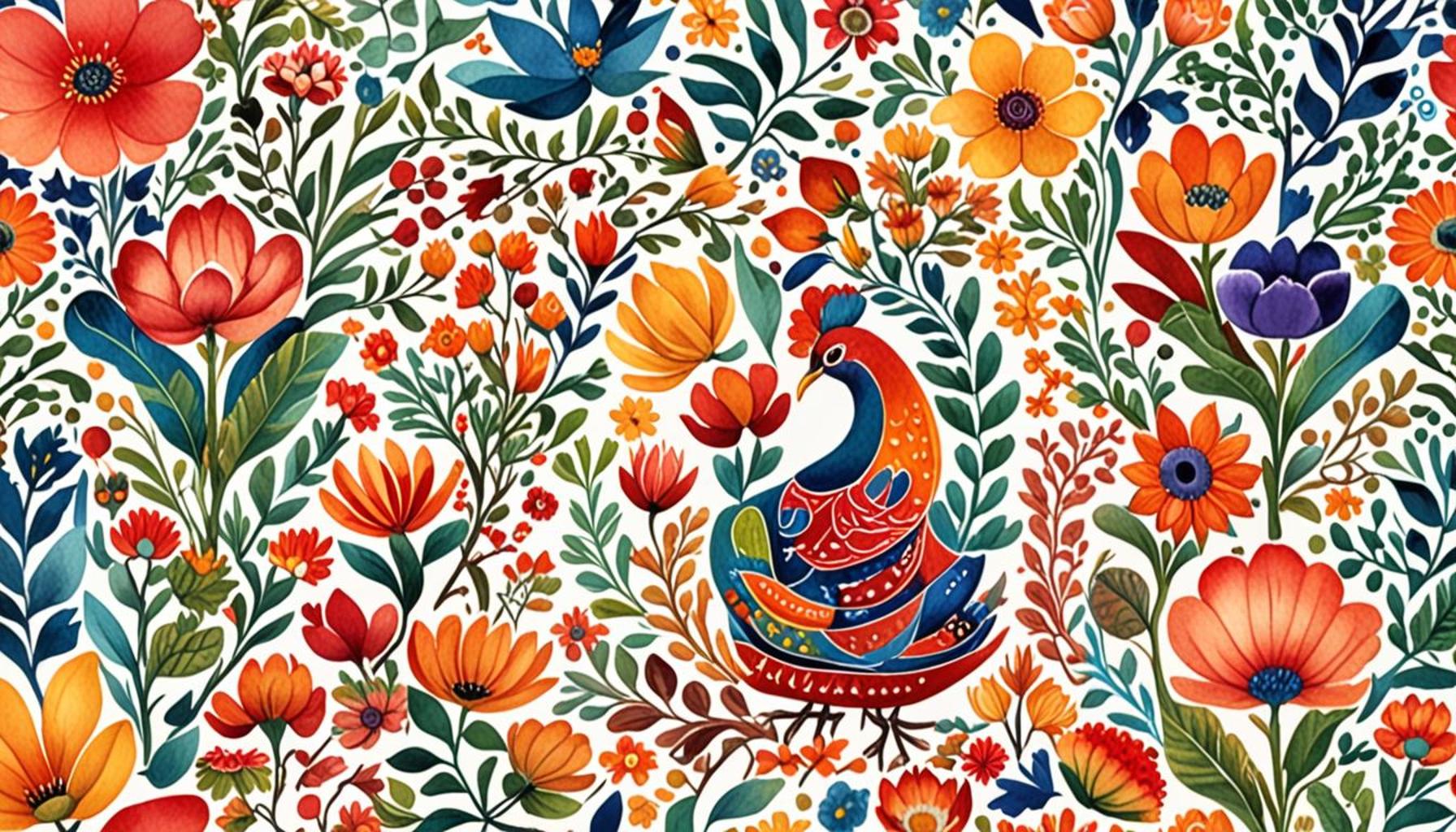
Folk art in the United States serves as a unique reflection of the cultural heritage of its diverse population. This visual form not only captures the artistic talent of various communities but also encapsulates their traditions, values, and historical experiences. The vibrant expressions found within folk art can be seen as a narrative canvas, where pieces are adorned with the stories and identities of the creators.
Regional Patterns and Their Significance
Artisans often draw upon the specific characteristics of their surroundings when creating folk art. The regional patterns frequently highlight local flora and fauna, integrating elements that are familiar to the community. For example, the use of sunflowers and prairie grasses in the textile arts of the Midwestern states reflects the agricultural heritage and natural beauty of the region. Similarly, coastal communities might feature motifs inspired by marine life, such as fish or shells, as seen in the intricate carvings of shellfish by artisans in New England.
The Influence of Historical Context
The historical context surrounding folk art is equally significant. Historical events such as migration, conflict, and local or national celebrations contribute to the themes and forms used in folk artistry. For instance, the Great Migration led to a blossoming of African American folk art in northern cities, where artists created powerful pieces that spoke to their experiences of resilience and community. Art institutions and events, like the annual National Folk Festival, celebrate these cultural narratives by showcasing art from various communities across the country.
Material Availability and Artistic Technique
Another pivotal factor that shapes folk art is the availability of materials. Local resources often dictate the methods and techniques used by folk artists. In areas rich in clay, such as the Southwest, artists have perfected the art of pottery, creating functional and decorative pieces that reflect indigenous traditions. Notably, the Pueblo peoples produce intricate pottery decorated with traditional patterns that tell their stories and preserve their cultural heritage. Conversely, in the Appalachian region, quilters utilize scrap fabrics, transforming what might be considered remnants into beautiful art that signifies familial ties and shared histories.
As we continue to explore the interplay between cultural traditions and folk art, we unveil a complex tapestry that reveals the stories behind each creation. The artistic expressions found in these forms go beyond mere decoration; they serve as vital links to identity, history, and community. By appreciating the intricacies of folk art, we deepen our understanding of the varied narratives that shape the cultural landscape of the United States. This exploration urges us to delve further into how such artistic endeavors reflect not only the past but continue to influence the contemporary dialogue surrounding identity and creativity in America.
EXPLORE MORE: Click here to dive deeper
Connecting Cultural Traditions to Artistic Expression
Folk art is not merely a reflection of creativity; it embodies the cultural traditions that shape communities and identities. Across the United States, regional differences merge with historical backgrounds to influence the motifs, techniques, and materials that artisans select. Understanding these connections enhances the appreciation of folk art as a vital component of cultural heritage.
Cultural Narratives Embedded in Folk Art
Cultural traditions contribute rich narratives to folk art, serving as a lens through which we can view the historical and social context of a community. Each piece often tells a story that resonates with its audience, encompassing themes such as family, spirituality, and community history. There is a wealth of tradition tied to specific art forms:
- Native American beadwork, which is rooted in ancestral practices and signifies both artistic expression and spiritual beliefs.
- Mexican papel picado, intricately cut paper banners used in celebrations, illustrating cultural festivals and communal events.
- Appalachian folk music, often represented in visual art forms such as wood carvings that tell the tales of the region’s tough, yet resilient spirit.
Consequently, each artistic choice reflects not just personal preference but a collective identity shaped by generations. These stories are essential in preserving the continuous interplay between art and culture, as they provide insights into the daily lives and histories of people.
Religious and Spiritual Influences
In the realm of folk art, religious and spiritual influences are deeply woven into the fabric of creativity. Many artisans draw inspiration from their faith, transforming their beliefs into visual representations. The prominence of religious themes can be observed in various folk art forms:
- Saints and icons in Latinx communities, often depicted in brightly colored retablos that serve as both decorative and devotional items.
- Visionary art practices, where artists channel spiritual experiences into their work, found prominently in the outsider art movement.
- Prayer quilts, made by communities seeking to offer comfort and support during difficult times, blending craftsmanship with collective spiritual intent.
These spiritual expressions can articulate the struggles, hopes, and dreams of a community, uniting individuals through shared beliefs and experiences. Such influences amplify the sense of belonging and community identity, fostering a rich tapestry of expressive potential.
A Medium for Social Commentary
Beyond mere aesthetic value, folk art often acts as a medium for social commentary, reflecting societal issues and cultural shifts. Artists harness their craft to provide critical insights into their surroundings, sparking conversations about topics such as inequality, environmental concerns, and cultural preservation. For instance, contemporary African American artists utilize the rich tradition of quilting to address social justice, crafting pieces that resonate with the Black Lives Matter movement and other civil rights initiatives.
As we delve further into the various layers of cultural engagement present in folk art, it becomes abundantly clear that these creations transcend simple decoration. They stem from a deep-rooted connection to cultural traditions, embodying the ethos of communities and providing a vital commentary on the ever-evolving narrative of American identity.
The Influence of Cultural Traditions on the Creation of Folk Art
The intersection of cultural traditions and folk art is a profound area that reflects the identity of communities and their historical narratives. Folk art serves as a visual representation of a culture’s beliefs, practices, and social values, allowing artists to convey messages that go beyond mere aesthetics. This intricate relationship is not only essential in preserving cultural heritage but also fosters a sense of community and belonging among its members.
One of the significant aspects of this influence is the way traditional techniques and materials are utilized in folk art. For instance, artisans often employ methods passed down through generations, such as weaving, pottery, or wood carving, which not only connects them to their ancestry but also enriches their craft with authenticity and meaning. Each stroke, weave, or carving tells a story rooted in cultural significance.
Additionally, the themes and motifs found in folk art frequently draw upon stories, folklore, and rituals that are intrinsic to a culture. These elements can reveal the social values and moral lessons a community upholds. The visual language of folk art thus serves as a bridge, connecting the past with the present, as artists reinterpret traditional concepts within contemporary contexts, keeping the tradition alive while allowing for evolution.
Moreover, the popularity of folk art in globalized culture highlights its appeal and importance. Artists worldwide are exploring folk elements, fusing them with modern techniques to create hybrids that resonate with diverse audiences. This interaction raises questions about authenticity, ownership, and the future direction of folk art within an ever-changing cultural landscape.
| Category 1 | Category 2 |
|---|---|
| Traditional Art Forms | Incorporates methods like weaving, pottery, and carving. |
| Narrative Themes | Reflects social values, folklore, and community stories. |
As we delve deeper into the influence of cultural traditions on the creation of folk art, it is essential to explore how these elements resonate within communities today. Understanding these connections allows us to appreciate the richness and diversity of folk art, prompting further inquiry into the stories they represent and their relevance in our modern world.
DISCOVER MORE: Click here to enhance your creative journey
The Role of Regional Characteristics in Folk Art Creation
The diverse landscapes and regional characteristics of the United States significantly influence the creation of folk art, offering a myriad of materials, symbols, and themes that guide artisans in their work. The unique environments in which communities reside shape their cultural expressions, resulting in highly localized art forms that resonate deeply with tradition and identity.
Natural Materials and Techniques
Artisans often utilize locally sourced materials in their creations, reflecting not only availability but also a principled relationship with the land. In the Southwestern United States, for instance, Native American artisans frequently employ natural clay and vegetable dyes in pottery and weaving, skillfully maintaining ancient techniques passed down through generations. These practices not only highlight the artisans’ commitment to cultural traditions but also preserve the knowledge of the environment’s resources.
- Wood carving</, prevalent in regions like the Pacific Northwest, utilizes the abundant cedar trees, allowing artisans to create intricately designed masks and totem poles that convey tribal histories and spiritual beliefs.
- Textile arts in the Appalachian region are deeply rooted in the history of local farming communities, with quilts often stitched from scraps of fabric that tell personal and communal stories, while simultaneously reflecting the practical needs of everyday life.
These regional characteristics offer an invaluable glimpse into the artistry and resourcefulness of communities, showcasing how folk art is inextricably linked to the surrounding environment.
Festivals and Traditional Celebrations
Folk art is fundamentally tied to festivals and traditional celebrations, which serve as stages for artistic expression and community cohesion. Events such as Dia de los Muertos, the Día de los Muertos celebration in Mexican communities, showcase a rich variety of folk art, from elaborately decorated altars to comically fragmented sugar skulls. These artifacts are crafted to honor deceased loved ones and embody cultural customs steeped in history.
Similarly, in New England, Harvest Festivals offer an opportunity for artisans to showcase their crafts, including scarecrows, cornstalk decorations, and handmade brooms. These items not only serve a decorative purpose but also invoke nostalgia and connection to agrarian traditions. They reflect the cyclic nature of life and community, emphasizing the importance of gratitude for resources and harvest.
Folk Art as an Educational Tool
Beyond personal expression or community celebration, folk art functions as an important educational tool, imparting knowledge about cultural heritage to younger generations. Artisans often engage with schools and community programs to teach traditional crafts, ensuring that skills, techniques, and the cultural values they embody are not lost over time.
- Storytelling through puppetry, found in various cultural traditions, serves as an engaging method to educate children about local history while allowing them to participate in the creative process.
- Workshops hosted at cultural centers introduce children to skills such as weaving, pottery, or painting, fostering appreciation for their heritage and encouraging artistic pursuits.
As a result, folk art acts as a bridge connecting generations, allowing individuals to engage with their culture while nurturing a sense of pride in their identity. This educational aspect not only preserves cultural traditions but also ensures that they evolve, reflecting the contemporary society in which we live.
DISCOVER MORE: Click here to delve into the world of folk art
Conclusion: The Enduring Legacy of Cultural Traditions in Folk Art
The intricate tapestry of folk art is a testament to the rich cultural traditions that shape communities across the United States. From the natural materials sourced from the surroundings to the time-honored techniques passed down through generations, folk art serves as a vibrant narrative of regional identity and history. Each artisanal creation embodies the essence of the land, the stories of its people, and the legacy of their cultural practices.
Festivals and traditional celebrations further enhance this connection, providing stages for artistic expression and community bonding. These events not only celebrate the art itself but also serve as interactive platforms that engage individuals in their cultural heritage, reinforcing the importance of shared stories and collective memory. Furthermore, by positioning folk art as an educational tool, future generations can be equipped with the skills and knowledge needed to keep these traditions alive, fostering a deeper appreciation and understanding of their roots.
As our society continues to evolve, so too does folk art, reflecting contemporary values while remaining grounded in tradition. The ongoing intermingling of past and present highlights the resilience of cultural expressions, ensuring that the vibrant traditions will continue to inspire and unite communities for years to come. In this way, the creation of folk art not only preserves cherished customs but also weaves the stories of diverse cultures into a unified narrative, inviting all to celebrate the colorful mosaic of our shared human experience.
Related posts:
The Role of Literature in Exploring and Valuing Diverse Cultures
The Importance of Local Handicrafts in Cultural and Creative Preservation
Culinary as a Hobby: Discovering Flavors and Stories Around the World
The Influence of Martial Arts on Cultural and Creative Expression
The Intersection of Technology and Traditional Arts in Cultural Exploration
Explore Folk Art Connect with Cultural Roots Through Creative Hobbies

Linda Carter is a writer and creative hobbies expert specializing in crafting, DIY projects, and artistic exploration. With extensive experience helping individuals discover their creative potential and bring their ideas to life, Linda shares her knowledge on our platform. Her goal is to empower readers with practical tips, inspiring ideas, and step-by-step strategies for success in the world of creative hobbies.