The Influence of Creative Hobbies on Improving Concentration and Attention
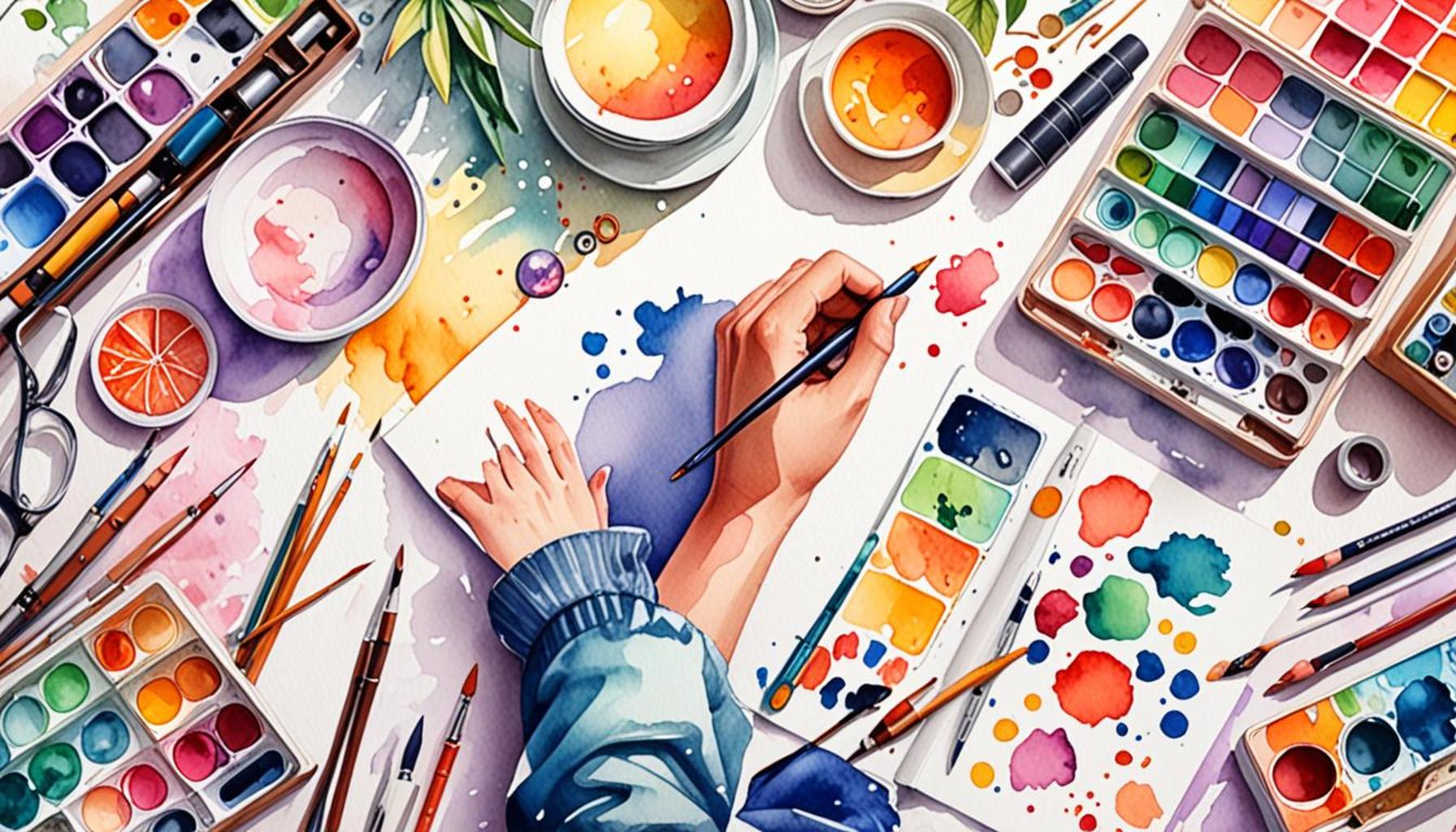
The Art of Focus
In today’s fast-paced environment, where smartphones buzz with notifications and distractions lure our attention at every turn, maintaining focus can feel like a formidable challenge. Yet, research indicates that immersing oneself in creative hobbies can serve as a powerful antidote to this overwhelming distraction. Activities such as painting, writing, crafting, and even playing musical instruments not only provide an escape but also significantly enhance concentration and attention span.
Benefits of Creative Hobbies
Delving into creative pursuits offers a multitude of cognitive benefits, each contributing to heightened mental acuity:
- Boosts dopamine levels: Engaging in activities that stimulate the imagination releases dopamine, a neurotransmitter associated with feelings of pleasure and satisfaction. This chemical response can enhance motivation and cultivate an eagerness to tackle new challenges, ultimately improving one’s capability to focus on tasks.
- Increases mindfulness: Creative tasks demand attention and presence, making them a perfect avenue for promoting mindfulness. When engrossed in art or writing, one often enters a meditative state where thoughts are centered on the task at hand. This practice not only alleviates anxiety but also fosters a persistent ability to remain in the moment.
- Enhances problem-solving skills: Whether it’s constructing a model, designing a piece of jewelry, or weaving a complex narrative, creative endeavors require strategic thinking and problem-solving. Engaging with these challenges sharpens analytical abilities, enabling more innovative solutions to emerge in other life areas.
Moreover, creative hobbies provide a productive outlet which can be a break from the rigors of daily life. They serve to reduce stress, a crucial factor for clear thinking and better performance in demanding tasks. The paradox is that stepping away from routine responsibilities to engage in creativity can revitalize the mind, leading to improved performance upon returning to more conventional work.
Integrating Creativity into Daily Life
As we explore these efficacious hobbies, a pressing question arises: Which specific activities are the most effective? Painting, writing poetry, or even engaging in community theater can be tremendous outlets. Consider the growing popularity of adult coloring books or writing clubs, which allow individuals to integrate creative hobbies into their schedules seamlessly. Setting aside just 30 minutes a day to create can lead to profound improvement in one’s overall productivity.
In conclusion, while the influence of creative hobbies on mental engagement is significant, the exploration into how these practices can transform one’s focus and productivity continues to gain momentum. By embracing creativity in our lives, we not only enrich ourselves but also unlock pathways to clarity and renewed focus in our daily tasks. So, why not pick up that paintbrush or jot down your thoughts today? The journey into creativity awaits.
DISCOVER MORE: Click here to learn how creative hobbies can boost your emotional and social skills
Creative Hobbies: A Gateway to Greater Focus
Creative hobbies not only serve as a source of joy and self-expression but also play a significant role in enhancing concentration and attention span. Engaging in these activities encourages individuals to redirect their mental resources away from distractions and towards the task at hand. Understanding how various creative hobbies impact cognitive functioning can illuminate pathways for improved focus and productivity.
The Cognitive Mechanics Behind Creativity
The neuroscience behind creativity reveals that immersing oneself in artistic endeavors can rewire neural pathways. When we engage our imagination through hobbies such as drawing or playing an instrument, we activate regions in the brain associated with attention control, problem-solving, and emotional regulation. This stimulation enhances brain plasticity, which is essential for maintaining sharp cognitive functions.
The following points showcase how different creative pursuits foster improved concentration:
- Structured Artistic Endeavors: Activities that require a high level of planning, such as crafting or graphic design, demand a focused approach. The meticulous nature of these tasks compels one to concentrate on intricate details while blocking out external noise, leading to sharpened focus.
- Immersive Writing Practices: Writing, whether it be fiction, poetry, or journaling, creates an environment where individuals can delve deep into their thoughts. This immersion fosters a heightened sense of awareness, allowing writers to lose themselves in the narrative, which is conducive to improving attention span.
- Team-Based Activities: Engaging in ensemble practices, such as playing in a band or participating in community theater, cultivates collaborative focus. The need to synchronize efforts with others encourages participants to remain attentive not only to their own contributions but also to the group’s collective dynamics.
Furthermore, the broad therapeutic implications of creative hobbies can’t be overlooked. They serve as viable outlets for stress and anxiety relief. By channeling emotional experiences into creativity, individuals often find clarity amidst chaos, which ultimately enhances their ability to concentrate on other aspects of their lives.
In considering the influence of creative hobbies on focus, it’s essential to recognize the cumulative effects these activities have on daily productivity. As one develops the ability to concentrate through creative means, they often find that this newfound focus translates into more effective task management in both personal and professional arenas.
Finding Your Creative Outlet
The key to unlocking the benefits of enhancing concentration lies in identifying a creative hobby that resonates with your interests. For some, photography offers an opportunity to capture moments while sharpening focus on specific details. For others, cooking may provide a canvas to explore flavor combinations, enhancing concentration through the coordination of various tasks. What matters is the genuine engagement with the chosen activity, leading to a more sustained attention span.
Ultimately, embracing a creative outlet can transform attention challenges into opportunities for growth. These hobbies serve as stepping stones toward a more focused and productive lifestyle, showcasing the profound impact that creativity can have in an increasingly distracted world.
The Influence of Creative Hobbies on Improving Concentration and Attention
As we delve deeper into the impact that creative hobbies have on concentration and attention, it’s evident that engaging in these activities offers a multitude of cognitive benefits. Research consistently shows that practices such as painting, knitting, or playing a musical instrument require not only skill but also sustained focus. This ongoing engagement with such hobbies forces the mind to concentrate on the immediate task, enhancing one’s ability to maintain attention over time. Studies indicate that these creative outlets can stimulate brain regions associated with focus and problem-solving, making them powerful tools for cognitive enhancement.
Moreover, creative hobbies often serve as a form of mindfulness—a state of active, open attention to the present. When individuals immerse themselves in a creative task, they experience a therapeutic release from everyday stressors, allowing for clearer thinking. This mindfulness can lead to improved concentration, as individuals learn to tune out distractions and focus on the task at hand. Engaging in creative activities also boosts dopamine levels, fostering a sense of happiness and motivation, which in turn cultivates an environment where focused work can thrive.
Furthermore, these hobbies can foster improved memory retention. For example, learning to play a new song or replicate a painting requires the memorization of various techniques and patterns, reinforcing pathways in the brain related to memory. As you practice creativity, you continually train your brain to process information more efficiently, which can spill over into other tasks requiring attention. Ultimately, integrating creative hobbies into your routine not only enriches your life but also serves as a powerful mechanism for enhancing focus and attention in multiple aspects of daily living.
| Advantages of Creative Hobbies | Description |
|---|---|
| Enhances Concentration | Creative hobbies require sustained focus, improving overall attention span. |
| Boosts Problem-Solving Skills | Engaging in creative pursuits enhances cognitive flexibility and problem-solving abilities. |
Incorporating creative hobbies into your life doesn’t only add joy and relaxation; it can reshape how you approach tasks that require concentration, allowing for more productive work sessions and a more fulfilling creative journey.
DIVE DEEPER: Click here to explore the rhythms of the world
Unlocking Mental Clarity Through Creative Expression
As we delve deeper into the transformative effects of engaging in creative hobbies, it becomes increasingly evident that these activities can mitigate cognitive fatigue and promote mental clarity. This mental rejuvenation not only boosts concentration but also facilitates deeper understanding and retention of information, which is particularly beneficial for students and professionals alike.
The Role of Mindfulness in Creativity
Many creative hobbies inherently incorporate elements of mindfulness, fostering an environment where individuals can sharpen their focus. Practices such as yoga and meditative painting require participants to engage fully in the present moment. This process trains the brain to filter out distractions and attune to the sensory experience of the activity. Studies conducted by the American Psychological Association indicate that consistent mindfulness practice can yield improvements in attention span and cognitive flexibility. These findings underscore the connection between creativity and heightened awareness, demonstrating how engaging in creative pursuits can be a powerful tool for enhancing concentration.
Art Therapy and Cognitive Functioning
The therapeutic applications of creativity extend beyond casual hobbies and can be vital in structured settings such as art therapy. This approach targets various mental health challenges like anxiety and depression—conditions that often impair concentration. A report published in Health Psychology Review notes that art therapy can enhance cognitive functioning by improving executive function skills, including working memory and attention control. For instance, patients who engage in art-making activities often showcase an increased ability to concentrate in other life areas, whether it’s studying for an exam or managing a busy work schedule.
The Science of Flow State
Engaging in creative pursuits can induce a psychological state known as flow, which is characterized by complete absorption and focus in an activity. When individuals enter a flow state, their attention narrows, allowing for sustained and productive concentration. This phenomenon is not trivial; researchers have found that tapping into flow can enhance motivation and performance. For example, musicians often experience flow during performances, leading to remarkable displays of concentration and skill. This suggests that incorporating creative hobbies that encourage flow can be a strategic method for individuals looking to enhance their overall focus.
Building a Sustainable Practice
In order to reap the cognitive benefits associated with creative hobbies, it is essential to cultivate a sustainable practice. Setting aside dedicated time for creative activities, whether it be sketching, knitting, or digital art, can create a routine that encourages focus. Additionally, incorporating creativity into everyday tasks—such as cooking new recipes or decorating a workspace—can effectively enhance attention. A report from the National Endowment for the Arts reinforces this assertion by documenting improved focus and productivity among participants in structured creative programs.
Ultimately, the quest for concentration does not solely hinge on traditional methods of study or organization. Instead, enriching one’s life through creative hobbies can unlock new dimensions of attention and focus, contributing to both personal satisfaction and enhanced productivity. The multitude of avenues available for creative engagement presents a diverse landscape where individuals can discover their unique pathways to improved cognitive function.
DISCOVER MORE: Click here to dive into the art of photography</
Harnessing Creativity for Cognitive Growth
In summary, the exploration of creative hobbies reveals a significant connection between creativity and enhanced concentration and attention. Through activities that engage the mind—be it painting, writing, or crafting—individuals can tap into a reservoir of mental clarity and mindfulness that fosters a deeper ability to focus. The evidence gathered from various studies highlights the idea that creativity is not just a form of personal expression but a profound tool for cognitive enhancement. By participating in creative pursuits, individuals can effectively combat distractions and sharpen their mental acuity.
The potential of art therapy and the well-documented benefits of the flow state further illustrate how engaging in creative activities can transform the way we approach challenges in daily life. As we immerse ourselves in these hobbies, we build a sustainable practice that not only nurtures our passions but also cultivates sharper focus, ultimately improving our productivity. In an age where distractions are rampant, it is crucial to reconsider the role of creativity in our lives. By integrating creative practices into our routines, we equip ourselves with valuable skills that extend beyond artistry; we foster a more attentive mindset that can enhance both personal and professional outcomes.
As the journey towards improved concentration is multifaceted, embracing creativity offers a unique and enjoyable pathway to achieving mental discipline. Thus, it invites us all to discover how our creative endeavors can significantly influence our cognitive landscape, opening up new possibilities for self-improvement and achievement in an increasingly demanding world. Creativity, indeed, holds the key to unlocking our full attention potential.
Related posts:
Exploring the Intersection of Creative Hobbies and Professional Skill Development
Boost Skills with Creative Hobbies Enhance Personal Professional Growth
How the Practice of Creative Hobbies Can Boost Self-Esteem and Personal Confidence
How Creative Hobbies Can Enhance Adaptability in Challenging Situations
The Importance of Creative Hobbies in Stimulating Innovation and Problem Solving
The Practice of Sustainable Crafts: Developing Skills while Contributing to the Environment

Linda Carter is a writer and creative hobbies expert specializing in crafting, DIY projects, and artistic exploration. With extensive experience helping individuals discover their creative potential and bring their ideas to life, Linda shares her knowledge on our platform. Her goal is to empower readers with practical tips, inspiring ideas, and step-by-step strategies for success in the world of creative hobbies.