The Influence of Colors in Artistic Creation: Psychology and Inspiration in Color Palettes
Understanding the Role of Color in Artistic Expression
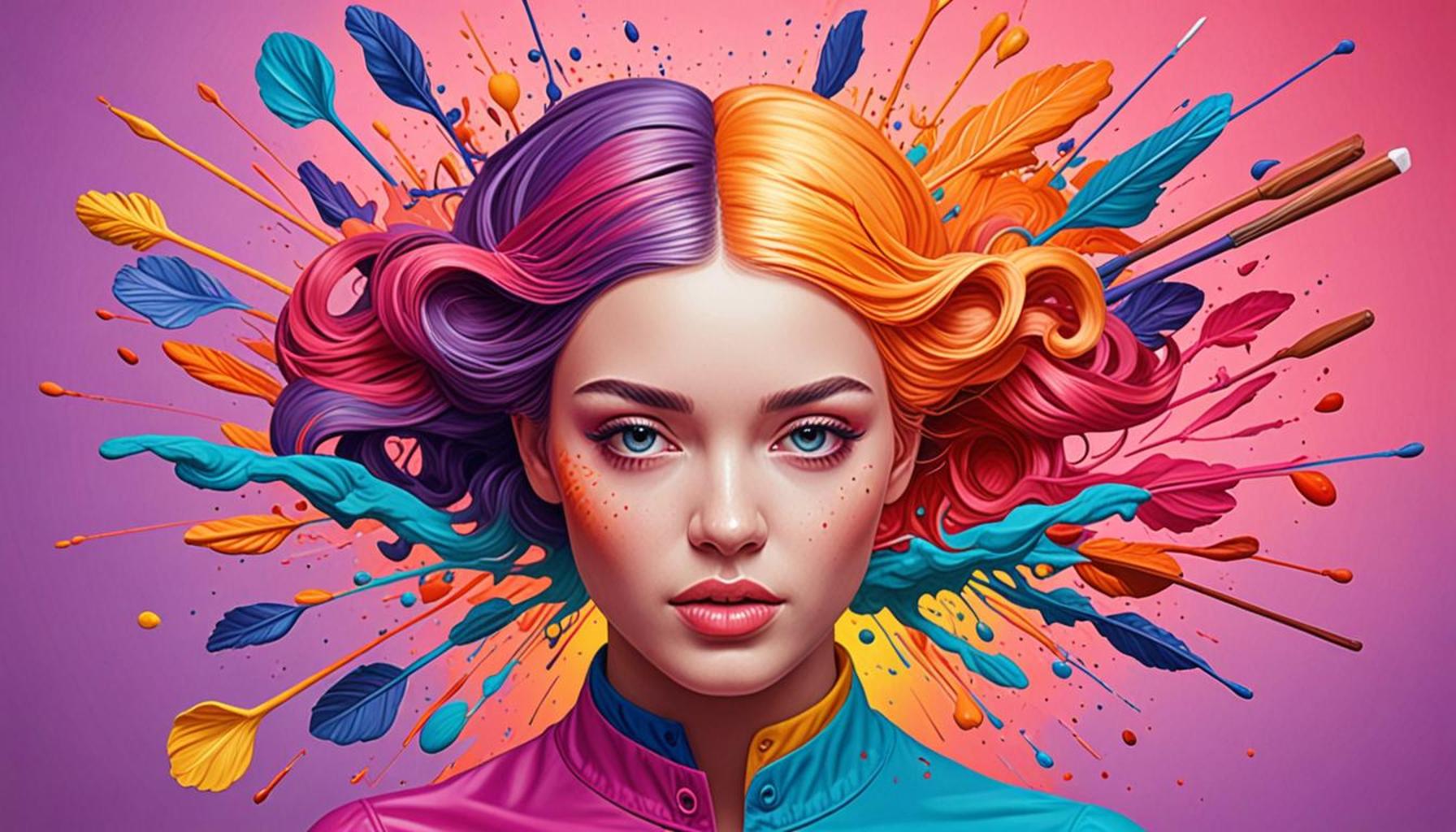
Colors play a pivotal role in the way we communicate emotions, thoughts, and experiences, especially in the world of art. They serve as a universal language that transcends verbal communication. Utilizing color palettes effectively can transform an ordinary piece into a masterpiece, engaging the viewers’ senses and evoking a myriad of emotions. By understanding the psychology of colors, artists can harness this power to enhance their message and deepen the impact of their work.
The application of colors in art, design, and marketing extends far beyond mere aesthetics; it is intrinsically linked to emotional resonance. Each hue carries unique emotional implications. For instance, blue is often associated with calmness and serenity, making it a popular choice for soothing artworks. In contrast, red ignites feelings of passion and excitement, often used in pieces aiming to evoke strong reactions. A practical example of this can be observed in the works of artists like Mark Rothko, whose selection of color profoundly influences the viewer’s emotional journey within his abstract forms.
Moreover, the concept of visual harmony amplifies the significance of color choice in artistic compositions. A well-executed color palette allows artists to create a seamless flow within their artworks, enhancing visual appeal and promoting a cohesive narrative. For example, Claude Monet’s use of complementary colors not only complements his subjects but also creates an atmospheric sense of depth and emotion in his impressionist pieces.
- Symbolism: Beyond individual emotional responses, colors can carry cultural symbolism and meanings. For instance, in many Western cultures, white symbolizes purity and innocence, while in some Eastern cultures, it can represent mourning. Through understanding these dynamics, artists can weave intricate layers of storytelling within their works.
By delving into the complex relationship between color and psychology, artists can refine their craft and evoke precisely targeted responses from their audience. This exploration of colors not only broadens creative horizons but also enriches the viewer’s overall experience. The impact of color is not just isolated to the art world; it continues to shape our cultural narratives, influencing how we perceive everything from advertisements to social movements.
In an increasingly visual world, a deeper understanding of color’s influence is essential for anyone looking to make their mark in artistic fields. Analyzing how different hues resonate within society can provide valuable insights and foster a significant connection to the audience, allowing for more meaningful creations. This journey into the world of color invites readers to investigate further and appreciate the subtle yet profound role that colors play in shaping our artistic and cultural landscapes.
EXPLORE MORE: Click here to discover how art can unlock your self-growth
The Emotional Spectrum: How Colors Shape Perception in Art
Every color on the spectrum has a unique ability to elicit specific emotions and associations within the observer. This emotional resonance is not only subjective but also deeply rooted in psychological principles. Artists, whether consciously or subconsciously, tap into these psychological effects when selecting their color palettes. For example, studies suggest that warm colors such as red, orange, and yellow can evoke feelings of warmth and comfort, potentially making the viewer feel more engaged and energized. On the other hand, cool colors like blue and green tend to elicit calmness and tranquility, often used in artworks that seek to provide solace or reflection.
The impact of these colors is evident in the works of renowned artists across history. For instance, Vincent van Gogh employed vibrant yellows and deep blues in his famous painting “Starry Night” to enhance the emotional depth of the night scene, capturing a sense of turmoil intertwined with beauty. This deliberate use of color not only depicts the night sky but also creates an emotional resonance that speaks to the viewer’s own experiences and feelings.
Furthermore, the use of color in isolation can profoundly affect the overall aesthetic experience. Consider the use of monochromatic palettes—artworks that utilize varying shades of a single color can evoke a strong emotional response through subtlety and depth. The late artist Yves Klein famously created works revolved around the singular color blue, thereby communicating vastness, spirituality, and emotion that resonated with his audience on an intimate level.
The Science Behind Color Psychology
To understand the intricacies of color in artistic expression, one must explore color psychology—the study of how colors affect human behavior and emotions. According to research in this field, certain colors are intrinsically linked to specific feelings or cultural meanings. For example:
- Red: Often associated with love, anger, and power, red captures attention and generates a strong reaction, making it a common choice in artwork intended to provoke.
- Green: Frequently linked to growth, healing, and nature, green can evoke feelings of balance and harmony, a sentiment utilized in many nature-inspired pieces.
- Yellow: Associated with happiness and optimism, yellow can stimulate feelings of warmth and enlightenment, often seen in cheerful landscapes and abstract art.
- Purple: Historically connected to royalty and luxury, purple inspires a sense of mystery and creativity, often used in works aimed at challenging societal norms.
This understanding of color’s psychological impact extends beyond personal preferences; it applies to trends within the broader societal context. For instance, the dominant colors in advertising often pull from psychological principles to create persuasive, emotionally engaging campaigns. Brands that understand the influence of colors in encouraging specific actions can effectively communicate their values and connect with customers on a deeper level.
As artists harness the psychological properties of color, they open a dialogue with their audience that is both profound and multifaceted. Exploring these layers can reveal not only the artist’s intention but also the societal narratives that shape our collective consciousness, acting much like a mirror reflecting shared experiences and emotions.
The Psychological Impact of Color in Art
Color is more than mere decoration; it is a powerful tool that artists harness to evoke emotions and convey messages. Each hue carries unique psychological implications. For instance, red can represent passion or danger, while blue often symbolizes tranquility and reliability. Understanding the psychology behind color enables artists to refine their palettes and enhance the thematic depth of their creations.Colors can affect not only viewers’ emotions but also their physiological responses. Bright, vibrant colors tend to stimulate activity and excitement, often leading to heightened emotions. In contrast, more muted tones can induce calm and serenity. Artists, therefore, must consider the effects of color contrasts and combinations as they are key to achieving the desired impact on their audience.Additionally, the cultural context of colors plays a significant role in interpretation. Different societies ascribe varying meanings to the same colors. For example, while white often symbolizes purity in Western cultures, it may represent mourning in some Eastern cultures. This cultural lens encourages artists to explore diverse color narratives and engage a broader audience through their work.Moreover, color palettes can serve as a source of inspiration for art movements. The Impressionists innovated with color by utilizing light and shadow to create a sense of movement and depth. The vibrant color choices of artists like Van Gogh encouraged a rethinking of traditional color use, promoting experimentation and the incorporation of emotion into color theory.By examining historical and contemporary uses of color, artists can draw inspiration from the connections between color, emotion, and cultural significance, leading to their unique artistic expressions enriched by these profound relationships. As artists delve deeper into the psychological aspects of color, they find themselves not only as creators but also as communicators—using color as their language to tell stories and trigger inspiration in audiences worldwide.
| Psychological Category | Implications in Artistic Creation |
|---|---|
| Color Theory | Understanding emotional responses to color enhances visual storytelling. |
| Cultural Perceptions | Colors carry different meanings across cultures, enriching art’s narrative potential. |
DISCOVER MORE: Click here to uncover the power of art in self-discovery
The Cultural Context: Colors as Symbols in Art
Colors do not merely represent emotions; they carry deep cultural meanings that can vary significantly across different societies. This cultural context shapes how artists use color in their works, influencing both creation and interpretation. For instance, in Western cultures, black is commonly associated with mourning and loss, while in many Eastern cultures, white conveys similar sentiments. This divergence highlights how cultural backgrounds inform the emotional weight of colors, influencing an artist’s choices and the viewer’s perception of artwork.
Furthermore, an artist’s intention can shift dramatically based on the symbolism of colors within their cultural framework. Red holds varying significance around the world—seen as a symbol of luck and prosperity in Chinese culture, it starkly contrasts its association with danger and caution in the Western context. Artists like Frida Kahlo skillfully harnessed color symbolism to explore personal and national identity, utilizing vibrant hues that reflect Mexican culture’s richness while simultaneously conveying her turbulent emotional landscape. This layered approach enhances the viewer’s experience, prompting deeper engagement with the artwork.
The Role of Color Theory in Artistic Expression
At the crossroads of psychology and artistic creation lies color theory, a fundamental concept guiding artists in the selection and combination of colors. Color theory encompasses principles such as complementary, analogous, and triadic color schemes, each serving to enhance visual harmony or tension within a piece. For example, complementary colors—those positioned opposite each other on the color wheel—create a striking contrast that attracts the viewer’s eye. Artists like Henri Matisse often deployed these schemes to amplify emotional impact and visual interest. In Matisse’s works, the juxtaposition of complementary colors not only creates vibrancy but also instills a sense of movement and dynamism that revitalizes the canvas.
Moreover, the use of color gradients—the blending of colors—allows artists to convey moods and evoke feelings of nostalgia, warmth, or melancholy. This technique adds complexity to an artwork’s emotional narrative, drawing the observer into a intertwining visual journey. The contemporary artist Takashi Murakami employs gradients to play with perceptions of traditional Japanese art, merging vibrant colors with modern themes, thus creating an intriguing dialogue between past and present.
Color in Contemporary Art Movements
The influence of color extends beyond traditional forms of art into contemporary movements where artists explore and challenge the norms of color usage. For instance, the Pop Art movement, led by figures like Andy Warhol and Roy Lichtenstein, embraced vibrant colors and mass-produced imagery to comment on consumer culture and mass media saturation. The bold, unexpected color choices in their works served as a critique of superficiality while simultaneously reflecting the excitement and chaos of modern life.
Similarly, the Abstract Expressionists, such as Mark Rothko, utilized color as a primary means of emotional expression. Rothko’s large color fields—often devoid of figurative subject matter—invite viewers into a deeply personal reflective experience. By using color alone to evoke feelings of awe and introspection, Rothko challenges the viewer to find meaning beyond conventional artistic representation, illustrating the profound capability of color to transcend vocabulary.
As we delve deeper into the impact of color in artistic creation, it becomes evident that every choice reflects an intersection of emotion, culture, and intentionality. This exploration is not just an aesthetic choice but a fundamental aspect of human experience and communication, allowing both artists and audiences to bridge the gap between raw feeling and visual representation.
DON’T MISS: Click here to dive into the world of folk art
Conclusion: The Intrinsic Power of Color in Art
In examining the influence of colors in artistic creation, it becomes abundantly clear that color is not merely a visual element, but a dynamic vehicle for emotion, meaning, and cultural significance. As we have explored, artists communicate complex narratives and sentiments through carefully selected color palettes, grounded in the principles of color theory and enriched by cultural interpretations. The psychological implications of colors—ranging from the warmth of yellow to the coolness of blue—offer artists a rich vocabulary for expression, enabling them to tap into shared human experiences and individual sentiments alike.
Moreover, the exploration of color across different artistic movements—from the bold strokes of the Pop Art movement to the emotional depth of Abstract Expressionism—demonstrates how the contextual use of color can challenge, provoke, and inspire. By understanding colors as symbols deeply intertwined with culture and emotion, both artists and audiences can forge more profound connections with art. This interplay invites us to not only perceive colors but also to feel them—recognizing that behind each hue lies a story waiting to be told.
As we continue to observe the evolving landscape of contemporary art, one must remain curious about how emerging artists will manipulate and innovate with color. Will they adhere to established conventions or break new ground by redefining color’s role in artistic expression? As viewers, embracing this nuanced journey will not only deepen our appreciation of art but also allow us to explore the reflective and transformative power of color in our own lives. Therefore, the vibrant dialogue between color, psychology, and cultural context remains a vital area ripe for exploration and inspiration in the artistic realm.
Related posts:
The Role of Public Space in Stimulating Artistic Creativity: Urban Interventions and Their Influence
Discover Everyday Art Finding Inspiration in Daily Activities
The Relationship between Literature and Art: How Writers Inspire Painters and Visual Artists
The Influence of Dreams on Artistic Creation: Exploring the Unconscious as a Source of Inspiration
The Influence of Mythology on Artistic Creation: How Legends and Myths Stimulate Imagination
The Role of Graphic Literature in Artistic Inspiration: Comic Books as a Source of Creativity

Linda Carter is a writer and creative hobbies expert specializing in crafting, DIY projects, and artistic exploration. With extensive experience helping individuals discover their creative potential and bring their ideas to life, Linda shares her knowledge on our platform. Her goal is to empower readers with practical tips, inspiring ideas, and step-by-step strategies for success in the world of creative hobbies.