The Importance of Folk Music in Cultural Identity and Modern Creativity
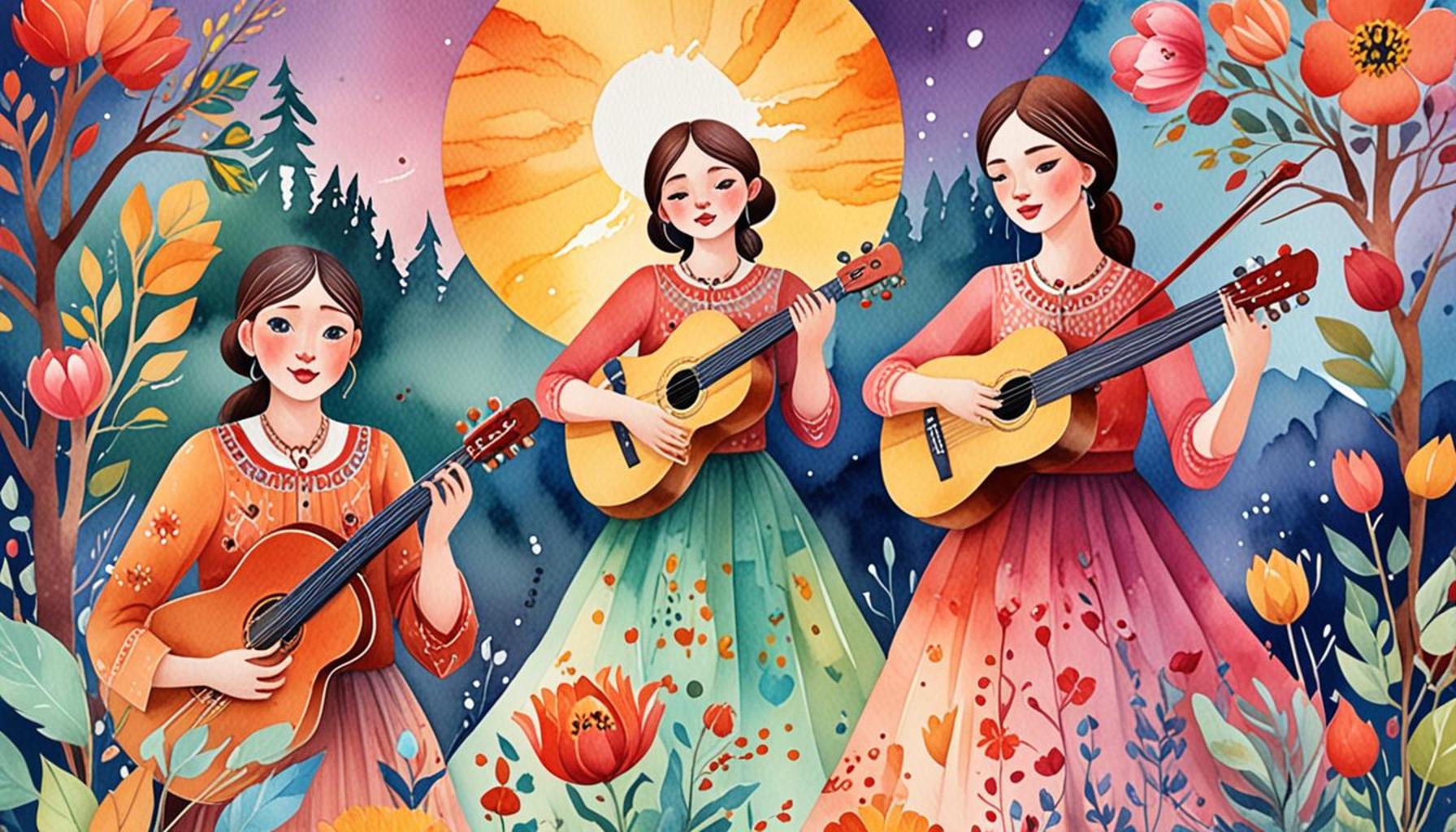
Folk Music: A Living Archive of Culture
Folk music serves as a living testament to cultural heritage, intertwining history with emotion. It influences both identity and creativity, creating a rich tapestry of sound that communicates the essence of communities across the globe. In the United States, folk music isn’t just a genre; it’s a potent reflection of diverse experiences and narratives that resonate with the soul of the nation. From the haunting melodies of the Appalachian Mountains to the storytelling rhythms of Louisiana’s bayou, folk music encapsulates the American spirit in myriad forms.
Key Aspects of Folk Music
- Cultural Preservation: Folk music plays a critical role in preserving the traditions and stories that define a community. It acts as a vessel for the voices of past generations, ensuring their experiences, struggles, and triumphs are not forgotten. For example, the labor songs sung by workers in the early 20th century reflect the social movements of that era and continue to inspire modern activism.
- Identity Formation: This genre shapes individual and collective identities, providing people with a sense of belonging and connection to their roots. The sounds of folk music can vary dramatically depending on geographical context; for instance, the Native American flute music evokes a spiritual connection to nature, while the rhythms of Mexican folk music highlight rich cultural influences and community celebrations.
- Creative Inspiration: Modern artists frequently draw from folk traditions, blending old and new to create innovative sounds. Musicians like Mumford & Sons and The Avett Brothers channel folk elements, reinvigorating the genre and introducing it to a younger audience. This blending of styles not only pays homage to traditional roots but also pushes the boundaries of what folk music can become in contemporary society.
The melodies and lyrics of traditional folk tunes echo narratives of triumph and struggle. The Appalachian music scene, for example, showcases the power of storytelling through ballads that recount the lives and experiences of laborers, farmers, and families. These songs not only celebrate joyous occasions but also document hardships, creating an emotional connection across generations. Similarly, Native American chants, often performed during ceremonial gatherings, highlight the profound spiritual connections to the land, showcasing a lifestyle deeply interwoven with nature.
As contemporary artists revive and reinterpret these sounds, they bridge the gap between past and present. This ongoing evolution invites exploration into new realms of performance, allowing the timeless messages of folk music to resonate in today’s rapidly changing world. Not merely a form of entertainment, folk music embodies the essence of cultural identity and innovation, compelling listeners to reflect on their own experiences and understandings.
In essence, the significance of folk music transcends its auditory pleasures. Its role in shaping cultural identity and stimulating modern creativity reveals how these age-old songs remain vital elements of cultural expression and social commentary. Through the lens of folk music, we glean insights into the fabric of society and are reminded of the power of storytelling in all its forms.
EXPLORE MORE: Click here to uncover the transformative power of art
Echoes of the Past: Folk Music as a Means of Cultural Preservation
Folk music serves not only as an artistic expression but also as a profound conduit for cultural preservation. This genre captures the essence of community narratives, embedding them within melodies and lyrics that transcend time. Each song tells a story—stories of love, loss, celebration, and resilience—reflecting the shared experiences of individuals within a larger group. By reviving and singing these age-old tunes, communities ensure that their history and collective memories are passed down to future generations.
Within the diverse landscape of American folk music, specific styles arise from the cultural backgrounds of different communities. For instance, bluegrass music, rooted in the Appalachian region, emerged from a blend of Scottish, Irish, and African American musical traditions. Similarly, the Indigenous sounds of Native American music incorporate elements unique to tribal heritages, often emphasizing spiritual connection and the natural world. These rhythms and melodies encapsulate distinct cultural identities, providing a sense of belonging to those who engage with them.
The Role of Folk Music in Identity Formation
As a voice of the people, folk music assists in the formation of individual and collective identities. It evokes a strong sense of pride and belonging among listeners, reminding them of their roots and the diverse narratives that have shaped their communities. For example, the “American Roots” music genre highlights the contributions of various ethnic groups, merging influences from various diasporas. This continued dialogue between past and present in folk music allows for a multifaceted understanding of identity that embraces unity amid diversity.
- Community Resilience: Folk music acts as an anthem for resilience, reflecting communal struggles and victories. Songs like “This Land is Your Land” by Woody Guthrie serve as a reminder of the enduring American spirit and the quest for social justice.
- Generational Connections: Many folk songs are passed down through oral tradition, bridging generational gaps. The act of singing a song learned from one’s grandparents fosters a connection that strengthens familial bonds and cultural identity.
- Representation and Visibility: Folk music promotes the visibility of marginalized voices, giving space to share stories that may otherwise remain unheard. Artists such as Joan Baez and Odetta have utilized folk music to elevate social issues, bringing attention to human rights and equality.
This vital aspect of folk music not only preserves cultural narratives but also allows for rejuvenation and reinterpretation. The vibrancy of folk music reflects cultural shifts and modern experiences while maintaining roots in tradition. As different communities infuse their contemporary challenges into existing folk motifs, the genre evolves, demonstrating that folk music is a living, breathing entity that adapts as society does.
As we explore the intertwining roles of folk music in culture and creativity, it becomes clear that its significance extends far beyond mere entertainment; it represents a shared heritage that binds individuals together through collective experiences. The stories encapsulated in these songs resonate deeply, offering insights into the struggles, joys, and aspirations of communities throughout history.
Folk music serves as a vital link to our cultural heritage, imbuing communities with a sense of belonging and identity. As global influences intermingle, traditional sounds find their way into modern creative expressions, shaping contemporary music and art. The melodies and rhythms rooted in local histories are not merely relics of the past; they evolve, inspiring new generations of artists who infuse these elements with fresh perspectives.In numerous cultures, folk music reflects the stories and values of the people, encapsulating their struggles and celebrations. For instance, in Appalachia, bluegrass music has become a canvas for narrating the American experience, melding traditional elements with modern storytelling. Similarly, in many Indigenous communities, preserving folk music signifies maintaining cultural identity amidst modernization pressures. This fusion of the old and new fosters a dynamic, living tradition that resonates deeply with both individuals and communities.Furthermore, folk music facilitates social cohesion, allowing people from diverse backgrounds to gather and share experiences. The communal aspect of folk traditions encourages participation, transforming listeners into active contributors. As contemporary artists draw from these wellsprings, they honor their roots while appealing to an increasingly global audience, creating a rich mosaic of sound that both celebrates the past and embraces the future.The revival of interest in folk music within popular culture also promotes awareness of cultural histories. As artists explore and reinterpret traditional pieces, they expose listeners to lesser-known narratives and experiences. This not only enriches the artistic landscape but also fosters greater appreciation for the uniqueness of each culture’s contribution to the world’s artistic tapestry. Through its multifaceted roles, folk music strengthens cultural identity and spur modern creativity, offering a profound connection between the past and the present. By integrating these resonant sounds into contemporary art forms, we not only celebrate our heritage but also inspire innovation that reflects the rich diversity of human experience.
DISCOVER MORE: Click here to explore the connection between music and painting</p
Folk Music as a Catalyst for Modern Creativity
In addition to preserving cultural identity, folk music serves as a dynamic source of inspiration for modern creativity. Contemporary artists and musicians have increasingly turned to the rich tapestry of folk traditions to inform and enhance their work. By merging traditional folk elements with modern genres, they create innovative soundscapes that resonate with both nostalgia and freshness. This fusion reflects a broader trend where the past and present coexist seamlessly, enriching the cultural narrative and sparking new artistic expressions.
Throughout America, artists like The Decemberists and Fleet Foxes have embraced folk influences, breathing new life into the genre while also appealing to a younger audience. These musicians often weave storytelling into their lyrics, reflecting a deep-seated tradition that encapsulates both personal and collective experiences. By doing so, they not only connect with their cultural heritage but also create accessible art that resonates widely, transcending generational divides.
Collaborations Across Genres
The intersection of folk music with other musical genres fosters exciting collaborations that push creative boundaries. The American folk revival of the 1960s, with artists such as Bob Dylan, showed how folk can lend authenticity and emotional depth to rock and popular music. Today, cross-genre collaborations continue to flourish, exemplified by artists like Sturgill Simpson, who blends country with psychedelic rock, and Hozier, who integrates folk elements into modern soul music.
- Bridging Cultures: Folk music’s adaptability allows it to transcend cultural barriers. The blending of traditional American folk with Latin rhythms in the work of musicians like La Santa Cecilia showcases the ability of folk to evolve and include diverse cultural narratives, enriching the musical landscape.
- Innovative Storytelling: As contemporary artists tackle social issues and personal narratives, folk traditions provide a foundation for storytelling that remains deeply impactful. Albums like Rhiannon Giddens’ “Freedom Highway” not only pay homage to folk roots but also address urgent themes of racial injustice and identity.
- Technology Meets Tradition: The rise of digital platforms has revolutionized how folk music is created and consumed, giving rise to internet folk movements where artists share original songs and reinterpret existing ones. This democratization of music fosters creativity and allows for a multitude of voices, reflecting the complexity of modern society.
The resonance of folk music in modern creativity goes beyond mere inspiration; it is a catalyst for cultural dialogue and transformation. As artists draw from this wellspring of tradition, they foster a sense of continuity that blends old narratives with the realities of contemporary life. Through their works, they not only honor their forebears but also engage new audiences, ensuring that the rich legacy of folk music remains a dynamic and evolving part of the artistic landscape.
This ongoing conversation between tradition and innovation illustrates that folk music is not static; it is a vibrant thread in the fabric of cultural expression, continually reshaping and redefining itself with each new generation of artists. As such, the importance of folk music in cultural identity and modern creativity cannot be overstated—it embodies a living history, a communal experience, and a source of inspiration for what lies ahead.
DIVE DEEPER: Click here to discover the transformative power of journaling
Conclusion: A Living Tapestry of Cultural Identity
In summary, folk music stands as a vital cornerstone of cultural identity, intricately woven into the fabric of history and personal narrative. Its significance is felt not only in the preservation of traditions but also in its dynamic role as a source of modern creativity. As artists today draw inspiration from traditional folk music, they breathe new life into age-old melodies, merging them with contemporary sounds and themes. This fusion reflects an ongoing dialogue that bridges generations, creating art that feels both familiar and innovative.
The collaborations across genres have further emphasized the adaptability of folk music, showcasing its universal appeal and ability to embrace diverse cultural narratives. Whether through the poignant storytelling of artists like Rhiannon Giddens or the exciting genre-blending of Sturgill Simpson, the reach of folk music continues to influence and inspire. It serves not only as a narrative tool but also as a means of addressing pressing social issues, making it as relevant today as it was in centuries past.
As technology transforms how we create and consume music, the democratization of folk emerges as a vital aspect of its evolution. Digital platforms allow for a multitude of voices to share their stories, enriching the musical landscape and reflecting our complex society in its myriad forms. The importance of folk music in cultural identity and modern creativity is undeniable—it is a living archive, continuously reshaped by each new wave of artists who honour the past while crafting a narrative for the future.
Ultimately, folk music endures because it encapsulates the essence of our shared human experience. It invites us to connect with our roots, inspires future generations, and fosters a deep sense of community, proving that the melodies of our ancestors still resonate powerfully in our lives today.
Related posts:
Exploring Folk Art: How Local Traditions Inspire Creativity in Artistic Hobbies
The Intersection of Technology and Traditional Arts in Cultural Exploration
The Role of Documentary Photography in the Preservation and Exploration of Local Cultures
The Influence of Ethnic Fashion on Contemporary Creativity
The Influence of Cultural Traditions on the Creation of Folk Art
The Influence of Martial Arts on Cultural and Creative Expression

Linda Carter is a writer and creative hobbies expert specializing in crafting, DIY projects, and artistic exploration. With extensive experience helping individuals discover their creative potential and bring their ideas to life, Linda shares her knowledge on our platform. Her goal is to empower readers with practical tips, inspiring ideas, and step-by-step strategies for success in the world of creative hobbies.