The Importance of Creative Hobbies in Stimulating Innovation and Problem Solving
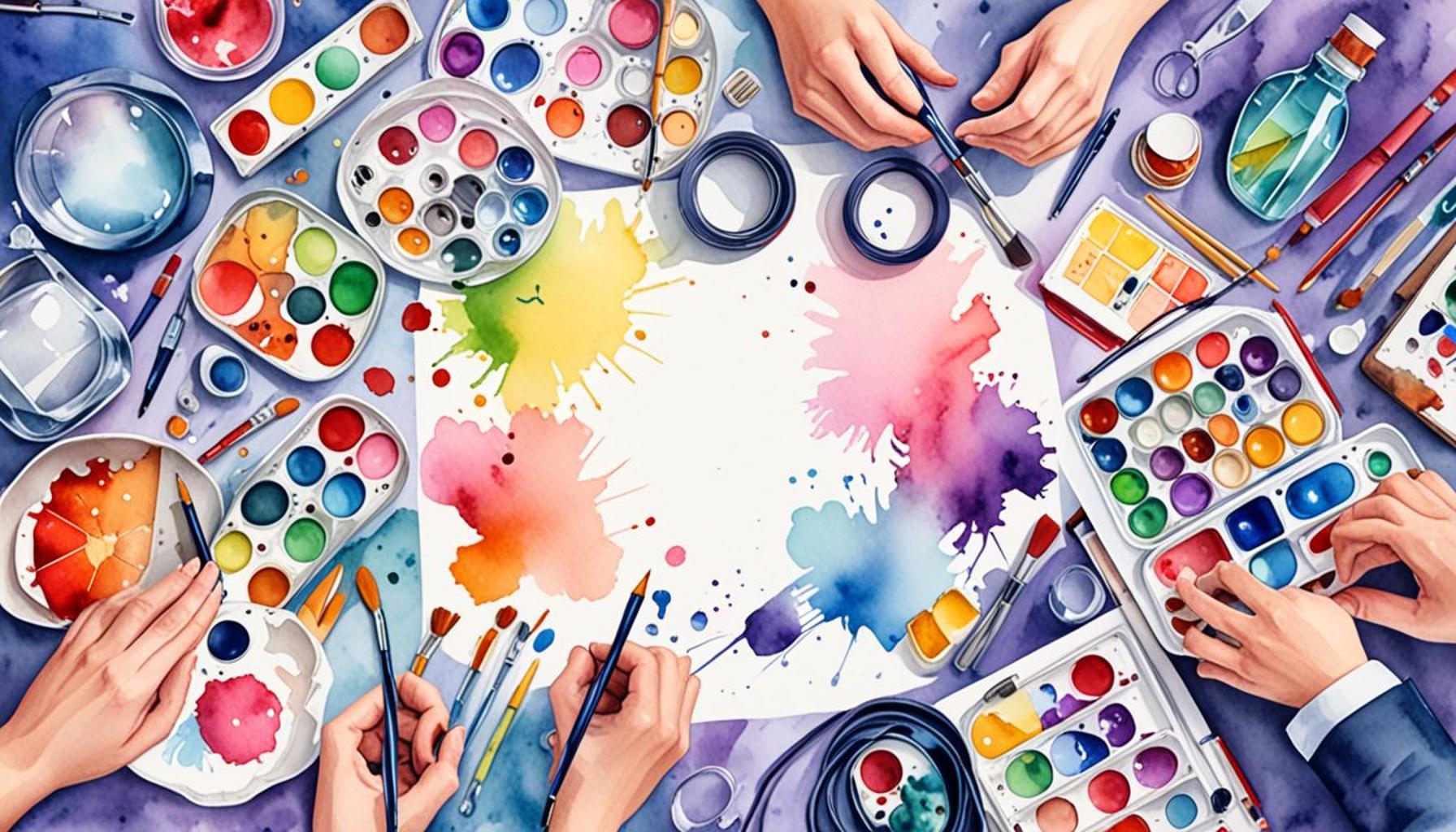
The Benefits of Creative Hobbies
In today’s fast-paced environment, engaging in creative hobbies serves more than just a means of relaxation; they have become essential for fostering innovation, improving mental agility, and enhancing problem-solving capabilities. By immersing themselves in creative activities, individuals can transcend conventional thought patterns, tapping into their imagination to explore innovative solutions for both personal and professional dilemmas.
Consider the numerous benefits that cultivating a creative hobby can bring:
- Improved cognitive flexibility: Switching from regular tasks to creative projects stimulates different areas of the brain, making it more adaptable. For instance, writers often explore multiple narratives and character developments, while painters find new ways to express emotions through color. This practice strengthens neural pathways, enabling individuals to think more dynamically and approach challenges with a refreshed mindset.
- Increased resilience: Creative pursuits generally involve significant trial and error. When a sculpture doesn’t turn out as intended or a garden bed fails to flourish, hobbyists learn to embrace setbacks as part of the creative process. This resilience extends beyond artistic endeavors, translating into greater perseverance in the face of professional challenges, making individuals more adept at handling adversity.
- Boosted collaboration: Many creative hobbies, such as dance classes, community theater, or group art projects, inherently involve teamwork. Participants learn to communicate their ideas, negotiate different perspectives, and create shared visions. This collaborative spirit often spills over into other areas of life, enhancing teamwork skills and fostering innovative problem-solving in workplace settings.
From the realm of painting and writing to engaging in gardening and DIY projects, the influence of these activities has permeated various professional sectors. A prime example can be seen in Silicon Valley, where many tech startups emphasize creative thinking by encouraging employees to pursue side projects that ignite their interests. This approach not only enhances job satisfaction but often leads to groundbreaking innovations that redefine industries.
As the United States grapples with complex issues in technology, healthcare, and sustainability, the integration of creativity into leisure time emerges as a practical strategy for generating impactful solutions. Encouraging adults and children alike to indulge in creative hobbies can unlock hidden potentials that may lead to new methods in tackling societal challenges. This article aims to shed light on the remarkable interplay between creativity in our free time and its critical role in fostering a culture of innovation and effective problem-solving.
As society continues to evolve, the importance of nurturing creativity should not be underestimated. By investing time in creative hobbies, individuals can significantly contribute to the advancement of their communities while simultaneously enriching their personal lives.
DIVE DEEPER: Click here to uncover the impact of visual art
Unlocking Potential Through Creative Expression
The role of creative hobbies in stimulating innovation and problem-solving extends far beyond individual enjoyment; they act as a catalyst for personal growth and societal advancement. Engaging in creative activities encourages individuals to think outside of traditional frameworks and visualizes problems from unique angles. This is critical in a world that increasingly relies on innovative solutions to navigate complex challenges.
One of the core benefits of creative hobbies is their ability to enhance critical thinking skills. When individuals dabble in activities such as photography, pottery, or music, they engage in a process that prompts exploration and experimentation. This can manifest in various ways:
- Complex problem dissection: Through creative endeavors, participants learn to break down problems into manageable parts. A musician, for instance, might deal with a challenging composition by isolating sections to refine their skills, a practice directly applicable to analytical problem-solving in the workplace.
- Enhanced focus and attention to detail: Many creative hobbies require a keen focus on the minute details, whether assembling a model airplane or stitching a quilt. This practice nurtures patience and instills discipline, qualities that are vital when tackling intricate workplace dilemmas.
- New perspectives on old problems: Engaging with creativity allows individuals to challenge the status quo. Gardeners, for example, must consider factors like climate, soil, and plant compatibility—skills that can translate into innovative approaches in resource management in corporate or environmental contexts.
Moreover, the impact of creative hobbies on innovation can be observed in numerous sectors across the United States. Take the arts and tech industries, for instance, where visual storytelling and interactive design have emerged as essential components of successful marketing strategies. Companies that encourage their employees to participate in creative pursuits often see increased productivity and more dynamic idea generation as a result. Research has shown that businesses implementing creative projects as part of their culture tend to experience higher employee retention rates and improved morale.
Furthermore, the scientific community has recognized the value of creativity in research and development. Initiatives like hackathons and creative think-tank sessions have gained traction, enabling professionals across disciplines to collaborate and brainstorm innovative ideas in a relaxed setting. This cross-pollination of fields has been fundamental in breakthroughs in medicine, technology, and environmental science. As reported in various studies, engaging the creative mind can lead to unexpected insights that propel scientific advancements.
Ultimately, the interrelationship between creative hobbies and professional innovation highlights the necessity for individuals to cultivate their passions. As society grapples with rapid technological changes and evolving social landscapes, the pursuit of creativity serves not only as a personal endeavor but as a valuable strategy for addressing larger issues. By nurturing a culture that prioritizes creative expression, we can unlock the latent potential in individuals and elevate collective problem-solving capabilities to unprecedented heights.
| Creative Hobby | Impact on Innovation |
|---|---|
| Painting | Enhances visual thinking skills that can lead to innovative solutions. |
| Writing | Boosts storytelling capabilities, allowing for better communication of ideas and concepts. |
| Photography | Encourages different perspectives and creative angles that can inspire innovation. |
| Music | Aids in pattern recognition, a crucial element in problem-solving scenarios. |
| Crafting | Fosters hands-on problem-solving, enhancing critical thinking through tangible projects. |
Engaging in creative hobbies does more than provide relaxation; it actively contributes to innovative thought processes. For instance, activities like painting not only improve one’s ability to visualize but also play a significant role in uncovering unique solutions to everyday problems. Similarly, the act of writing promotes essential storytelling skills that aid individuals in communicating complex ideas more effectively, ensuring their innovative thoughts are clearly understood.Moreover, hobbies like photography empower individuals to explore different perspectives, pushing boundaries and encouraging out-of-the-box thinking. The rhythmic patterns found in music can enhance cognitive functions, particularly in recognizing patterns that are vital for addressing challenges creatively. Each hobby uniquely supports the development of transferable skills, significantly enhancing our problem-solving abilities. Engaging in these activities promotes a mindset open to experimentation and exploration, essential qualities in our ever-evolving world. As such, embracing creative hobbies is not merely a leisure activity but a fundamental process in fostering innovation that can lead to groundbreaking solutions.
DISCOVER MORE: Click here to dive deeper
Creative Hobbies as Catalysts for Collaboration and Networking
In addition to enhancing individual innovation, creative hobbies serve as powerful tools for fostering collaboration and building networks among like-minded individuals. The formation of communities around shared interests can lead to the exchange of ideas that may not occur in traditional work settings. Whether through crafting circles, book clubs, or community bands, these interactions not only enrich personal experiences but also contribute to professional growth and problem-solving capabilities.
A striking example of this phenomenon can be observed in the rise of community maker spaces across the United States. These collaborative workshops provide access to tools and resources where individuals can gather to create art, prototype inventions, and learn from one another. Such environments enable participants to share expertise and perspectives from their diverse backgrounds. Research indicates that this kind of teamwork can spark innovation, leading to unexpected solutions to common challenges in both personal and professional realms.
Furthermore, creative hobbies can significantly enhance one’s emotional intelligence, which is increasingly recognized as a vital component of effective leadership and team dynamics. Engaging with art, music, or theater not only fosters empathy but also cultivates interpersonal skills. Individuals learn to appreciate different viewpoints, which can translate into more productive collaboration across multidisciplinary teams. A 2021 study revealed that organizations that prioritize emotional intelligence training, often integrated into creative pursuits, have higher rates of project success due to improved communication and conflict resolution.
Consider the tech sector, where engineers and designers often participate in hackathons—intensive, time-limited collaborations aimed at developing new software solutions. These events encourage participants to think creatively while drawing on their specific technical knowledge. When professionals come together in such creative environments, they often take unexpected paths to solve complex problems, resulting in applications or services that push the boundaries of their fields. Companies such as Google and Facebook frequently organize these events to harness the collective creativity of their teams, leading to innovative products that address user needs in novel ways.
The importance of showcasing creativity extends beyond the workplace. Public art installations and community projects often reflect collaborative creative efforts that address local issues, such as urban renewal or environmental sustainability. By bringing communities together, these initiatives not only beautify spaces but also generate innovative solutions to pressing societal problems. Local governments are increasingly recognizing the value of fostering creative community engagement, frequently commissioning artists to work alongside residents to brainstorm sustainable changes in their neighborhoods.
Moreover, the enduring impact of creative hobbies on mental health cannot be overlooked. Participation in creative pursuits has been linked to reductions in stress and anxiety, which can enhance overall cognitive function and problem-solving ability. A report from the American Psychological Association highlighted that individuals who engaged actively in creative activities reported feeling more equipped to handle life’s challenges. Creativity can thus serve as a mental rehearsal for problem-solving, equipping individuals with the resilience needed to face complex scenarios with clarity and poise.
Thus, as we delve deeper into the dynamic realm of creative hobbies, it becomes evident that they are not only instrumental in individual skill enhancement but also crucial for fostering collaboration, emotional intelligence, and mental well-being. As we navigate an ever-evolving world, integrating creative pursuits into our lives could very well be the key to unlocking a future filled with innovative solutions and collective growth.
DIVE DEEPER: Click here to discover the power of artistic expression
Conclusion
In a world where challenges are multifaceted and solutions require innovative thinking, the role of creative hobbies cannot be overstated. These pursuits not only offer a means of self-expression but also act as vital catalysts for innovation and problem-solving across various facets of life. Through engaging in activities such as painting, writing, or building, individuals immerse themselves in a process that enhances critical thinking and cultivates resilience, enabling them to navigate complexity with greater ease.
Moreover, by participating in collaborative creative endeavors, communities foster a culture of shared knowledge and diverse perspectives. This interaction leads to the generation of groundbreaking ideas that may not emerge in conventional corporate environments. As demonstrated by successful initiatives like community maker spaces and hackathons, the synergy of diverse talents and backgrounds often yields unexpected solutions to pressing issues.
Furthermore, the benefits extend beyond cognitive gains, as these hobbies significantly contribute to emotional well-being and interpersonal relationships. The cultivation of emotional intelligence through artistic pursuits enhances not only empathy but also improves communication skills, making individuals more adept at working within teams. As companies increasingly understand the importance of a well-rounded workforce, they invest in fostering creative environments, knowing that such investments yield higher productivity and innovation rates.
As we move forward into an increasingly complex future, embracing creative hobbies as essential components of personal and professional development will undoubtedly prove beneficial. For those looking to enhance their problem-solving capabilities and inspire innovation, exploring and integrating creative activities into daily routines may offer the keys to unlocking their fullest potential. In essence, nurturing creativity serves not only to enrich individual lives but also to build a more resilient and imaginative society.
Related posts:
Creative Hobbies Enhance Emotional Social Skills Development
Exploring the Art of Photography: How the Habit of Capturing Images Can Enrich Your Creative Skills
Boost Skills with Creative Hobbies Enhance Personal Professional Growth
Exploring the Intersection of Creative Hobbies and Professional Skill Development
The Role of Creative Hobbies in Building a Growth Mindset
The Practice of Sustainable Crafts: Developing Skills while Contributing to the Environment

Linda Carter is a writer and creative hobbies expert specializing in crafting, DIY projects, and artistic exploration. With extensive experience helping individuals discover their creative potential and bring their ideas to life, Linda shares her knowledge on our platform. Her goal is to empower readers with practical tips, inspiring ideas, and step-by-step strategies for success in the world of creative hobbies.