The Impact of Cultural Festivals on Creativity and Community
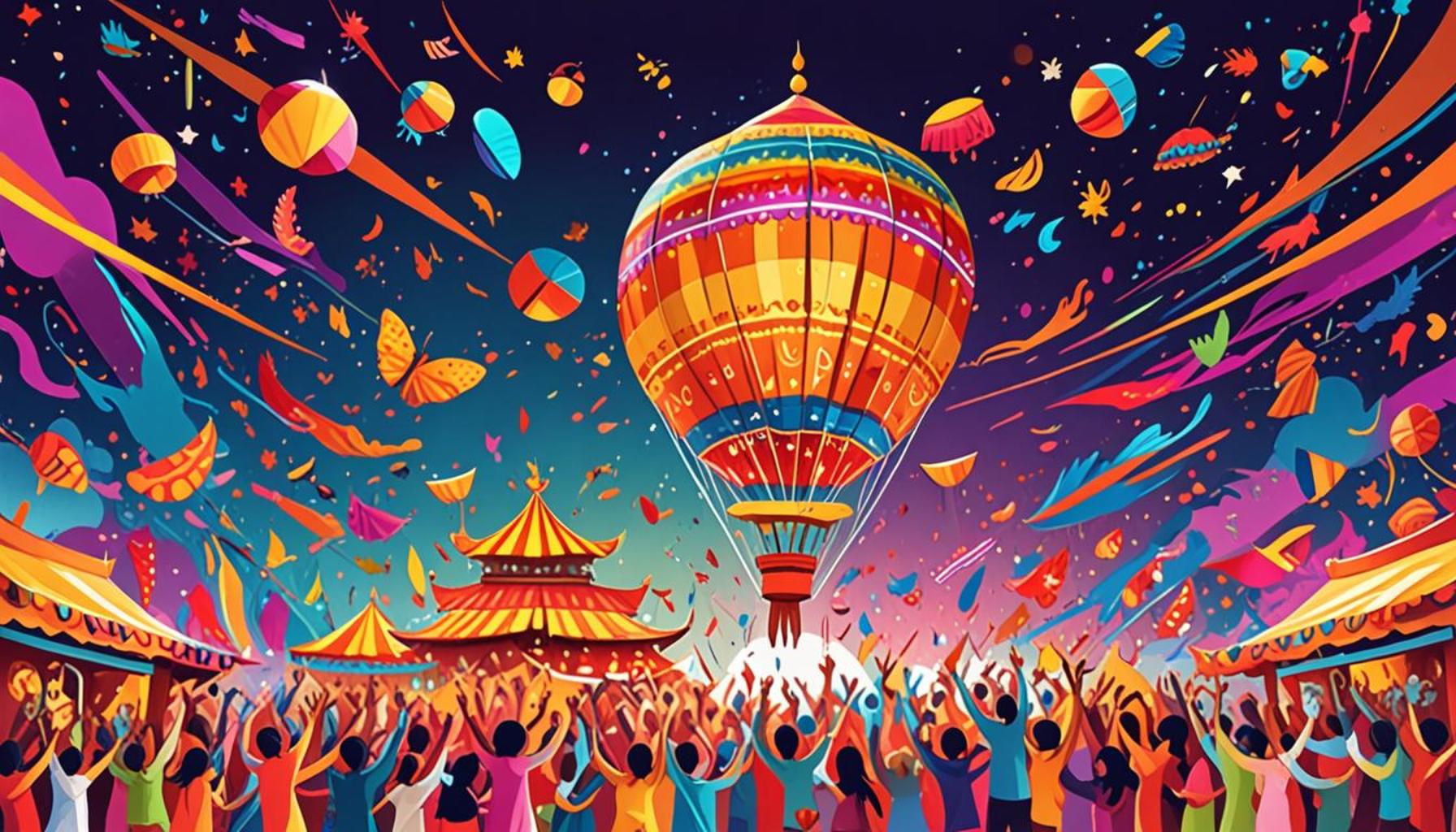
Cultural Festivals: A Celebration of Community and Creativity
Cultural festivals serve as vibrant celebrations that unite people from diverse backgrounds. They are not merely events; they are powerful catalysts that influence creativity and foster a sense of community. Through music, art, food, and traditions, these festivals create platforms for expression and collaboration, allowing participants to engage with their heritage while discovering new influences.
Consider the following effects of cultural festivals:
- Inspiration for Artists: Festivals attract local artists, offering them a stage to showcase their talents. For instance, at the New Orleans Jazz & Heritage Festival, musicians from various genres gather to perform, leading to the creation of spontaneous musical collaborations that often blend jazz with blues, reggae, and beyond. This exposure not only benefits the artists but also enriches the audience’s experience.
- Strengthening Community Bonds: These gatherings promote social ties, featuring activities that bring together families and neighbors. At events like the Albuquerque International Balloon Fiesta, families come together to watch spectacular balloon launches and participate in interactive activities, fostering a sense of belonging and shared joy within the community.
- Boosting Local Economies: Festivals can significantly increase tourism, benefiting businesses and creating jobs. The annual Burning Man event in Nevada attracts thousands of participants from around the world, transforming a remote desert area into a thriving hub of commerce for local vendors and service providers. Hotels, restaurants, and shops see a significant uptick in business, contributing to the local economy long after the event has ended.
In the United States, events like the New Orleans Jazz & Heritage Festival and the Albuquerque International Balloon Fiesta illustrate how cultural heritage inspires creativity while enriching local communities. As diverse groups come together, they share ideas and collaborate, resulting in innovative works of art, music, and cuisine that reflect the unique melding of cultural identities.
This exploration will delve into the profound impact of cultural festivals on fostering creativity and enhancing community cohesion. Readers will discover the underlying principles that make these festivals significant, as well as their role in shaping both individual and collective identities. Moreover, these events serve not only as a celebration of culture but also as a reminder of the importance of inclusivity and understanding in an increasingly global society.
Through attending such festivals, individuals not only partake in the joyous experience but also gain a deeper appreciation for the diversity that surrounds them. The creativity sparked during these events often leads to projects and initiatives that last well beyond the festival dates, underscoring the lasting impact of these cultural gatherings on society as a whole.
DIVE DEEPER: Click here to learn more
Fostering Creative Synergy
Cultural festivals play an essential role in promoting creative synergy within communities. By providing a unique space where creativity can be freely expressed, these events inspire artists to connect and experiment in ways that might not be possible in more traditional settings. For example, festivals like the South by Southwest (SXSW) in Austin, Texas, have become renowned not just for their music showcases, but also for their diverse interactive sessions that feature artists, innovators, and thinkers collaborating across various disciplines. This type of cross-pollination often leads to groundbreaking ideas, new artistic movements, and a more cohesive identity for the community as a whole.
The impact of these interactions is profound. During cultural festivals, artists from different backgrounds come together, sharing their perspectives, techniques, and stories, which can lead to:
- Innovative Art Forms: When artists collaborate, they push each other to explore new genres and styles. The emergence of multimedia art installations at festivals like Coachella is a prime example of how visual and performance art intersect to create immersive experiences that captivate audiences.
- Collaborative Projects: Festivals often act as incubators for collaborative projects that continue long after the event concludes. The Smithsonian Folklife Festival in Washington, D.C., emphasizes the importance of community and cultural exchange, encouraging participants to form long-standing partnerships that extend beyond a single gathering.
- Mentorship Opportunities: Emerging artists frequently seek guidance from established creators during festivals, leading to mentorship that can shape their careers. For instance, the Oregon Shakespeare Festival not only presents classic works but also hosts workshops where seasoned professionals share their skills with newcomers, enriching the local artistic community.
The fusion of creativity ignited by cultural festivals also nurtures an environment where innovative expression thrives. These events compel participants to think outside the box and embrace unconventional ideas, resulting in unique forms of art that reflect the dynamic culture of the community. For example, at the Philadelphia Folk Festival, a myriad of genres invites musicians to experiment with sounds, rhythms, and storytelling, inspired by their diverse cultural backgrounds.
Moreover, the nourishment of creativity at cultural festivals extends beyond artists. Audiences become active participants in the experience, experimenting with their own expressions through workshops, participatory art, and even food. At the annual Taste of Chicago, for instance, attendees have the chance to engage with culinary artists, generating a sense of connection to cultural traditions through food. Such engagement not only enhances enjoyment but also fosters appreciation for the culinary arts and the cultures they represent.
Ultimately, the creative energy generated during cultural festivals acts as a unifying force, drawing individuals together and enabling them to connect through shared experiences. This shared participation in creativity allows diverse communities to both celebrate their unique identities and explore the beauty of their differences, paving the way for a more inclusive society.
| Advantage | Description |
|---|---|
| Fostering Innovation | Cultural festivals often showcase local artists, allowing for a platform that promotes creative expression. |
| Enhancing Community Cohesion | These events contribute to community bonding, creating a sense of belonging and shared identity among participants. |
Cultural festivals serve as a crucial catalyst for both creativity and community engagement. By providing a vibrant platform for local artists, these events not only showcase a variety of artistic expressions but also inspire collaboration and innovation. As artists from diverse backgrounds come together, they share unique perspectives that often lead to the creation of new art forms and methods.Moreover, cultural festivals are instrumental in enhancing community cohesion. They offer a space where individuals can connect over shared experiences, fostering a sense of unity and belonging that transcends cultural and socioeconomic barriers. Attendees are likely to engage in dialogues and interactions that promote understanding and appreciation of different cultures.These festivals also play a vital role in boosting local economies. As people gather to celebrate, local businesses benefit from increased foot traffic and sales. This economic impact can further fuel creative industries and enable the enhancement of community facilities.Consequently, the positive effects of cultural festivals on creativity and community are multifaceted, influencing not just the participants but also the broader society through increased cultural appreciation and economic vitality.
DIVE DEEPER: Click here to explore the influence of traditional music
Building Stronger Communities
The impact of cultural festivals extends far beyond artistic expression; they are pivotal in building stronger communities. By creating inclusive environments where diversity is celebrated, these festivals serve as a bridge that fosters understanding and connection among various cultural groups. Festivals such as the National Hispanic Heritage Month in the United States not only showcase the rich traditions of Hispanic communities but also encourage intercultural dialogue, enriching the broader tapestry of American culture.
Cultural festivals also play a critical role in promoting local economies, which in turn strengthens community bonds. When festivals attract visitors, businesses flourish, leading to job creation and increased economic activity. For example, events like the New Orleans Jazz & Heritage Festival not only draw music enthusiasts from around the country but also support local vendors, restaurateurs, and artists. This economic uplift is essential for sustaining community resources and improving overall quality of life.
Moreover, participatory elements at these festivals often encourage community involvement. For instance, the annual Chicago Air and Water Show invites local residents to participate in planning and organizing the event. Such collaboration fosters a sense of ownership and pride within the community, as people come together to create a memorable experience for all. This sense of belonging is amplified through volunteer opportunities, where community members can actively contribute to the festival’s success, forging new connections with their neighbors.
The educational aspects of cultural festivals cannot be overlooked. By incorporating workshops, lectures, and demonstrations, communities have platforms to share knowledge and traditions with future generations. Events like the Smithsonian Folklife Festival not only entertain but also educate attendees about the cultural practices and histories that shape society. These educational programs cultivate appreciation for cultural heritage and encourage conversations that can lead to greater social awareness.
Additionally, cultural festivals serve as a powerful catalyst for social change. They provide marginalized communities with a voice and a platform to express their stories, shaping the narrative of their cultural identity. Events such as the Black Expo in various U.S. cities highlight the contributions of African Americans to society, fostering pride and resilience while promoting discussions on racial equality. Such visibility can inspire action and advocacy, mobilizing community members to address social issues.
Furthermore, the mental health benefits of these festivals are significant. They offer a respite from daily routines, allowing individuals to immerse themselves in creativity and cultural expression. The shared joy of experiencing music, art, and tradition can lead to positive mental health outcomes, helping to alleviate feelings of isolation or stress. Research has shown that engaging in cultural activities can promote overall well-being, leading to stronger social connections and enhanced community resilience.
Ultimately, cultural festivals serve not only as a celebration of artistic expression but as integral gatherings that strengthen community bonds, uplift local economies, and fuel social progress. Through creative collaborations and shared experiences, they foster a sense of unity that resonates with participants long after the festival ends. The impact of cultural festivals on creativity and community is profound, revealing the transformative power these events hold within the fabric of society.
DON’T MISS OUT: Click here to discover how journaling can transform your life
Conclusion
In summary, cultural festivals are powerful catalysts that influence both creativity and community cohesion. These vibrant gatherings foster environments where diverse cultural expressions can thrive, ultimately enriching the social fabric of our communities. They not only showcase artistic talents but also promote important cultural dialogues that help bridge divides among different social groups. The educational initiatives found at these festivals empower future generations by passing down valuable traditions and fostering an appreciation for the cultural wealth that surrounds them.
Moreover, the economic benefits associated with cultural festivals cannot be overstated. They stimulate local economies, encouraging entrepreneurship and providing job opportunities that directly impact community well-being. Festivals like the South By Southwest in Austin, Texas, exemplify how local business ecosystems can flourish alongside cultural celebrations, reinforcing the idea that creativity and economic vitality are intertwined.
The role of cultural festivals in advocating for social change is an essential aspect that inspires community mobilization. By giving a voice to marginalized groups, these events can challenge prevailing narratives and encourage discussions around equity and inclusivity. This visible representation can galvanize communities into taking action, underscoring the significant potential for cultural festivals to serve as platforms for social justice.
Lastly, as we navigate an increasingly complex world, the mental health benefits derived from these festivals become more crucial. The joy and creativity found in these celebrations foster a sense of belonging and connection, creating a resilient community fabric. By continuing to support and attend cultural festivals, we not only celebrate our differences but also harness the collective creativity and innovation necessary for a thriving society.
In light of these aspects, it is clear that cultural festivals play an indispensable role in shaping a dynamic, interconnected community that values both artistry and social progress.
Related posts:
Explore Folk Art Connect with Cultural Roots Through Creative Hobbies
The Importance of Folk Music in Cultural Identity and Modern Creativity
Exploring Visual Narrative: The Role of Art in Preserving Cultural Stories
The Importance of Local Handicrafts in Cultural and Creative Preservation
How Traditional Music Shapes Modern Creative Practices A Deep Dive
Exploring Folk Art: How Local Traditions Inspire Creativity in Artistic Hobbies

Linda Carter is a writer and creative hobbies expert specializing in crafting, DIY projects, and artistic exploration. With extensive experience helping individuals discover their creative potential and bring their ideas to life, Linda shares her knowledge on our platform. Her goal is to empower readers with practical tips, inspiring ideas, and step-by-step strategies for success in the world of creative hobbies.