The Art of Origami: Transforming Paper into Stories and Emotions
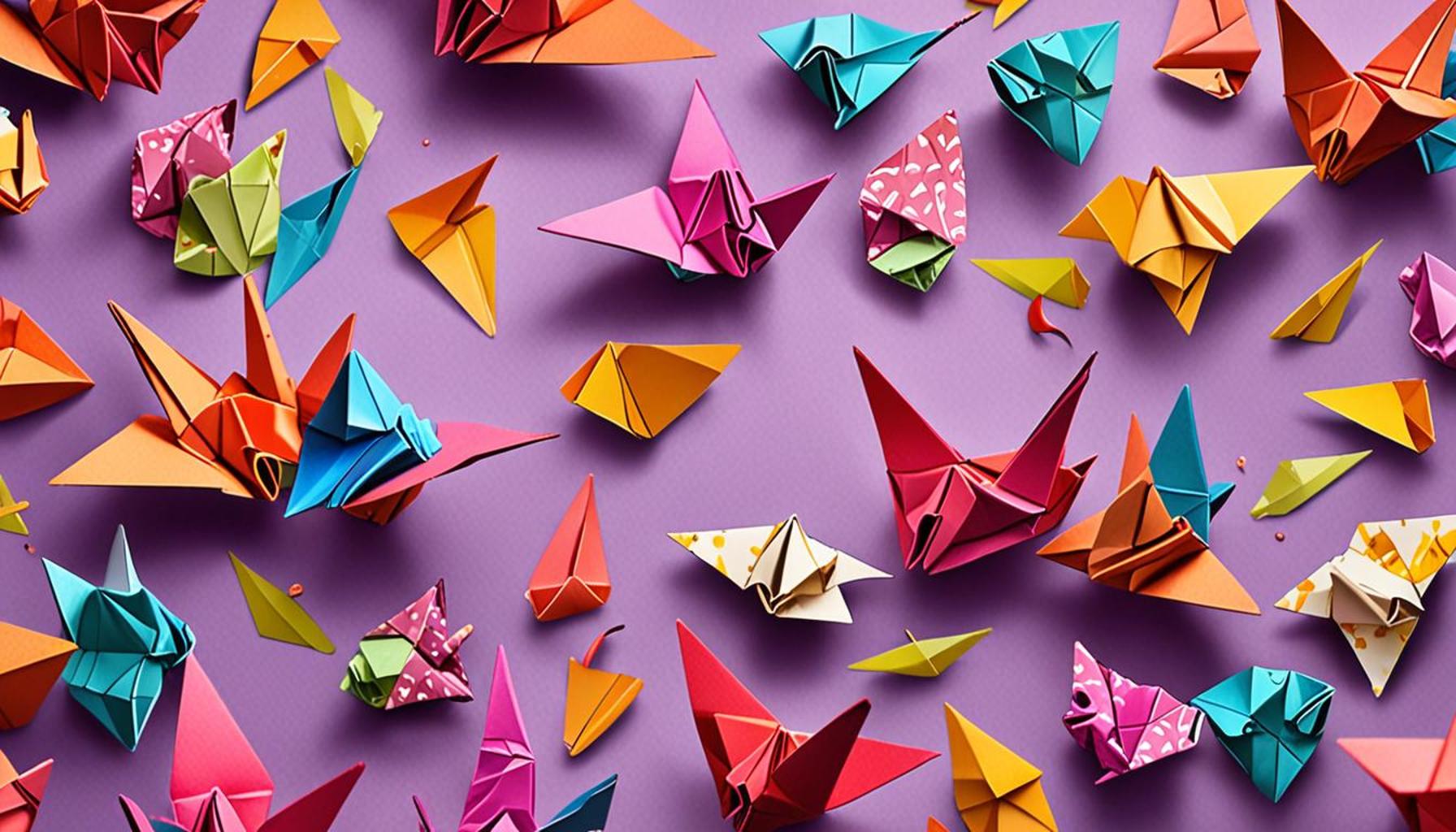
The Rich Tapestry of Origami
Within the delicate folds of paper lies a world of endless possibilities. Origami, the ancient Japanese art of paper folding, transcends mere hobbyist activity; it transforms into a medium for storytelling and a canvas for emotions. This intricate practice invites participants to explore creativity, patience, and imagination.
- Historical Significance: The origins of origami can be traced back to the 17th century, where its roots are firmly embedded in Japanese culture. Initially, origami was reserved for ceremonial and religious purposes, as folded paper was often used in rituals and special occasions. Over the centuries, this craft evolved from a sacred art form to a popular pastime, capturing the hearts of many, both in Japan and around the globe.
- Modern Applications: Today, origami has found its way into diverse fields such as architecture, where designers use its principles to create innovative structures, and in fashion, where designers like Issey Miyake have integrated origami techniques into their clothing designs. Moreover, educators employ origami in classrooms to facilitate learning in mathematics and geometry, demonstrating how folds can illustrate complex concepts.
- Emotional Expression: Each folded piece can convey an array of feelings, turning mere paper into a reflection of human emotions. For instance, a crane, often associated with peace and hope, can serve as a poignant reminder of perseverance in challenging times. In this way, origami becomes a personal expression, allowing artists to share their unique narratives through crafted forms.
The transformation of a simple square of paper into a remarkable shape is akin to weaving a story. Each crease and fold adds layers of meaning, turning a singular piece into a narrative masterpiece. This versatility provides a platform for anyone, regardless of skill level, to engage with their creative side, inviting both simple pastimes like crafting a paper boat and intricate designs that challenge even seasoned artists.
As we delve into the world of origami, we uncover not just its history and techniques, but also the emotional connections it forges among those who practice it. The experience of folding paper can serve as a meditative practice, demanding focus and mindfulness, enabling individuals to connect with their inner selves.
Ultimately, origami resonates deeply with the human experience, encouraging innumerable individuals to channel their thoughts and feelings through the transformative medium of folded paper. Each piece contributes to an ever-expanding narrative, celebrating the art of creation in its most delicate form.
DISCOVER MORE: Click here to learn how creative hobbies can boost your emotional and social skills
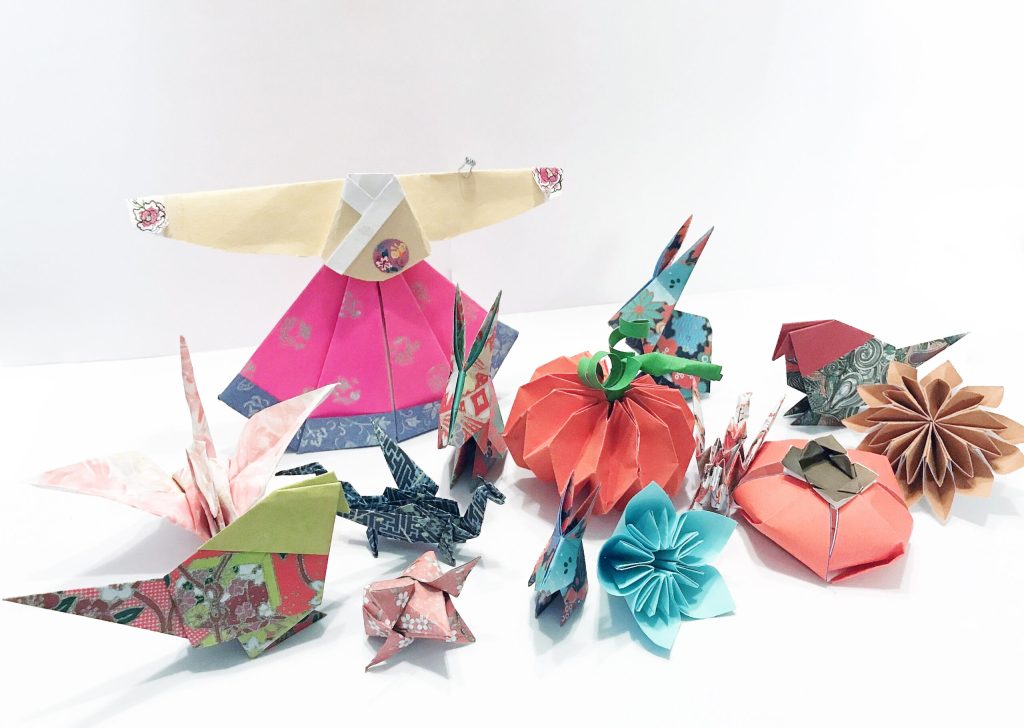
The Transformative Process of Origami
At its core, origami is a magical process that encapsulates the art of transformation. The journey begins with a humble square piece of paper, which, through a series of calculated folds, evolves into intricate shapes that can tell stories or evoke emotions. The simplicity of the medium belies the complexity of the skills required, making origami a perfect blend of art and craftsmanship that can be cherished by individuals of all ages.
The techniques employed in origami range from the basic to the advanced, each fold contributing uniquely to the final creation. Origami can typically be categorized into three main styles:
- Traditional Origami: This style adheres to ancient designs passed down through generations. Traditional patterns, such as the iconic crane or lotus flower, utilize a limited number of folds and often incorporate cultural symbolism. For instance, the crane is widely considered a representation of peace and longevity, particularly in Japanese folklore.
- Modular Origami: A fascinating technique that involves creating multiple identical units that are then assembled together to form a larger structure. This approach not only demonstrates mathematical principles but also creates stunning decorative pieces, often used in educational settings to teach concepts in geometry and teamwork.
- Action Origami: This facet of origami introduces dynamic elements to the folded paper, allowing for movement. Designs such as flapping birds or jumping frogs incorporate mechanisms that make them interactive and engaging, appealing particularly to younger audiences and sparking their creativity.
As individuals engage in the art of origami, the benefits extend beyond the creation of beautiful objects. Research shows that origami practice enhances fine motor skills, increases concentration, and fosters patience—traits that are invaluable in our fast-paced world. The rhythmic motion of folding may also create a sense of mindfulness, allowing practitioners to slow down and immerse themselves in the present moment.
Moreover, origami serves as a universal language that transcends cultural barriers. Across continents, people are discovering and sharing the joys of this ancient art form, igniting communities and enabling connections. Workshops and online platforms enable enthusiasts to exchange ideas, techniques, and stories, thereby enriching the origami experience globally. This sense of community fosters collaboration and camaraderie, bridging gaps between individuals from diverse backgrounds.
Ultimately, the art of origami offers more than just a pastime; it provides an avenue for exploration, creativity, and expression. It reminds us that even a simple sheet of paper can carry profound meanings, evolving into intricate stories that resonate with both the creator and the observer. From meditative moments of folding to the satisfaction of completion, origami encapsulates the beauty of transformation, inviting everyone to partake in its unfolding narratives.
The Art of Origami: Transforming Paper into Stories and Emotions
Origami, the ancient Japanese art of folding paper, transcends mere craftsmanship; it embodies an intricate dance between creativity and emotion. Each fold and crease tells a story, beckoning the observer into a world where paper transforms into intricate figures that evoke feelings of joy, nostalgia, and wonder. The symbolism associated with various origami figures enriches their storytelling potential, allowing artists to convey deeper meanings through their creations.
For instance, the iconic crane, often associated with peace and hope, has become a powerful symbol in various cultures, inspiring individuals to create not only for aesthetic pleasure but also to communicate messages. This element of storytelling in origami encourages practitioners to express their emotions, whether they stem from personal experiences or broader cultural narratives.
Moreover, engaging in the process of origami can lead to significant psychological benefits. The act of folding paper serves as a form of meditation, helping to alleviate stress and enhance mindfulness. As individuals concentrate on each fold, they enter a state of flow, fostering tranquility and focus. This therapeutic aspect of origami makes it an appealing pursuit for those seeking solace in creativity.
| Advantage | Description |
|---|---|
| Emotional Expression | Origami allows artists to convey their feelings and stories through intricate paper figures. |
| Mindfulness and Relaxation | The process serves as a meditative practice, reducing stress and promoting focus. |
Not only does origami serve as a means of artistic expression, but it also fosters community connections. Workshops and groups dedicated to origami create spaces for exchanges of ideas and insights, enriching the experience for all involved. As individuals share their unique interpretations and techniques, they build relationships based on shared passions and appreciation for the art form, transforming a solitary activity into a communal one.
In essence, the art of origami encapsulates a profound interplay between technique and emotion. Each creation is a testament to the power of paper, infinitely capable of conveying stories that resonate with both the creator and the observer. The world of origami is a canvas where feelings, memories, and dreams unfold, inviting exploration and appreciation from all walks of life.
DIG DEEPER: Click here to discover more
Emotional Connections Through Origami
Origami transcends its physicality, evolving into a vessel for emotions and storytelling. Each fold and crease is not just a technical maneuver; it embodies the creator’s feelings, thoughts, and intentions. The moment a piece of paper is transformed into an intricate design, it captures the essence of the creator’s experiences, making every creation a unique narrative. For instance, a simple origami heart can symbolize love and affection, whereas a paper crane might convey hopes and aspirations, acting as a tangible expression of one’s inner world.
This emotional dimension of origami has become especially significant in therapeutic settings. Art therapy and occupational therapy often incorporate origami as a means for individuals to channel their emotions. The process of folding paper serves as a calming activity; it allows individuals to focus their minds and reduce anxiety. In hospitals or rehabilitation centers, patients have reported feeling a sense of accomplishment and joy with each folded creation, providing a meaningful distraction from their circumstances.
Origami in Education
The educational benefits of origami extend beyond artistic expression. Schools across the United States are increasingly implementing origami into their curricula to engage students in subjects ranging from mathematics to literature. Origami encourages spatial reasoning and geometric understanding as students visualize and manipulate paper shapes. Teachers often leverage origami to foster collaboration among students—creating a sense of community as they work together to tackle folding sequences and share completed works.
- Mathematical Learning: By folding paper, students inherently grasp concepts such as symmetry, angles, and fractions. These experiences can inspire a deeper interest in mathematics, as the art of paper folding presents an engaging way to visualize complex ideas.
- Literary Connections: Storytelling can be woven into origami projects by pairing literary themes with paper creations. Students can craft origami figures that relate to characters or events in a book they are studying, enhancing their comprehension through a hands-on approach.
The Cultural Significance of Origami
In addition to its educational and therapeutic applications, origami holds a profound place in various cultures around the world. Japan is undoubtedly the epicenter of origami heritage, with traditions that date back to the 17th century. The importance of origami can also be seen in cultural rituals, such as the use of origami during weddings and festivals, symbolizing good fortune and longevity. However, the art of origami is not confined to Japan alone; countries such as China, Korea, and the United States have embraced and adapted origami, each adding their own unique flair to the designs.
Modern origami artists are pushing boundaries by incorporating technology and innovation into their work. Some origami creators are collaborating with engineers and architects to design striking three-dimensional structures that challenge traditional notions of paper folding. The collaboration between art and technology has sparked interest in origami-inspired inventions, from self-folding robots to packaging solutions that optimize material use.
As the art of origami continues to evolve, it not only preserves cultural heritage but also promotes creativity and innovation worldwide. The act of transforming flat sheets of paper into complex forms allows people to connect deeply with both the medium and one another, highlighting the enduring power of storytelling and emotion inherent in this beautiful art form.
DIVE DEEPER: Click here to discover more
Conclusion: The Lasting Impact of Origami
The art of origami serves as a poignant reminder of the profound connections we share with creativity, culture, and emotion. Through the simple act of folding paper, we can evoke feelings, convey narratives, and even foster community and understanding among diverse groups. Each origami creation resonates with the sentiment of its maker, transcending words and enabling personal expressions that speak to the hearts of both the creator and the viewer.
As origami continues to carve its niche within educational frameworks, therapeutic environments, and cultural practices, its significance only grows. In classrooms across the United States, students discover the joy of mathematical concepts and literary themes through engaging, hands-on experiences. Meanwhile, in therapy settings, patients find solace and empowerment as they fold their fears and hopes into tangible forms.
The global embrace of origami showcases its universal appeal, with artists innovating and integrating technology to explore new possibilities. From standalone pieces to architectural marvels, origami reflects our boundless creativity and adaptability. As we witness this transformation of a simple sheet of paper into intricate designs, we are reminded of our capacity to create, connect, and communicate through art.
In conclusion, the art of origami is more than just a hobby or craft; it is a vital cultural expression that holds the power to inspire and heal. As we delve deeper into this intricate practice, we uncover layers of meaning that speak not only to individual experience but also to our shared human condition, encouraging us all to see the beauty in folding our stories and emotions into every creation.
Related posts:
The Art of Storytelling: How Telling Stories Can Free Your Creativity
Creating Worlds: The Importance of Clay Modeling in Creative Expression
DIY: Creating Artistic Objects from Recycled Materials to Express Ideas
The Magic of Free Drawing: Exploring Emotions Through Art
Creative Writing as Liberation: Exploring Imagination Through Stories and Chronicles
The Magic of Creative Writing Transform Ideas into Captivating Stories

Linda Carter is a writer and creative hobbies expert specializing in crafting, DIY projects, and artistic exploration. With extensive experience helping individuals discover their creative potential and bring their ideas to life, Linda shares her knowledge on our platform. Her goal is to empower readers with practical tips, inspiring ideas, and step-by-step strategies for success in the world of creative hobbies.