The Art of Ceramics: Shaping Imagination in Every Piece
The Rich Tapestry of Ceramics
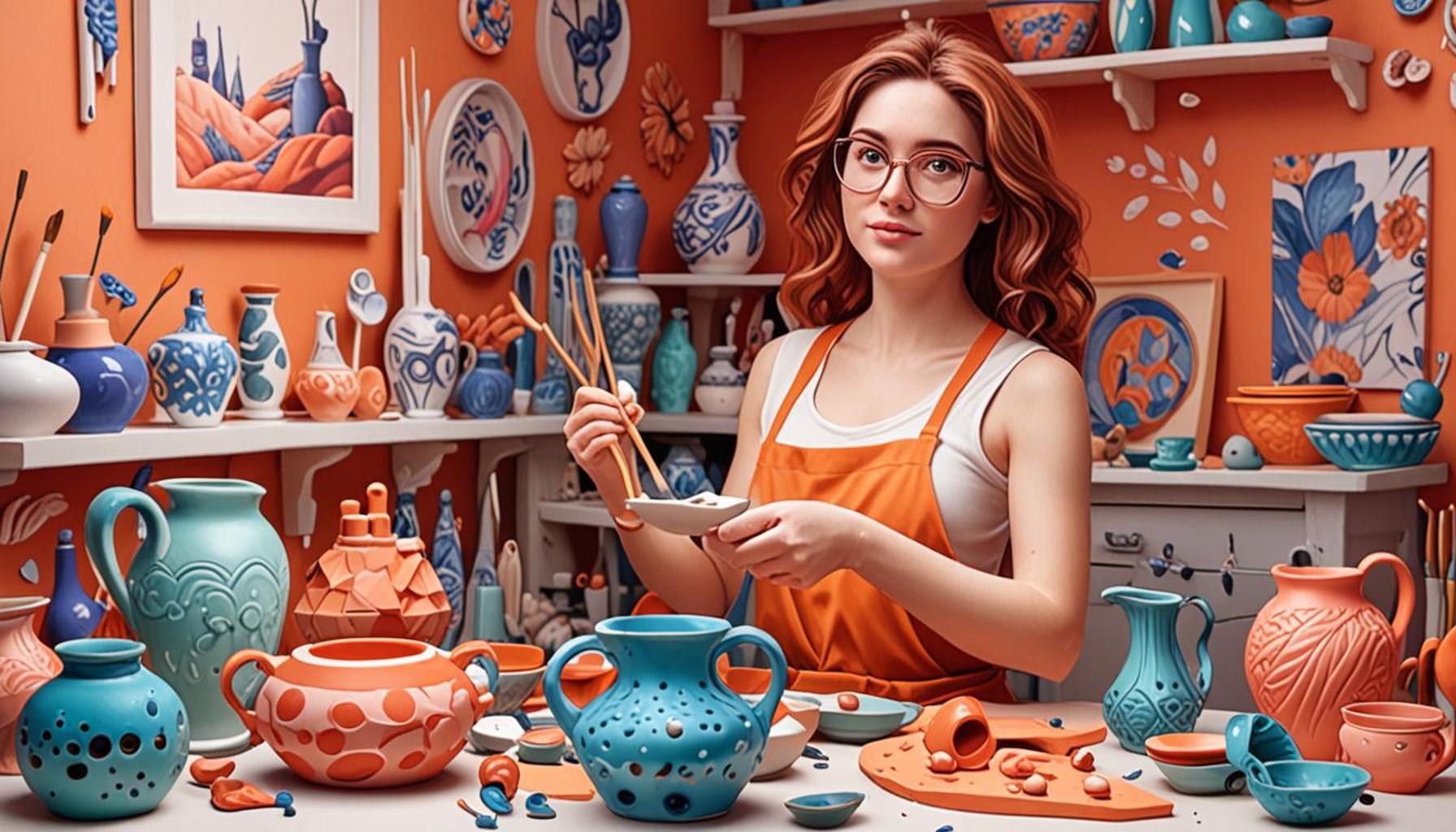
Ceramics, often perceived simply as a craft, opens vast avenues of creativity that invite a deep exploration of both technique and expression. With a history that spans thousands of years, this art form has evolved from utilitarian objects to intricate displays of personal and cultural significance. Artists manipulate clay, an ancient material, into forms that capture their emotions and ideas, allowing each piece to tell its own story. The journey from raw clay to finished artwork is both transformative and revealing, showcasing a range of textures, colors, and shapes.
Functional Art
One of the most fascinating aspects of ceramics is its duality as both functional and artistic. Pieces such as elegantly designed dinnerware or finely crafted vases serve essential purposes while also providing aesthetic pleasure. For instance, the renowned American potter, Betty Woodman, is celebrated for her colorful, sculptural vessels that blend function and artistry seamlessly. Each object encourages users to appreciate not just its utility but also the artistry that went into its creation. Such pieces enhance everyday rituals, making the mundane more exquisite and meaningful.
Mixed Media Innovation
The landscape of ceramics is not static; it is continually evolving through the incorporation of mixed media. Many contemporary artists are ambitiously blending ceramics with other materials like wood, metal, or glass, creating hybrid art forms that challenge traditional norms. An example of this could be seen in the works of artists like Jessica Hans, who integrates vivid glazes with natural textures in her ceramic creations. This fusion enhances the visual richness and complexity of artworks while inviting viewers to explore new aesthetic territories.
Cultural Significance
Ceramics also serve as a mirror reflecting the cultural heritage and histories of diverse communities. From the intricate patterns of Native American pottery to the delicate porcelain of Chinese craftsmanship, each piece encapsulates a unique narrative. For instance, the use of raku firing techniques in Japan showcases not just the skill of the artist but also centuries of traditional practices that influence modern interpretations of ceramics. Visitors to museums or galleries can immerse themselves in these histories, further enhancing their appreciation for the art form.
Today, innovations in glazing, firing techniques, and decoration are allowing ceramists to push the boundaries of what can be accomplished with this medium. Contemporary artists explore themes ranging from the natural world to abstract concepts, creating pieces that resonate with viewers on multiple levels. The tactile quality of ceramic art invites interaction and engagement, prompting observers to consider the craftsmanship and intent behind each handcrafted object.
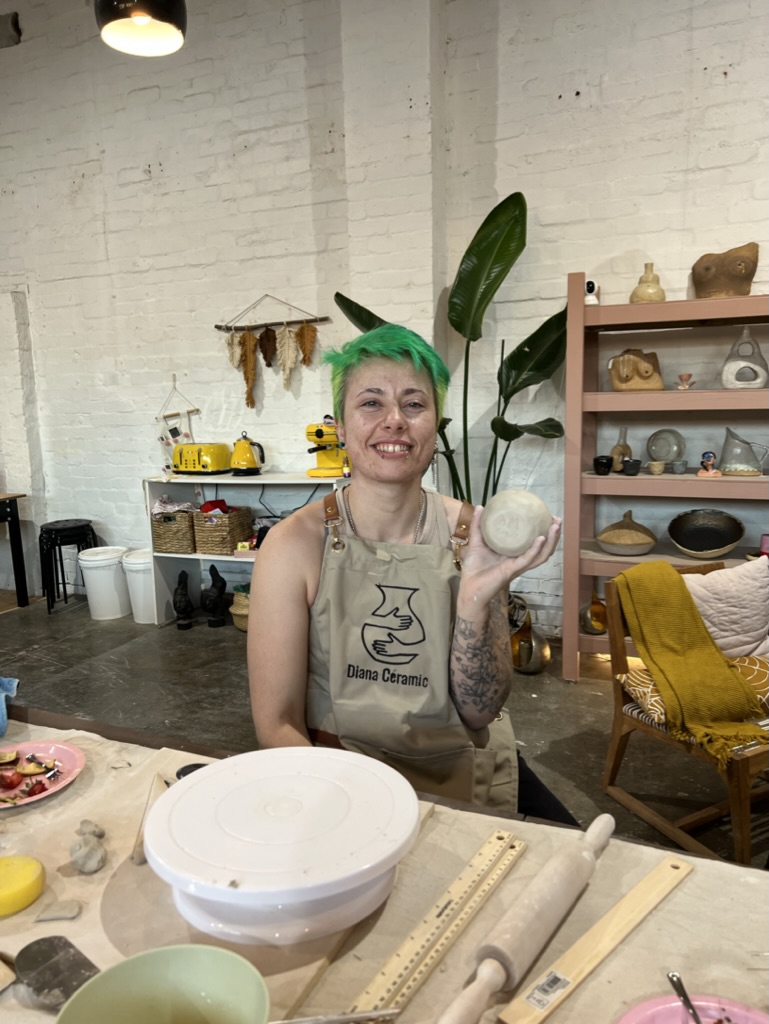
Ultimately, venturing into the world of ceramics reveals not only the technical skills required but also the profound passion that drives creators. This art form, rich in tradition and modern interpretation, fosters a dialogue that celebrates both individual artistry and shared cultural heritage. Whether one is drawn to its functionality or its artistry, ceramics continue to inspire a renewed appreciation for creativity in its many forms.
DISCOVER MORE: Click here to delve deeper
Embracing the Craft of Ceramics
The art of ceramics transcends mere functionality; it serves as a canvas for the imagination, allowing artists to express their deepest emotions and thoughts through the manipulation of clay. This ancient craft involves not just creating a shape, but also the intricate dance of *form, texture,* and *color*, mastering techniques that have been honed over centuries. From the moment the artist’s hands touch the clay to the final glazing and firing, each step contributes to a creation that is as unique as the individual artist themselves.
Traditional Techniques and Modern Interpretations
At the foundation of ceramic artistry are traditional techniques that have been passed down through generations. Many artists draw inspiration from historic pottery styles, such as the vibrant earthenware of the Southwest Native American tribes or the sophisticated porcelain from China. This fusion of traditional methodology with innovative approaches is redefining how ceramics are perceived today. For instance, many contemporary ceramists are adopting ancient techniques like *coiling* and *slab building*, while infusing modern aesthetics to create pieces that resonate with today’s audiences.
In the United States, a rising trend among ceramists is experimenting with *sustainable materials* and practices. Artists like Ben Carter are at the forefront, advocating for eco-friendly clay sources and non-toxic glazes, which not only preserve the environment but also add unique qualities to the finished pieces. Consequently, this movement emphasizes a connection to the earth that speaks volumes about the artist’s philosophy and intent.
The Role of Community and Collaboration
Ceramics also thrive in community settings where collaboration can flourish. Studios and workshops act as melting pots of talent, providing a nurturing environment for budding ceramists and seasoned artists alike. Programs such as community art classes and ceramic guilds foster shared experiences, allowing participants to learn from one another and develop their unique styles. These gatherings create a vibrant artistic dialogue, encouraging experimentation and exploration within the craft.
- Workshops: Offer hands-on experiences and opportunities to learn various ceramic techniques.
- Exhibitions: Showcase local artists and their innovative approaches to ceramics, highlighting the current trends.
- Art Fairs: Serve as platforms for emerging and established artists to connect with the community and share their work.
As ceramics continue to evolve, they maintain their relevance in the modern artistic landscape. From community collaborations to eco-conscious practices, this art form is fostering a sense of engagement that inspires both creators and audiences alike. With every thoughtfully shaped piece, the *art of ceramics* invites us to explore the limitless potential of our imagination, making each creation a personal reflection of the artist’s journey and the influences that shape their work. As we delve deeper into this captivating world, we uncover the intricate connection between art, culture, and personal expression that defines the artistry of ceramics.
| Advantage Category | Significance |
|---|---|
| Creative Expression | Ceramics allow artists to channel their imagination into tangible forms, exploring textures, colors, and shapes. |
| Sustainability | Using eco-friendly materials, ceramic art promotes a sustainable approach, bridging creativity with environmental consciousness. |
| Cultural Heritage | Ceramics preserve traditional techniques and narratives, connecting current creations to historical practices across cultures. |
| Educational Tool | Ceramics serve as an interactive medium for teaching art principles and fostering skills like patience and problem-solving. |
The exploration of ceramics not only unveils a rich tapestry of cultural history and artistic potential, but also illuminates the contemporary relevance of this ancient craft. Artists today infuse traditional methods with innovative techniques, engaging audiences in an evolving narrative. The tactile nature of ceramics offers unique opportunities for connection – viewers can appreciate the craftsmanship up close, experiencing the nuances often overlooked in digital mediums. Moreover, ceramics act as a canvas for storytelling, where each piece narrates tales of risk, resilience, and identity. As consumers grow more conscious of sustainability, the demand for handmade, ethically produced ceramics is surging, inviting a new generation of creators to emerge. This intertwining of artistry and responsibility invites all to not just appreciate, but also participate in the ongoing dialogue of “The Art of Ceramics.” Whether as a maker or a collector, the possibilities for engagement are endless.
DIVE DEEPER: Click here to discover the transformative power of journaling
Innovative Techniques and Technology
As the realm of ceramics continues to stretch the boundaries of imagination, artists are embracing *innovative techniques* and the latest technologies to enhance their craft. The integration of digital tools, such as 3D printing, is revolutionizing the way ceramists approach design. Artists like *Jonathan Keep* are pioneering the use of 3D printing in ceramics, allowing for a precision and complexity that traditional hand-building methods may not achieve. This melding of traditional artistry with cutting-edge technology presents new opportunities for *creativity*, enabling artists to push the limits of form and structure in ceramics.
Glazes: The Final Flourish
One of the most captivating aspects of ceramics lies in the art of glazing. The glaze not only adds a layer of visual appeal but plays a critical role in the final finish of each piece. The chemistry involved in creating glazes is a fine art itself, requiring knowledge of *materials, firing temperatures,* and the effects of various minerals. Modern ceramists are experimenting with a melting pot of colors, textures, and finishes ranging from glossy to matte, creating pieces that reflect personal stories and cultural heritage.
Additionally, artists are increasingly tapping into the natural world for their glazing solutions. Techniques such as *ash glazing*, which involves using wood ash to create unique textures and colors, are gaining popularity. This method connects the artist directly to their landscape, imbuing each piece with an element of its origin. Moreover, the resurgence of interest in *historical glazing techniques*, like celadon and shino from Japan, highlights a movement toward reverence for the past intermingled with modern sensibilities.
Ceramic Art in Education and Therapy
The influence of ceramics extends beyond aesthetics; it is increasingly recognized for its educational and therapeutic benefits. Many educational institutes across the United States incorporate ceramics into their art programs, teaching students not just the skills of craftsmanship but also the value of creative problem-solving and self-expression. Programs like those offered by the *Incredible Edible Project* integrate ceramics into gardening initiatives, using pottery as a medium to explore sustainable practices while enhancing student engagement in environmental stewardship.
Furthermore, ceramics are finding their place in therapeutic settings, such as art therapy programs aimed at promoting mental health and wellness. Engaging in the tactile process of shaping clay allows individuals to express emotions non-verbally, fostering mindfulness and relaxation. Studies have highlighted the benefits of such creative therapies, demonstrating that working with clay can lower stress levels and promote a greater sense of self-awareness.
- Workshops for All Levels: Many organizations offer workshops that cater to all skill levels, encouraging newcomers to explore their creativity.
- Community Exhibitions: Local galleries are increasingly showcasing ceramic art, enabling artists to reach wider audiences and gain recognition.
- Therapeutic Programs: Community centers and mental health organizations are integrating ceramics into their services, highlighting its healing capabilities.
With a vibrant blend of tradition, innovation, and community enthusiasm, the art of ceramics remains a vital and dynamic form of expression. Each piece, shaped by the hands of its creator, embodies the *interplay of imagination* and craftsmanship, offering a glimpse into the myriad influences that shape contemporary ceramic art in the United States. From educational initiatives to therapeutic applications, the connections formed through this ancient craft continue to resonate, enriching lives and fostering creativity within diverse communities.
DISCOVER MORE: Click here to dive deeper
Conclusion
In conclusion, the art of ceramics stands as a testament to the boundless creativity and cultural significance that can be derived from clay. By intertwining age-old traditions with modern technological advancements, such as 3D printing and innovative glazing techniques, contemporary artists are not only reshaping the material world but also redefining how we perceive and interact with art. Each ceramic piece tells a unique story, encapsulating the artist’s vision and the influences of their environment, which resonates deeply with viewers.
Moreover, ceramics continue to foster community engagement and personal growth, serving as a valuable medium in education and therapy. As programs integrating ceramics into classrooms and wellness initiatives proliferate, the medium reveals its dual capacity for artistic expression and emotional healing. These connections to community and culture highlight the importance of ceramics as a versatile and accessible art form.
As we embrace the extraordinary potential of ceramics, the future looks promising. The ongoing exploration of techniques and materials invites new artists to participate in this dynamic form of expression. Whether through workshops, exhibitions, or therapeutic avenues, the journey through clay not only inspires imagination but also forges connections that enrich our understanding of the human experience. The art of ceramics remains a vital and continually evolving field, poised to inspire generations to come.
Related posts:
The Magic of Free Drawing: Exploring Emotions Through Art
The Art of Origami: Transforming Paper into Stories and Emotions
The Magic of Creative Writing Transform Ideas into Captivating Stories
Creating Worlds: The Importance of Clay Modeling in Creative Expression
The Art of Storytelling: How Telling Stories Can Free Your Creativity
Visual Poetry: Uniting Words and Images for Creative Expression

Linda Carter is a writer and creative hobbies expert specializing in crafting, DIY projects, and artistic exploration. With extensive experience helping individuals discover their creative potential and bring their ideas to life, Linda shares her knowledge on our platform. Her goal is to empower readers with practical tips, inspiring ideas, and step-by-step strategies for success in the world of creative hobbies.