Shadow Theatre: A Unique Way of Telling Stories Through Light and Shadow
The Enigmatic Art of Shadow Theatre
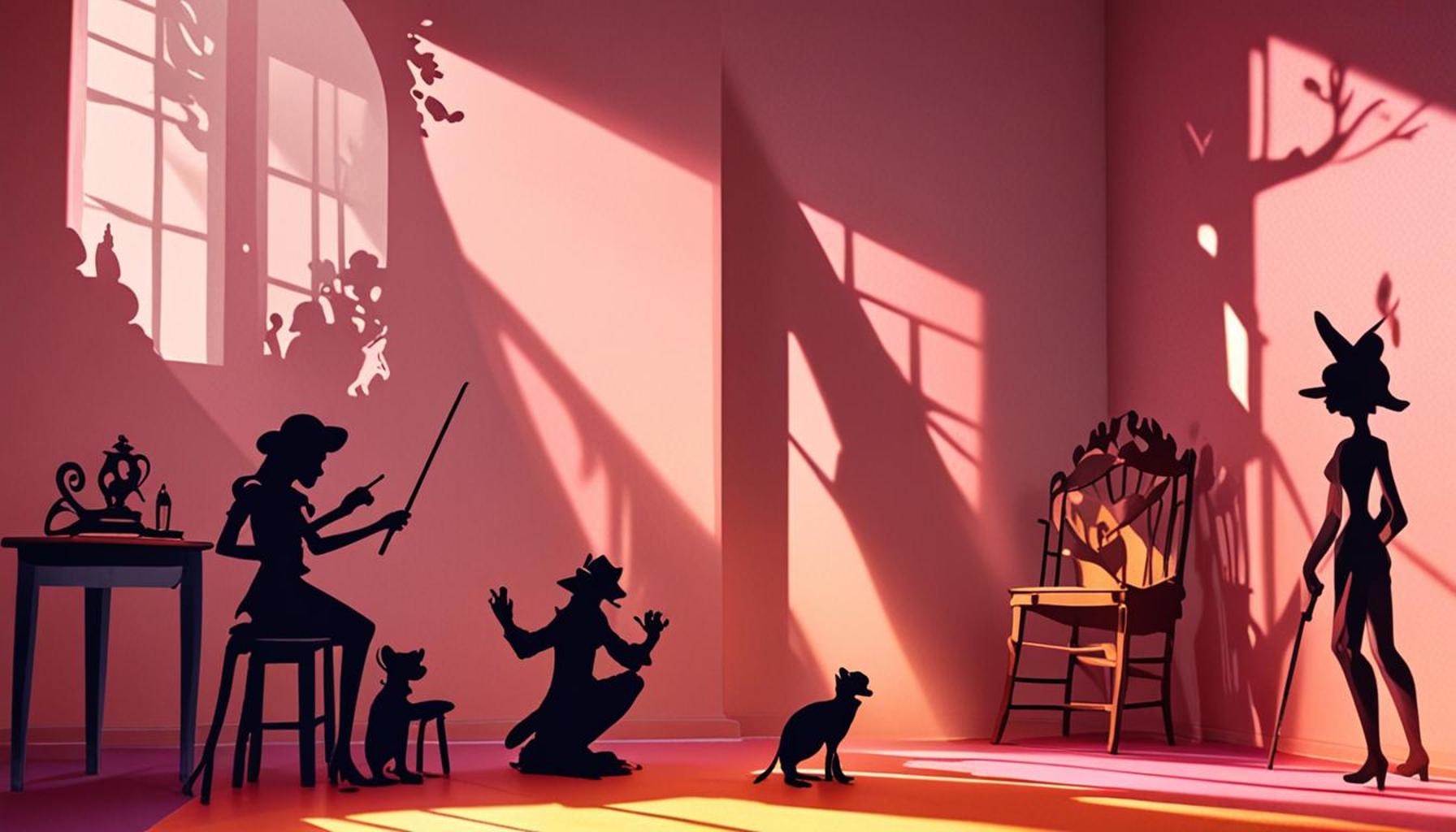
Picture a stage illuminated only by flickering light, where the contours of crafted figures dance across a screen, creating a narrative that transcends spoken words. This is the essence of shadow theatre, an age-old art form that melds visual aesthetics with storytelling in a way that captivates the imagination. Through the interplay of light and shadow, performers evoke a visceral emotional experience, underscoring the power of visual storytelling.
Shadow theatre traces its origins to various cultures around the globe, each contributing its unique flair and techniques. For instance, Indonesian Wayang Kulit features intricate leather puppets that represent characters from folklore and mythology, while Turkish Shadow Theatre, known as Karagöz, employs vibrant characters to depict comedic tales that often critique societal norms. These diverse styles illustrate the art form’s worldwide appeal and adaptability, allowing it to capture the essence of varied cultural narratives.
- Visual storytelling: Utilizing shadows as the primary medium, artists transport audiences into an alternate reality where emotions are expressed through movement and form. The lack of spoken dialogue often makes this art particularly poignant, forcing the audience to engage with the nuances of body language and artistic interpretation.
- Artistic interpretation: Each shadow puppet troupe showcases its distinct style, with performers infusing personal experiences and interpretations into their shows. This personalization means that no two performances are ever alike, as individual artistry shines through.
- Cultural significance: The tradition of shadow theatre is deeply ingrained in many societies. For example, in China, the ancient art of “shadow play” remains a popular form of entertainment, often incorporating live music and elaborate storytelling that reflects regional customs and beliefs.
In recent years, shadow theatre has been rediscovered and redefined in the United States, with artists weaving modern themes into traditional frameworks. For instance, contemporary American shadow puppetry often addresses issues like social justice, environmental concerns, and personal narratives that resonate with today’s audiences.
- Puppetry: The Shadow Puppet Theater in New York City frequently showcases performances that reinterpret classic stories, making them relevant to a current audience through stunning visual artistry—think of tales infused with modern context, appealing to both young and old.
- Performances: Festivals and exhibitions in major American cities, including San Francisco and Chicago, regularly spotlight shadow theatre alongside other performing arts, illustrating its versatility and inviting audiences from diverse backgrounds to engage with the art form.
- Workshops: Throughout the country, community theaters and cultural centers host workshops, encouraging people of all ages to explore shadow theatre making their own puppets and stories. This hands-on experience fosters a deeper appreciation for the craft and its history.
As shadow theatre continues to evolve, it serves as a powerful reminder of the timelessness of storytelling and the creativity that comes from the fusion of light and shadow. Whether through the lens of political discourse or personal experiences, this art form beckons audiences to explore its depths, uncovering the beauty and complexity of human emotions and stories locked within the shadows.
DIVE DEEPER: Click here to discover more
The Artistry Behind Shadow Theatre
At its core, shadow theatre is an immersive experience that captives audiences by allowing them to peer into a world built entirely from light and shadow. The puppets, often meticulously crafted from materials like leather or paper, are brought to life through the deft hands of skilled performers. As these figures move against the illuminated backdrop, complex stories unfold that resonate with viewers on multiple levels.
One of the defining characteristics of shadow theatre is its ability to convey complex emotions and narratives through visual means alone. Unlike traditional theatre, where dialogue carries significant weight, shadow theatre relies heavily on the subtleties of movement, shape, and form to engage the audience. This inherent visual storytelling aspect fosters a unique connection, as spectators find themselves interpreting the nuances of the performance without the influence of spoken word. It challenges the viewers to lean into the visual experience, providing a space for personal interpretation that can vary widely among individuals.
Across various cultures, shadow theatre has played a pivotal role in storytelling, often reflecting the values and beliefs of the society from which it originates. The Indonesian Wayang Kulit, for example, is more than just an entertaining spectacle; it embodies centuries of tradition, often involving religious epics and moral tales that celebrate heritage and community. In contrast, Turkish Karagöz performances provide a platform for social commentary, employing humor to highlight societal flaws and encourage discussion. These cultural significances highlight the adaptability of shadow theatre, ensuring its relevance through generations.
- Historical Roots: Dating back to ancient civilizations, shadow theatre has been found in various forms in countries such as India, Egypt, and Greece. Each iteration brings its unique history and significance, as local folklore and mythology often dictate the tales told.
- Modern Innovations: Today’s shadow theatre artists are merging traditional puppetry with modern technology. Projections, intricate light techniques, and digital animations are being incorporated to create layered visual tales that resonate with contemporary themes.
- Collaborative Nature: Shadow theatre often thrives on collaboration between artists from diverse disciplines. Musicians, illustrators, and visual artists contribute to the storytelling process, enhancing the auditory and visual experience of the performance.
Across the United States, this revival of shadow theatre is sparking curiosity and fostering creativity. Artistic collectives and venues in cities like New York and Los Angeles are experimenting with this ancient art form, incorporating contemporary motifs that reflect current societal challenges. From political narratives to personal stories, these modern adaptations are reimagining how shadow theatre can serve as a powerful vehicle for expression and connection.
As audiences become more engaged with this ephemeral art form, the appreciation for its historical roots and future potential flourishes. Through light and shadow, shadow theatre continues to weave a tapestry of storytelling that invites both introspection and collective reflection, reminding us all of the power of narratives shared beneath the veil of darkness.
| Advantages | Unique Characteristics |
|---|---|
| Visual Storytelling | Engages audiences through captivating silhouettes and dramatic lighting. |
| Cultural Heritage | Showcases traditional narratives that celebrate a community’s history and values. |
| Intimacy & Engagement | Creates a personal connection as stories unfold in real-time before the viewer’s eyes. |
| Accessibility | Allows various audiences to engage due to its simple yet profound visual appeal. |
Shadow theatre is not merely an art form; it is an immersive experience that transcends language and cultural barriers. The play of light and shadow creates a mesmerizing spectacle that draws audiences into enchanting narratives. Through the use of props and skilled performers, shadow theatre offers a unique platform for storytelling that emphasizes creativity and imagination.Additionally, it serves as a conduit for preserving cultural narratives, ensuring that traditional tales are passed down through generations. This art form can transform any space into a theatre, making it an accessible option for communities around the world. The blend of artistry and storytelling in shadow theatre not only entertains but also educates, highlighting themes that resonate with audiences of all ages. For those curious about exploring this captivating medium, shadow theatre opens the door to a world where stories are told in the most visually stunning ways possible.
DISCOVER MORE: Click here to uncover the connection between nature and creativity
The Cultural Relevance of Shadow Theatre Today
As societies evolve, so too does the art of shadow theatre, adapting to the times while still maintaining its rich traditions. In many parts of the world, new generations are rediscovering this evocative form of storytelling, ensuring that its cultural heritage remains alive and relevant. In the United States, the resurgence of interest in shadow theatre echoes a broader cultural wave that seeks authenticity in storytelling and the celebration of diverse narratives.
This cultural renaissance is particularly evident in educational settings, where shadow theatre is being embraced as a valuable tool for creative expression. Workshops and programs in schools and community centers are teaching young people the technical skills required to create their own puppet characters and narratives. This hands-on approach not only fosters artistic abilities but also encourages teamwork and collaboration, as students often work together to develop their stories. Shadow theatre thus serves not only as an artistic outlet but also as a means of building community among participants.
Moreover, the accessibility of modern technology has made it easier for artists to innovate within the medium of shadow theatre while still respecting its traditional origins. The use of digital projections and advanced lighting techniques allows performers to create immersive environments that enhance the storytelling aspect without detracting from the power of shadow itself. Notable examples include creators like Puppet Show, Inc., based in Los Angeles, who have embraced both technology and traditional techniques to offer performances that captivate audiences of all ages. Whether it’s through workshops or live performances, these artists are reinventing shadow theatre and expanding its reach.
Significantly, shadow theatre has also emerged as a compelling medium for social activism. Visionary companies such as ShadowLight Productions utilize the unique art form to address pressing social issues, tackling themes of oppression, identity, and resilience. Their performances often create dialogue around vital contemporary topics, inviting audiences to engage not only as spectators but also as participants in discussions that follow. This transformative capacity underscores the potential of shadow theatre to transcend entertainment and become a catalyst for change.
- Global Collaborations: In an increasingly interconnected world, artists from different countries are collaborating to share their diverse techniques and stories. These partnerships enrich the art form and encourage a cross-cultural exchange of ideas, expanding the scope of what shadow theatre can represent.
- Digital Platforms: The rise of social media and online content-sharing platforms has allowed shadow theatre to reach new audiences beyond traditional theaters. Artists are sharing short performances and tutorials online, providing visibility to this unique form of storytelling.
- Interdisciplinary Approaches: Shadow theatre’s versatility is demonstrated through its intersections with other art forms, such as dance, music, and visual arts. By collaborating with artists across various disciplines, shadow theatre continues to evolve, creating multidimensional experiences for viewers.
Through these numerous avenues, shadow theatre is undeniably carving out a modern identity while paying homage to its historical roots. Whether through educational outreach, technological innovations, or social activism, this art form stands as a testament to the enduring power of stories told through the dance of light and shadow, inviting audiences to explore the layers of meaning that unfold in the flicker of the dark.
DIVE DEEPER: Click here to explore the sounds of the world
Conclusion: The Enduring Magic of Shadow Theatre
In a rapidly changing world where stories are told through various media, shadow theatre stands out as a captivating art form that marries tradition with innovation. As we have explored, its ability to adapt to contemporary themes and technologies ensures that it remains a relevant vessel for cultural expression. The fusion of ancient techniques with modern advancements, such as digital projections and social media platforms, invites both seasoned artists and novices alike to engage with this enchanting storytelling medium.
Moreover, the resurgence of interest in shadow theatre within educational settings exemplifies its importance as a tool for fostering creativity and collaboration among young storytellers. By empowering the next generation to explore their narratives through shadows and light, communities strengthen their cultural ties and appreciate the shared human experience crafted in the ephemeral quality of shadow.
As shadow theatre increasingly serves as a platform for social commentary and activism, it engages audiences in critical dialogues about pressing societal issues. This transformative capacity not only entertains but also invites us to reflect on our own stories and the world around us.
Ultimately, shadow theatre serves as a reminder of the profound power of storytelling—a unique art form that transcends mere performance to illuminate our shared humanity. As audiences continue to seek authenticity and connection, the flickering silhouettes cast by shadow theatre will undoubtedly inspire future generations to explore the narratives woven through the interplay of light and shadow. The journey of shadow theatre is far from over; rather, it is just beginning to reveal the endless possibilities of stories yet to be told.
Related posts:
Creating Worlds: The Importance of Clay Modeling in Creative Expression
Visual Poetry: Uniting Words and Images for Creative Expression
Abstract Painting Art Expressing Emotions Through Colors and Shapes
The Magic of Creative Writing Transform Ideas into Captivating Stories
Creative Writing as Liberation: Exploring Imagination Through Stories and Chronicles
The Art of Storytelling: How Telling Stories Can Free Your Creativity

Linda Carter is a writer and creative hobbies expert specializing in crafting, DIY projects, and artistic exploration. With extensive experience helping individuals discover their creative potential and bring their ideas to life, Linda shares her knowledge on our platform. Her goal is to empower readers with practical tips, inspiring ideas, and step-by-step strategies for success in the world of creative hobbies.