How Traditional Music Shapes Modern Creative Practices A Deep Dive
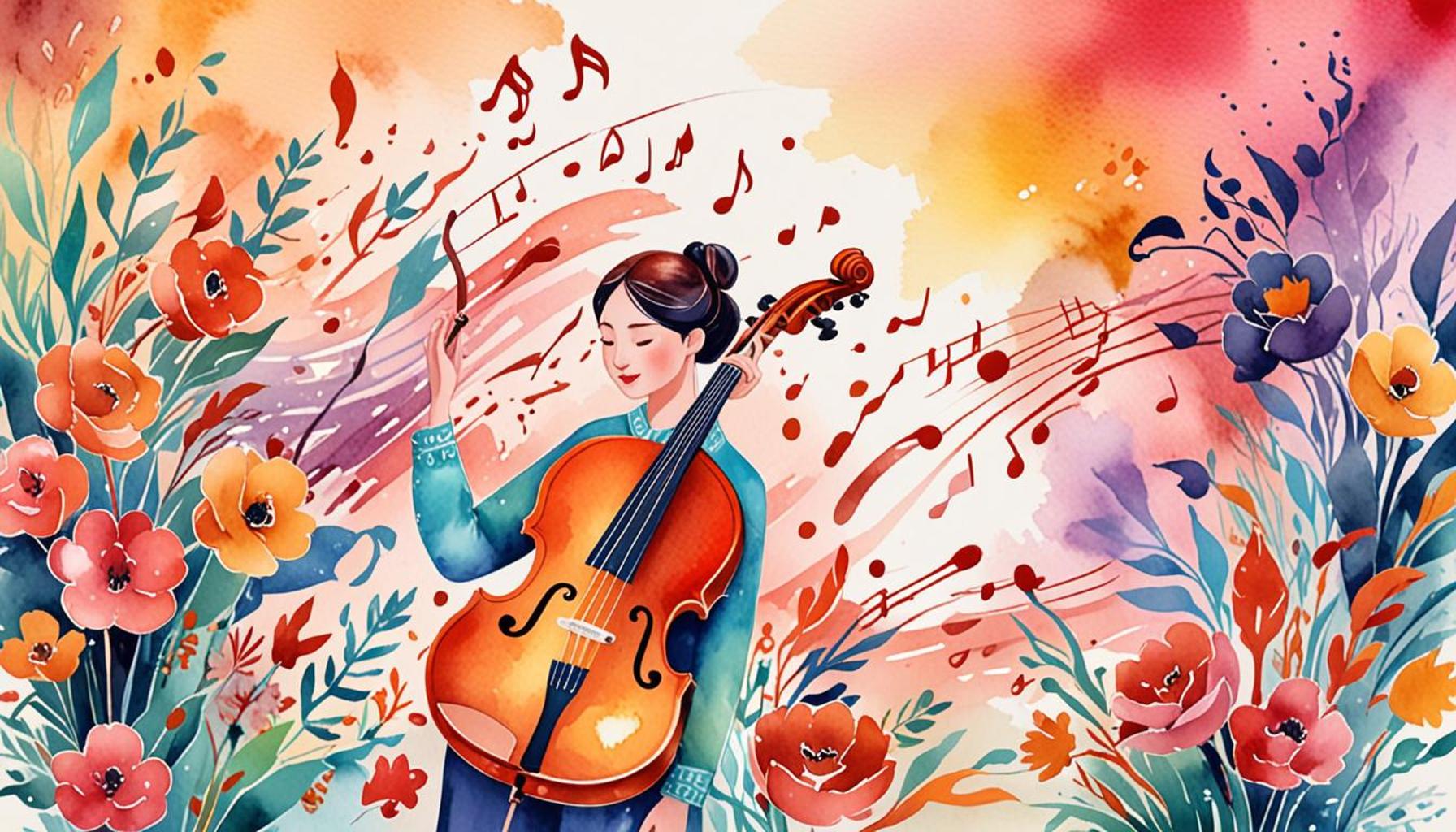
The intersection of traditional music and modern creative practices has become a captivating subject of exploration. As artists, designers, and hobbyists seek inspiration, the rhythms and harmonies of age-old melodies increasingly inform contemporary expressions. This synergy not only enriches individual creativity but also fosters a deeper appreciation for cultural heritage.
This article delves into the ways in which traditional music influences various creative hobbies by highlighting its significance in the creative process. With its profound impact, traditional music serves as a wellspring of inspiration for:
- Visual arts, bringing new perspectives to artistic expression
- Writing, infusing narrative with rich cultural tones
- Cuisine, bridging culinary traditions with modern gastronomy
- Dance, enriching movements with historical context
- Fashion, where styles are interwoven with cultural narratives
Join us as we explore the top five ways traditional music shapes these modern practices, inviting you to discover how the echoes of the past continue to resonate in today’s creative endeavors.
Top 5: The Influence of Traditional Music on Modern Creative Practices
Traditional music, entrenched in the essence of cultural identity, pulses as the heart of societies worldwide. Over centuries, these auditory legacies have inspired and nurtured creative spirits across various artistic fields. As modern creators innovate and evolve, they often return to these rich sources of traditional music to evoke emotional profundity and aesthetic depth, crafting projects that resonate with both ancient echoes and contemporary beats. This article delves into the profound influences of traditional music on modern creative practices, underscoring five pivotal areas where this dynamic interplay catalyzes imaginative synthesis.
5. Visual Arts: Color and Rhythm in Painting
The realm of visual arts thrives on sensory influence, with traditional music serving as a stirring muse. Artists who listen to traditional melodies while working may find that these sounds dictate their brushwork’s rhythm and their palette’s vibrancy. Echoing indigenous chants or folklore tunes can transport creators to distant landscapes, enabling them to capture the geography and itself emotion in visual form.
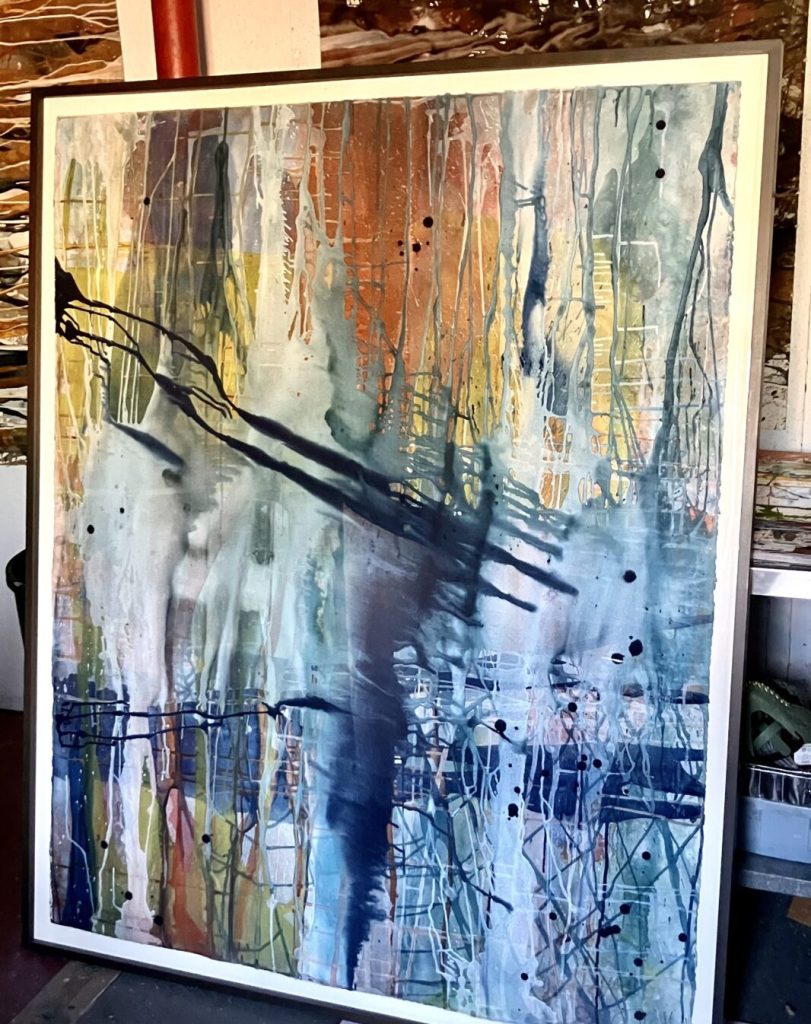
Workshops blending traditional musical experiences with painting have burgeoned in popularity, offering participants an immersive exploration of cross-disciplinary inspiration. This not only fosters a unique artistic expression but also honors cultural legacies through vivid, innovative visual narratives.
- Color Symbolism: Many musical traditions assign specific colors to emotional states or cultural symbols, which artists then interpret on canvas, enriching their works with layered meanings.
- Rhythmic Brushwork: The tempo and structure of music can stimulate dynamic brush techniques, allowing painters to infuse energy and movement into static images.
- Collaborative Projects: In multimedia installations, visual artists often collaborate with musicians, creating vivid dialogues between auditory and visual stimuli that captivate audiences.
4. Culinary Arts: Cooking with a Soundtrack
In culinary arts, where sensory appeal extends beyond taste, traditional music provides an auditory backdrop that enriches cooking techniques and dining atmospheres. For contemporary chefs, musical influences bring forth the depth and vibrancy of cultural food traditions. The rhythm and melody associated with specific cuisines offer chefs new perspectives in crafting and presenting dishes.
Furthermore, traditional music can elevate a dining experience, deliberately or subconsciously steering emotional reactions to culinary presentations to achieve full-sensory engagement.
- Flavor Profiles: Chefs, inspired by auditory cues, devise recipes that evoke memories and emotions, often leading to modern interpretations of classic dishes.
- Mood Setting: Playing traditional music in dining spaces can enhance atmospheres, engaging diners deeper into the cultural roots of the served cuisine.
- Culinary Events: Food festivals featuring live traditional music performances create festive environments that celebrate both culinary and musical heritage.
3. Dance: The Rhythm of Tradition
Dance, a cultural expression intimately entwined with music, finds deep roots in traditional harmonies. While many modern dance styles have inherited movements from historical routines, they continuously evolve by incorporating traditional elements. This fusion generates novel performances that maintain cultural narratives while pushing the expressive boundaries of movement.
Traditional music often provides the narrative framework for dances, with its stories translated into potent bodily expressions. Thus, this art form is accentuated through cultural retelling, engaging and educating audiences seamlessly.
- Fusion Styles: Choreographers blend classical steps with contemporary elements, forging innovative forms that captivate audiences through familiarity and surprise.
- Storytelling: Dancers embody the rich tapestries of stories woven by traditional tunes, enabling performances that communicate more intensively.
- Workshops and Collaborations: Offering spaces where dancers can freely explore the synchronicity between music and movement, workshops elucidate the creative potential residing at this artistic junction.
2. Film and Theater: Soundtracks of Culture
The mediums of film and theater harness the evocative power of traditional music to imbue narratives with authenticity and emotive weight. Filmmakers employ soundtracks reminiscent of cultural origins to embed viewers deeply within the story’s setting, allowing for more immersive and resonant storytelling.
Through intentional integration of traditional music, theater directors emphasize thematic elements, amplify character emotions, and highlight cultural contexts, thus bridging audience members intimately with the performed narratives.
- Authentic Soundtracks: Utilizing traditional instruments or vocal styles imbues films and theater productions with a sense of authenticity that honors the source material.
- Cultural Representation: Music serves as a conduit for portraying diverse cultural narratives, promoting a greater appreciation and understanding across different communities.
- Emotional Impact: The emotive richness found in traditional melodies serves to deepen connections with the audience, often eliciting profound emotional responses.
1. Music: The Bridge Between Old and New
At the heart of this analysis is music itself, illustrative of how traditional and modern exist harmoniously. In contemporary settings, artists frequently sample traditional music to craft compositions that nod to historical lineage while communicating modern narratives. This intricate blending of the past with the present inspires new musical genres and helps preserve cultural integrity.
Musicians embrace their musical heritage, taking traditional motifs and rhythms and weaving them into the fabric of today’s sound landscapes, enriching various genres from pop to hip-hop, jazz to electronic.
- Sampling and Remixing: Artists today often borrow traditional melodies or rhythms, reshaping them into fresh contexts that resonate with modern listeners while respecting their origins.
- Cultural Preservation: By integrating traditional elements into contemporary works, musicians support the continuity and appreciation of cultural practices and sounds across generations.
- Cross-Genre Innovation: This sonic dialogue creates innovative musical hybrids, emerging as influential trends in the global music scene.
In conclusion, the ever-evolving relationship between traditional music and modern creative practices underscores a profound interconnection between the past and the present. Whether inspiring a painter’s palette, a chef’s recipe, a dancer’s leap, a filmmaker’s score, or a musician’s harmony, traditional music remains a vital and dynamic force within the creative process, encouraging artists to craft new narratives enriched with historical depth.
| Category | Description |
|---|---|
| Cultural Identity | Integrating traditional music can help affirm and preserve cultural identities, allowing new generations to connect with their heritage. |
| Innovation and Experimentation | Modern artists often blend traditional sounds with contemporary techniques, resulting in unique fusion genres that capture diverse audiences. |
| Community Engagement | Events centered around traditional music foster community spirit and collaboration among artists, enriching cultural dialogues. |
| Emotional Resonance | Traditional music often evokes strong emotions and memories, enhancing the emotional depth of modern creative works. |
Integrating the resonances of traditional music into modern practices not only underscores a cultural richness but also encourages a vibrant interplay between the past and present. For example, musicians like Yo-Yo Ma have explored cross-cultural collaborations, emphasizing the fluidity of musical traditions and their role in fostering global artistic dialogues. Such efforts make certain that the essence of traditional music remains not just valid, but dynamically relevant in the contemporary art scene. Furthermore, events celebrating traditional music—like folk festivals—have seen a resurgence in popularity, illustrating how communities seek to reconnect and engage with their roots while embracing modern artistry. As these gatherings often transcend mere performance, they create an atmosphere that nurtures friendship and artistic partnership, thus fueling further creativity. The impact of traditional music can also be seen in visual arts, where motifs inspired by folklore and ancestral themes begin to dominate contemporary creations. Artists are leveraging these influences to provide a rich narrative depth that resonates on multiple levels, often addressing issues of social identity and historical awareness. With each note played and each rhythm adopted, the saga of traditional music continues to influence modern creative practices, leaving traces that artists and audiences alike can experience viscerally and profoundly.
FAQs on the Influence of Traditional Music in Modern Creative Practices
What role does traditional music play in modern creative processes?
Traditional music serves as a profound source of inspiration and is a valuable repository of cultural heritage. It provides a rich palette of sounds, stories, and techniques that modern artists can draw on to innovate and create new works. By incorporating elements from traditional music, artists can blend the old with the new, fostering unique and hybrid artistic expressions.
How do contemporary artists integrate traditional music into their work?
Contemporary artists often integrate traditional music by sampling melodies, adapting traditional instruments, or infusing rhythmic patterns from folk traditions into modern compositions. This process not only honors the past but also bridges cultural gaps, allowing for a global fusion of styles that transcend geographical boundaries. Additionally, collaborations between traditional musicians and modern artists are increasingly common, resulting in dynamic and innovative works.
Can the preservation of traditional music coexist with modern innovations?
Yes, the preservation of traditional music can coexist with modern innovations. In fact, the digital age has made it easier to document, preserve, and share traditional music worldwide. This accessibility ensures that traditional sounds remain relevant and provides a rich tapestry for modern artists to explore. By integrating traditional elements into contemporary works, artists can help to sustain these cultural expressions, ensuring they continue to evolve and resonate with new generations.
Are there any examples of specific modern works influenced by traditional music?
There are numerous examples of modern works influenced by traditional music. For instance, many film scores incorporate folk music elements to evoke authentic atmospheres related to a story’s setting. The music of celebrated artists, such as Paul Simon’s “Graceland” album, showcases how traditional African music can be woven into pop music to create something entirely new yet deeply rooted in cultural tradition.
Why is it important for modern creative practices to draw on traditional music?
The importance of drawing on traditional music in modern creative practices lies in its ability to offer diversity and depth to contemporary artistic expressions. It also serves as a link between generations, ensuring that cultural legacies are not lost but rather celebrated and evolved. By engaging with traditional music, artists contribute to a continuum that honors history while embracing the future, fostering resilience and innovation in the arts.
Conclusion
The intertwining of traditional music with modern creative practices provides a fascinating insight into the evolution of artistic expression. This exploration into “A Influência da Música Tradicional nas Práticas Criativas Modernas” has uncovered some remarkable observations about how age-old rhythms and melodies continue to shape today’s creative landscape.
Firstly, traditional music serves as a vital source of inspiration for artists across various creative domains. The preservation of cultural heritage through music allows for a deeper exploration and reinterpretation of these conventional sounds, fostering innovation while honoring the past. Secondly, we have seen that traditional music significantly influences the emotional depth and storytelling of modern compositions, adding layers of meaning and authenticity to contemporary works.
Moreover, the blending of traditional and modern elements often results in cross-cultural collaborations that celebrate diversity and global connectivity. This amalgamation creates new genres and forms that revitalize and expand the scope of modern art. Additionally, as artists continue to integrate these influences into their work, they cultivate a space for dialogue and understanding across generations and cultures, reinforcing the universal language of music.
In conclusion, the enduring impact of traditional music on creative hobbies cannot be overstated. It not only enriches the artistic process but also strengthens the bonds between communities and cultures worldwide. The ongoing exploration of traditional influences within the realm of contemporary creativity promises to yield extraordinary new expressions and evolutions. As we move forward, it is essential for artists and enthusiasts alike to delve deeper into these influences, seeking new insights and forming a bridge between the past and the future of artistic innovation.
Related posts:
The Role of Documentary Photography in the Preservation and Exploration of Local Cultures
Exploring Traditional Music as a Form of Creative Expression
The Role of Literature in Exploring and Valuing Diverse Cultures
The Intersection of Technology and Traditional Arts in Cultural Exploration
Exploring Traditional Games as Forms of Art and Cultural Connection
The Music of the World: Discovering New Instruments and Styles in Creative Projects

Linda Carter is a writer and creative hobbies expert specializing in crafting, DIY projects, and artistic exploration. With extensive experience helping individuals discover their creative potential and bring their ideas to life, Linda shares her knowledge on our platform. Her goal is to empower readers with practical tips, inspiring ideas, and step-by-step strategies for success in the world of creative hobbies.