How Creative Hobbies Can Help Overcome Personal Challenges
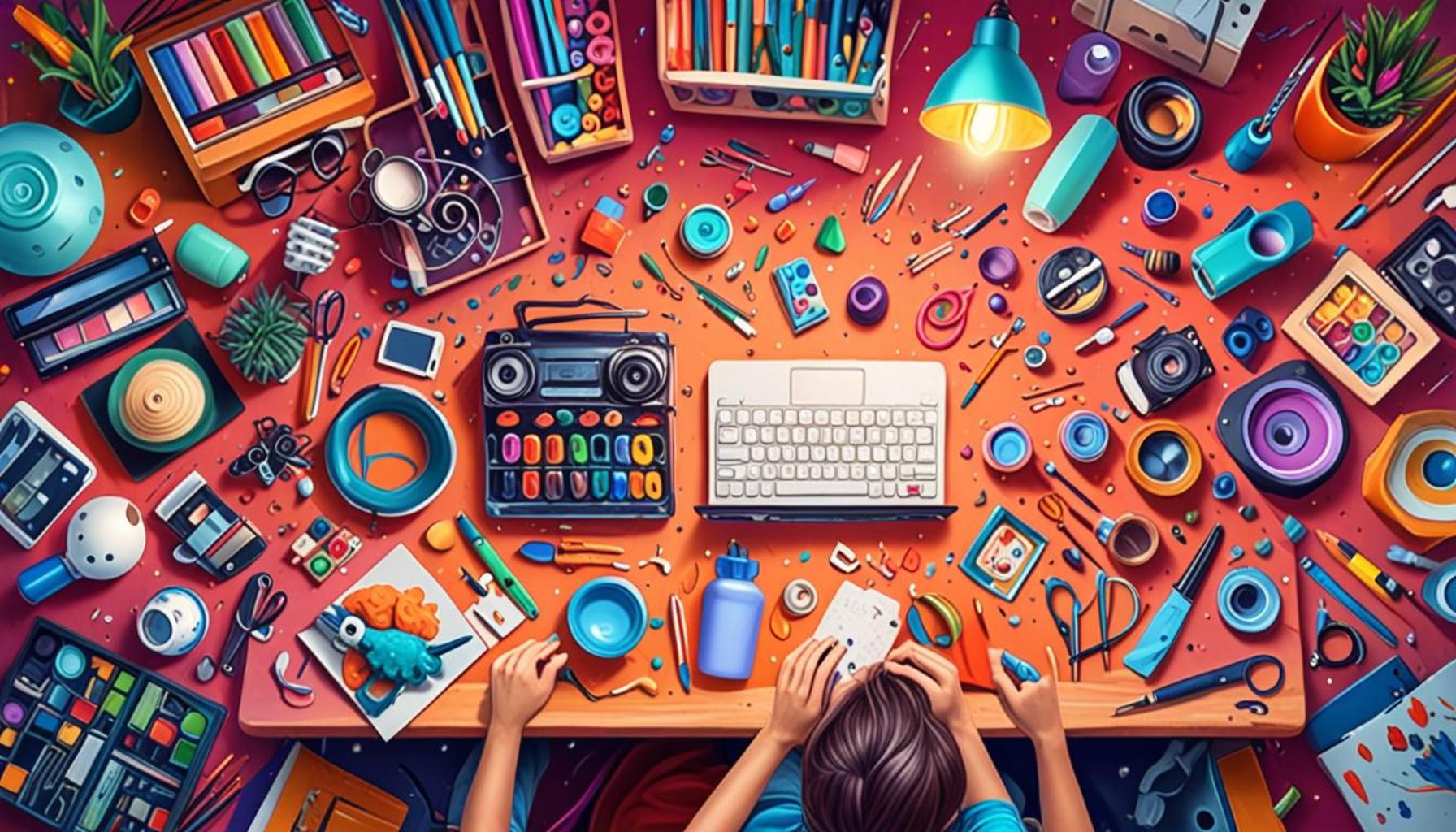
Unveiling the Benefits of Engaging in Creative Hobbies
In a world where personal challenges are increasingly common, many people seek effective ways to cope. Creative hobbies offer an outlet that not only fosters self-expression but also helps individuals navigate their struggles. Whether dealing with stress, anxiety, or grief, engaging in creativity can bring remarkable benefits.
Here are some ways creative hobbies can serve as valuable tools:
- Improved Mental Health: Activities like painting or writing can reduce symptoms of depression and anxiety. Research has shown that individuals who engage in artistic endeavors frequently report lower stress levels and higher feelings of satisfaction. For example, studies conducted by the American Journal of Public Health indicated that individuals participating in arts-based activities experienced significant reductions in anxiety and depressive symptoms.
- Enhanced Problem-Solving Skills: Engaging with creative tasks encourages innovative thinking and adaptability. Consider the process of solving puzzles, whether in visual arts or crafts—these activities require individuals to think outside the box and develop unique solutions. For instance, finding ways to repurpose materials during crafting can ignite a person’s natural creativity and resourcefulness.
- Social Connections: Joining classes or groups can facilitate new friendships and community support. Many art studios and community centers across the United States offer workshops that allow participants to explore their creative interests while meeting others with similar passions. For example, pottery classes not only teach valuable skills but also create an environment fostering collaboration and friendship among participants.
In the United States, countless individuals have turned to various forms of creativity during trying times. From pottery classes in local studios to virtual writing workshops, the country is bustling with opportunities to explore artistic skills. During the pandemic, many people discovered online platforms like Skillshare and Coursera, which offer a plethora of classes aimed at nurturing creativity while allowing for safe social interactions at home.
Moreover, embracing creativity can lead to self-discovery and emotional healing. Engaging in a hobby like crafting, playing a musical instrument, or creative writing provides a sense of accomplishment. This accomplishment can transcend daily stresses, fostering a feeling of self-worth and purpose. Engaging with story arcs, melodies, or color choices allows for personal expression and reflection, often helping individuals process their emotions effectively.
The transformative power of creative hobbies is profound. By tapping into one’s creative potential, people can not only enhance their mental well-being but also discover a community of support, foster connections, and ultimately embark on an enriching journey of self-improvement. Stay with us as we dive deeper into how you can harness your creative potential to tackle personal challenges. The journey of self-improvement awaits!
DIVE DEEPER: Click here to discover the synergy of sound and art</
Fueling Emotional Resilience Through Creativity
When individuals face personal challenges, whether emotional or psychological, they often seek strategies that provide solace and relief. Creative hobbies serve as powerful allies in this journey, offering not just a distraction but a genuine means of fortitude. By engaging in artistic pursuits, individuals can experience a range of benefits that extend beyond mere enjoyment, sometimes leading to profound life changes.
Engaging in creative activities can evoke a sense of peace and mindfulness, allowing individuals to focus on the present moment. This immersive experience often leads to what is known as a “flow state,” a psychological phenomenon where individuals become fully absorbed in their work. According to a study published in the journal Psychology of Aesthetics, Creativity, and the Arts, participants reported feeling less anxious and more fulfilled during creative activities, suggesting that these hobbies can facilitate a deeper connection with oneself while alleviating emotional distress.
To further illustrate the multifaceted benefits of creative hobbies, consider the following points:
- Encouragement of Self-Reflection: Creative pursuits such as journaling or painting provide an opportunity for individuals to reflect on their emotions and experiences. This reflective process often leads to greater self-awareness and understanding, enabling individuals to confront their challenges with newfound clarity.
- Promotion of Healthy Coping Mechanisms: Instead of turning to less constructive outlets for stress relief, such as substance abuse or excessive screen time, engaging in a creative hobby can channel those feelings into something productive and therapeutic. Music, for instance, allows individuals to express their pain or joy while reducing overall tension.
- Building a Routine: Establishing a routine that includes creative hobby time can create stability in moments of chaos. Whether it’s dedicating time each week to a craft project or practicing an instrument, the structure provided by a creative practice can be grounding and reassuring.
One particularly compelling example is the rise of art therapy, a therapeutic approach that harnesses creativity to aid mental well-being. In the U.S., art therapy has gained traction in various settings, including schools, hospitals, and community centers. By partnering with trained therapists, individuals can explore complex emotions through art, leading to deeper insights and healing.
Ultimately, the draw towards creative hobbies can be a beacon of hope for those grappling with personal challenges. The simple act of creating—whether it’s crafting, cooking, or performing—can facilitate a transformative journey toward emotional resilience. In our increasingly chaotic world, these hobbies not only encourage engagement with our inner selves but also foster a profound connection with the wider community, reminding us that we are far from alone in our struggles. As we delve deeper into how these creative pursuits can aid in overcoming personal challenges, it becomes clear that the healing power of creativity knows no bounds.
In an era where stress and anxiety seem to be rampant, engaging in creative hobbies provides a powerful antidote to life’s challenges. These activities foster not only relaxation but also mental clarity and emotional resilience. People who immerse themselves in creative pursuits often find a sense of purpose and fulfillment, which can significantly improve their overall well-being. For instance, activities such as painting, writing, or playing a musical instrument allow individuals to express emotions that might otherwise remain bottled up. This creative expression empowers them to confront the issues they face, leading to personal growth.
Moreover, studies have shown that creative hobbies can enhance cognitive function and improve problem-solving skills. They stimulate the brain, encouraging new ways of thinking and adapting to life’s unpredictability. By consistently engaging in creative endeavors, individuals develop a stronger ability to cope with adversity. This not only helps in their personal lives but also translates to improved performance in professional settings. As they build confidence in their creative abilities, they often carry that newfound self-assurance into other areas of their lives, allowing them to tackle obstacles with a more positive and resilient mindset.
| Category | Advantages |
|---|---|
| Emotional Expression | Engaging in creative hobbies allows individuals to convey feelings and thoughts in a tangible way, providing an effective outlet for stress relief. |
| Enhanced Problem Solving | Creativity stimulates innovative thinking, helping individuals devise solutions for personal challenges. |
Additionally, the community aspect of many creative hobbies can foster social connections, reducing feelings of isolation. Through classes, workshops, or online forums, individuals can meet like-minded people who share their interests. These interactions can lead to friendships and support networks that are invaluable when facing personal challenges. The act of collaborating or sharing creative projects often results in mutual encouragement and shared inspiration, creating a positive environment conducive to personal development.
DISCOVER MORE: Click here to uncover the connection between nature and creativity
Connecting with Community Through Creativity
Beyond the individual benefits of creative hobbies, there lies a broader social dimension that can significantly enhance the experience of overcoming personal challenges. Engaging in creative activities often creates opportunities for connection, collaboration, and camaraderie, which can be crucial for emotional healing. Research suggests that social interaction itself plays a significant role in mental health, as the feeling of belonging can alleviate feelings of isolation stemming from difficult times.
Joining group workshops or community classes not only nurtures creativity but also fosters social relationships. For instance, local art studios, crafting circles, or even online platforms that host virtual workshops can bring people together, united by a common passion. A case study published in the Community Mental Health Journal indicated that participants in group art therapy sessions reported feeling a sense of camaraderie, which encouraged them to share their experiences and emotional struggles, thereby reducing feelings of loneliness.
Additionally, the act of collaborating on projects can prove therapeutic in itself. Group activities such as choir singing, theater, or team sports allow individuals to build social networks while engaging in something productive. These interactions not only reduce the stigma around discussing mental health but also create safe spaces for sharing and support. In fact, organizations like the National Alliance on Mental Illness (NAMI) have harnessed the power of community arts programs to promote understanding and mitigate the impacts of mental health challenges.
For those wanting to share their creative journey with others, online platforms offer an accessible way to connect with like-minded individuals. Websites dedicated to knitting, painting, writing, or even video blogging allow individuals to showcase their work, receive feedback, and build a supportive community. The growing number of social media groups centered on artistic hobbies creates an instant support network, enhancing the experience of shared challenges while inspiring personal growth through collaboration.
Participating in community-based projects can also provide a sense of purpose and achievement, which are often vital when navigating personal hardships. Volunteering in artistic initiatives, where one’s creative skill can aid others, often leads to a unique form of empowerment. Organizations such as Arts for All encourage engaging at-risk youth in creativity and expression, not only enhancing their own capabilities but also providing followers with a renewed sense of purpose and direction.
The economic implications of channeling creativity through community engagement should not be overlooked, as local arts programs contribute significantly to community development. By encouraging local creativity, communities can stimulate economic growth, which reinforces the idea that creativity can lead to healing—not only on a personal level but within the societal framework. A study by the Americans for the Arts found that arts-driven development initiatives yielded more than $27 billion in economic activity, further emphasizing the broad-reaching benefits of creative hobbies.
As individuals embrace creative hobbies, they simultaneously weave themselves into the fabric of their communities, discovering not just the power of their own creativity, but also the strong connections that exist through shared artistic endeavors. In this light, the journey towards overcoming personal challenges transforms from a solitary endeavor into a collective experience, further amplifying the healing properties found within creativity.
DISCOVER MORE: Click here to learn how journaling can transform your life
Conclusion
In a world where personal challenges are a common part of the human experience, the integration of creative hobbies into our lives offers a beacon of hope and healing. As outlined, these activities serve not only as outlets for self-expression, but also as powerful tools for emotional resilience. The psychological benefits of engaging in creative pursuits—ranging from stress relief and heightened self-esteem to the cultivation of mindfulness—underscore their potential in aiding individuals as they navigate difficulties.
The social aspect of creative hobbies is equally compelling. By forging connections within communities—whether through local workshops, collaborative projects, or online platforms—individuals can find invaluable support systems. Such interactions foster understanding, diminish feelings of isolation, and encourage shared experiences that validate personal struggles, ultimately leading to a renewed sense of belonging. Notably, the economic and community development benefits derived from nurturing local creativity further highlight how the ripple effects of personal healing can extend to societal upliftment.
As we explore the intersection of creativity and mental health, it becomes progressively clearer that embracing creative hobbies is not merely a pastime—it can be a vital component of one’s journey toward overcoming personal challenges. Each artistic endeavor symbolizes a step toward empowerment and resilience, creating a profound impact not only on individuals but also on the fabric of our communities. Embrace your creativity; you may find that it leads you to both personal liberation and collective strength.
Related posts:
The Role of Creative Hobbies in Building a Growth Mindset
The Practice of Sustainable Crafts: Developing Skills while Contributing to the Environment
The Importance of Creative Hobbies in Stimulating Innovation and Problem Solving
The Influence of Creative Hobbies on Improving Concentration and Attention
Exploring the Relationship Between Creative Hobbies and Emotional Intelligence Development
Exploring the Connection between Creative Hobbies and Memory and Learning Improvement
Linda Carter is a writer and creative hobbies expert specializing in crafting, DIY projects, and artistic exploration. With extensive experience helping individuals discover their creative potential and bring their ideas to life, Linda shares her knowledge on our platform. Her goal is to empower readers with practical tips, inspiring ideas, and step-by-step strategies for success in the world of creative hobbies.