Exploring Visual Narrative: The Role of Art in Preserving Cultural Stories
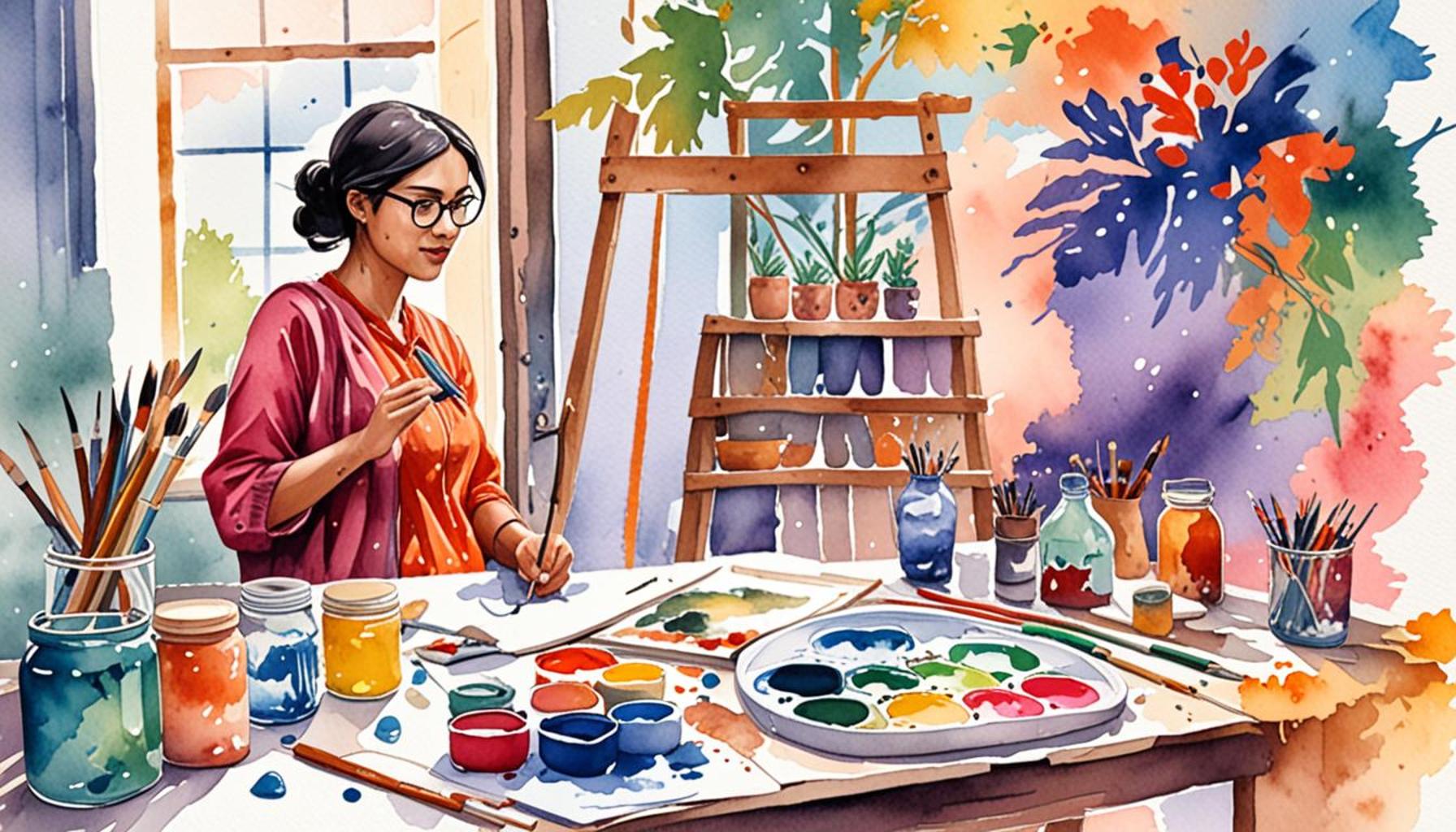
Exploring Art as a Medium for Cultural Storytelling
Art serves as a powerful medium for storytelling, transcending language and cultural barriers. Through visual narratives, art captures the essence of cultures, embodying their rituals, beliefs, and histories. The significance of this connection elevates art from mere aesthetics to a vital tool for preserving cultural stories. Through artistic expression, individuals and communities can convey experiences that might be lost to time, making art a compelling vessel for history and identity.
Consider the various forms in which art expresses these narratives:
- Paintings: Vibrant canvases often reflect cultural ceremonies, celebrations, and community values. For instance, the early 20th-century works of Mexican muralists, like Diego Rivera, convey deep-rooted societal issues and the historical struggles of Mexican people, serving as visual time capsules of their civilization.
- Photography: Capturing candid moments, photography reveals the everyday life of diverse populations. Notably, the work of photographers like Dorothea Lange during the Great Depression encapsulates the hardship and resilience of Americans, giving a face to economic struggles and evoking empathy through striking images.
- Public Murals: Murals tell stories on city streets, serving as a visual dialogue between past and present. Cities across the United States, such as Philadelphia and Detroit, have embraced murals as powerful expressions of community history, placing focus on social justice themes and celebrating local heroes.
In the United States, art has been instrumental in showcasing a diverse tapestry of cultural identities. From the traditional stories depicted in Native American art, which often revolve around nature and spirituality, to the vivid murals created by African American artists that narrate the struggles and triumphs of the civil rights movement, visual narratives play a crucial role in enriching our understanding of heritage and acceptance.
As we explore this dynamic intersection of art and culture, we will uncover:
- The impact of visual storytelling on community cohesion, showcasing how art can unite diverse groups within multiethnic neighborhoods.
- Ways artists preserve historical memory through their works, ensuring that significant events and figures are not forgotten. This can include everything from commemorative pieces to socially conscious art that rallies communities for change.
- The role of technology in evolving art forms, expanding the reach of artists worldwide and allowing them to share their stories via social media platforms and digital exhibitions.
Join us on this journey to understand how art not only reflects but also sustains the stories that shape our cultural landscapes. The exploration of art as a narrative tool reveals how profoundly interconnected we all are through shared experiences and histories, regardless of our backgrounds. It invites us to appreciate, understand, and celebrate the diversity that enriches our collective human experience.
DISCOVER MORE: Click here to delve into the connection between music and painting</
The Impact of Visual Storytelling on Community Cohesion
Art has a remarkable ability to weave narratives that resonate deeply within communities, providing a sense of belonging and shared identity. As diverse populations come together in urban settings across the United States, visual storytelling has emerged as a unifying force. Murals, public installations, and community art projects not only beautify neighborhoods but also act as a canvas for different cultural backgrounds to be represented and celebrated. This artistic expression reveals not only individual stories but also amplifies the collective voice of a community.
The efficacy of visual art in promoting community cohesion can be observed in numerous cities. For instance, in Los Angeles, the work of the Los Angeles Beautification Team demonstrates how public art initiatives can transform neglected spaces into vibrant hangouts, invoking local history and fostering pride among residents. Murals reflecting the cultural heritage of the Latino community frequently adorn the streets, telling tales of migration, resilience, and familial connections.
Moreover, visual art serves as a bridge for fostering understanding among disparate groups. Art projects that invite community engagement encourage individuals from varied backgrounds to come together, share their stories, and collaborate on creative expressions. For example, in cities like Detroit and Philadelphia, community mural projects have been implemented to reflect the rich historical and social narratives of their neighborhoods while addressing contemporary social issues. Such collaborative endeavors not only result in stunning visual displays but also cultivate a deeper sense of empathy among community members.
Here are some key benefits illustrating the importance of visual storytelling in enhancing community ties:
- Encouraging Dialogue: Visual narratives open up opportunities for discussions about shared histories, challenges, and aspirations among residents, creating a more inclusive community experience.
- Strengthening Identity: Art that showcases the local culture helps to affirm the identity of community members, giving them a sense of pride in their heritage and encouraging intergenerational connections.
- Fostering Civic Engagement: Engaging local artists in public art projects can inspire residents to take an active role in the community, whether through volunteerism or participation in cultural events.
As the impact of art on community cohesion becomes increasingly apparent, it is essential to acknowledge the vital role that artists play in preserving the narrative threads that bind us. These visual storytellers not only depict experiences shaped by culture and society but also invite us to explore and appreciate the diverse tapestry of human life. By investing in and promoting local art, communities can ensure that the stories of all their members are celebrated and remembered.
| Advantage | Description |
|---|---|
| Cultural Preservation | Art serves as a powerful medium to pass down stories and traditions, ensuring that cultural identities are maintained across generations. |
| Emotional Engagement | The visual narrative in art evokes emotions that resonate deeply with audiences, fostering a connection that written narratives often fail to achieve. |
| Education Tool | Art can effectively educate individuals about different cultures and histories, making complex stories accessible and engaging. |
| Inspiration and Innovation | The blending of traditional and contemporary art forms leads to innovative interpretations of cultural stories, inspiring new audiences and artists alike. |
The role of art in safeguarding cultural stories is undeniable. Art provides a lens through which we can connect with the heritage of our past, all while inspiring new generations to appreciate and recognize the richness of diverse narratives. Artistic expressions not only encapsulate the essence of a culture but also allow for dialogues that can bridge gaps and foster understanding among varied communities. Engaging with visual narratives offers more than just visual delight; they deepen our appreciation of history, failure, loss, resilience, and triumph that define the human experience.
DIVE DEEPER: Click here to discover more
Art as a Tool for Cultural Preservation and Education
In addition to fostering community cohesion, visual storytelling plays a pivotal role in the preservation and education of cultural narratives. The power of art to capture and convey stories transcends generations, allowing historical events, traditions, and values to be vividly represented. This is particularly crucial in a rapidly globalizing world where cultural identities may face the risk of dilution.
For distinct cultural communities, art becomes a vessel for safeguarding traditions and history. In places like New Mexico, Native American artists utilize pottery, weaving, and mural painting to tell the story of their heritage. These art forms serve not only as decorative pieces but as living histories, encapsulating the rich lore of indigenous peoples. The Indian Pueblo Cultural Center in Albuquerque is a testament to this, where local artists collaborate on public art installations that narrate the deep connections to the land and the resilience of their cultures.
Moreover, visual narratives are crucial in raising awareness about marginalized cultures and histories often overlooked in mainstream education. Through exhibitions, galleries, and cultural events, artists create platforms to engage audiences with powerful visual stories. For instance, the Smithsonian’s National Museum of African American History and Culture employs engaging displays that combine historical artifacts with art to highlight the African American experience, thus bridging the gap between past and present. This allows visitors to not only witness art but to understand the societal context and cultural significance behind every piece.
Educational programs featuring art can also foster critical discussions about identity, diversity, and history in schools and communities. Initiatives that integrate visual storytelling within the curriculum empower students to express their stories artistically, reinforcing their sense of self and understanding of multicultural narratives. In places like Chicago, organizations such as Arts for Chicago have implemented programs that encourage young artists to explore their heritage through murals, teaching them about the influence of their backgrounds while instilling pride in their cultural identities.
Furthermore, visual narratives in art can serve as a bridge to understanding current social issues. For example, the massive murals of the Black Lives Matter movement, painted in cities across the United States, act as powerful reminders of ongoing struggles for civil rights and social justice. These public displays of art resonate with both local and global audiences, igniting conversations that can lead to social change. They fulfill a dual purpose: honoring personal stories of struggle and resilience while weaving them into the larger tapestry of social justice movements.
As art continues to evolve and respond to contemporary issues, the significance of visual storytelling in preserving cultural narratives remains critical. It not only educates and enlightens but also inspires people to take an active role in championing their stories and histories. In so doing, art acts as a powerful instrument for not just remembering the past but also shaping how we envision the future.
DIVE DEEPER: Click here to discover the creativity behind folk art
Conclusion: The Lasting Impact of Visual Narratives in Cultural Storytelling
The exploration of visual narratives reveals the profound significance of art in preserving and conveying cultural stories. Through vibrant representations and creative expressions, art becomes more than just aesthetic; it serves as a vital mechanism for retaining the essence of diverse heritages. As communities increasingly navigate the challenges of a globalized world, the role of visual storytelling emerges as crucial for maintaining cultural identities and sparking crucial dialogues about history and social issues.
Art not only acts as a guardian of traditions but also as a powerful educational tool that encourages understanding and empathy among different cultures. Institutions like the Smithsonian’s National Museum of African American History and Culture exemplify how engaging visual narratives can invite visitors to reflect on the complexities of identity and experience. These artistic expressions bridge generational gaps, empowering communities to celebrate their unique narratives while fostering awareness and appreciation among wider audiences.
In an era where social justice movements thrive, the connection between art and activism becomes increasingly salient. The murals that sprang from the Black Lives Matter movement epitomize the ability of visual narratives to address contemporary challenges while honoring past struggles. These artistic representations prompt us to not only remember our history but to actively participate in the ongoing dialogue for change.
Ultimately, as we continue to engage with visual narratives, it becomes clear that art is a potent catalyst for preserving cultural stories. It inspires us, challenges us, and invites us to connect with the richness of our shared human experience. By championing and celebrating these narratives, we ensure that the voices of diverse cultures not only resonate today but continue to echo for future generations.
Related posts:
The Music of the World: Discovering New Instruments and Styles in Creative Projects
The Intersection of Technology and Traditional Arts in Cultural Exploration
Exploring Traditional Games as Forms of Art and Cultural Connection
The Importance of Folk Music in Cultural Identity and Modern Creativity
Exploring Traditional Music as a Form of Creative Expression
The Influence of Cultural Traditions on the Creation of Folk Art

Linda Carter is a writer and creative hobbies expert specializing in crafting, DIY projects, and artistic exploration. With extensive experience helping individuals discover their creative potential and bring their ideas to life, Linda shares her knowledge on our platform. Her goal is to empower readers with practical tips, inspiring ideas, and step-by-step strategies for success in the world of creative hobbies.