Exploring Ceramics as a Form of Cultural and Creative Expression
The Rich Tapestry of Ceramics
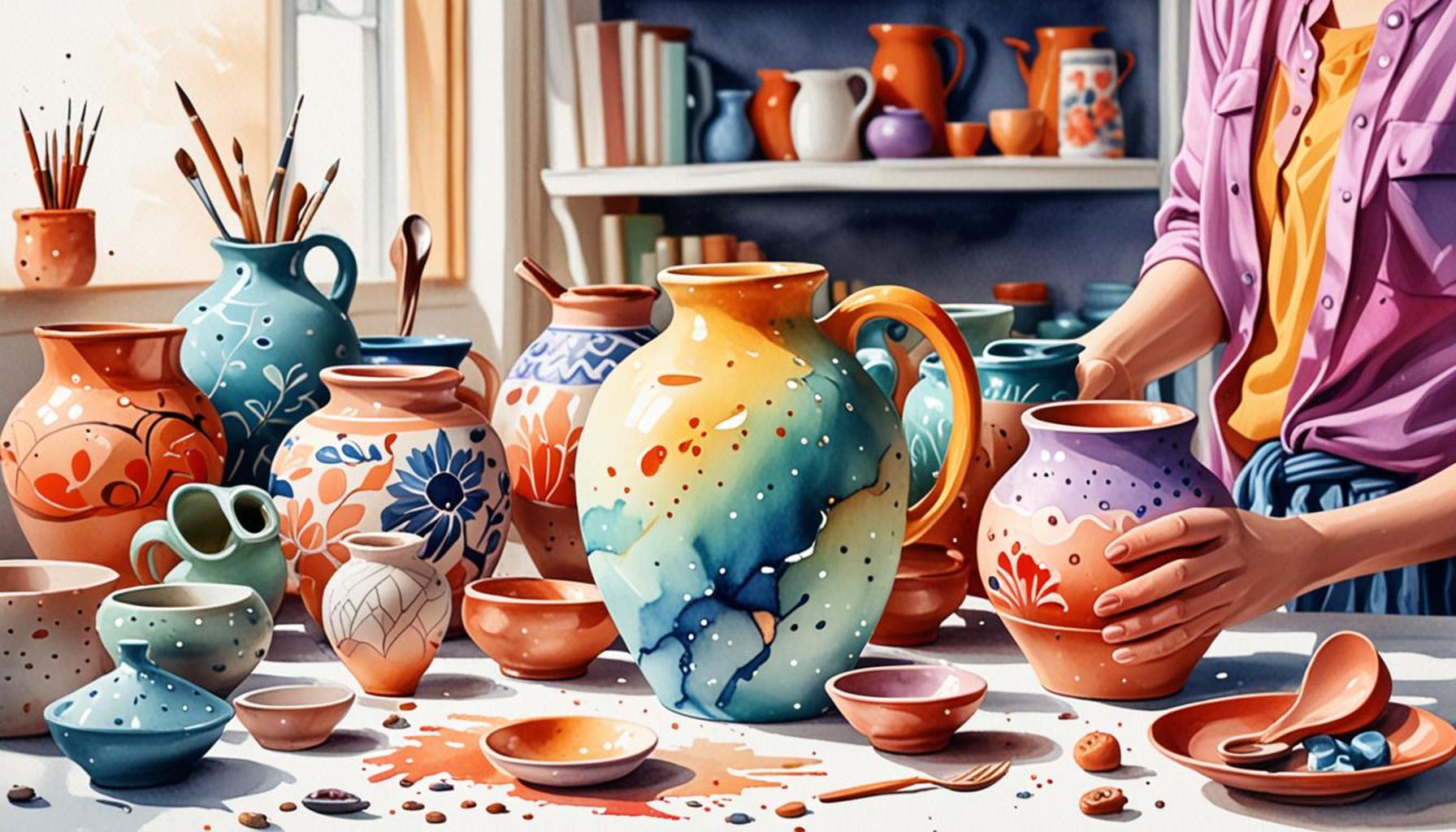
Ceramics have long served as a vibrant medium for cultural and creative expression. From ancient pottery to contemporary art, this versatile material tells stories of identity, heritage, and innovation. As we delve into the fascinating realm of ceramics, we uncover the profound connections between art and culture.
- Historical Significance: Ceramics date back to prehistoric times, reflecting the everyday lives and rituals of various civilizations. Archaeologists have uncovered ceramic artifacts from as early as 29,000 BC, with significant examples like the Venus of Dolní Věstonice, which hints at the social and ritualistic practices of the time. Around the world, ancient societies such as the Mesopotamians and the Chinese relied on ceramic vessels for both practical use and artistic expression, illustrating how ceramics served as a canvas for cultural storytelling.
- Diverse Techniques: The creation of ceramics involves various techniques such as hand-building, wheel-throwing, and glazing, each showcasing the artist’s unique style and intention. For instance, hand-building techniques like coiling and slab construction allow for organic shapes and designs, while wheel-throwing offers precision and symmetry. Artists use glazing not only for the visual aesthetics of their pieces but also to enhance functionality—consider the beautiful but durable glazes used in tableware that add vibrancy to everyday dining experiences.
- Cultural Identity: Different cultures, from the Native American potters to Eastern Asian ceramics, embody specific symbols and practices. In Native American culture, pottery is often adorned with intricate designs that represent tribal myths and local flora and fauna, serving as an artistic representation of community identity. In contrast, the centuries-old Japanese Raku pottery tradition emphasizes grace and spontaneity, merging the practices of zen philosophy with artistic expression.
In the United States, ceramics have gained renewed attention, becoming a staple in both artistic communities and everyday life. Local artisans and galleries highlight the importance of ceramics as a platform for storytelling and personal expression. One notable example is the work of contemporary ceramic artist Roberto Lugo, who infuses his pieces with social and political themes, echoing the struggles of marginalized communities.
- Community Engagement: Workshops and classes promote inclusivity and creativity among diverse groups. Community centers and art schools across the U.S. frequently host hands-on pottery classes that allow participants to explore their creativity while connecting with others. Such initiatives not only build skills but also create a sense of belonging and shared purpose.
- Artistic Movements: Contemporary artists are pushing boundaries, blending traditional methods with modern aesthetics. In California, for instance, a vibrant community of ceramicists is known for their experimental approaches, incorporating mixed media into their works. Artists like Jenni Yang are redefining ceramics by integrating technology with handcraft, producing pieces that not only serve as art but also provoke thought about modern consumerism.
As we continue to explore this medium, it becomes clear that ceramics not only serve as objects of beauty but also as profound vehicles for social commentary and reflection on cultural values. Unveiling the stories embedded in each piece allows us to understand the rich history and ongoing evolution of this art form. Join us on this journey to appreciate how these clay creations shape our understanding of the world around us, inviting reflection and dialogue on both local and global scales.
DISCOVER MORE: Click here to boost your skills
The Language of Clay: Symbols and Techniques
To fully appreciate ceramics as a form of cultural and creative expression, it is essential to explore the symbolism and techniques that define this ancient art form. Artists have utilized clay not only for its physical properties but also for its ability to convey complex narratives and emotions. The tactile nature of ceramics invites both the maker and the observer to engage in a dialogue that transcends time and geography.
- Symbolic Representations: Throughout history, ceramics have been adorned with symbols that reflect the culture of their creators. In Mexican pottery, for example, the incorporation of vibrant colors and intricate designs often symbolizes the cosmos and spiritual beliefs, connecting the viewer to the rich traditions of Mesoamerican civilization. Similarly,Native American potters infuse their work with imagery representing important cultural narratives, such as the creation myths of their tribes, which serve to educate younger generations about their heritage.
- Regional Characteristics: Different regions boast distinct ceramic styles that are deeply rooted in local customs and available materials. The blue-and-white porcelain developed in China during the Tang dynasty represents one of the most recognizable ceramic traditions globally, combining artistry with function. In contrast, the earthenware pottery traditions of the U.S. Southwest, characterized by natural clay and striking geometric designs, evoke the landscapes and histories of indigenous communities. Each piece, whether refined or rustic, serves to connect its maker to the land and to the cultural practices that have shaped it.
- Modern Influences: The rise of contemporary ceramic artists has seen the infusion of varied influences from global cultures, creating an exciting fusion of styles. Many contemporary American ceramicists seek to challenge traditional norms by embracing inclusivity and experimentation. Artists like Yuko Nishikawa, for example, merge Japanese techniques with modern themes, creating thought-provoking works that reflect cultural intersections and social commentary. Such innovative approaches invite viewers to reconsider established definitions of beauty and artistry.
The techniques associated with ceramics further enhance the medium’s significance as a vehicle for expression. Mastery of various methods allows artists to manifest their emotions and stories through tangible forms. Techniques such as slip casting, glazing, and firing not only affect the aesthetic outcome but also impact the meaning behind each piece.
- Slip Casting: This technique enables artists to create intricate and repeatable forms, allowing for a blend of craftsmanship and design. It invites exploration into the boundless potential of molding clay intricately while ensuring consistency across multiple pieces, which can evoke personal connections to mass production and individuality.
- Glazing: The glazing process transforms the surface of the ceramic, fostering a dialogue between texture and color. Variations in glazing techniques can produce radically different results, with some artists even using glazes to convey environmental themes, such as the movement toward sustainable practices in ceramics.
- Firing: Finally, the firing process holds the key to durability and transformation, turning raw clay into permanent art. The unpredictability of this process makes each piece unique, as artists incorporate varied temperatures and atmospheres that can yield unexpected and often dazzling results.
As we dive deeper into these diverse aspects of ceramics, it becomes clear that this medium is not merely a representation of aesthetics but a profound expression of cultural identity and creativity. Understanding the connections between techniques, symbolism, and regional influences enhances our appreciation of ceramics as an essential facet of human artistic endeavor. In the following sections, we will examine how these explorations continue to evolve, reflecting contemporary societal themes and personal narratives.
Exploring Ceramics: A Cultural Perspective
Ceramics are not just functional objects; they are vessels of cultural history, storytelling, and creative expression. Across the globe, different cultures have utilized ceramics in ways that reflect their values, beliefs, and artistic sensibilities. For example, traditional Japanese pottery is renowned for its simplicity and connection to nature, while Mexican Talavera pottery is celebrated for its vibrant colors and intricate designs. These differences highlight how ceramics can serve as a window into the unique identity of a culture.The art of ceramics is also a powerful medium for contemporary artists to explore social issues and personal narratives. Artists like Grayson Perry use ceramics to address topics like gender identity and class, merging traditional techniques with modern themes. This intersection of old and new not only enriches the art form but also invites audiences to engage with pressing societal questions in innovative ways.
Techniques and Innovations in Ceramics
The evolution of techniques in ceramics has led to a diverse range of styles and practices. From wheel-throwing to hand-building, artists are continually experimenting with materials and processes. Recent innovations, such as 3D printing technology, enable ceramicists to push the boundaries of traditional craftsmanship, resulting in pieces that were once thought impossible.Moreover, sustainable practices have entered the spotlight in the realm of ceramics. Increasingly, artists are focusing on eco-friendly materials and methods, emphasizing the importance of sustainability in art. This shift not only addresses environmental concerns but also reinforces the idea that ceramics can serve as a conduit for change and reflection in contemporary society.
Conclusion
The ongoing exploration of ceramics as a form of cultural and creative expression is a dynamic field rich with history, innovation, and personal narrative. As we delve deeper into this subject, it becomes clear that ceramics are more than mere objects; they are embodiments of identity, technology, and the human experience.
DISCOVER MORE: Click here to learn about sustainable crafts
Bridging the Past and Present: Ceramics in Contemporary Society
As we venture further into the realm of ceramics as a medium of cultural and creative expression, the convergence of traditional techniques with modern artistic practices reveals a dynamic landscape enriched by history, technology, and personal narratives. Today’s ceramic artists stand at a unique crossroads, where they can blend historical references with contemporary sensibilities, creating artworks that resonate deeply with both personal and communal identities.
- Reviving Traditional Art Forms: A growing trend in the ceramics community is the revival of historical techniques from diverse cultures. For instance, artists like Edina Tokodi use ancient methods like coiling and pit firing to connect with their heritage while simultaneously adapting these methods to modern themes. By infusing contemporary messages or environmental concerns into traditional forms, they create works that speak to both the past and the present, fostering a dialogue that honors lineage and innovation.
- Social Commentary and Activism: Many contemporary ceramicists leverage their craft as a form of social commentary. Artists such as Rachael Colley utilize ceramics to address pressing issues such as sustainability and community resilience. Her use of recycled materials in pottery not only highlights the importance of ecological conservation but also challenges perceptions about waste and artistry. This intersection of activism and aesthetics elevates ceramics beyond decorative arts, situating them firmly within the conversation of contemporary societal challenges.
- Interactive Installations and Community Engagement: Another burgeoning trend is the creation of large-scale ceramic installations that encourage viewer interaction. Artists like Gina E. Clyne engage communities by inviting them to participate in the creation process. These collaborative projects foster a shared sense of ownership and belonging, allowing individuals to contribute their stories, which are then translated into ceramic forms. This process not only democratizes art but also reinforces the idea that ceramics can serve as a canvas for collective identity, creating lasting connections among participants.
Technological advancements also play a crucial role in the transformation of ceramic arts. The incorporation of digital fabrication techniques, such as 3D printing, has opened new avenues for creativity, allowing artists to experiment with intricate designs that would be labor-intensive to achieve by hand. Artists are now blending traditional craftsmanship with modern technologies to reimagine the possibilities of ceramics, creating pieces that are both visually striking and functionally innovative.
- 3D Printing and Design: The advent of 3D printing technology has sparked a revolution in ceramics, enabling artists to design custom pieces that push the boundaries of form and function. This technology allows for rapid prototyping and unique structures that challenge conventional notions of ceramic art. Artists can incorporate complex geometries and patterns, creating ceramics that are as much about cutting-edge design as they are about traditional methods.
- Virtual Reality and Ceramics: Moreover, the integration of virtual reality (VR) into ceramics has the potential to alter how artists interact with their medium. By employing VR, creators can simulate the pottery-making process, allowing for exploration of their craft in a digital space before producing tangible items. This fusion of the virtual and physical realms invites a new generation of creators to experiment with their work, contributing to an ever-evolving artistic dialogue.
By exploring these projects, techniques, and technological advancements, we can see that ceramics as a form of cultural expression is not static; it is a lively, evolving medium that reflects the complexities of its time. The stories behind the clay, the hands that shape it, and the communities that engage with it illustrate the profound impact ceramics have on our understanding of culture and creativity today.
DIVE DEEPER: Click here to discover the emotions behind abstract painting
Conclusion: The Future of Ceramics as Cultural Expression
In summary, ceramics stand as a profound testament to humanity’s ability to fuse cultural heritage with innovative creativity. The artistic journey through clay not only showcases traditional techniques being revived and modernized but also highlights the role of ceramics as a vehicle for social commentary and cultural engagement. Artists today are effectively utilizing their craft to reflect on pressing issues, fostering dialogues that resonate with communities while honoring their histories.
The future of ceramics is vibrant and intertwined with technology, as digital fabrication and virtual reality continue to redefine how artists engage with this ancient medium. The marriage of high-tech methods like 3D printing with time-honored practices opens endless possibilities for innovation in form and function. This intersection cultivates an ever-evolving artistic dialogue and encourages a new generation of creators to explore their identity and culture through manipulatable mediums.
Ultimately, ceramics embody a rich tapestry of stories, emotions, and connections that transcend time and space, weaving together the experiences of the past with those of the present and future. As we continue to explore ceramics as a form of cultural and creative expression, we encourage enthusiasts, collectors, and curious minds alike to delve deeper into understanding its significance. The world of ceramics awaits, filled with potential for personal growth, community engagement, and inspiring artistic evolution.
Related posts:
The Influence of Cultural Traditions on the Creation of Folk Art
The Importance of Local Handicrafts in Cultural and Creative Preservation
Exploring the Art of Textiles: Cultural Traditions and Creative Innovation
The Role of Literature in Exploring and Valuing Diverse Cultures
Exploring Traditional Music as a Form of Creative Expression
The Impact of Cultural Festivals on Creativity and Community

Linda Carter is a writer and creative hobbies expert specializing in crafting, DIY projects, and artistic exploration. With extensive experience helping individuals discover their creative potential and bring their ideas to life, Linda shares her knowledge on our platform. Her goal is to empower readers with practical tips, inspiring ideas, and step-by-step strategies for success in the world of creative hobbies.