Explore Folk Art Connect with Cultural Roots Through Creative Hobbies
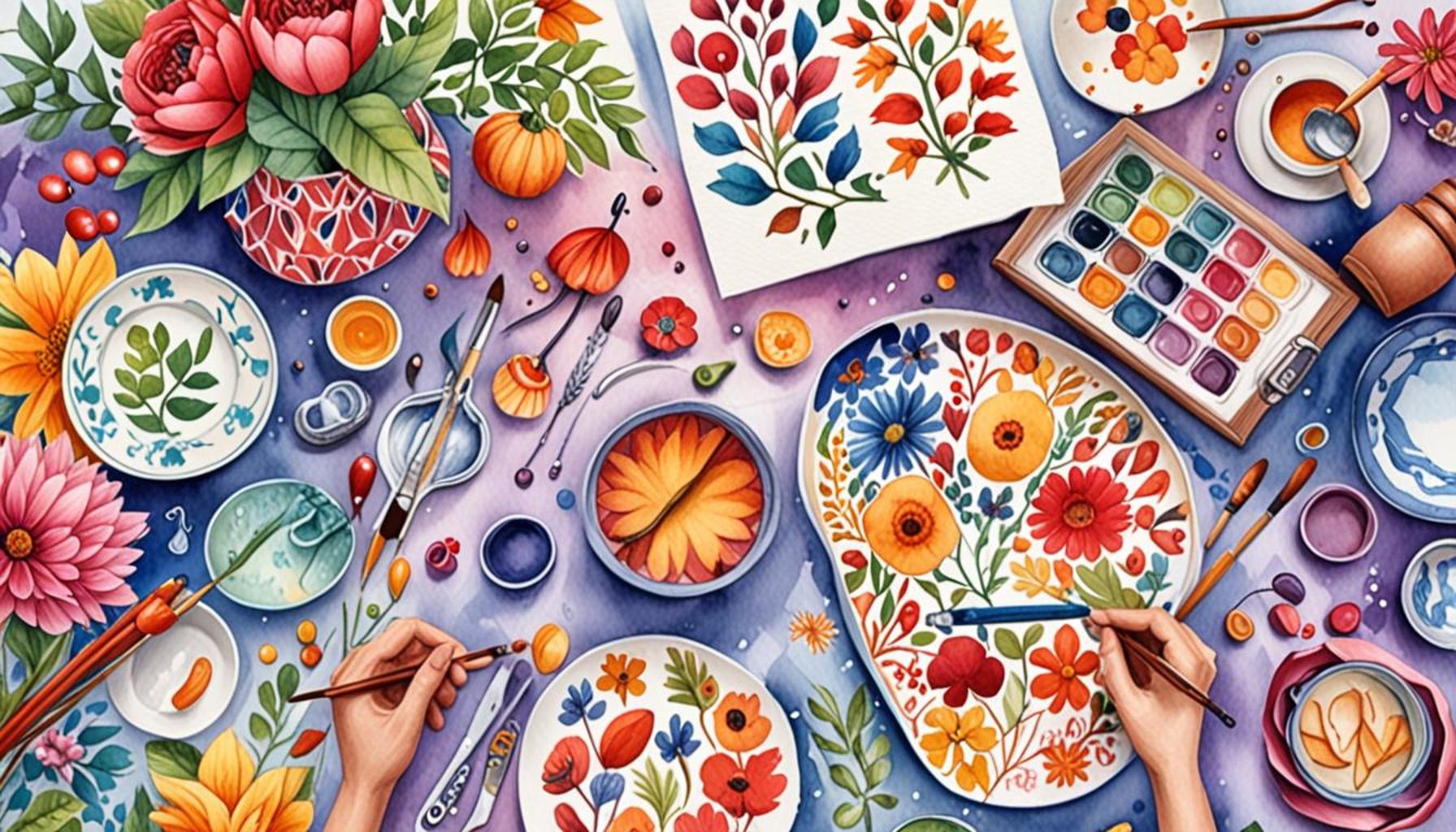
Unearthing Cultural Heritage
Folk art serves as a vibrant expression of cultural identity, weaving together stories, traditions, and experiences from generations past. In recent years, there has been a growing interest in how creative hobbies can connect us with our roots, fostering a deeper understanding of ourselves and the communities from which we originate. This exploration not only enriches our lives but also promotes a sense of belonging and appreciation for diverse cultures.
The Power of Creative Hobbies
Engaging in creative pursuits linked to folk art offers numerous benefits:
- Personal Expression: These hobbies provide a unique platform for individuals to convey their emotions and narratives.
- Cultural Preservation: They play a crucial role in keeping traditions alive for future generations.
- Community Connection: Creative hobbies often bring people together, encouraging collaboration and sharing of knowledge.
In this article, we will delve into the Top 5 creative hobbies that embody folk art, guiding you on a journey to discover how you can connect with your cultural heritage. Prepare to be inspired and enlightened as we unveil these enriching activities!
Top 5: Exploring Folk Art – Connecting to Cultural Roots Through Creative Hobbies
Embracing cultural heritage through folk art is an enriching experience that allows individuals to deeply connect with their roots. Creative hobbies provide not only a means of personal expression but also a gateway to understanding the rich traditions and histories behind various art forms. As globalization increasingly levels cultural distinctions, engaging in folk art can preserve the unique elements of diverse cultural identities. In this article, we present the Top 5 creative hobbies that perfectly encapsulate the spirit of folk art and encourage a deeper appreciation of cultural heritage.
5. Folk Music and Storytelling
Folk music and storytelling are deeply intertwined practices that have been essential to cultural expression across history. These art forms preserve history, share communal experiences, and convey traditions through melodious tunes and compelling narratives. Folk music, characterized by its simplicity and directness, often deals with themes such as love, community life, and the human condition. Instruments like the guitar, fiddle, and drum are frequently employed to produce rhythms and melodies reflective of unique cultural tempos.
- Instruments:
Guitars, fiddles, and drums are commonly used in folk music. For instance, the guitar is central in American folk music, while the djembe drum is a staple in African music traditions, and the fiddle plays a pivotal role in Irish and Scottish folk songs.
- Community Events:
Participating in local concerts or storytelling festivals fosters cultural appreciation. Events like the National Storytelling Festival in Jonesborough, Tennessee, or folk festivals such as the Newport Folk Festival, provide platforms where traditional stories and tunes come to life.
- Learning Online:
Numerous platforms provide tutorials on traditional songs and tales. Websites and apps like Masterclass, YouTube, and dedicated music teaching platforms offer both beginners and veterans opportunities to learn and share these cultural expressions.
As you delve into folk music and storytelling, you create a dialogue between the past and present, allowing ancient voices and stories to resonate in contemporary expressions. This connection ensures cultural narratives continue to thrive and evolve through generations.
4. Traditional Dance Forms
Dancing is a dynamic method of connecting with cultural roots, offering both physical engagement and a narrative of social customs. Each traditional dance tells unique stories and reflects local customs, celebrations, and struggles. From the lively rhythms of the Irish jig to the disciplined grace of Indian classical dance forms like Bharatanatyam, each style embodies a rich history.
- Group Classes:
Joining dance classes in your local community, such as flamenco in Spain or salsa in Latin America, can be both educational and deeply fulfilling. These classes build community connections and deepen understanding of cultural dances.
- Cultural Festivals:
Attending festivals, whether it be the Rio Carnival or Chinese New Year celebrations, provides insights into different dance forms and the narratives they convey, showcasing the breadth of human emotion and history.
- Online Resources:
There are countless online lessons and documentaries available, offering a window into various dance cultures. Websites such as DancePlug and online courses can introduce learners to diverse dance styles.
Learning and performing these dances is a form of living history. Each step, whether spontaneous or meticulously rehearsed, is an embodiment of cultural pride and joy, which in turn strengthens cultural ties and personal identity.
3. Folk Art Crafts
Creating folk art crafts offers a tactile and hands-on approach to understanding cultural heritage, tapping into skills and techniques passed down through generations. This includes various methodologies such as pottery, weaving, and wood carving, which embody the spirit of different cultures through their use of local materials and designs.
- Pottery:
Engage in creating functional wares using ancestral techniques and designs. Cultures from the Pueblo people of the American Southwest to Japanese raku potters showcase unique pottery styles, each telling a cultural tale in clay.
- Weaving:
Craft traditional textiles that reflect local patterns and colors, such as the Andean tapestries of South America or the silk weaves of Southeast Asia, each carrying stories woven into their patterns.
- Woodworking:
Carve decorative and functional pieces adorned with cultural symbols. From the totem poles of the Pacific Northwest to intricate Scandinavian woodwork, these items offer a tangible link to indigenous narratives and traditions.
Engagement in these crafts not only fosters creativity but promotes sustainability by encouraging the use of local materials and traditional methods. Moreover, reviving these skills can rejuvenate cultural narratives, helping them adapt and thrive in modern contexts.
2. Folk Literature and Poetry
Folk literature encompasses written and oral traditions, including folktales, legends, and poetry, that depict a culture’s values, morals, and social norms. These stories often serve as moral or cautionary tales passed down through generations. Engaging with folk literature not only provides entertainment but also offers a window into the collective consciousness of a culture. Reading, writing, or even performing these stories can enhance one’s understanding of cultural identity.
- Reading Groups:
Join or form groups that focus on folk literature from your culture. Such gatherings can delve into cherished myths and legends, providing a deeper understanding of communal pasts and values.
- Writing Workshops:
Participate in workshops to craft your own folk stories, drawing inspiration from traditional tales. This practice enriches personal creativity while maintaining the heartbeat of cultural narratives.
- Performance Art:
Engage in acting out plays based on folk stories, bringing them to life. Theatre groups around the world, such as the National Theatre of Scotland, often incorporate folk tales into their repertoires, emphasizing their timeless resonance.
Immersing yourself in folk literature and poetry links the present to the past in a larger narrative that transcends both time and place, safeguarding cultural wisdom and its rightful knowledge for future generations.
1. Visual Folk Art: Painting and Sculpture
At the top of our list is visual folk art, encompassing painting, sculpture, and other forms of visual expression. These art forms manifest cultural values, historical narratives, and social commentary through unique styles and techniques. Engaging in visual folk art allows artists to express their unique perspectives while honoring their heritage.
- Painting:
Experiment with techniques like mural painting, which boasts a rich tradition in various cultures. From Mexican muralism led by artists like Diego Rivera to vibrant Aboriginal dot paintings of Australia, each style communicates its own story.
- Sculpture:
Carve or mold materials into representations of cultural symbols, motifs, or narratives, such as African tribal masks or ancient Greek statues, encapsulating the spirit of the times.
- Cultural Exhibitions:
Exhibiting these works in community events or galleries can generate conversations about heritage and inspire others to explore their cultural narratives.
Visual folk art, through its vivid and tangible representations, invites individuals to explore and express cultural narratives. Delving into this art form promotes a deeper understanding of both universal and specific cultural themes, enriching personal and collective narratives.
In conclusion, participating in folk art through these creative hobbies builds a bridge between the past and present, allowing individuals to explore, appreciate, and sustain their cultural heritage. As you embark on this artistic journey, remember that each creation, step, or verse you perform contributes to the living tapestry of your cultural identity.
| Category | Key Insights |
|---|---|
| Cultural Identity | Engaging in folklore art connects individuals deeply with their heritage, fostering a sense of belonging and pride. |
| Creativity and Expression | Artistic activities such as crafting traditional items encourage creativity and allow for personal expression, resulting in unique pieces that tell stories. |
| Community Engagement | Participating in local art workshops or community events promotes collaboration and strengthens communal ties, as individuals share skills and knowledge. |
| Sustainability | Folklore art often emphasizes the use of sustainable and natural materials, merging creativity with ecological awareness and responsibility. |
Through the exploration of folklore art, one can discover not only a unique aesthetic but also the stories and traditions that shaped cultures over centuries. The process of creating art inspired by cultural roots serves as a bridge to understanding one’s identity, allowing individuals to reflect on their history while actively participating in its preservation for future generations.Moreover, the significant aspect of community involvement cannot be overlooked. Workshops and community gatherings often become spaces where individuals share not only their skills but also their personal narratives, enriching the collective cultural fabric. This social exchange fosters a collaborative spirit that enhances the creative process, transforming solitary hobbies into community-centric initiatives.On a practical level, focusing on sustainability within folklore art leads to an awareness of environmental impact. Many artists today embrace techniques that utilize locally sourced, natural materials, promoting a harmonious relationship between creativity and ecological mindfulness. This approach not only respects the traditions of the past but also redefines them for a modern audience, where the harmony of nature plays a critical role.Thus, embracing these hobbies not only heightens individual creativity but fosters a greater appreciation for cultural roots, community bonds, and ecological responsibility, highlighting the diverse advantages that folklore art encapsulates.
Frequently Asked Questions
What is folk art and how does it connect us to our cultural roots?
Folk art refers to the traditional art forms and crafts that reflect the cultural life of a community. It encompasses a wide range of creative expressions, including music, dance, textiles, and pottery, often passed down through generations. These art forms help people connect with their cultural roots by preserving unique traditions and stories that are significant to their heritage. By engaging in folk art, individuals can gain a deeper understanding of their own identity and cultural history.
How can one start exploring folk art as a hobby?
Starting with folk art as a hobby involves exploring different forms of art and crafts that resonate with your cultural background. Begin by researching the traditional art forms of your community or ancestry. Consider joining local workshops or online classes to learn skills such as weaving, pottery, or traditional dance. Engaging with local artisans and cultural groups can provide valuable insights and support as you delve deeper into your cultural heritage through artistic expression.
Is folk art limited to specific cultures or regions?
Folk art is a global phenomenon and is not limited to any one culture or region. Every community, regardless of geographical location, has its own unique forms of traditional art that reflect its cultural stories and values. Exploring folk art can be an inclusive experience, allowing individuals from different backgrounds to appreciate and learn from each other’s heritage. It’s an opportunity to celebrate diversity and gain a broader understanding of world cultures.
What are some examples of folk art that one can explore?
There is a vast array of folk art forms available for exploration, each offering a glimpse into the cultural life of different communities. Some popular examples include embroidery and tapestry from Eastern Europe, mask-making in African traditions, Indian block printing, and Native American weaving. Beyond visual arts, one can also explore traditional forms of music, such as Celtic fiddling or Andean pan flute melodies, which equally contribute to the richness of folk art.
Conclusion
In exploring the vibrant tapestry of folk art through creative hobbies, we uncover not just artistic expression, but a bridge to our cultural roots. These hobbies serve as a window into the past, allowing us to perceive the traditions and stories that have shaped our societies. As we weave, carve, paint, and compose, we engage in an act of cultural preservation that is both personal and communal. This journey into folk art reminds us of the myriad ways culture can influence creativity and vice versa.
One of the main takeaways from this exploration is the realization that these artistic pursuits offer a profound connection to our heritage. Whether through traditional crafts, music, dance, or storytelling, engaging in folk art allows individuals to tap into cultural narratives that are both timeless and evolving. The importance of this connection is heightened in a modern world where digital interactions often overshadow tangible experiences. By dedicating time to such creative hobbies, individuals can foster a deeper understanding of their cultural identity and contribute to a shared legacy.
Creative hobbies inspired by folk art not only enrich personal life but also provide a broader societal benefit. They encourage cultural exchange and promote diversity, inviting us to explore a wide array of traditions different from our own. This cultural synergy fuels innovation and empathy, as understanding blossoms between varied communities. These hobbies thus become catalysts for both self-discovery and communal harmony, underscoring their invaluable role.
As we move forward, let us embrace these creative endeavors with renewed vigor, appreciating them as a vital link to our past and a beacon for future generations. The stories we tell, the patterns we stitch, and the dance steps we learn can all serve as a testament to the enduring power of culture and creativity intertwined. Through this lens, exploring folk art is not just a hobby—it’s a vital part of who we are and who we can become.
Related posts:
The Influence of Cultural Traditions on the Creation of Folk Art
Exploring Ceramics as a Form of Cultural and Creative Expression
The Influence of Ethnic Fashion on Contemporary Creativity
The Influence of Martial Arts on Cultural and Creative Expression
The Role of Literature in Exploring and Valuing Diverse Cultures
Exploring Folk Art: How Local Traditions Inspire Creativity in Artistic Hobbies

Linda Carter is a writer and creative hobbies expert specializing in crafting, DIY projects, and artistic exploration. With extensive experience helping individuals discover their creative potential and bring their ideas to life, Linda shares her knowledge on our platform. Her goal is to empower readers with practical tips, inspiring ideas, and step-by-step strategies for success in the world of creative hobbies.