Developing Social Skills Through Group Art Activities
The Transformative Power of Art in Community Engagement
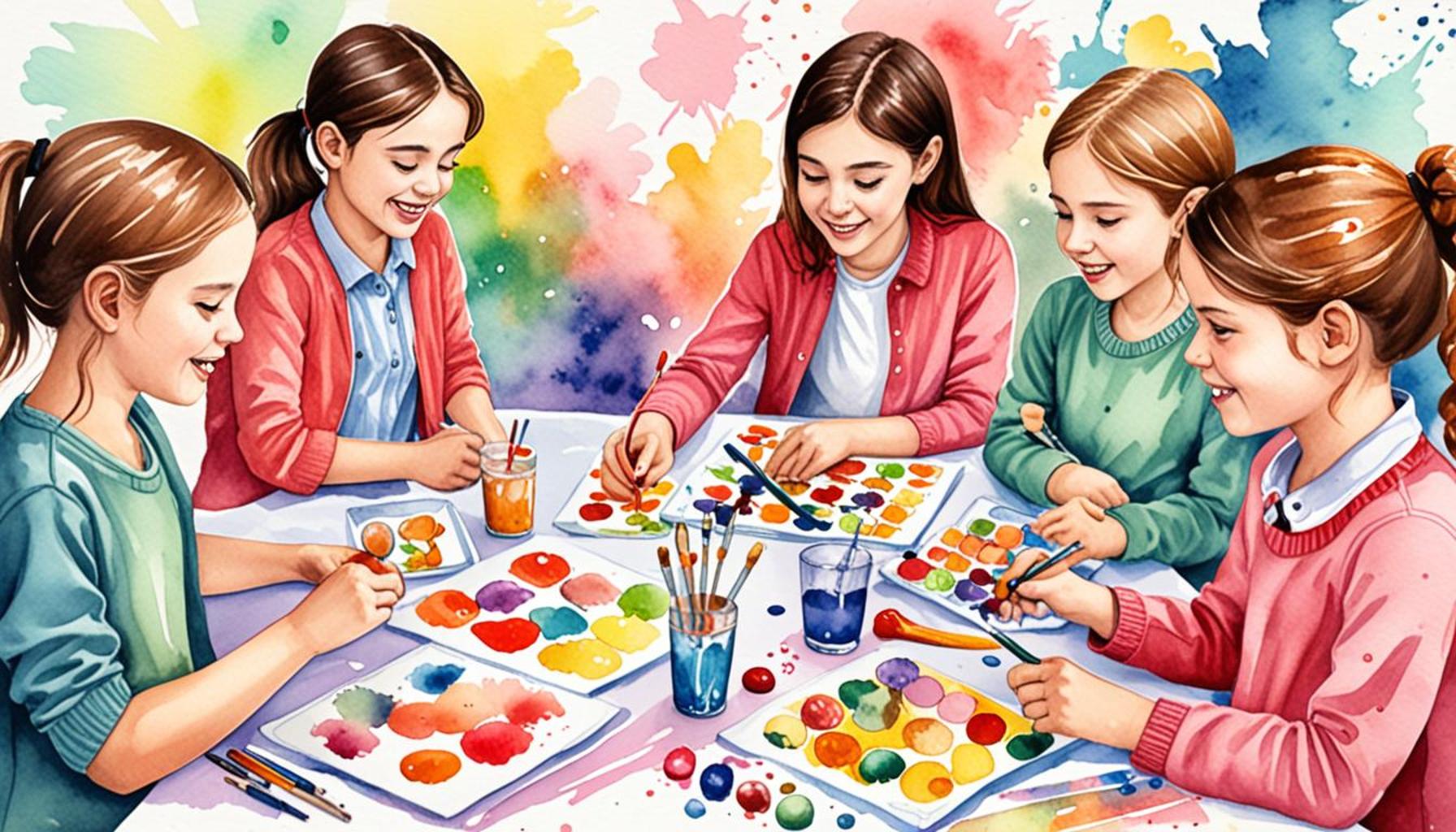
Art has an incredible power to bring people together. When participants engage in group art activities, they not only express their creativity but also foster essential social skills that can enhance their interactions with others. This combination of creativity and collaboration offers a unique avenue for growth and connection. Through shared experiences in artistic environments, individuals can transcend personal barriers and contribute to communal harmony.
Building Essential Communication Skills
One of the most significant benefits of group art activities is the opportunity to enhance communication skills. As participants collaborate, they are required to articulate their thoughts and ideas clearly while sharing their artistic vision. For instance, during a community mural project, individuals must discuss color choices, design elements, and the overall theme of the artwork. This dialogue not only aids in developing verbal skills but also bolsters the ability to listen actively—a crucial aspect of effective communication.
The Importance of Teamwork
Teamwork plays a pivotal role in any collective art endeavor. Whether it’s constructing a large sculpture or preparing for a community art fair, individuals must coordinate their efforts and contribute their strengths. The dynamic of negotiating different ideas, defining roles, and reaching a compromise within a group setting mimics real-world scenarios—preparing participants for future collaborative environments, such as workplaces or social organizations.
Cultivating Empathy and Emotional Intelligence
Engaging in group projects also encourages participants to develop empathy. By understanding different perspectives and artistic styles, individuals cultivate emotional intelligence. For example, in a mixed-age art workshop, older participants may learn to appreciate the unfiltered creativity of youth, while younger individuals gain insights from the experiences of their elders. Such interactions can deepen intergenerational relationships and foster a culture of mutual respect and understanding.
A Balancing Act in the Digital Age
In a world increasingly driven by technology, group art activities provide a refreshing alternative for face-to-face engagement. From pottery classes to mural painting, opportunities abound for individuals to learn and grow together in local studios or community centers. This hands-on approach is essential; it enables participants to create tangible works of art while simultaneously forging meaningful connections.
The Community-Wide Impact of Art Programs
As communities across the United States explore ways to enhance social connections, integrating art programs into community events or school curricula can yield significant benefits. For instance, cities like Philadelphia and Chicago have successfully established public art projects that not only beautify urban spaces but also stimulate conversations among diverse populations. These initiatives exemplify how collaborative art can lead to personal development and strengthen societal bonds.
The potential for personal development through creativity is vast, making it a powerful tool for enhancing community relationships. By fostering communication, teamwork, and empathy through art, we can build a foundation for lasting connections that enrich our lives and communities.
DIVE DEEPER: Click here to discover the inspiration behind folk art
Connecting Through Creativity: Social Skills in Art Groups
Group art activities create a vibrant platform for individuals to not only explore their artistic abilities but also to develop crucial social skills. Through collaborative projects, participants engage in a multifaceted learning experience that cultivates not just artistic talent but also interpersonal proficiency. Such environments promote inclusivity, allowing individuals from varying backgrounds to contribute their unique perspectives, thereby driving the artistic process forward.
Encouraging Collaborative Problem-Solving
In the midst of creating art together, participants are often faced with various challenges that require collaborative problem-solving. For instance, a group working on a community art installation may encounter logistic obstacles such as sourcing materials or accommodating different artistic visions. As members brainstorm solutions, they learn to navigate the dynamics of group decision-making and compromise. This experience sharpens their ability to tackle complex scenarios and enhances their capacity for innovative thinking.
Fostering Leadership Skills
Group art activities also present valuable opportunities for individuals to cultivate leadership skills. Within a team, some members may take on natural leadership roles, guiding discussions and organizing tasks, while others may follow and support these efforts. This dynamic is essential as it empowers participants to step out of their comfort zones and embrace roles they may not typically assume. Moreover, those who engage in leadership positions can hone their ability to motivate and inspire others, a trait that extends far beyond the art studio.
Creating a Safe Space for Expression
One of the defining features of group art activities is the creation of a safe space for expression. As participants share their ideas and art, they often experience a sense of vulnerability. This openness encourages others to share their thoughts and feelings, building trust and rapport within the group. Artistic collaboration nurtures these connections and allows participants to feel valued and understood, reinforcing the idea that their input contributes to a broader narrative.
Skills for Everyday Interaction
The social skills acquired through group art activities resonate well beyond the studio. Participants frequently report improved interpersonal interactions in their daily lives. Some of the key skills that are developed include:
- Effective communication: Art necessitates discussions that enhance the ability to articulate thoughts clearly.
- Conflict resolution: Navigating disagreements over artistic preferences teaches individuals how to resolve disputes amicably.
- Adaptability: Embracing diverse styles and approaches encourages flexibility in working with others.
- Networking: Engaging alongside artists or community members fosters relationships that can lead to future collaborations.
As participants refine these skills, they also build self-confidence, which can be instrumental in pursuing further educational or professional opportunities. Ultimately, group art activities provide a foundational experience that nurtures growth in various facets of social interaction.
Exploring the Advantages of Group Art Activities for Social Skills Development
Group art activities offer a unique platform for individuals to enhance their social skills effectively. Engaging in creative projects with others not only stimulates imagination but also nurtures essential interpersonal abilities. Here’s a closer look at the key advantages:
| Category | Details |
|---|---|
| Creative Collaboration | Engaging in group art projects promotes teamwork and collaborative problem-solving, essential skills for both personal and professional environments. |
| Emotional Expression | Art provides a vehicle for individuals to express emotions, fostering empathy and mutual understanding among participants. |
These group activities not only build essential skills but also create a supportive community where individuals can thrive. Involving oneself in a shared creative experience can significantly bolster confidence and encourage open communication.
By participating in these enriching environments, individuals can discover their strengths while forging meaningful connections with others. As we delve deeper into the world of group art activities, we uncover their powerful impact on enhancing social interactions and emotional well-being.
DISCOVER MORE: Click here to learn about sustainable crafts
Cultivating Empathy and Cultural Awareness
Group art activities serve as a powerful medium for participants to cultivate empathy and enhance their cultural awareness. As individuals collaborate on projects, they are often required to step into each other’s shoes, experiencing the varied perspectives shaped by unique backgrounds and life experiences. This exchange promotes a deeper understanding of different cultures, which is particularly significant in diverse settings such as schools or community centers across the United States.
Art as a Reflection of Identity
Art has frequently been described as a reflection of identity, providing an avenue for participants to share their personal stories through creative expression. In group settings, artists can visually communicate their heritage, experiences, and emotions, unraveling layers of meaning that reveal personal narratives tied to their cultural contexts. For instance, a group exploring themes of migration might create a mural that illustrates individual experiences, blending various artistic styles to form a cohesive representation of shared experiences. This collaborative effort not only deepens participants’ understanding of one another but also fosters a sense of solidarity within the group.
Opportunities for Community Engagement
Engaging in group art activities can lead to an array of outreach initiatives that strengthen community ties. Projects like community murals, public art installations, or collaborative exhibitions invite locals to participate, allowing artists to hone their networking skills and solidify relationships within their communities. For instance, in cities such as Los Angeles, artists often collaborate with local organizations to create public artworks that address social issues, bridging connections between the art community and the public. These interactions reinforce the social fabric, encouraging engagement across different demographics and helping dismantle social barriers.
Promoting Inclusivity Through Shared Goals
The inherent challenge in group art projects—achieving a collective vision—defines the collaborative experience and promotes inclusivity. As individuals contribute their ideas and suggestions, they learn to embrace a democratic approach to creativity. This not only engages them in collective goal-setting but also imbues each participant with a sense of ownership over the final product. The tangible outcomes of collaboration—be it a completed mural, a sculpture, or an art show—become the embodiment of teamwork, showcasing how diverse contributions can harmonize into a unified celebration of creativity.
Building Resilience Through Feedback
Receiving and giving constructive feedback is an integral component of group art activities, presenting invaluable lessons in resilience. Participants learn to accept critiques without taking them personally and to view feedback as an opportunity for growth. This process encourages open dialogue, teaching artists how to articulate their artistic intentions and consider others’ perspectives. For instance, a sculpture team may face differing opinions on their design; navigating these discussions fosters not only a thicker skin regarding criticism but also an appreciation for the collaborative nature of creativity.
Through these varied facets of group art activities, participants embark on a journey that equips them with essential social skills. The transformative power of collaboration in artistic settings enables individuals to connect, empathize, and grow—tools that serve them well beyond the canvas.
DIVE DEEPER: Click here to discover the impact of visual art
Fostering Connection and Growth Through Collaboration
In conclusion, developing social skills through group art activities offers a rich tapestry of benefits that extend well beyond the realm of creativity. These collaborative projects provide participants an invaluable opportunity to enhance communication skills, nurture empathy, and build resilience in an engaging environment. By working together towards a shared goal, individuals learn to navigate differing perspectives and embrace the diverse cultural identities within their group. This process not only fosters a sense of belonging but also reveals the beauty of collaboration, where ideas meld into a collective masterpiece.
Moreover, as artists engage with their communities through outreach projects, they strengthen local connections and promote inclusivity among varied demographics. This kind of engagement not only serves as a bridge between different social groups but also empowers individuals by cultivating the confidence to contribute meaningfully. In cultures that often divide, such communal art initiatives stand as a testament to the unifying power of creativity.
Ultimately, the skills honed in these shared artistic endeavors—communication, empathy, and teamwork—are essential in navigating the complexities of today’s social landscape. Engaging with others through art allows participants to reflect on their own identities while also appreciating and valuing the stories of those around them. As we continue to explore the multifaceted world of group art activities, it becomes increasingly clear that the act of creating together is a profound pathway toward personal growth and social cohesion.
Related posts:
The Practice of Sustainable Crafts: Developing Skills while Contributing to the Environment
Exploring the Art of Photography: How the Habit of Capturing Images Can Enrich Your Creative Skills
The Role of Creative Hobbies in Building a Growth Mindset
The Importance of Creative Hobbies in Stimulating Innovation and Problem Solving
How Creative Hobbies Can Help Overcome Personal Challenges
Exploring the Intersection of Creative Hobbies and Professional Skill Development
Linda Carter is a writer and creative hobbies expert specializing in crafting, DIY projects, and artistic exploration. With extensive experience helping individuals discover their creative potential and bring their ideas to life, Linda shares her knowledge on our platform. Her goal is to empower readers with practical tips, inspiring ideas, and step-by-step strategies for success in the world of creative hobbies.