Creativity in Gardens: How Gardening Can Stimulate Imaginative Expression
The Art of Gardening: A Creative Canvas
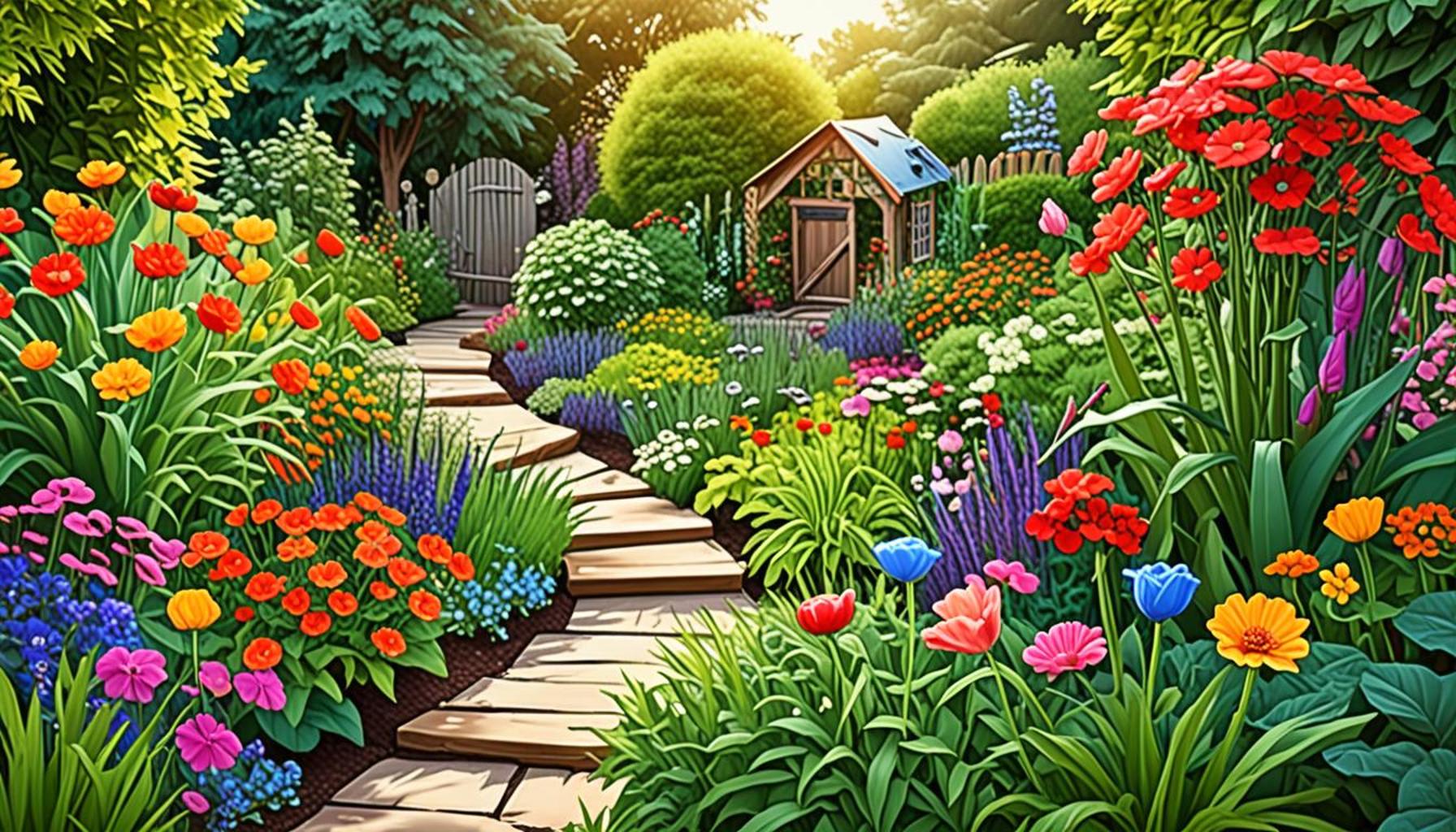
Gardening is much more than a simple hobby; it serves as a vibrant canvas for personal expression. The act of cultivating plants can ignite sparks of creativity and provide a sanctuary for imaginative thinking. It offers an opportunity for individuals to connect with nature while also exploring their artistic inclinations. This harmonious blend can lead to transformative experiences, allowing people to express their identities through the design and care of their green spaces.
Every garden tells a unique story, and this storytelling begins with the selection of colors. The Color Schemes chosen by a gardener can create psychological effects and evocations of specific moods. For instance, warm colors like reds and yellows can evoke feelings of warmth and joy, while cool colors such as blues and purples can impart tranquility. The thoughtful arrangement of plant varieties, such as pairing vibrant marigolds with lush green ferns, can transform a basic garden into an artistic masterpiece.
In addition to color, Design Layouts present another canvas for creativity. Some gardeners prefer the strict symmetry of geometric designs, which can evoke a sense of order and elegance. Others might opt for a more whimsical approach, using curves and spirals to guide the eye through the space. This artistic freedom allows gardeners to convey narratives through their layouts, whether it’s evoking the flowing lines of a river or the structured ambiance of a formal garden.
Moreover, Container Gardens enable boundless creativity, as gardeners can utilize unexpected items as planters. From vintage teacups to old boots, the playful approach of transforming everyday objects into vibrant planters encourages a unique aesthetic and adds character to any gardening space. This not only reflects personal style but also promotes sustainability by reusing materials.
Research indicates that engaging with nature can stimulate the brain’s creative centers. This interaction extends beyond visual appeal; studies show that spending time in gardens can enhance focus, reduce stress, and boost overall mental well-being. Furthermore, community gardens across the United States exemplify how collaboration can lead to creative solutions for shared spaces. These gardens often become a melting pot of ideas, fostering a sense of community while providing an outlet for individual creativity.

As we explore the myriad ways in which nurturing plants leads to imaginative expression, we will discover how even the smallest space can be transformed into a flourishing artistic outlet. Whether through a simple balcony garden or a full-fledged backyard oasis, each gardener has the potential to cultivate not only plants but also their unique vision. Ready to unlock your potential? Let’s dig in!
DIVE DEEPER: Click here to discover the influence of folk art
Unlocking Creativity Through Plant Selection
The vibrant world of gardening is deeply intertwined with the process of plant selection, which serves as the first crucial step in transforming a mere patch of land into a canvas for creativity. Selecting plants is not just about choosing what looks good or grows well; it is an opportunity for gardeners to express their individuality and vision. Different plants, with their unique forms, textures, and growth habits, contribute to the overall artistry of the garden, allowing for a multitude of combinations and arrangements.
One of the most exciting aspects of plant selection is the ability to create a living tapestry through a diversity of species. Gardeners can mix perennials with annuals, herbs with ornamental plants, or even incorporate native species to promote local biodiversity. Each choice adds a layer of interest and can evoke distinct themes or narratives. For example, a garden featuring native wildflowers can tell a story of local history and ecology, while a herb garden could narrate flavorful experiments and culinary adventures.
Creative Themes and Inspirations
Gardening presents countless opportunities to explore various themes. Here are some popular inspirations that gardeners often draw from:
- Coastal Retreat: Incorporating beach grasses, succulents, and colorful annuals, this theme brings the essence of the seaside to life.
- Secret Garden: Emphasizing lush foliage and hidden corners, this approach invites visitors into a world of whimsy and privacy.
- Zen Sanctuary: Minimalist gardens that feature stone pathways, bamboo, and water elements promote tranquility and mindfulness.
- Cottage Charm: With an array of flowering plants and rustic decor, this theme embodies a picturesque, pastoral vibe that recalls an era of simpler living.
The structure of the garden, including pathways and borders, can also play a significant role in enhancing the creativity behind plant selection. Gardeners can use curving paths to subtly guide visitors through the space, offering surprises around each corner. Integrating hardscaping elements, like decorative stones or trellises, can further augment the imaginative experience by providing focal points and varied heights.
Furthermore, a strong emphasis on sustainability invites creativity in gardening practices. Many gardeners today are turning towards organic methods and permaculture designs. This not only creates a beautiful environment but also fosters responsible stewardship of the land. Using compost, rainwater collection, and companion planting are ways to enhance ecological health while simultaneously providing an artistic outlet.
The intersection of artistic expression, nature, and sustainability creates a dynamic space for innovation. As gardeners continue to experiment with diverse plant selections and creative layouts, they unlock new dimensions of imaginative expression that go beyond aesthetics—cultivating a holistic relationship with their outdoor environment.
Gardening is not merely a recreational activity; it serves as a powerful catalyst for stimulating imaginative expression. Engaging with the earth, nurturing plants, and creating vibrant outdoor spaces fosters an environment where creativity can flourish. By embracing the multitude of sensory experiences that gardening provides, individuals can unlock new pathways of inspiration.One striking aspect of gardening is its ability to enhance problem-solving skills. When faced with challenges such as pest control, soil quality, or plant selection, gardeners must innovate and think critically. This practice encourages a mindset that thrives on creative solutions, as individuals explore diverse gardening techniques and design principles to optimize their green spaces.Moreover, the act of designing a garden can be a profound expression of personal identity. Each choice—from the selection of colors and layouts to the integration of decorative elements—reflects the gardener’s unique vision and emotional state. This transformation of a bare plot into a flourishing garden illustrates the profound connection between creativity and nature.Additionally, gardening invites individuals to engage with the seasons, creating a dynamic canvas that changes over time. This evolving relationship with nature incites imaginative thoughts and inspires new ideas. Seasonal shifts provide opportunities to experiment with different plants, materials, and layouts, ultimately culminating in endless creative possibilities and personal expression.As public interest in the therapy benefits of gardening rises, the exploration of community gardens showcases the collaborative aspects of this artistic form. Community gardening initiatives bring together individuals from diverse backgrounds, fostering connections, sharing ideas, and sparking new inspirations through collective creativity. This demonstrates not only the individual benefits of gardening but the potential for broader societal transformation through shared green spaces. In summary, the myriad ways in which gardening stimulates imaginative expression highlights its significant role in personal growth and community integration, encouraging exploring creativity beyond the conventional boundaries.
DISCOVER MORE: Click here to dive deeper
Embracing Design Principles in Garden Spaces
While plant selection lays the groundwork for a creative garden, the application of design principles elevates the garden experience to new heights. Gardeners can use various design elements such as color schemes, symmetry, contrast, and scale to create visually striking environments. Understanding the color wheel can significantly enhance the aesthetic appeal; for instance, complementary colors can highlight and emphasize certain plants, guiding the eye through the garden.
Texture also plays a vital role in creating visual interest. By combining plants with various leaves, bark types, and growth forms, gardeners can cultivate a dynamic and engaging atmosphere. For example, pairing the broad leaves of a hosta with the fine foliage of ornamental grasses can create a compelling contrast that captivates visitors.
Layering for Depth and Dimension
Another essential design principle is layering. Utilizing different heights in plant placement offers depth and dimension, transforming flat garden beds into multi-dimensional showcases. Tall plants can serve as backdrops, while mid-sized species can fill in the middle ground, and groundcovers can create a lush, inviting foreground. This approach not only enhances visual appeal but also encourages exploration, as visitors meander through layers of foliage and flowers.
Incorporating vertical gardening is another innovative way to maximize space and creativity. Using vertical trellises, wall planters, or even repurposed pallets allows gardeners to showcase climbing plants like vines or trailing herbs. This style is not only aesthetically interesting, but it can also optimize sun exposure and water usage, making it ideal for urban spaces or smaller backyards.
Inclusive Design: Engaging All Senses
Gardening can also be a full sensory experience by engaging all five senses—sight, touch, scent, taste, and sound. Incorporating aromatic herbs like lavender, rosemary, or mint offers delightful fragrances that can evoke feelings of calmness and nostalgia. Incorporating plants that produce fruits or vegetables invites taste into the equation, allowing for harvesting and sampling right from the garden.
Additionally, sound can be beautifully integrated into the landscape through ornamental grasses that rustle in the breeze or water features that offer the calming murmur of flowing water. For a truly immersive experience, planting species with varied textures allows visitors to interact physically with the garden, promoting a deeper connection to nature.
Storytelling Through Garden Features
Beyond plants, the inclusion of garden features like sculptures, paths, seating areas, and water elements can aid in storytelling and enhance creativity. A well-placed bench amid flowering shrubs invites contemplation, while whimsical ornaments can spark joy and intrigue. The use of pathways can guide visitors on a journey, encouraging exploration and discovery of hidden garden treasures.
Creating a sensory garden designed specifically for children or individuals with disabilities showcases the power of inclusivity and adaptability in gardening projects. These gardens often feature accessible paths, tactile elements, and sensory plants that cater to various needs, igniting imaginative expression across all demographics.
Ultimately, the integration of thoughtful design principles with a variety of features and sensory elements unlocks a new level of creativity in gardens. By fostering an enriching environment filled with layers of engagement, gardeners can stimulate the imagination—not just for themselves but also for those who wander through these vibrant outdoor spaces.
DISCOVER MORE: Click here to dive into the world of music
Conclusion: The Transformative Power of Creative Gardening
In conclusion, the exploration of creativity in gardens reveals a rich landscape of possibilities that extend far beyond mere aesthetics. By embracing innovative design principles, incorporating sensory elements, and fostering inclusivity, gardening emerges as a powerful medium for imaginative expression. Each garden can serve as a unique canvas where personal stories and emotions are expressed through various plants and features, creating spaces that resonate deeply with both the gardener and visitors alike.
Furthermore, when we understand the symbiotic relationship between design and nature, we unlock a world where layers of color, texture, and sound engage the senses and stimulate creativity. As urban environments and smaller spaces become more prevalent, practices like vertical gardening and sensory-focused designs offer practical yet enchanting solutions, enabling gardeners of all backgrounds to cultivate their imagination.
Ultimately, gardening is not just a pastime; it is an art form that fosters creativity, nurtures community, and promotes mental well-being. As you delve into your next gardening project, consider how you can harness these principles to enhance your space, engage your senses, and inspire not just yourself but others who encounter your garden. In the ever-evolving world of gardening, the only limit is your imagination, encouraging everyone to plant seeds of creativity and watch them flourish.
Related posts:
The Art of Storytelling: How Telling Stories Can Free Your Creativity
Board Game Creation: Using Imagination to Develop Narratives and Interactive Experiences
Creative Photography: Capturing Imaginative Moments and Telling Stories Through the Lens
The Magic of Free Drawing: Exploring Emotions Through Art
The Influence of Visual Art on Creative Self-Expression
The Narrative of Sewing: Telling Stories Through Fabric and Threads

Linda Carter is a writer and creative hobbies expert specializing in crafting, DIY projects, and artistic exploration. With extensive experience helping individuals discover their creative potential and bring their ideas to life, Linda shares her knowledge on our platform. Her goal is to empower readers with practical tips, inspiring ideas, and step-by-step strategies for success in the world of creative hobbies.