Artistic Inspiration in Photography: Capturing Moments that Tell Stories

Unveiling the Power of Photography
Photography is not merely a technical skill; it serves as a profound medium for capturing emotions, moments, and stories that resonate deeply with viewers. Through the lens, a photographer can transform ordinary scenes into extraordinary visual narratives that elicit feelings and provoke thought, showcasing the beauty and complexity of human experience. This is especially relevant in a world saturated with visual stimuli, where a well-composed photograph can stand out and ignite conversations.
Consider how a single image can encapsulate diverse human emotions:
- Joy: Imagine a snapshot of children playing joyfully in a park, their laughter suspended in time, effectively conveying the pure, unfiltered happiness that is often fleeting.
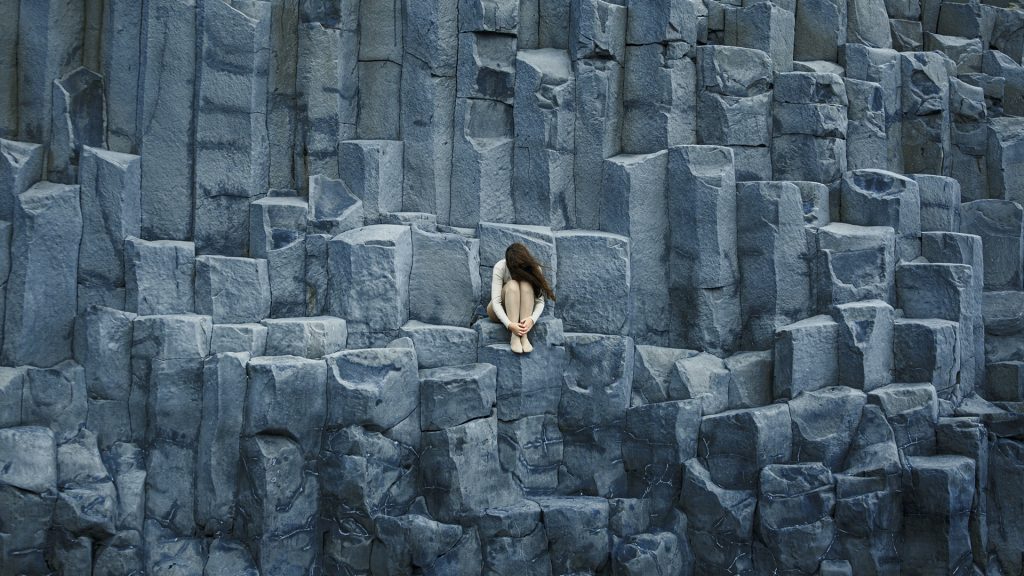
- Sadness: Picture a solitary figure on a deserted bench against the backdrop of a vibrant sunset—the juxtaposition of the colorful sky and the lone person serves as a poignant reminder of loneliness and the passage of time.
- Hope: Visualize a breathtaking sunrise breaking through ominous dark clouds after a storm; it symbolizes renewal and the inevitability of brighter days ahead.
Each photograph captures a unique moment, allowing for an intimate reflection on life’s myriad experiences. Just as a well-written story unfolds, photography harnesses visual language to express complex ideas and emotions, making it a powerful medium for artistic expression.
Embracing Artistic Techniques
Innovative photographers employ various artistic techniques to convey their vision. Key elements include:
- Composition: The thoughtful arrangement of visual elements within the frame creates harmony, drawing the viewer’s eye and guiding them through the story the photograph wishes to tell. Techniques like the rule of thirds can enhance this effect, ensuring a balanced and engaging image.
- Lighting: Masterful use of both natural and artificial light can dramatically influence the mood of a photograph. For example, the soft golden-hour glow can evoke feelings of nostalgia or warmth, while stark contrasting shadows may convey drama or tension.
- Color: The strategic employment of colors, such as vibrant reds and greens or muted pastels, can elicit specific emotions, helping to underscore the thematic message the photographer wishes to communicate.
This article invites you to delve deeper into how these artistic inspirations shape the influence and perception of photography. As you explore the world behind the lens, prepare to discover how each snapshot has the potential to unveil a captivating narrative and challenge you to look beyond the surface. Whether you’re a budding photographer or an admirer of the art form, understanding these techniques will enrich your appreciation of the stories told through images.
DIVE DEEPER: Click here to discover more
The Art of Storytelling Through the Lens
Photography is a formidable storytelling tool that transcends mere image capture. Each photograph encapsulates a moment rich with narratives, personalities, and emotions, all waiting to be explored by the viewer. To fully appreciate this art form, one must recognize the role of artistic inspiration that motivates photographers to create compelling visuals. Whether stemming from personal experiences, cultural influences, or environmental observations, these inspirations play an essential part in translating fleeting moments into powerful stories.
Many photographers find themselves influenced by various sources that stir their creativity. Some derive inspiration from classic works of art, such as paintings or literature, while others find their muse in the natural world, vibrant urban landscapes, or the intricate details of daily life. Let’s explore a few common sources of artistic inspiration:
- Nature and the Environment: The stunning interplay of light, shadows, and colors found in natural settings often spurs photographers to capture the beauty of landscapes or wildlife. For example, Ansel Adams is celebrated for his breathtaking black-and-white landscape photography that showcases the majesty of the American West, inspiring countless photographers to explore the natural world. Additionally, contemporary photographers like Peter McBride capture the rich colors of seasonal changes in nature, urging viewers to reconsider their connection with the planet.
- Human Experience: Street photography offers a candid glimpse into everyday life, capturing the essence of human emotions and interactions. Photographers like Henri Cartier-Bresson emphasized the importance of capturing the “decisive moment,” creating visual stories that resonate with viewers on a personal level. A modern embodiment of this can be seen in the work of photographer Humans of New York, which highlights the personal stories of individuals on the streets of New York City, inviting us to empathize with their experiences and backgrounds.
- Cultural Heritage: Photographers often draw on their cultural backgrounds, using their unique perspectives to illuminate less-represented narratives. The works of photojournalists such as Gordon Parks not only document struggles but also celebrate resilience. Parks’s photographs poignantly reflect the African American experience, shedding light on significant societal issues and human experiences while promoting understanding and connection across diverse communities.
Moreover, the development of technology has transformed photography, allowing artists to experiment with new techniques and styles. Digital cameras and editing software such as Adobe Lightroom and Photoshop enable photographers to manipulate their images creatively, enhance colors, and adjust lighting, further evolving artistic expression. The rise of social media platforms like Instagram has also democratized photography, granting both amateur and professional photographers a global stage to share their stories, thus broadening the possibilities for capturing dynamic moments that tell profound stories.
As you embark on your photographic journey, exploring the sources of inspiration that resonate with you can significantly impact your ability to convey emotion and depth through your imagery. Understanding how different influences contribute to compelling storytelling in photography will not only enhance your skills behind the lens but also foster a deeper appreciation for the myriad of voices and stories reflected in the world of visual artistry. Embrace the various elements around you, and let them shape the unique narrative that only you can express through your lens.
As photography evolves, the quest for artistic inspiration becomes increasingly paramount for artists and enthusiasts alike. Capturing moments that resonate requires not just technical skill, but also a deep understanding of storytelling through images. Whether it’s candid street photography that freezes a fleeting moment or staged portraits that echo emotional narratives, the essence of storytelling in photography transforms ordinary scenes into powerful visual experiences.
Consider the concept of visual storytelling. Each photograph possesses the potential to communicate a message without uttering a single word. By harnessing elements like composition, light, and color, photographers can evoke feelings that words often cannot. A single glance at an image can whisk a viewer into a vibrant world filled with emotion, narratives, and ideas, sparking the imagination and inviting personal interpretations.
Moreover, understanding cultural contexts enhances a photographer’s ability to convey stories in resonates with viewers. For example, a photograph depicting community gatherings in a rural setting could highlight themes of unity and heritage. In contrast, images of urban life might explore the juxtaposition of isolation amid crowds, giving life to the complexities of modern existence. Each context provides unique perspectives, enriching the narrative possibilities.
The importance of emotion in photography cannot be overstated. Photographers who tune into the emotional undercurrents of their subjects often create images that leave a lasting impact. Whether it’s through a joyous celebration or a moment of solitude, the power of emotion anchors the viewer’s experience, allowing them to form connections with the work.
Furthermore, innovation in photographic techniques, such as the use of light trails or double exposures, expands creative boundaries, enabling photographers to implement dreams and visions in tangible forms. As technology advances, so does the capacity to blend artistry with storytelling, arming photographers with myriad tools to captivate their audience.
As you embark on your own photographic journey, remember that the single most defining factor in impactful photography is your unique voice. Embrace your inspirations, share your stories, and let your lens become an extension of your artistic expression. Explore what motivates you and reflect it in your photographs—the world awaits your individual narrative.
| Category | Description |
|---|---|
| Artistic Inspiration | Draws upon the intersection of emotion and technique |
| Cultural Context | Enhances storytelling by capturing diverse narratives |
| Emotional Connection | Elicits responses through relatable themes and moments |
| Innovative Techniques | Explores creative methods to convey visions |
DISCOVER MORE: Click here to dive into the world of music
Exploring Techniques to Distill Emotion and Narrative
Beyond the sources of inspiration, the methods by which photographers translate their vision into captivating images significantly impact the storytelling aspect of their work. The interplay between technical skills and artistic creativity provides an incredible foundation for expressing emotion and narrative in photography. Here are some techniques that can help photographers convey deeper stories through their images:
- Composition: The arrangement of elements within a photograph can drastically alter its narrative. Techniques such as the rule of thirds, leading lines, and framing help create a sense of balance and focus, drawing the viewer’s attention to the essential subjects of the image. For instance, noted photography educator and author David duChemin emphasizes how intentional composition invites viewers to experience the story behind the image. By positioning subjects strategically, photographers not only capture moments but also create a visual dialogue that resonates beyond the frame.
- Lighting: The use of natural or artificial light can evoke various emotions and atmospheres within a photograph. Photographers like Edward Weston harness natural light to highlight textures and shapes, creating images that are not only visually striking but also imbued with emotion. The golden hour, just after sunrise or before sunset, offers unique lighting conditions that can enhance warm tones and dramatic shadows, setting the stage for a cinematic experience.
- Color Palettes: Colors have psychological implications that influence the viewer’s emotional response. Photographers often utilize color theory to create mood within their work. For example, using melancholic blues or vibrant yellows can change the entire interpretation of a moment. The work of Martin Parr showcases how bold colors can be juxtaposed against common life, portraying humor and irony while inviting viewers to delve into anecdotes hidden within the mundane.
- Storyboarding and Planning: Some photographers engage in pre-visualization and storyboarding, allowing them to map out their narratives before touching the camera. This method can be particularly useful in documentary and conceptual photography, ensuring that each shot serves a particular purpose in the broader storytelling arc. By doing so, photographers can create coherent series of images that collectively portray a theme or subject, as seen in the powerful works of Paul Nicklen, who documents the challenges of climate change through carefully curated imagery.
Additionally, the impact of post-processing techniques cannot be overlooked. The digital darkroom has opened new avenues for artistic expression; photographers can enhance or manipulate their images to suit their narrative intents. Techniques such as selective color adjustments, contrast enhancement, and even digital collaging allow artists to present their visions creatively. Renowned photographer Andreas Gursky often uses digital manipulation to construct compelling, large-scale images that blend reality with abstraction, prompting viewers to question their perceptions of both the ordinary and the extraordinary.
Another powerful trend is the use of storytelling in mixed media. By integrating text, graphics, or video alongside photography, artists can create multi-layered content that guides audiences through their stories. Digital platforms allow for creative blending, and artists like Rania Matar use storytelling narratives through their photography to touch upon social issues and personal experiences, inspiring a deeper connection with viewers.
As photographers continue to explore these diverse techniques and inspirations, they enrich their own storytelling capabilities while also expanding the collective artistry of photography. By remaining open to discovery and experimentation, photographers can capture deeply resonant images that not only tell stories but also evoke awareness and evoke emotions within a fast-paced world.
EXPLORE MORE: Click here to find inspiration in your daily activities
Conclusion: The Power of Photography to Tell Stories
In the vast landscape of visual art, photography stands out as a poignant medium through which stories unfold and emotions resonate. The essence of artistic inspiration in photography lies in the ability to capture a moment that transcends time, weaving narratives that engage, provoke thought, and inspire. As we have explored, the interplay of composition, lighting, color palettes, and meticulous planning serves as the bedrock of storytelling through images. Each technique is a brushstroke on the canvas of reality, inviting viewers into an experience that goes beyond mere observation.
Moreover, the evolution of post-processing techniques and mixed media integration enriches the narrative landscape, allowing artists to explore new dimensions in conveying their stories. Through thoughtful manipulation and creative expression, photographers like Andreas Gursky and Rania Matar not only capture what is visible but also delve into the layers of meaning that lie beneath the surface, addressing social issues and personal journeys.
Ultimately, the world of photography offers endless possibilities for storytelling. As photographers continue to hone their skills and embrace new inspirations, they contribute to a rich tapestry of visual narratives that reflect the complexities of human experience. By keeping an open mind and remaining attuned to the stories that surround us, photographers can create striking works that not only capture moments but also evoke a sense of connection and understanding among viewers. Thus, photography remains an essential tool in bridging the gap between our individual stories and the collective human experience.
Related posts:
Discover Everyday Art Finding Inspiration in Daily Activities
Exploring Art as Therapy: How Creative Expression Can Inspire Personal Healing
The Role of Music in Stimulating Artistic Creativity: An Interdisciplinary Analysis
The Relationship between Literature and Art: How Writers Inspire Painters and Visual Artists
The Influence of Colors in Artistic Creation: Psychology and Inspiration in Color Palettes
Natures Influence on Artistic Inspiration How Environment Shapes Creativity

Linda Carter is a writer and creative hobbies expert specializing in crafting, DIY projects, and artistic exploration. With extensive experience helping individuals discover their creative potential and bring their ideas to life, Linda shares her knowledge on our platform. Her goal is to empower readers with practical tips, inspiring ideas, and step-by-step strategies for success in the world of creative hobbies.