Abstract Painting Art Expressing Emotions Through Colors and Shapes
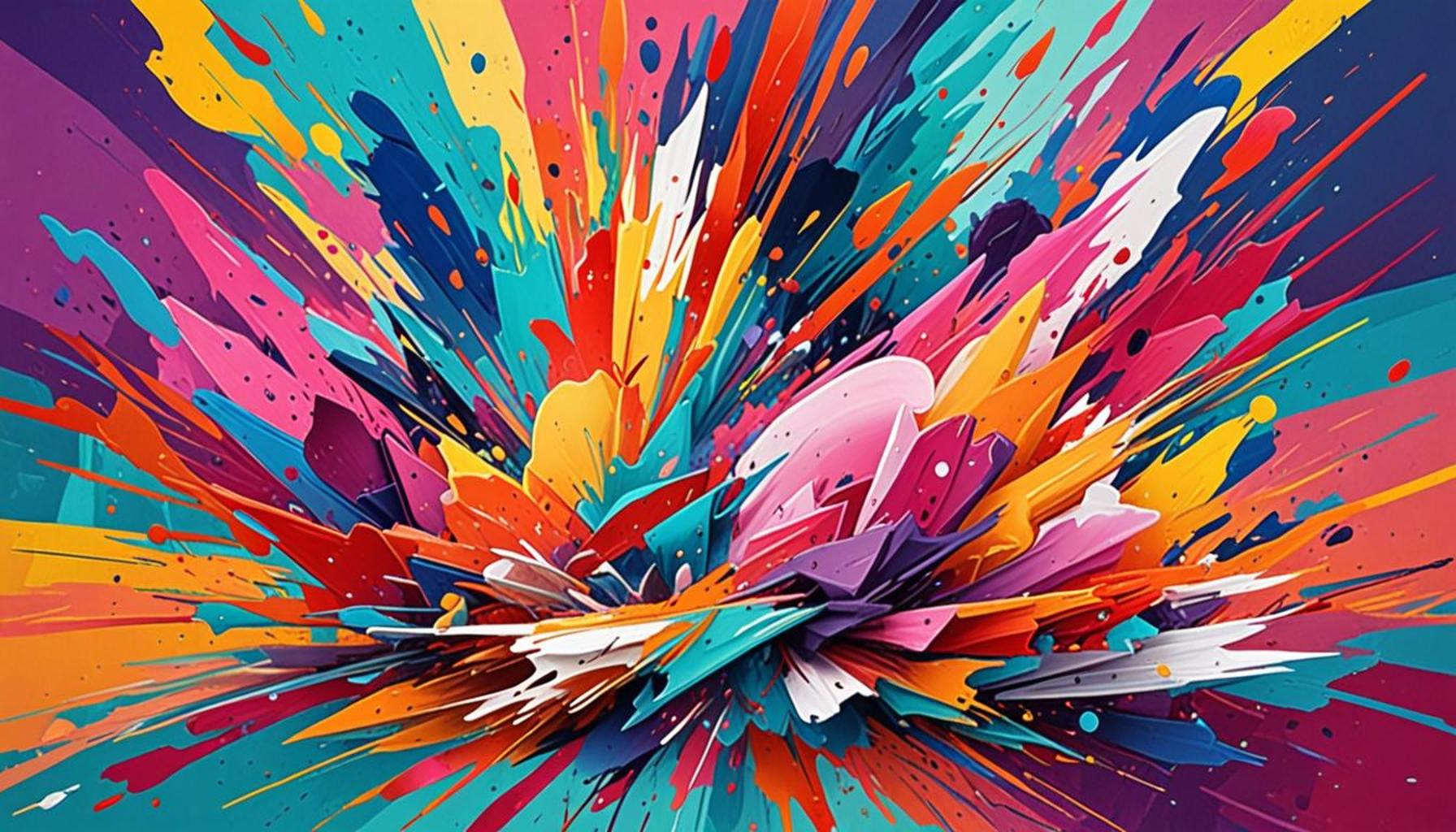
Discovering Abstract Painting
Throughout history, art has served as a powerful medium for self-expression, with abstract painting being one of its most dynamic forms. This style transcends traditional artistic boundaries, allowing creators to depict emotions and thoughts through vivid colors and unique shapes. As individuals increasingly turn to creative hobbies for therapeutic engagement, understanding the significance of abstract painting becomes essential.
Engaging in abstract painting not only fosters creativity but also enhances emotional well-being. It offers artists a chance to explore their inner feelings in a way that words often cannot capture, creating a personal language of color and form. In this journey, we will highlight the top five abstract painters who have significantly impacted this art form and provided inspiration for countless enthusiasts.
Why Explore Abstract Painting?
- Encourages emotional exploration
- Promotes mental well-being
- Allows for limitless creativity
- Bridges personal and universal themes
- Offers diverse techniques and styles
Join us as we delve deeper into the world of abstract painting and unveil the talented artists who have mastered the art of expressing emotions through their captivating work.
Top 5: The Art of Abstract Painting – Expressing Emotions Through Colors and Shapes
Abstract painting embodies a fascinating and multifaceted realm where the canvas becomes a window into the soul, and visual elements such as colors and forms narrate stories of intangible emotion and profound thought. Within this space, conventional representation bows to the more elusive and subjective exploration of feeling and perception. In this article, we delve into the top five aspects of abstract painting that encapsulate its essence in conveying emotions and its profound impact on both creators and viewers.
5. Historical Significance: The Evolution of Abstract Art
The roots of abstract painting stretch deep into the history of art, characterized by a radical transformation during the early 20th century. At this time, artists such as Wassily Kandinsky and Piet Mondrian began to challenge the traditional conventions of art by rejecting objective representation in favor of abstraction. Their revolutionary ideas laid the groundwork for movements like Cubism, Abstract Expressionism, and Surrealism, which varied in their interpretation but shared a common emphasis on non-representational expression.
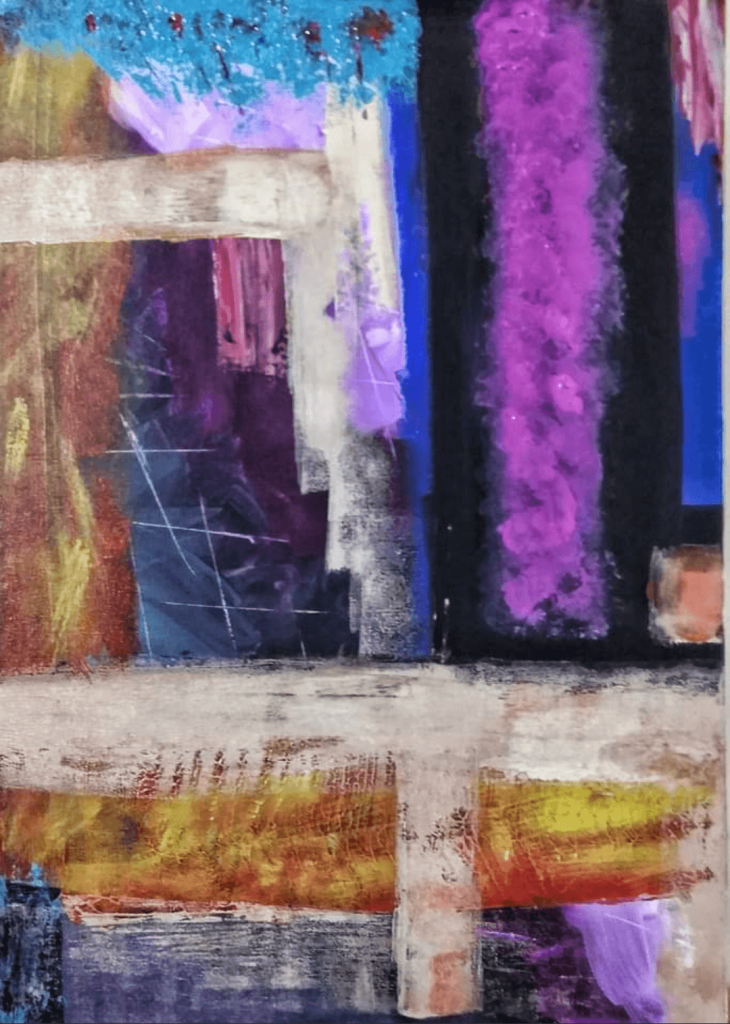
Influential Figures and Their Contributions
- Wassily Kandinsky – As a pioneer of abstract art, Kandinsky introduced the notion that colors and forms could possess inherent emotional quality. His works, like “Composition VIII,” leverage geometric shapes and vivid hues to evoke spiritual responses from viewers.
- Jackson Pollock – Known for his iconic drip paintings, Pollock’s technique emphasized spontaneity and the role of physical engagement in art creation, shifting the focus from the final piece to the act of painting itself.
- Mark Rothko – Rothko’s color field paintings, characterized by large blocks of color, invite viewers into an intimate dialogue with the canvas, encouraging contemplation and personal interpretation.
This historical context illuminates how abstract art evolved into a powerhouse of personal and emotional expression, engaging artists and audiences alike in an ongoing dialogue about the impact of individual experience on creative output.
4. Emotional Resonance: Engaging the Viewer
One distinctive attribute of abstract painting is its power to evoke deep emotional resonance with its audience. Unlike representational art, which often guides the viewer towards a shared interpretation, abstract art thrives on individual perspectives. This autonomy of interpretation ensures each encounter with an abstract piece is as unique as the person viewing it.
Consider an abstract painting dominated by bold, chaotic strokes of red intertwined with dark nocturnal blues. To one viewer, this might represent turmoil or conflict, while to another, it may symbolize the intensity of passion. Conversely, a work rich in pastel yellows and subtle greens could offer a sense of joy or serenity. The open-ended nature of abstract art, devoid of definitive subject matter, challenges viewers to infuse their emotions and experiences, making the artwork a mirror to the soul rather than a window to another’s.
3. The Role of Color: Psychology of Color in Abstract Art
Color theory is a cornerstone of abstract painting, with each hue carrying distinct psychological connotations capable of affecting viewers on multiple levels. Artists masterfully wield this knowledge to craft emotional narratives that transcend language.
Understanding Color Associations
- Red – Often linked with intense emotions such as passion, danger, or excitement, red in a composition can set the heart racing.
- Blue – Evoking tranquility and introspection, blue often brings a calming effect, akin to staring at the endless sky or a calm sea.
- Yellow – Uplifting and optimistic, yellow radiates energy and happiness, reminiscent of sunlight and warmth.
By exploring these color associations, artists can guide emotional reactions, using color as a bridge to the subconscious. In doing so, abstract painting extends beyond the visual, becoming a visceral experience that resonates on a deeply emotional level.
2. Techniques and Mediums: Diverse Approaches in Abstract Painting
The diverse techniques and mediums employed in abstract painting foster a dynamic range of emotional expressions. Artists often experiment with unconventional materials and methods to create textures and forms that amplify the emotive quality of their work.
Innovative Methods and Their Effects
- Pouring – Artists pour liquid paints onto the canvas, allowing them to merge and create organic patterns. This technique induces a sense of fluidity and unpredictability, capturing movement and transformation.
- Collage – By introducing elements like paper, fabric, or found objects, artists create complex, layered works that add depth and evoke multifaceted emotions.
- Expressive Brushwork – Deliberate or impulsive brush strokes can communicate tension, exuberance, or harmony, infusing the composition with energetic dynamism.
These techniques demonstrate the limitless possibilities inherent in abstract painting. Each method serves as a conduit for emotion, inviting viewers to explore an artist’s inner world through texture and form.
1. Personal Expression: A Reflective Journey
Above all, abstract painting serves as a vessel for personal expression, capturing the artist’s innermost thoughts and emotions. This unique art form allows creators to transcribe their emotional landscapes into visual experiences, offering a window into their subjective realities.
Artists often delve into their personal narratives, capturing complex emotions—be it joyous, melancholic, tumultuous, or serene. Through abstraction, they forego literal representation, choosing instead to depict the essence of emotion with unbridled creativity and authenticity. This approach engages viewers in a shared human journey, as each artwork unfolds the artist’s soul before their eyes.
Such personal reflective work enhances the collective human connection, transforming abstract art into a universal language of feeling and introspection. It encourages dialogue and understanding between different cultural and emotional perspectives, making abstract art a powerful global phenomenon in the art world.
In conclusion, abstract painting’s rich tapestry invites both creators and viewers into a myriad of emotional explorations. From its historical roots and emotional resonance to its dynamic use of color and innovative techniques, it remains a vital, evolving form of artistic expression, continuously redefining how one experiences emotion beyond the limitations of word and form.
| Category | Details |
|---|---|
| Color Psychology | The use of colors in abstract painting is not arbitrary; it is rooted in the scientific study of how colors affect emotions. For instance, blue can evoke tranquility, while red can stir feelings of passion or urgency. |
| Artistic Freedom | Abstract art provides a platform for unbounded creativity. Artists can explore various mediums, from oils to digital formats, allowing for infinite possibilities in expression. This lack of constraints often leads to more profound discoveries in the artwork. |
| Viewer Interpretation | Unlike traditional art, abstract painting invites subjective interpretation from the viewer. Each individual can derive their meanings and connections from the colors and shapes, making each viewing experience unique. |
| Cultural Reflection | Abstract art often reflects the cultural zeitgeist of its time, with colors and forms representing social movements and changes. This allows artists to communicate powerful messages that resonate with contemporary issues in society. |
The exploration of abstract painting is as rich as the colors themselves, inviting both artists and viewers to engage with emotions and interpretations that are as varied as the artwork. Each stroke and hue speaks to a deeper narrative, pushing the boundaries of how we perceive art and emotion in our daily lives. Often, the most powerful pieces provoke introspection and personal connection, serving as a mirror to our own experiences and feelings. This dynamic relationship between the viewer and the painting underscores the significance of abstract art in understanding not just artistic expression, but also the emotional landscape that defines our existence.
Frequently Asked Questions About Abstract Painting
What exactly defines abstract painting?
Abstract painting is characterized by the use of colors, forms, and gestural marks to express emotions and concepts without relying on visual references from the real world. It diverges from traditional art by focusing on elements like shape, texture, and color to communicate meaning, often leaving the interpretation open to the viewer.
How did abstract painting originate and evolve?
The roots of abstract painting can be traced back to the early 20th century, with artists like Wassily Kandinsky and Piet Mondrian pioneering the movement. It emerged as a response to social changes and technological advancements, evolving through various styles and schools of thought such as Cubism, Surrealism, and Abstract Expressionism.
What techniques are commonly used in abstract painting?
Abstract painting embraces a wide variety of techniques, depending on the artist’s intention. Common methods include dripping, splattering, pouring, and blending of colors. Artists may also incorporate mixed media, texture creation using palette knives, and layering techniques to add depth and dimension to their work.
Can anyone understand and appreciate abstract painting?
Absolutely! The beauty of abstract painting lies in its openness to interpretation. While it might not provide a straightforward image to grasp, it invites viewers to experience and connect with their emotions and thoughts. It’s said that the appreciation of abstract art evolves as one cultivates an open mind and learns to explore personal perceptions.
What role do colors play in abstract painting?
Colors are fundamental in abstract painting, often used to evoke emotions and moods. Artists choose palettes intentionally, as different colors can communicate different feelings, such as warmth, tranquility, or tension. The blending and contrast of colors are vital in creating the dynamic visual experience characteristic of abstract art.
Conclusion
Abstraction in painting stands as a powerful medium, transcending traditional artistic boundaries by using colors and shapes to express a myriad of emotions and ideas. This unique art form enables both artists and observers to engage with their own interpretations, eliciting personal reactions and reflections. Throughout the exploration of abstract art, we’ve delved into its history, significance, and the expressive potential it harbors.
The innate freedom of abstract painting promotes individuality and self-expression, making it a compelling creative hobby. It’s not just about the visual elements but also about the emotional and imaginative connections it fosters. By employing vibrant colors and varied forms, artists can convey moods and narratives beyond the confines of reality. Abstract art challenges both creators and audiences to look deeper, inviting exploration into the personal and the philosophical.
Moreover, abstract art plays a crucial role in the broader landscape of creative hobbies, offering a gateway to enhanced artistic exploration and innovation. For those engaged in creative pursuits, it encourages a liberating experience that nurtures both technical skills and emotional growth. Embracing the unpredictability and spontaneity of abstract painting can lead to a profound appreciation and understanding of one’s own emotions and perceptions.
In the intricate dance of colors and shapes, abstract painting serves as a timeless testament to the boundless capacity of the human spirit to manifest thoughts and feelings. As we continue to explore this dynamic form of art, its impact on both the individual and collective psyche remains as relevant as ever. Encouragingly, abstract painting continues to invite curiosity and inspire myriad possibilities, making it a significant and ever-evolving field within creative hobbies.
Related posts:
Shadow Theatre: A Unique Way of Telling Stories Through Light and Shadow
Music as Imaginative Expression: Composing Your Own Soundtrack
The Art of Ceramics: Shaping Imagination in Every Piece
The Magic of Illustrated Stories: Combining Words and Images to Create Fantastic Universes
The Magic of Creative Writing Transform Ideas into Captivating Stories
Creative Photography: Capturing Imaginative Moments and Telling Stories Through the Lens

Linda Carter is a writer and creative hobbies expert specializing in crafting, DIY projects, and artistic exploration. With extensive experience helping individuals discover their creative potential and bring their ideas to life, Linda shares her knowledge on our platform. Her goal is to empower readers with practical tips, inspiring ideas, and step-by-step strategies for success in the world of creative hobbies.