The Role of Graphic Literature in Artistic Inspiration: Comic Books as a Source of Creativity
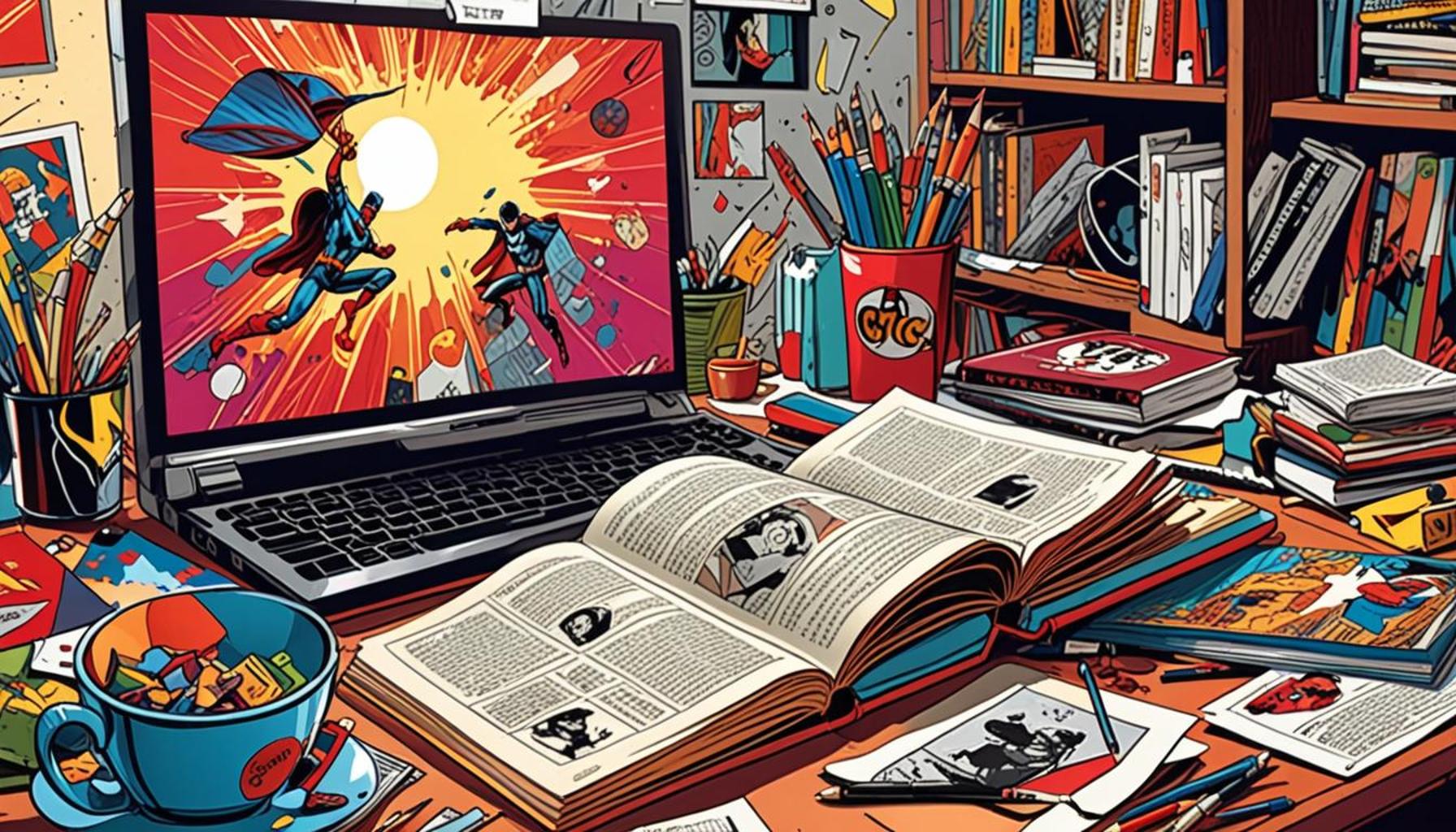
Exploring the Influence of Comic Books on Artistic Expression
Graphic literature has long provided a unique platform for storytelling, blending art and narrative in ways that provoke thought and inspire creativity. Particularly in the realm of comic books, artists and writers are given the freedom to explore complex themes and emotions, leading to unforeseen influences on other creative fields.
Consider the following aspects that make comic books an unparalleled source of inspiration:
- Diverse Narratives: From the larger-than-life exploits of superheroes like Spider-Man and Wonder Woman to the heart-wrenching tales found in graphic novels like “Maus” by Art Spiegelman, comic books cover an extensive range of genres that cater to an array of audiences. This diversity not only showcases various storytelling styles but also gathers a rich tapestry of experiences that resonate with readers of different backgrounds.
- Visual Storytelling: The fusion of artwork with text creates a multi-layered experience that engages the audience’s imagination. Each frame is a canvas, combining colors, lines, and layout to convey emotions and actions swiftly and powerfully. For instance, in graphic novels such as “Persepolis” by Marjane Satrapi, the mostly black-and-white imagery plays a crucial role in enhancing the stark realities of the narrative, pushing readers to feel the weight of the subject matter more poignantly.
- Cultural Reflection: Many comics address societal issues, fostering discussions on topics like race, gender, and politics. A notable example is the groundbreaking “Black Panther,” which not only introduced readers to a superhero of African descent but also raised awareness about African culture, empowerment, and the complexities of identity in the United States. Such narratives can incite conversations about representation and inclusivity, connecting with readers on both personal and social levels.
Not only do these elements enhance the reading experience, but they also influence creative processes across various domains. Visual artists, writers, and even filmmakers have been known to draw from the aesthetics and narratives found within the pages of comic books. The cinematic landscape, for instance, has been heavily shaped by comic book adaptations. Films like “The Dark Knight” and “Spider-Man: Into the Spider-Verse” have elevated the comic book genre, employing techniques such as innovative animation and complex character development that reflect the richness found in the comics.
As we delve further into this fascinating subject, it becomes clear that the connections between graphic literature and other art forms extend beyond mere inspiration. Comic books serve as a catalyst for creativity in the contemporary artistic landscape, prompting creators to explore storytelling through new lenses. This ongoing dialogue between comic books and other artistic avenues encourages innovation and experimentation, revealing how this artistry can continuously shape and redefine cultural narratives.
The impact of comic books is not limited to literary or visual arts; they also permeate music, fashion, and even video game design, showcasing the far-reaching implications of this vibrant medium. With their ability to cross cultural and generational boundaries, comic books remain an indispensable source of artistic expression, fostering creativity and encouraging a deeper understanding of the human experience.
DIVE DEEPER: Click here to explore the world of folk art
Transformative Power of Comic Books in Artistic Creation
Graphic literature, particularly in the form of comic books, acts as a powerful influence on artists and creators across multiple disciplines. The vibrant world of comics offers not only a dynamic storytelling medium but also serves as a wellspring of inspiration that stimulates creativity in ways traditional literature may not. This exploration begins by examining the distinctive characteristics that position comic books as pivotal players in the creative economy.
One essential factor is the interdisciplinary nature of comic books. They merge visual art with narrative prose, creating a unique tapestry where imagery and text coalesce. This duality invites interactions among various artistic forms, potentially igniting new ideas and approaches. Comics like “Sandman” by Neil Gaiman exemplify this blend, pulling readers into a narrative that is as much about art as it is about storytelling. The ethereal illustrations by artists like Dave McKean ignite the reader’s imagination, challenging conventional perceptions of narrative flow and character development.
Furthermore, comic books encourage a culture of collaboration among creators, fostering relationships between writers, illustrators, colorists, and letterers. This teamwork leads to a more enriched end product; for instance, the synergy in creating “Saga” by Brian K. Vaughan and Fiona Staples showcases how diverse talents can merge into a singular cohesive vision. Their collaborative process not only results in a beloved graphic novel series but also opens avenues for others to explore the importance of teamwork in their creative projects.
In addition to collaboration, comic books act as a strong catalyst for emotional resonance. Unlike traditional novels that rely solely on descriptive language, comics utilize imagery to evoke profound feelings. The dramatic representation of struggles, joys, and triumphs in titles like “Watchmen” by Alan Moore creates visceral experiences that resonate deeply with readers. This emotional engagement encourages artists in various fields, from music composition to visual installations, to evoke authentic emotional responses in their audiences, thereby enhancing their creative outputs.
Moreover, the accessibility of comic books can’t be overlooked. This medium reaches a wide demographic, appealing to both young readers and adults seeking complex narratives. Unlike highbrow art forms, comic books are often available at local stores, libraries, and online platforms, making them approachable sources of inspiration. Recent titles such as “The Magic Fish” by Quang Ho and A. H. Ingram exemplify how modern comics can touch on relatable themes of identity and acceptance, contributing to the cultural discourse and encouraging new creative pathways for artists who engage with these themes.
In conclusion, the integration of comic books into the artistic landscape demonstrates their significant role as a source of inspiration and creativity. Their ability to foster collaboration, evoke deep emotional connections, and appeal to a diverse audience has profound ramifications for artists seeking innovative methods of storytelling. As we continue to explore the dynamic interplay between graphic literature and artistic expression, it becomes evident that the influence of comic books transcends traditional boundaries, inviting new narratives and fresh perspectives into the broader creative sphere.
The Influence of Comic Books on Diverse Art Forms
Graphic literature, particularly comic books, has transcended its initial audience, becoming a significant source of inspiration across various artistic disciplines. Artists and creators from fields such as painting, film, and literary works have drawn from the visual storytelling techniques inherent in comic books. The unique method of combining images and text to convey emotions and narratives has encouraged artists to experiment with their styles and storytelling techniques. For instance, many contemporary painters have adopted the bold colors, dynamic compositions, and sequential storytelling found in comics. Think of the vibrancy in the works of artists like Roy Lichtenstein, who famously emulated comic strips, thus legitimizing this medium as a form of fine art. In literature, writers are increasingly inspired by the succinct, punchy dialogue frequently found in comic narratives, fostering a new genre of works where visuals play an integral role in storytelling.
The Role of Comic Books in Developing Creativity
Comic books are not only a source of inspiration for established artists but also serve as a fertile ground for budding creators. The accessibility and relatability of graphic narratives empower individuals to express their unique voices and artistic visions. This democratization of art encourages creativity by allowing aspiring artists to draw inspiration from popular culture and social issues depicted in comic literature, which often address themes of identity, diversity, and social justice.Moreover, educational programs increasingly integrate comic books into art curricula, recognizing their potential to enhance visual literacy and creativity among students. Workshops and classes focused on comic art encourage participants to communicate complex ideas through visuals, thereby enhancing their critical thinking and creative expression.
Embracing the Hybrid Nature of Comic Art
Furthermore, the hybrid nature of comic art — blending visual and textual elements — is pivotal for fostering creativity. Comic books push the boundaries of traditional storytelling, compelling artists to innovate continuously. As seen with graphic novels that tackle heavy themes like mental health or historical narratives, the format offers an exceptional opportunity for deeper audience engagement.The intrinsic quality of comic books to evoke emotions through visual storytelling leaves a lasting impact, making them an enduring source of inspiration. These narratives not only enhance the creators’ artistic toolbox but also elevate the audience’s ability to experience art. As modern culture continues to evolve, the role of comic books as a catalyst for creativity becomes ever more relevant, showcasing their significance within the artistic landscape.
| Advantages | Key Benefits |
|---|---|
| Visual Storytelling | Combines images and words to create engaging narratives that inspire creativity. |
| Accessibility | Offers a welcoming medium for new artists and readers, opening pathways to artistic expression. |
DIVE DEEPER: Click here to uncover the emotions behind abstract art
Innovative Storytelling and Cultural Commentary
Comic books are not just a playground for artistic expression; they serve as profound instruments for storytelling innovation. The unique structure of comics allows for a non-linear narrative, enabling creators to convey complex ideas in a visually striking manner. For example, the graphic novel “Fun Home” by Alison Bechdel utilizes a memoir format interwoven with intricate illustrations to explore themes of gender, sexuality, and family dynamics. This unconventional narrative form challenges traditional storytelling methods, encouraging artists and writers to push the boundaries of their own work.
Moreover, comic books provide a platform for cultural commentary, often serving as mirrors reflecting societal issues and injustices. Titles such as “Ms. Marvel” by G. Willow Wilson have paved the way for underrepresented voices in the comic industry, addressing themes of identity and faith in a post-9/11 world. This engagement with contemporary social issues not only highlights the potential of comics to affect change but also inspires artists in varied fields to tackle real-world problems through their own unique lenses. The ability to provoke thought and dialogue further elevates comic books as sources of inspiration for creators.
Another notable aspect of comic books is their interactivity and engagement with audiences. The rise of graphic novels has led to an increase in conventions, workshops, and collaborative projects that foster community engagement. Events like San Diego Comic-Con provide not just a space for fans to meet creators, but also for artists to share ideas and techniques, creating an ecosystem of creativity. This environment encourages aspiring artists to take risks and experiment with their work, ultimately enriching the graphic literature landscape while motivating their artistic journeys.
The emergence of digital comics has also revolutionized the medium, offering new avenues for creativity and distribution. Platforms such as Webtoon and Tapas have democratized comic creation, allowing independent artists to publish their work without the constraints of traditional publishing routes. These digital platforms often feature diverse narrative styles and genres, thus expanding the scope of expression available to artists. This innovation exemplifies how technology enhances creative processes, challenging norms and making artistic inspiration more accessible than ever.
Ultimately, the influence of comic books extends into educational realms as well. Many educators have adopted graphic novels as teaching tools to engage students in critical thinking and visual literacy. Incorporating titles such as “Persepolis” by Marjane Satrapi into the curriculum illustrates how comic books can enhance students’ understanding of history and culture, fostering a new generation of artists and thinkers who draw inspiration from the vibrant visual narratives of graphic literature. Educators recognize that students are more likely to connect with stories presented in a visually engaging format, reinforcing the pivotal role of comic books in inspiring not only artists but also young minds shaped by creativity.
As we continue to explore the multifaceted nature of comic books, it becomes clear that their impact on artistic inspiration transcends mere visual allure. They celebrate innovation, provoke reflection, and build communities — all while inspiring a diverse range of creators to explore new creative avenues. With intact relevance in today’s cultural discourse, comic books will continue to be instrumental in shaping the future of artistic expression.
DISCOVER MORE: Click here to learn about sustainable crafts
Conclusion
In summation, the realm of graphic literature and comic books emerges as a potent catalyst for artistic inspiration, reshaping not only how stories are told but also who is telling them. The innovative narrative techniques and cultural reflections embedded in these works invite both creators and audiences to engage deeply with complex themes that resonate on personal and societal levels. As highlighted throughout this exploration, comics are far more than entertainment; they are vital creative tools that offer transformative perspectives, paving the way for future artists to break conventional molds.
Furthermore, the interactive nature of the comic community fosters collaboration and idea-sharing, encouraging experimentation that enriches the entire artistic landscape. The advent of digital platforms serves to democratize this creation process, allowing voices from various backgrounds to flourish. This illustrates that the potential of graphic literature is infinite, amplifying the diversity of stories we can access and inspire from.
As educators integrate comic books into curriculums, they not only enhance visual literacy but also inspire a generation ready to tackle global issues through art. The ongoing relevance of comics in cultural discourse emphasizes their role as progressive instruments of change and mirrors of society’s evolution.
In navigating the vast potential that graphic literature offers, one might consider exploring these narratives further, not only for entertainment but as profound sources of creativity. Whether you are an aspiring creator or a passionate reader, engaging with comic books opens doors to a world where imagination knows no bounds, ensuring their lasting legacy as a cornerstone of artistic inspiration.
Related posts:
Artistic Inspiration in Photography: Capturing Moments that Tell Stories
The Influence of Dreams on Artistic Creation: Exploring the Unconscious as a Source of Inspiration
The Role of Music in Stimulating Artistic Creativity: An Interdisciplinary Analysis
The Influence of Colors in Artistic Creation: Psychology and Inspiration in Color Palettes
The Influence of Nature on Art: How Natural Environments Inspire Creativity
Discover Everyday Art Finding Inspiration in Daily Activities

Linda Carter is a writer and creative hobbies expert specializing in crafting, DIY projects, and artistic exploration. With extensive experience helping individuals discover their creative potential and bring their ideas to life, Linda shares her knowledge on our platform. Her goal is to empower readers with practical tips, inspiring ideas, and step-by-step strategies for success in the world of creative hobbies.