Artistic Inspiration in Indigenous Cultures: Translating Traditions into Creation
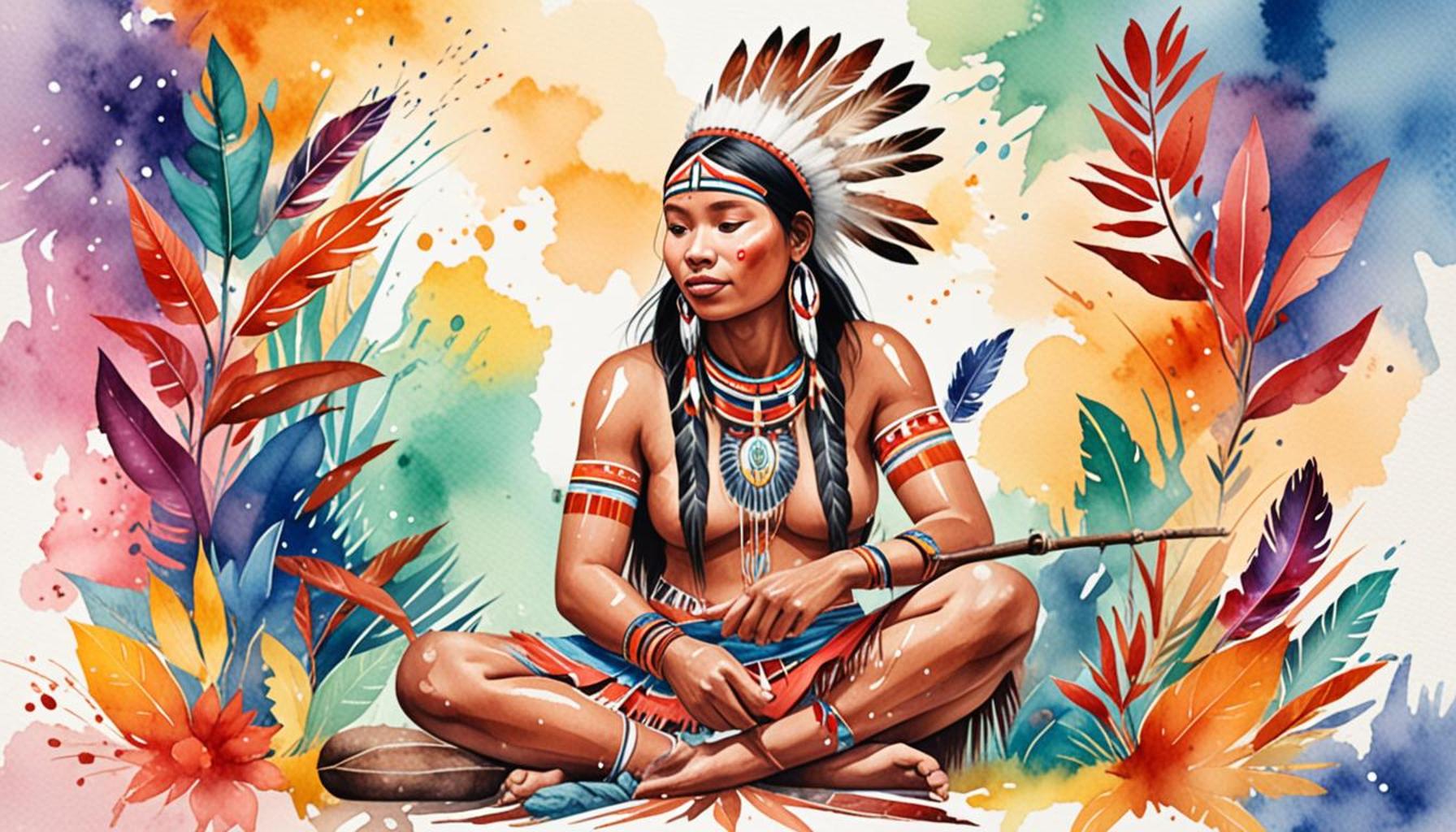
The Resilience and Innovation of Indigenous Artistic Expression
Indigenous cultures across the globe are a treasure trove of artistic inspiration. Their rich traditions provide not just aesthetic pleasure, but also profound narratives that connect history, spirituality, and community. The process of translating these ancient customs into modern creations is an art form in itself, showcasing resilience and adaptability in the face of changing times.
From vibrant textiles to intricate carvings, the expressions of Indigenous artistry encompass a variety of mediums, each carrying deep cultural significance. Notably, Indigenous art functions as a narrative tool—telling stories of creation, ancestors, and the interconnectedness of life. Key forms of artistic expression include:
- Visual Arts: This category includes paintings, pottery, and sculpture that embody cultural stories. For example, the Hopi tribe of the Southwestern United States creates intricate pottery that features symbolism drawn from their mythology and relationship with the earth.
- Performative Arts: Dance and music serve as vital channels for conveying traditions and teachings. Traditional dances, such as the powwow dances of Native American communities, are not only celebratory but also reinforce values and histories through movement and rhythm.
- Textiles: Weavings and garments like those made by the Navajo people reflect identities and ancestral knowledge. Their textiles often feature distinct patterns and colors that hold significant meanings tied to their cultural narratives.
Engaging with these deep-rooted traditions invites a greater understanding of the values and beliefs held by Indigenous peoples. Many artists strive to preserve their heritage while also embracing modern techniques, thereby creating unique works that resonate with both traditional and contemporary audiences. For instance, modern Indigenous artists often incorporate digital media to reach wider audiences while still honoring their roots.
Furthermore, these artistic expressions often serve as a means of activism, focusing on critical topics such as:
- Environmental Stewardship: Art that reflects the connection between land and culture emphasizes the importance of ecosystems. Indigenous artists frequently address environmental concerns, showcasing the delicate balance of nature through their work and advocating for sustainable practices.
- Social Justice: Various artworks serve to challenge stereotypes and advocate for Indigenous rights. Initiatives like the “Decolonize Your Art” movement encourage artists to reflect on historical injustices, providing platforms for marginalized voices to be heard.
- Community Engagement: Collaborative projects enhance cultural dialogue and foster understanding among diverse populations. Workshops, art shows, and public art installations in urban areas often engage both Indigenous and non-Indigenous participants, promoting dialogue about cultural heritage.
As we delve deeper into the world of Indigenous art, we uncover layers of meaning that extend far beyond mere aesthetics. This journey highlights the significance of cultural preservation amidst ongoing challenges. Each piece of art crafted by Indigenous hands speaks volumes—not only about the beauty of their heritage but also about the strength and continuity of their cultures in a rapidly changing world.
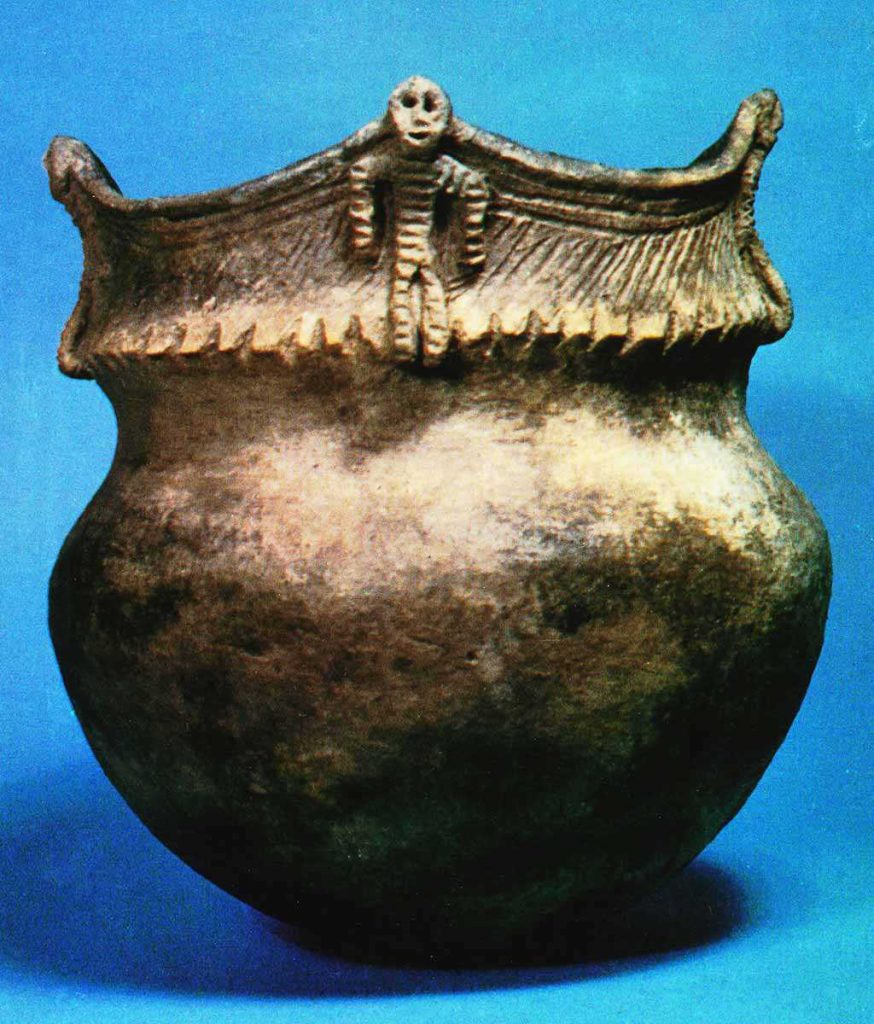
To truly appreciate the depth of Indigenous artistic traditions, one must explore exhibitions, attend cultural events, and engage with artists directly. Such immersive experiences not only educate and inspire but also cultivate a greater respect for the wisdom and creativity that Indigenous cultures continue to express through their art forms.
EXPLORE MORE: Click here to discover how creative hobbies can boost your emotional and social skills
Bridging the Past and Present through Artistic Practices
At the core of Indigenous artistic expression lies a rich tapestry woven from centuries of tradition, spirituality, and communal identity. Each piece of art—ranging from ceremonial masks to brightly colored murals—carries not only aesthetic value but also profound historical significance. For Indigenous artists, the act of creation is both a tribute to their ancestors and a reflection of contemporary challenges and aspirations. Thus, Indigenous art serves to bridge the past and the present, reminding us of the cultural legacies that shape modern identities.
One significant aspect of Indigenous art is its emphasis on storytelling. Artists often translate ancient myths and oral histories into visual forms, utilizing symbols and motifs rich in meaning. Take, for instance, the Pueblo potters from New Mexico, whose pottery incorporates intricate designs that tell stories of their connection to the earth. Each swirl, line, or image signifies elements of their culture, from the natural world to spiritual beliefs, and serves as a narrative device that engages both viewer and creator.
Furthermore, the versatility of artistic mediums in Indigenous cultures is astounding. From sculpture to beadwork, the amalgamation of natural materials with artistic visions creates an authenticity that is grounded in cultural context. Today, Indigenous artists are not only preserving traditional crafts but are also innovating, as seen in the increasing use of mixed media. They often blend traditional techniques with modern materials—such as recycled plastics or digital technologies—to convey contemporary messages that resonate with younger generations.
- Resilience through Artistic Fusion: Many Indigenous artists are revitalizing traditional techniques by incorporating modern elements, such as graffiti or street art, to address urgent social issues. This fusion of styles captures a dual narrative—one that honors the past while responding to present realities.
- Global Influence: Indigenous art has reached beyond geographical boundaries, gaining visibility at prestigious art fairs and museums. Such platforms not only provide Indigenous artists with the opportunity to share their stories but also encourage dialogue on issues surrounding cultural appropriation and identity.
- Interdisciplinary Collaboration: Contemporary Indigenous artists are increasingly engaging with other art forms—such as film and theater—to enhance storytelling. By collaborating with filmmakers or playwrights, they expand the scope and impact of their narratives, allowing audiences to connect with cultural themes on deeper emotional levels.
The emphasis on community lies at the heart of Indigenous artistic practices. Many artists view their work as a communal endeavor that involves mentorship and collaboration. For example, the vibrant tapestry weavings from the Oaxaca region in Mexico are often created as community projects, where skills are passed down through generations, thus preserving cultural heritage for future storytellers.
As we explore these intersections of art, culture, and community, it becomes evident that the future of Indigenous artistic expression is a canvas of infinite possibilities. Each piece not only tells a story of its creator but also ignites curiosity and conversations, drawing us into a narrative that transcends time, urging us to listen, learn, and respect the vibrant voices of Indigenous cultures.
Artistic Expression and Cultural Significance
Indigenous cultures, rich in history and traditions, express their unique worldviews through various art forms. This expression not only serves as a creative outlet but acts as a crucial vehicle for preserving and communicating their heritage. Traditional crafts such as beadwork, weaving, and pottery reflect the intricate relationship between the community and its environment, revealing deeper narratives tied to identity, spirituality, and social values. Through these art forms, we can glean important insights into the beliefs and practices that have been passed down through generations.One striking aspect of this artistic inspiration is its adaptability. Contemporary Indigenous artists often amalgamate traditional techniques with modern concepts, resulting in a vibrant fusion that draws from both the past and present. This adaptation enables a broader audience to engage with Indigenous cultures, making their messages of resilience and sustainability more accessible. Notable figures like Norval Morrisseau and Raven Chacon have exemplified this trend by integrating traditional symbols into their work while addressing contemporary issues such as environmental degradation and cultural appropriation.In exploring Indigenous artistry, themes of storytelling emerge prominently. Art becomes a means to narrate histories that have often been silenced or overlooked in mainstream discourse. Each piece of art captures not just a moment in time but a deeper connection to community experiences, offering a counter-narrative to dominant cultural stories. The rich symbolism inherent in Indigenous art encourages observers to reflect on their interpretations, fostering a space for dialogue and understanding.Consequently, engaging with Indigenous art goes beyond aesthetic appreciation; it requires intentional listening and learning. The viewer’s journey through these artistic landscapes presents an opportunity to confront historical injustices while celebrating the enduring spirit of Indigenous creativity. By recognizing the power of art as a tool for advocacy and education, we open pathways toward reconciliation and greater recognition of the ongoing contributions of Indigenous peoples to the global cultural tapestry.
Table of Advantages
| Advantage | Description |
|---|---|
| Cultural Preservation | Art acts as a vital means of transmitting traditions and values through generations. |
| Social Commentary | Art provides a platform for Indigenous artists to address contemporary issues affecting their communities. |
Additionally, the rise of online platforms has dramatically increased the visibility of Indigenous artists. Through social media and digital galleries, they can share their work with a global audience, fostering intercultural conversations. This helps demystify Indigenous cultures while promoting a more accurate understanding of their significance within the global art scene. Engaging with Indigenous art can be a profound journey that inspires empathy and connection, making it a vital aspect of our shared human experience.
DISCOVER MORE: Click here to enhance your skills
Cultural Resurgence through Art and Education
The artistic practices of Indigenous cultures not only preserve traditions but also play a pivotal role in cultural resurgence, particularly through education and engagement with younger generations. In various communities across the United States, initiatives have emerged to integrate art into educational curricula, emphasizing the importance of Indigenous perspectives. Programs such as Native American Heritage Month and local art workshops serve as platforms where traditional artists mentor young talents, fostering a sense of pride in their heritage while simultaneously promoting creative expression.
This emphasis on education is seen vividly in institutions like the Institute of American Indian Arts (IAIA) in Santa Fe, New Mexico. Students from diverse Native backgrounds engage with instructors who are not only artists but also cultural leaders. This blend of artistic training and cultural education cultivates a holistic understanding of Indigenous identity, allowing students to navigate both their traditional roots and contemporary artistic landscapes.
Art as a Social Commentary
Moreover, Indigenous art acts as a powerful vehicle for social commentary, addressing pressing issues such as environmental degradation, systemic inequities, and cultural preservation. Artists fearlessly employ their works to challenge the status quo and advocate for change, drawing upon their deep connection to the land. For instance, the works of Ralph I. W. G. Harrington, a contemporary Indigenous artist, illustrate the struggles faced by Native communities in protecting sacred spaces from industrial encroachment. His art encapsulates not only personal narratives but also broader collective experiences, thereby igniting discourse around Indigenous rights and environmental justice.
Similarly, the Land Back movement has inspired many artists to create works that emphasize the return of ancestral lands to Indigenous peoples. Art installations that symbolize land reclamation resonate with audiences, prompting reflections on the importance of preserving cultural heritage in the face of modern-day challenges. This activism, expressed through art, captures the attention of younger audiences and encourages them to become advocates for their communities.
Digital Platforms and Global Connectivity
In the digital age, Indigenous artists are harnessing technology to broaden their reach and enhance the visibility of their work. Social media platforms, virtual galleries, and online marketplaces enable Indigenous art to cross borders, connecting artists with a global audience. This dynamic movement has led to an increase in sales, recognition, and opportunities for collaboration. Through platforms like Instagram and Facebook, artists can share their stories, techniques, and cultural backgrounds, fostering a celebration of their unique identities beyond physical galleries.
Furthermore, the rise of digital storytelling has allowed Indigenous narratives to be told in innovative ways, harnessing video art, animation, and interactive media. These mediums enable artists to reach audiences who may not have physical access to traditional art forms, making Indigenous stories more accessible and relatable to a contemporary audience. This trend not only preserves traditional narratives but reinvents them, ensuring they remain relevant in today’s rapidly changing world.
The fusion of traditional elements with modern methodologies exemplifies the resilience and adaptability of Indigenous cultures. Through art, Indigenous communities are not merely translating their traditions into creation; they are actively shaping a future that honors their past while embracing the potentials of the present. This ongoing journey reveals an art form that is fluid, powerful, and utterly vital to cultural survival, inviting us all to partake in the vibrant narratives of Indigenous experiences.
DISCOVER MORE: Click here to dive into the music of the world
Conclusion
In summary, the interplay between tradition and innovation within Indigenous artistic practices serves as a profound testament to the resilience of these cultures. By integrating education and community engagement, Indigenous artists not only preserve their heritage but also inspire younger generations to embrace their identity through art. This cultural resurgence, bolstered by programs and institutions like the Institute of American Indian Arts, emphasizes the relevance of Indigenous perspectives in contemporary society.
Furthermore, the role of art as social commentary highlights the urgent dialogues surrounding Indigenous rights, environmental justice, and land reclamation. Artists are increasingly using their platform to advocate for change, thereby weaving their personal stories into the larger fabric of social issues. This eloquent fusion of art and activism speaks volumes about the power of creativity to spark essential conversations and drive community empowerment.
In this digital age, Indigenous artists are breaking down barriers and reaching wider audiences than ever before. The rise of digital platforms not only enhances visibility but also ensures the relevancy of Indigenous narratives in a global context. As these artists blend traditional techniques with modern expressions, they reaffirm their place in the art world while remaining deeply rooted in their cultural heritage.
Ultimately, the journey of translating traditions into creation is an invitation for us all to engage with and celebrate the rich narratives of Indigenous cultures. By recognizing and supporting this artistic evolution, we contribute to a broader understanding of cultural diversity and foster a more inclusive future where every voice can resonate and thrive.
Related posts:
The Role of Graphic Literature in Artistic Inspiration: Comic Books as a Source of Creativity
Discover Everyday Art Finding Inspiration in Daily Activities
Artistic Inspiration in Photography: Capturing Moments that Tell Stories
The Intersection of Music and Painting: Exploring How Sounds Can Stimulate Artistic Creation
The Influence of Nature on Art: How Natural Environments Inspire Creativity
The Relationship between Literature and Art: How Writers Inspire Painters and Visual Artists

Linda Carter is a writer and creative hobbies expert specializing in crafting, DIY projects, and artistic exploration. With extensive experience helping individuals discover their creative potential and bring their ideas to life, Linda shares her knowledge on our platform. Her goal is to empower readers with practical tips, inspiring ideas, and step-by-step strategies for success in the world of creative hobbies.