Exploring Art as Therapy: How Creative Expression Can Inspire Personal Healing
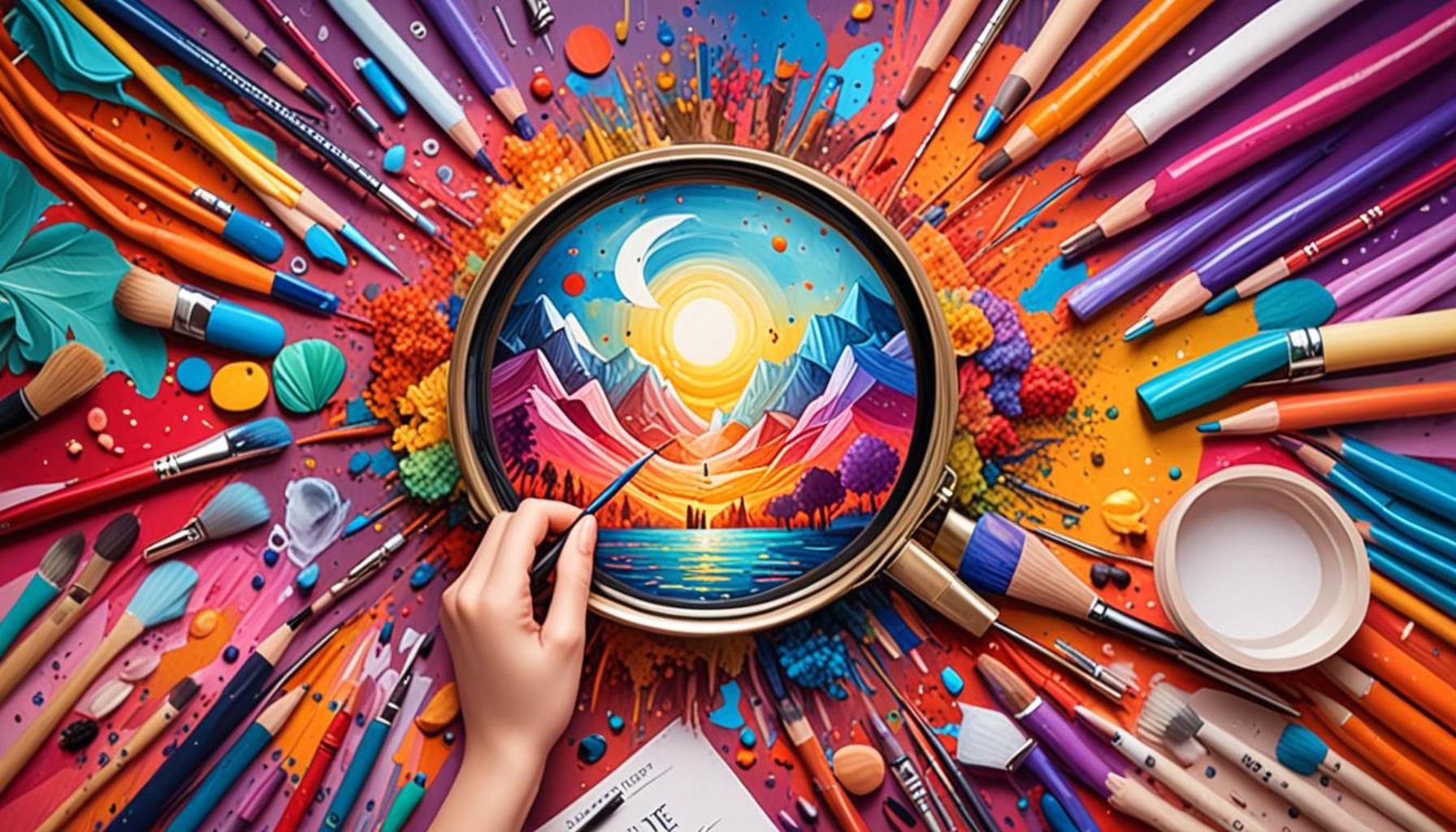
The Therapeutic Impact of Creative Expression
In today’s fast-paced world, stress and emotional turmoil have become nearly universal experiences. Art as therapy has emerged as a transformative approach that not only fosters personal expression but also catalyzes profound healing. This exploration delves into how engaging with creativity can help individuals navigate their emotional landscapes, offering a powerful tool for self-discovery and emotional resilience.
Creative expression manifests in various forms, each offering unique benefits and avenues for exploration:
- Visual Arts: Painting and drawing provide a visual language for emotions, allowing individuals to express feelings that may otherwise be challenging to articulate. For instance, an individual may use colors and forms to depict their anxiety or joy, creating a tangible representation of their inner world.
- Music: Songwriting and playing instruments facilitate emotional release, allowing individuals to give voice to deep-seated feelings. Notably, music therapy has been shown to reduce feelings of depression, offering a rhythmic outlet for managing emotional pain.
- Dance: Movement encourages physical expression and connection to feelings, allowing one to express emotions through body movements. Dance therapy can be particularly beneficial for those who find it difficult to communicate their feelings verbally, as it allows for a non-verbal exploration of emotions.
- Writing: Journaling and poetry offer an avenue for introspection and catharsis. Many people find that putting their thoughts onto paper helps clarify their feelings and facilitate processing, effectively turning chaos into coherence.
Research indicates that engaging in creative activities can lead to significant psychological benefits, including:
- Reduced Anxiety: Art-making has been shown to alleviate symptoms of stress and anxiety through the act of creating and the focus it demands, acting as a form of meditation.
- Enhanced Self-Esteem: Completing an artistic project can significantly boost one’s confidence and self-worth. The sense of accomplishment tied to making art encourages individuals to take pride in their creative capabilities.
- Improved Mood: Creativity can trigger the release of endorphins, which enhance overall happiness and lead to a more positive outlook on life. Participating in art-related activities may even foster a lasting sense of wellbeing.
As more therapists incorporate artistic techniques into their practice, they create a powerful avenue for healing that resonates with many individuals. For instance, in the United States, programs that merge art and therapy have gained popularity in both clinical settings and community outreach. This raises an important question: how can these methods be further embraced in our quest for personal healing? From participating in community art classes to experimenting with solo creative projects, exploring artistic expression beckons individuals to embark on a personal journey towards emotional renewal.
Join us on this exploration of how art can serve as a beacon of hope and a transformative pathway to deeper self-understanding and healing.
DIVE DEEPER: Click here to uncover inspiration in daily activities
Harnessing the Healing Power of Visual Arts
Among the various forms of creative expression, visual arts hold a particularly potent position in art therapy. The act of painting, drawing, or sculpting invites individuals to explore their emotions without the constraints of verbal language, providing a unique outlet for those who feel overwhelmed by their feelings. This non-verbal approach can often yield richer insights into one’s psychological state than traditional forms of therapy.
Art therapists often encourage individuals to engage with different mediums—be it acrylics, watercolors, or clay—to assess not only the end product but also the process itself. The act of creation allows individuals to enter a meditative state, where the focus on materials and technique can draw attention away from distressing thoughts. Whether creating a chaotic abstract piece that reflects inner turmoil or a serene landscape representing peace, the resulting artwork embodies a visual narrative that speaks volumes about the creator’s emotional journey.
In fact, significant research backs up these assertions. A study conducted by the American Journal of Public Health found that individuals who participated in expressive arts therapy experienced a notable decrease in stress levels and improved emotional regulation. Participants reported feeling a stronger sense of control over their emotions, which they attributed to their engagement in artistic practices.
The Role of Music in Emotional Healing
Another powerful facet of art therapy lies in the realm of music. Engaging with music—whether through playing an instrument, singing, or composing—can lay the groundwork for profound emotional release. Music therapy sessions have been increasingly integrated into treatment plans for various psychological issues including depression, anxiety, and trauma. The melodic structuring of thoughts allows individuals to externalize feelings that might be buried deep within.
For instance, a participant in a music therapy program might find themselves writing lyrics that narrate their struggles, serving both as a reflective process and a release of pent-up emotions. According to the National Institutes of Health, music therapy has shown efficacy in promoting emotional well-being and cognitive function, enhancing the therapeutic effect of traditional psychotherapy.
Moreover, studies suggest that listening to music can physically alter the brain’s biochemistry, reducing levels of the stress hormone cortisol while promoting the production of dopamine, the ‘feel-good’ neurotransmitter. This biological response illustrates how creative expression in the form of music can tangibly affect our overall health and well-being.
Engaging in various forms of creative arts lays the foundation for personal healing that not only resonates with one’s emotional state but also promotes resilience and self-acceptance. This powerful modality invites individuals on a journey of self-exploration, ultimately transforming the chaotic emotions into something meaningful and beautiful.
Exploring Art as Therapy: How Creative Expression Can Inspire Personal Healing
Continuing our investigation into the transformative power of artistic expression, it becomes increasingly clear how critical this medium can be for personal growth and emotional healing. Art as therapy integrates various forms of creativity including visual arts, music, dance, and writing, creating a channel for people to navigate their internal struggles and traumas.
Many individuals experience profound shifts in their emotional states when engaging in creative activities. For example, studies indicate that painting and drawing can help diminish anxiety and depression symptoms. The tactile experience of handling paints, brushes, or clay offers a grounding effect that allows individuals to disconnect from overwhelming thoughts, offering an outlet for their feelings in a non-verbal manner.
Furthermore, music therapy provides a unique medium for emotional expression. Listening to or creating music can evoke powerful memories, transforming feelings of isolation into a shared experience through the rhythm and melody. Those with cognitive challenges often find solace and improvement in communication through musical interaction, bridging personal barriers and fostering social connections.
Art allows for exploration beyond the confines of language, which is particularly vital for individuals who find it difficult to articulate their emotions verbally. By expressing themselves creatively, they can confront hidden aspects of their personalities, foster self-awareness, and ultimately, achieve a sense of inner peace and resolution. This journey through artistic exploration creates an emotionally safe space for healing, encouraging participants to embrace their vulnerabilities.
As we delve deeper, we can see that art as therapy isn’t merely beneficial for individuals during times of distress. It serves a crucial role in promoting overall mental wellness and resilience. Incorporating regular creative activities into one’s routine can enhance emotional regulation and boost levels of happiness, making it an invaluable tool in preventative mental health practices.
| Category | Advantages |
|---|---|
| Emotional Expression | Facilitates non-verbal communication of feelings. |
| Trauma Processing | Helps individuals confront and work through past experiences. |
In exploring the myriad ways that art can serve as a therapeutic tool, it is vital to recognize its accessibility. Whether through organized groups or personal endeavors, every individual can engage with the arts at their own pace, ultimately discovering what best aids their healing journey.
DISCOVER MORE: Click here for a deeper dive
Drama and Movement Therapy: The Art of Expressive Release
Beyond visual arts and music, drama and movement therapy offer a compelling canvas for personal healing, tapping into the visceral nature of human experience. In these therapeutic approaches, individuals are encouraged to embody emotions through role-play, improvisation, or dance, serving as a poignant reminder that expression can transcend spoken language. This multi-dimensional form of art therapy provides a powerful pathway for individuals to engage with their feelings, leading to catharsis and a deeper understanding of oneself.
For instance, participants in drama therapy may enact scenarios from their lives or create fictional characters that represent their struggles. This technique can openly confront real-life issues such as loss, trauma, or anxiety, making it easier to process these emotions. The act of performing not only allows individuals to safely express feelings but also to visualize potential resolutions to their conflicts. Research published by the International Journal of Arts Therapy indicates that drama therapy participants reported significantly improved emotional expression and self-acceptance, validating the therapeutic power of engaging with transformative narratives.
Movement therapy, on the other hand, focuses on how the body can serve as an instrument of healing. Dance therapy is based on the idea that mental health and physical well-being are intricately connected. Moving the body in a guided manner encourages individuals to unlock and release stored emotional tension. A notable study from the American Journal of Dance Therapy highlights that individuals who participated in dance therapy exhibited a substantial decrease in symptoms of anxiety and depression, often attributing their emotional uplift to the liberating experience of movement.
Literary Arts: Writing as a Form of Healing
The power of literary arts cannot be overlooked in the realm of art therapy. Writing, whether through poetry, journaling, or storytelling, serves as a compelling medium for self-reflection and emotional exploration. Participants can articulate complex feelings that sometimes elude verbal communication, crafting narratives that distill their experiences into words. The act of writing not only helps in organizing thoughts but also assists individuals in understanding their life events through a constructive lens.
Data from the Expressive Writing Research program suggests that individuals who engage in brief, focused expressive writing exercises report decreased levels of psychological distress. This writing practice allows participants to gain insights into their emotions and experiences, bridging the gap between thought and feeling. Similarly, writing poetry can foster a deep sense of community and connection, as it often invites collective sharing and vulnerability. Poets in therapeutic settings find solace in knowing that their words resonate with others, enhancing the feeling of shared humanity.
Furthermore, the integration of technology in literary arts is making creative expression more accessible. Online platforms for writing workshops and digital therapeutic journals are amplifying the reach of art therapy across demographics, ensuring that individuals from all walks of life can engage with their emotions through writing. This accessibility underscores how the literary arts are evolving to meet the needs of various populations, fostering personal growth, resilience, and emotional healing through the written word.
DISCOVER MORE: Click here to dive deeper
Conclusion: The Transformative Power of Art as Therapy
As we delve into the multifaceted world of art therapy, it becomes increasingly clear that creative expression offers profound pathways to personal healing. From the transformative narratives found in drama therapy to the liberating movements of dance therapy, individuals are provided with unique opportunities to explore their emotions and confront personal challenges. Similarly, the literary arts allow for a deep introspection that can illuminate the complexities of one’s experiences, confirming the adage that sometimes, words can heal what is difficult to speak.
The evidence supporting the therapeutic benefits of these artistic practices is compelling. Studies show significant improvements in emotional expression, self-acceptance, and reductions in symptoms of anxiety and depression among participants. This powerful intersection of creativity and healing underscores the versatility of art as not just a means of self-expression but as a legitimate path toward psychological well-being. Moreover, the increasing accessibility provided by technology is democratizing art therapy, enabling individuals from diverse backgrounds to engage in meaningful creative practices.
In conclusion, exploring art as therapy emphasizes the essential role of creative expression in fostering resilience, understanding, and healing. As we continue to innovate and embrace these therapeutic modalities, it is vital to acknowledge and support the importance of art within mental health practices. Investing time in these explorations may not only aid in personal recovery but also contribute to building stronger, more connected communities through shared artistic experiences. Embrace the power of art; it may just lead you on the journey toward healing that you seek.
Related posts:
The Influence of Nature on Art: How Natural Environments Inspire Creativity
The Influence of Colors in Artistic Creation: Psychology and Inspiration in Color Palettes
Artistic Inspiration in Indigenous Cultures: Translating Traditions into Creation
The Interaction between Art and Fashion: How Designers Find Inspiration in Visual Arts
The Influence of Dreams on Artistic Creation: Exploring the Unconscious as a Source of Inspiration
The Art and Human Nature: Exploring Emotions and Experiences as a Source of Inspiration

Linda Carter is a writer and creative hobbies expert specializing in crafting, DIY projects, and artistic exploration. With extensive experience helping individuals discover their creative potential and bring their ideas to life, Linda shares her knowledge on our platform. Her goal is to empower readers with practical tips, inspiring ideas, and step-by-step strategies for success in the world of creative hobbies.