Board Game Creation: Using Imagination to Develop Narratives and Interactive Experiences
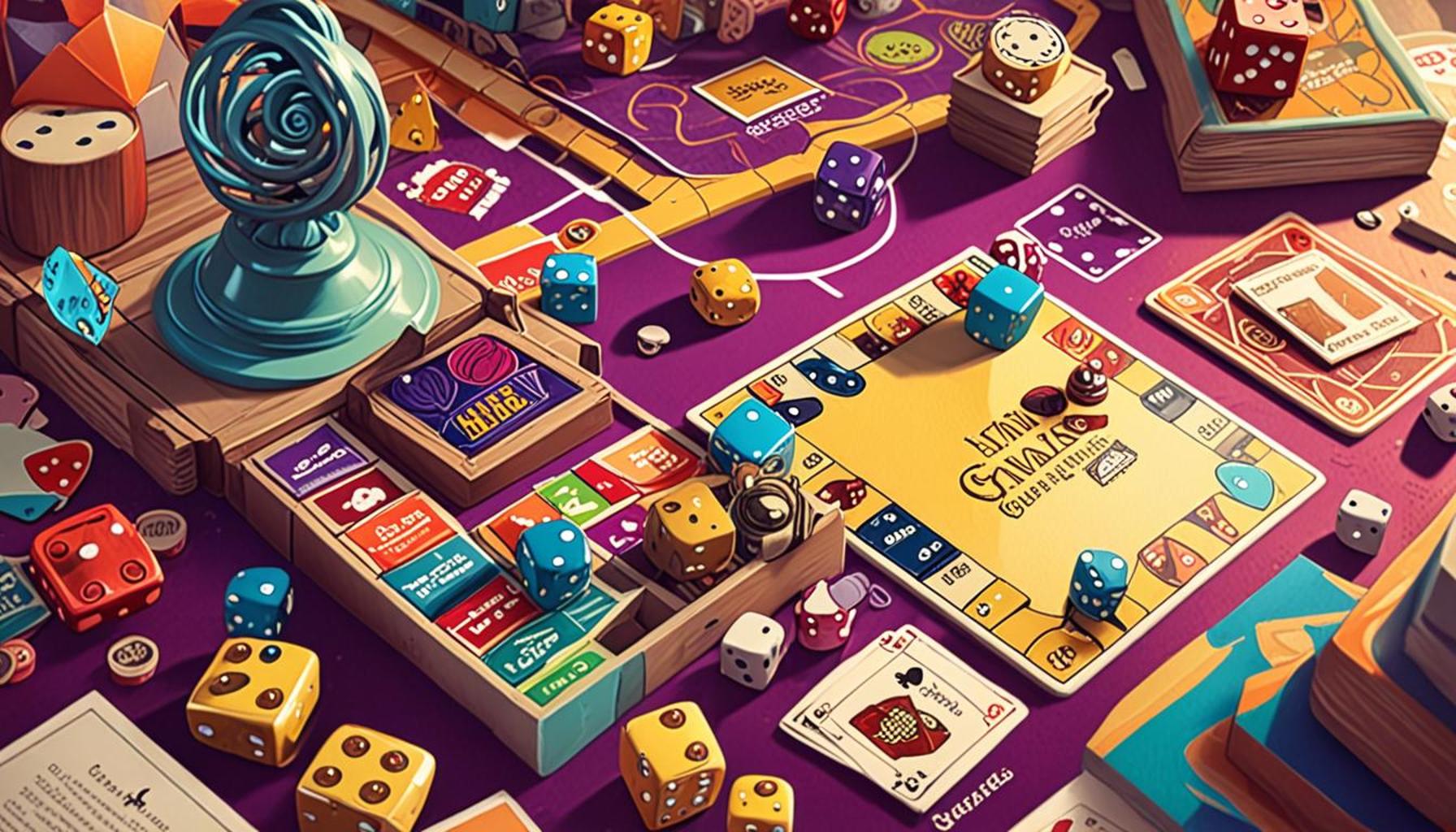
The Art of Board Game Development
Board games have transcended their role as mere leisure activities to become immersive portals that engage players in rich, interactive experiences. The art of board game creation intertwines storytelling with gameplay mechanics, inviting designers to journey through a landscape where creativity knows no bounds. Whether set in fantastical worlds or steeped in historical intrigue, the scope for crafting unique narratives is virtually limitless.
Storytelling as a Core Element
At the heart of many successful board games is a compelling narrative. Creators construct intricate plots that navigate players through diverse journeys, enriching their overall experience. For instance, in games like Gloomhaven, players embark on quests that unfold based on their choices, allowing them to engage deeply with the storyline. This immersive storytelling keeps players invested, providing a framework that guides decision-making and fosters emotional engagement.
Character Development
Strong character development is vital in enhancing player connections. Characters become more than mere game pieces; they represent unique backstories and abilities. For example, in Dead of Winter, each character comes with distinct personalities and motivations, making player decisions feel more impactful. The depth of characters prompts players to form alliances, experience inner conflict, and make sacrifices, ultimately leading to a richer gaming experience.
Interactive Mechanics
The gameplay elements of a board game often dictate how narratives unfold, affecting the overall experience. Interactive mechanics can create a sense of urgency, introduce complexity, or foster cooperation among players. For example, in Catan, resource management and strategic trading are key mechanisms that influence players’ paths to victory, demonstrating how gameplay can enhance narrative and player engagement. The choices players make directly influence the outcome of games, making every session unique.
Immersive Worlds and Player Agency
Board game designers put significant thought into building immersive worlds that draw players into new dimensions. Goth-themed settings, like those in Betrayal at House on the Hill, allow players to explore abandoned mansions rife with unexplained mysteries. The player agency in these games means that every decision alters the course of the narrative, encouraging players to explore alternate paths and endings.
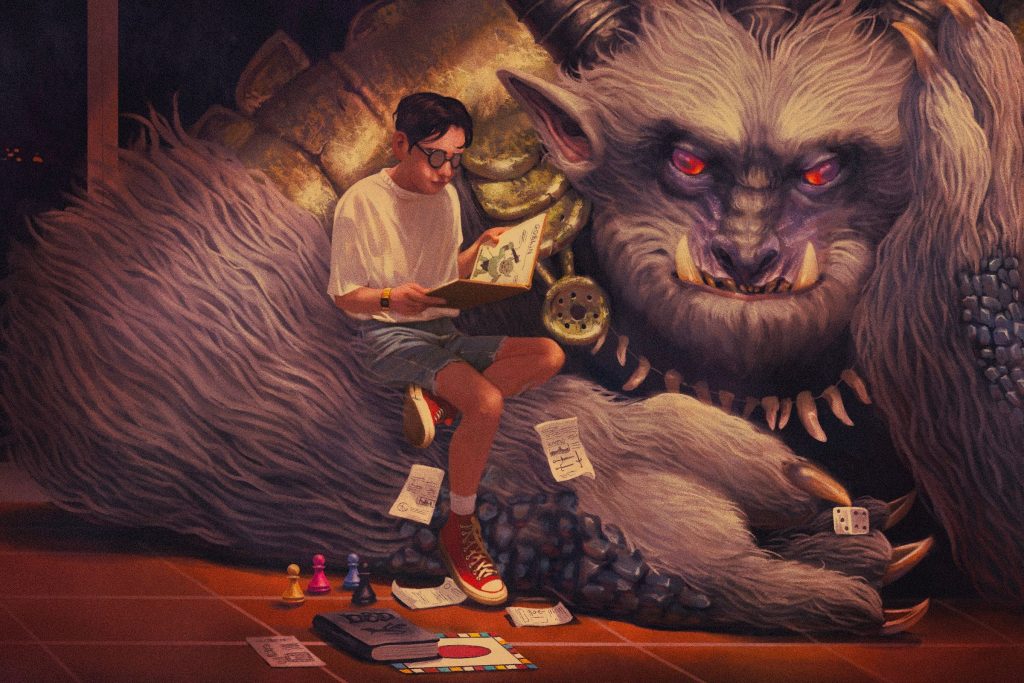
Collaboration and Shared Experiences
Many modern board games promote collaboration, helping players forge connections as they navigate challenges together. Games such as Pandemic require teamwork to combat global outbreaks, emphasizing the need for communication and strategy among players. These shared storytelling experiences foster camaraderie and add a layer of depth to gameplay, making the outcomes feel collectively significant.
Conclusion: The Future of Board Game Creation
As we explore the mechanics of board game creation, it becomes evident that imagination is the key to transforming these games into narratives and interactive experiences that resonate universally. With the ongoing evolution of the board game industry, a wealth of opportunities lies ahead for developers to innovate and inspire. By engaging with the delicate balance of storytelling, character development, and interactive gameplay, designers can create enchanting games that capture the hearts and minds of players worldwide.
DISCOVER MORE: Click here to learn how sustainable crafts can enrich your skills
Cultivating Creative Narratives
When embarking on the journey of board game creation, the fusion of narrative and mechanics is paramount. Designers often find inspiration in a wide array of sources, from mythology and literature to history and personal experiences. The key to crafting engaging narratives lies in weaving relatable themes that resonate with players. A well-developed storyline not only enhances the gameplay but also elevates player engagement, enticing them to invest emotionally in the outcomes of their choices.
Inspirational Sources for Narrative Development
Board game designers frequently draw upon various cultural and thematic elements to construct compelling stories. Popular inspirations include:
- Mythology: Tales of gods and heroes can provide a rich backdrop filled with conflict and adventure.
- Literature: Classic novels and contemporary fiction often spark ideas for character arcs and settings.
- History: Historical events offer a treasure trove of contexts that can ground fantastical elements in reality.
- Personal Experiences: Designers often infuse their own stories into the game, allowing for authentic and relatable scenarios.
This diverse pool of inspiration allows for innovative storytelling approaches, where designers can explore how narratives influence game dynamics and player interactions.
The Role of Theme in Gameplay
Themes serve as the backbone of board game narratives, shaping player expectations and experiences. A well-chosen theme can create an emotional connection, guiding players through the mechanics while enhancing gameplay. For instance, in Star Wars: X-Wing Miniatures Game, the established universe offers immersion, helping players feel as if they’re part of the epic space battles. Building a cohesive theme requires understanding how it complements the mechanics, ensuring that players are consistently engaged with the story as they navigate through the game’s challenges.
Player Interaction and Decision Making
A key factor in interactive experiences lies in player decision-making. Games that allow for substantial choices encourage players to explore various outcomes, resulting in a dynamic narrative. In games such as Fiasco, players create and develop their own stories based on their decisions, which can lead to unexpected twists and turns. This approach emphasizes the importance of player agency, as even small decisions can redefine the direction of the narrative.
Feedback Loops in Game Development
The iterative nature of board game creation facilitates continuous refinement of narrative elements through playtesting. Designers often gather feedback from playtests to understand how narrative aspects resonate with players. By observing interactions, taking note of emotional responses, and analyzing gameplay dynamics, designers can adjust story components to enhance overall engagement. This process of shaping narratives based on player responses contributes to an evolving game that remains captivating with each iteration.
In essence, the journey of board game creation is a reflection of the intricate relationship between imagination and experiential narratives. By carefully harmonizing storytelling techniques with gameplay mechanics, designers not only craft unique games but also forge connections that reflect the complexities of real-world experiences. As the landscape of board games continues to expand, the limitless potential for innovation lies within the narratives created, inviting players to embark on unforgettable adventures at every turn.
Unleashing Creativity through Board Game Design
Creating board games is not just about rules and components; it’s about weaving rich narratives that engage players’ imaginations. Designers leverage their creativity to develop immersive worlds and compelling stories through gameplay mechanics, which can evoke deep emotional responses and create lasting connections among players. A well-crafted narrative enhances the interactive experience, drawing players into the universe of the game, inviting them to explore, strategize, and role-play.Time-tested techniques such as thematic elements, character development, and plot twists can elevate a game’s depth. For instance, incorporating unexpected events or challenges can spark debate and collaboration among players, creating a vibrant social atmosphere. This interaction often leads to spontaneous storytelling that goes beyond the game itself, fostering community and shared memories.Additionally, board games serve as an educational tool, enhancing skills such as critical thinking, teamwork, and problem-solving. Designers can align their games with learning outcomes, allowing players to absorb knowledge subconsciously while they play. Incorporating different perspectives within narratives ensures inclusivity, allowing diverse players to see themselves in the game and encouraging a wider audience to engage.
Diverse Themes and Concepts
The versatility of board game themes—from fantasy realms to historical settings—opens up endless possibilities for creators. Each category not only enhances the entertainment value but also invites players to explore concepts such as ethics, cooperation, and strategy. Games like “Pandemic” demonstrate how narratives can simulate real-world challenges, promoting awareness and cooperation among participants as they work towards a common goal.Designers can also embrace technology through hybrid board games, melding traditional mechanics with digital platforms to elevate the interactive experience. This innovation can enhance gameplay, offering dynamic elements like real-time updates and expanded storylines.In conclusion, board game creation is a multi-faceted discipline that thrives on imagination and storytelling. From crafting engaging narratives to using gameplay as a medium for social interaction and learning, board games harbor both the potential for fun and the power to inspire. As this industry continues to thrive, it beckons aspiring designers to explore their creative impulses and develop unique experiences that resonate with players worldwide.
| Category | Advantages |
|---|---|
| Narrative Development | Creates immersive experiences that draw players into the game world. |
| Skill Enhancement | Fosters critical thinking, teamwork, and strategic planning abilities. |
These avenues of exploration within board game creation not only enhance individual enjoyment but also enrich the collective experience, making it an exciting facet of modern entertainment.
DISCOVER MORE: Click here to delve into the benefits of journaling
Designing Engaging Mechanics
While narratives are integral to board game creation, the mechanics play an equally vital role. The interaction between players, as well as the choices they make, hinges largely on how mechanics facilitate storytelling. Successfully designed mechanics can enhance player involvement, creating immersive experiences that keep players returning for more.
Game Mechanics and Narrative Integration
The integration of game mechanics with narrative structures is crucial in developing an engaging player experience. Mechanics such as resource management, player elimination, or cooperative tasks can drive the story forward, creating meaningful player interactions. For example, in the popular game Arkham Horror, players work cooperatively to halt the rise of cosmic horrors, where both the thematic narrative of Lovecraftian mythology and gameplay mechanics of cooperative strategy intertwine to present a chilling atmosphere of suspense and urgency.
Role of Player Characters in Storytelling
Player characters can offer a personal connection to the narrative, providing players with avatars through whom they experience the unfolding story. Developing unique character abilities and backgrounds enhances this experience. In games like Dungeons & Dragons, character backstories are not mere fluff; they guide personal objectives and shape the gameplay. By empowering players to invest in their characters, designers create opportunities for rich storytelling, where each character’s journey adds layers to the overarching narrative.
Dynamic Environments and Story Evolution
Another pivotal aspect that enhances interactive experiences is the game environment, which can be dynamic and evolving. Games such as Gloomhaven use modular boards that change with player decisions, influencing future gameplay paths and altering the narrative outcomes. This variability ensures that each playthrough is distinct, offering players a sense of agency and surprise. As decisions lead to different consequences, players are encouraged to think critically about each action, further immersing them in the story’s fabric.
The Importance of Theme-based Challenges
Challenges driven by thematic contexts not only promote immersion but also enhance storytelling. When players face obstacles that resonate with the game’s narrative, the challenges feel more consequential. In games like Twilight Imperium, players navigate space politics and warfare, and every conflict or alliance they form reflects the overarching narrative of galaxy domination. Thematic challenges encourage players to align their decisions with their understanding of the story, making gameplay more intuitive and compelling.
Feedback Mechanisms and Player Narratives
Incorporating feedback mechanisms between players and the game’s evolving state can also create deeper narratives. Games can utilize systems where player choices influence the game world significantly, offering immediate feedback that impacts further interactions. This creates a ‘living narrative,’ where players shape the world around them, similar to the experiences found in video games like The Witcher, but rendered in a tabletop format. Such designs foster a sense of ownership over the narrative, encouraging players not only to engage with the story but also to actively participate in its development.
The complex interplay of narrative, mechanics, and player involvement is what sets board games apart as a unique form of entertainment. By harnessing imagination and creativity, designers can foster engaging and thought-provoking experiences that invite players to become a part of the story they help to create. As the world of board games evolves, embracing innovative approaches to narrative and mechanics will remain crucial in shaping these interactive experiences for players everywhere.
EXPLORE MORE: Click here for insights on transforming your emotions through writing
Conclusion: The Future of Board Game Narratives
In the realm of board game creation, the marriage of imaginative storytelling and interactive mechanics is what truly captivates players. The dizzying possibilities of narratively driven mechanics, dynamic environments, and player engagement foster a unique landscape where every game can deliver fresh and exciting experiences. As exemplified by popular titles like Dungeons & Dragons and Gloomhaven, the ways in which game designers weave together narratives with engaging mechanics can lead to rich, multi-layered experiences that resonate personally with players.
As we look to the future, it is essential for creators to keep pushing boundaries—experimenting with new themes, narratives, and mechanics that challenge traditional gameplay. Incorporating player feedback into evolving narratives not only elevates the gaming experience but also builds a deeper connection among players. This sense of shared storytelling and collaboration transforms board games into not just games, but also communal experiences.
The ongoing evolution of board games, driven by a commitment to imaginative storytelling, ensures that as players, we are drawn into ever more captivating worlds. Embracing innovative techniques and new ideas will be crucial for designers aiming to keep pace with the dynamic interests of the gaming community. As each game becomes a new canvas for stories waiting to be told, the future of board gaming shines brighter than ever, inviting enthusiasts to explore, engage, and forge unforgettable memories.
Related posts:
Exploring Creative Writing as a Form of Emotional Freedom
Abstract Painting Art Expressing Emotions Through Colors and Shapes
The Art of Storytelling: How Telling Stories Can Free Your Creativity
The Magic of Creative Writing Transform Ideas into Captivating Stories
The Art of Ceramics: Shaping Imagination in Every Piece
Creating Worlds: The Importance of Clay Modeling in Creative Expression

Linda Carter is a writer and creative hobbies expert specializing in crafting, DIY projects, and artistic exploration. With extensive experience helping individuals discover their creative potential and bring their ideas to life, Linda shares her knowledge on our platform. Her goal is to empower readers with practical tips, inspiring ideas, and step-by-step strategies for success in the world of creative hobbies.