DIY: Creating Artistic Objects from Recycled Materials to Express Ideas
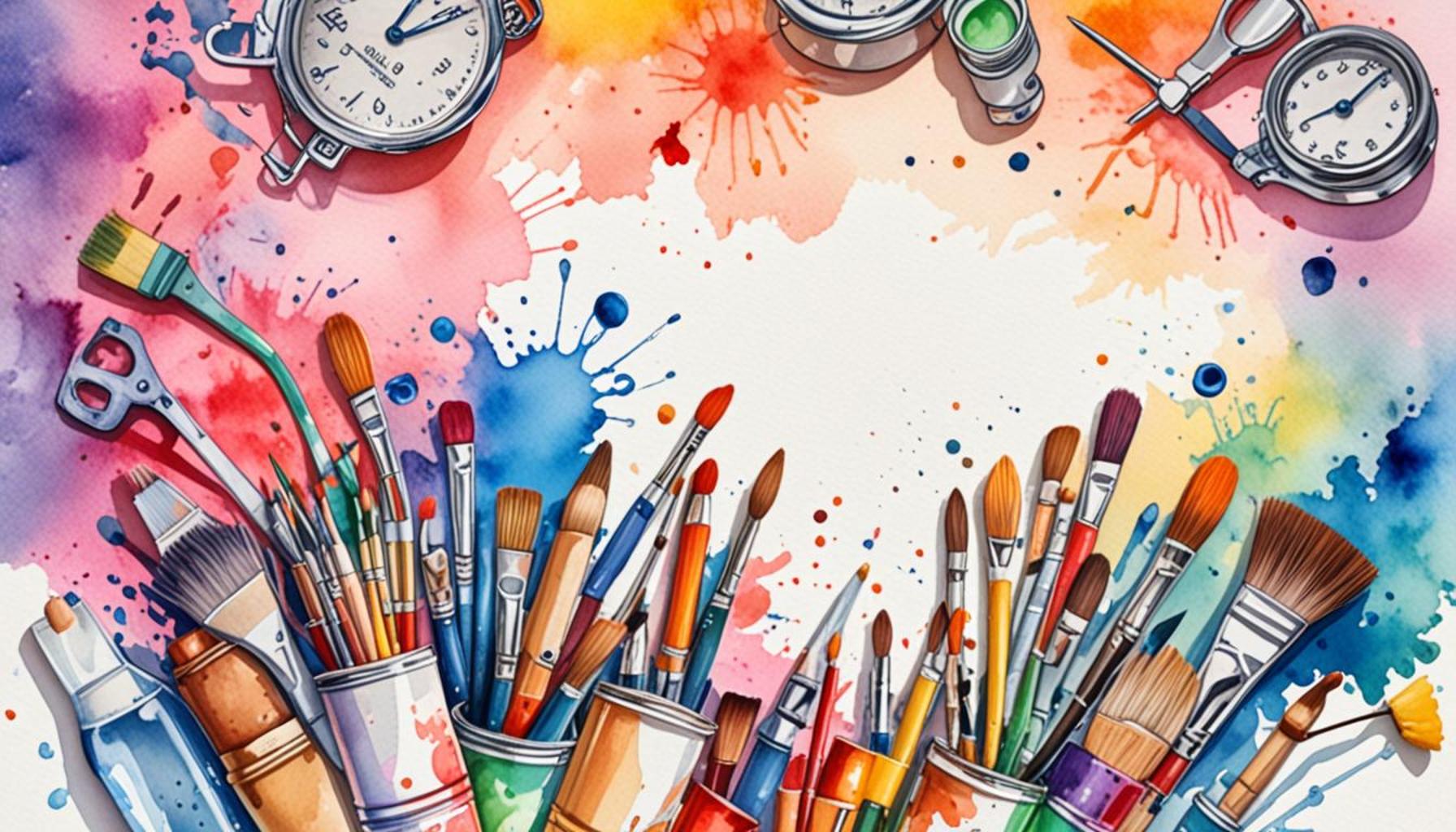
Unlocking Creativity with Recycled Materials
Every day, countless items are discarded, yet they hold the potential to become something extraordinary. Recycling is not merely a method to reduce waste; it can serve as a profound source of artistic inspiration. Transforming trash into treasure empowers individuals to express their ideas while simultaneously promoting sustainability. This dual benefit makes recycled art not only enjoyable but also essential for the environment.
What Can Be Recycled?
Creating artistic objects from recycled materials encompasses a diverse array of everyday items. Here are some examples:
- Plastic bottles – These often-overlooked objects can be repurposed in various ways. For instance, they can serve as unique planters, with the top cut off and the bottom filled with soil, or they can be crafted into whimsical sculptures featuring characters or animals.
- Old newspapers – Not just for reading, newspapers can become the foundation of stunning paper mâché creations. Artists can form masks, decorative bowls, or even life-sized figures by layering strips of paper with glue. This method not only recycles paper but also allows for limitless design possibilities.
- Cardboard – This humble material is ideal for creating models, furniture, or interactive installations. Cardboard can take on many forms, from imaginative playhouses for children to intricate artwork that engages viewers. Its lightweight nature makes it easily transportable and accessible for experimentation.
- Broken jewelry – Instead of tossing that tangled necklace or missing earring, consider repurposing these items. They can be combined to create stunning new accessories, such as bracelets or embellished picture frames, adding a vintage touch to modern decor.
Benefits of DIY Artistic Creations
Engaging in DIY projects offers numerous advantages, enhancing not only individual creativity but also contributing to the community. By participating in these projects, individuals can experience the following benefits:
- Promotes creativity – The process of transforming discarded items encourages innovative thinking and personal expression, challenging artists to think outside the box and redefine traditional perspectives on art.
- Supports sustainability – Utilizing recycled materials significantly reduces waste and minimizes environmental impact. By opting for DIY art, individuals contribute to a more sustainable future, one creative project at a time.
- Fosters community – Recycled art often inspires collaboration. Local workshops allow individuals to connect over this shared interest, sharing techniques and ideas. Community art projects can also beautify spaces while fostering a sense of belonging.
Whether you are an experienced artist or a novice creator, DIY projects provide an inspiring and meaningful outlet. The world of recycled artistry invites you to delve into your imagination, uncovering extraordinary creations from everyday materials. So grab your scissors and glue, and embark on a creative journey that not only fulfills your artistic desires but also contributes to a healthier planet!
DIVE DEEPER: Click here to explore the emotional world of abstract painting
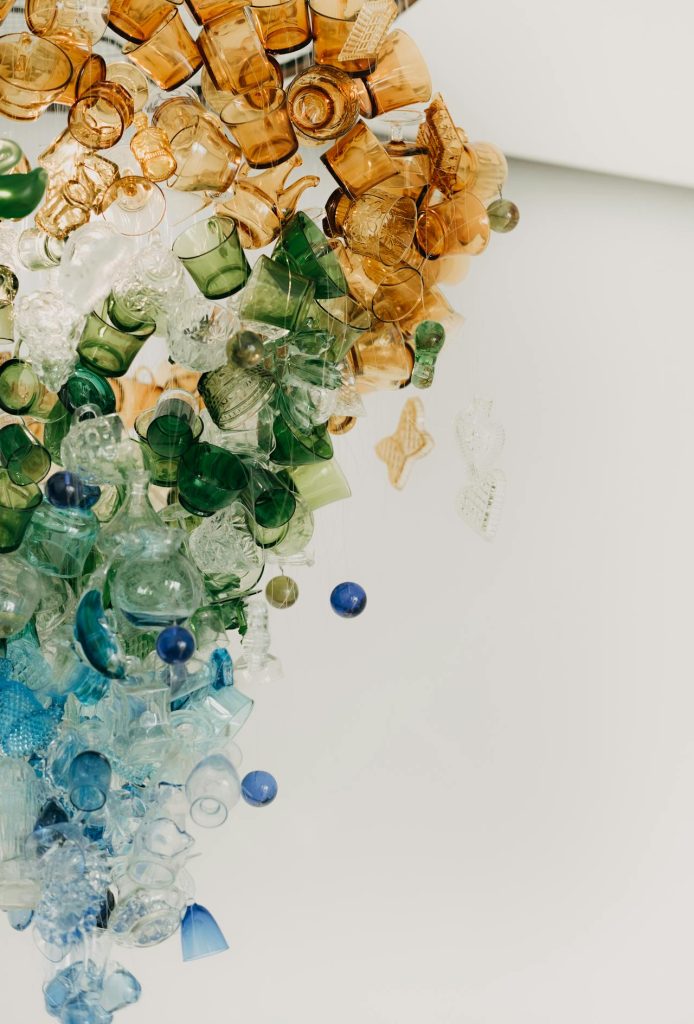
Your Imagination’s Canvas: Turning Waste into Art
In an age where sustainability is becoming paramount, the concept of transforming recycled materials into artistic objects offers a unique platform for both expression and environmental stewardship. Each item that we once viewed as waste holds a story waiting to be told through art. By engaging in DIY artistic projects, individuals can breathe new life into these materials, resulting in one-of-a-kind creations that not only embody creativity but also address pressing ecological concerns.
Finding Inspiration in Everyday Objects
Inspiration can be found in the most unexpected places, especially when one learns to see beyond the surface of discarded items. Here are a few more common materials ripe for creative transformation:
- Glass jars – Often relegated to recycling bins, glass jars can be converted into captivating home decor. They can be painted, filled with fairy lights, or turned into charming candle holders. With a little imagination, these everyday containers can illuminate spaces, both literally and figuratively.
- Old clothes – Rather than letting fabrics languish in landfills, consider them as the foundation for artistic expressions. T-shirts can become rag rugs, while jeans can form the base of a striking wall tapestry or even quirky stuffed animals. The possibilities are only limited by one’s creativity.
- Wood scraps – Small pieces of wood from old furniture or construction projects can be transformed into a variety of items, such as rustic picture frames, jewelry organizers, or functional art pieces that blend beauty with utility.
- Used tin cans – Rather than tossing that empty can, repurpose it as a succulent planter, wind chime, or festive lantern. A simple coat of paint can elevate it into a delightful garden decoration, showcasing your artistic flair.
Nurturing Innovation and Expression
When individuals engage in creating art from recycled materials, they embark on a journey that cultivates innovation and personal expression. Each project serves as a canvas for thoughts, ideas, and feelings, offering an outlet for creativity that traditional art forms may not provide. Additionally, working with these materials can challenge artists to problem-solve and explore concepts such as sustainability, consumerism, and identity.
Moreover, the DIY approach fosters a sense of accomplishment. Unlike store-bought art, every creation narrates a story of transformation and intention. When we choose to create rather than consume, we join a growing movement that values resourcefulness and responsible living. As you embark on your own DIY artistic journey, consider the endless potential that lies within the items you might otherwise overlook. The next piece of art in your home could be crafted from something as simple as an old shoebox or a set of mismatched buttons.
In conclusion, the act of creating artistic objects from recycled materials offers more than just an engaging pastime; it encourages individuals to reimagine waste and champion sustainability. With creativity as the driving force, everyone can take part in this transformative process, turning what was once deemed unworthy into cherished works of art.
| Advantage | Description |
|---|---|
| Environmental Impact | DIY projects help in reducing waste by repurposing materials that would otherwise end up in landfills, promoting sustainability. |
| Creativity Boost | Engaging in creative activities enhances problem-solving skills and encourages innovative thinking, allowing individuals to express their unique ideas. |
One of the primary advantages of using recycled materials for artistic projects lies in its significant positive impact on the environment. By engaging in DIY methods, artists and enthusiasts can effectively contribute to environmentally friendly practices. By choosing to transform discarded items into thoughtful pieces of art, you not only minimize waste but also foster a culture of sustainability among your community.In addition, engaging in DIY activities offers a remarkable boost to individual creativity. When you work with materials that have a history, such as old newspapers or worn-out furniture, you unlock a reservoir of ideas that can amplify your artistic expression. This hands-on approach induces a sense of accomplishment and inspires innovative thinking, benefitting not only your projects but also your overall cognitive abilities. Engaging with such projects can lead to the transformation of the mundane into the extraordinary, showcasing the hidden potential within recycled items.
DIVE DEEPER: Click here to uncover the transformative power of art
From Concept to Creation: Crafting Meaningful Art
As the movement towards eco-consciousness gains momentum, the practice of using recycled materials to create art has not only become a trend but also a vital form of expression. Artists and DIY enthusiasts alike are discovering profound connections between their creations and the larger narratives surrounding sustainability and responsible consumption. Engaging in DIY artistic projects is not just about aesthetics; it is a way to communicate ideas and make statements about environmental ethics.
Embracing Community and Collaboration
One striking aspect of the DIY art scene is its inherent collaborative spirit. Many community organizations and art collectives are hosting workshops that encourage collective participation, often focusing on the repurposing of materials that would otherwise be discarded. These gatherings serve as fertile ground for sharing skills and ideas, where participants contribute different perspectives that shape the final artistic product.
For instance, cities like Portland, Oregon, and Austin, Texas, have vibrant DIY cultures that promote the use of recycled materials through community events and festivals such as “Trashformations.” These events feature local artists who showcase their works made from salvaged items, offering inspiration to participants while also fostering discussions about waste and creativity.
Art with a Purpose: Social Commentary through Recycled Materials
Art derived from recycled materials often carries deep messages, reflecting societal issues that resonate with viewers on multiple levels. Artists such as El Anatsui, who uses discarded bottle caps and aluminum to create stunning wall sculptures, tackle themes of waste and excess in consumer culture. Their works act as visual commentaries, urging observers to ponder the journeys of the materials and the implications of their disposal.
Additionally, public installations made from recycled materials can serve as powerful reminders of our impact on the planet. Consider the “Trash Vortex” installations that depict the Great Pacific Garbage Patch using thousands of plastic bottles. Not only are these pieces visually striking, but they also compel viewers to confront the realities of ocean pollution and the broader consequences of neglecting our environment.
Unlocking Accessibility in Artistic Creation
Another compelling reason to engage in DIY artistic projects with recycled materials is the accessibility it offers. Creating art doesn’t always require expensive supplies or specialized training; often, it hinges on what one already has at home. This can be particularly appealing for beginners or those who may feel intimidated by more traditional artistic avenues. With a bit of creativity, common household items can be transformed into stunning works of art.
Moreover, numerous resources available online can guide novices through the process, from tutorials on upcycling furniture to crafting jewelry from scrap materials. Websites like Pinterest and YouTube are treasure troves of ideas for anyone looking to delve into DIY art, encouraging everyone to embrace their creativity without the constraints of budget or formal education.
Encouraging Mindfulness and Responsibility
Participating in the DIY movement can also cultivate mindfulness regarding consumption and waste. As artists learn to work with what they have, a deeper appreciation for materials often develops. This not only empowers individuals to think critically about their surroundings but also encourages a lifestyle in which resourcefulness becomes second nature. Viewing waste as a viable medium fosters innovative thinking that can extend beyond the realm of art and into daily life, influencing choices made in both personal and communal environments.
Becoming part of the DIY artistic community is an enriching experience for anyone looking to extend their creativity beyond conventional boundaries. By transforming waste into art, artists communicate not only through the visual but also through the consciousness they infuse into their creations, paving the way for broader conversations about sustainability and artistry in our rapidly changing world.
DIVE DEEPER: Click here to discover more
Conclusion: The Impact of DIY Art on Personal and Collective Narratives
The exploration of DIY artistic creation using recycled materials unveils an innovative intersection between creativity and environmental responsibility. By transforming what many consider waste into stunning visual statements, artists and hobbyists succeed not only in showcasing their skills but also in provoking critical dialogues about our consumption patterns. This movement encourages individuals to look at their immediate environment with fresh eyes, seeing potential in overlooked objects and developing a mindset of sustainability.
Furthermore, community involvement plays a pivotal role in the DIY art scene, cultivating collaboration and shared creativity among diverse participants. Through collective efforts, workshops, and events, individuals are empowered to express their narratives while fostering deeper connections to their communities. Local initiatives, such as those found in cities like Portland and Austin, illustrate that when art becomes communal, it amplifies the impact of the messages behind it.
Moreover, the accessibility of working with recycled materials allows a broad audience to engage with art without the barriers of cost or prior experience. This democratization of artistic expression not only nurtures individual creativity but also instills a sense of responsibility towards the environment. As participants embrace the ethos of upcycling, they cultivate mindfulness that transcends artistic endeavors, influencing everyday choices and lifestyle habits.
In conclusion, the practice of creating artistic objects from recycled materials serves as a powerful vehicle for expressing ideas, advocating for sustainability, and inspiring collective action. Whether one is a seasoned artist or a curious beginner, embarking on this journey offers the opportunity to reshape perceptions about waste while contributing to a larger narrative that champions creativity and environmental stewardship. As we continue to explore and innovate, it becomes increasingly evident that the fusion of art and sustainability will play a vital role in crafting a more conscious future.
Related posts:
Creative Photography: Capturing Imaginative Moments and Telling Stories Through the Lens
The Influence of Visual Art on Creative Self-Expression
Board Game Creation: Using Imagination to Develop Narratives and Interactive Experiences
The Magic of Creative Writing Transform Ideas into Captivating Stories
The Art of Collage: Transforming Cutouts into Visual and Emotional Narratives
Creating Worlds: The Importance of Clay Modeling in Creative Expression

Linda Carter is a writer and creative hobbies expert specializing in crafting, DIY projects, and artistic exploration. With extensive experience helping individuals discover their creative potential and bring their ideas to life, Linda shares her knowledge on our platform. Her goal is to empower readers with practical tips, inspiring ideas, and step-by-step strategies for success in the world of creative hobbies.