Creating Worlds: The Importance of Clay Modeling in Creative Expression
The Versatility of a Timeless Medium
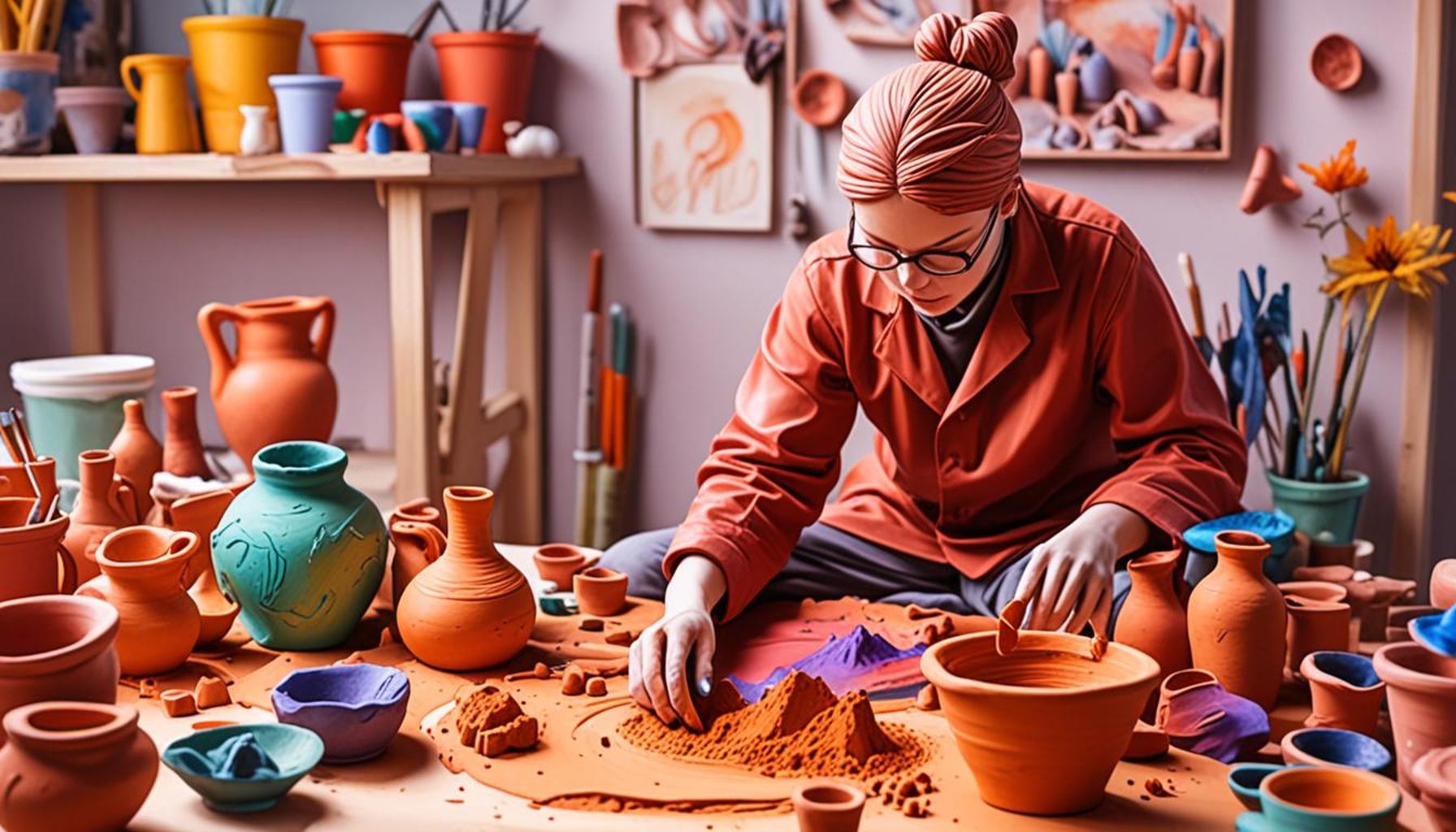
In the realm of creative expression, few mediums rival the versatility of clay. This unique material allows artists to physically shape their imaginations, giving life to their visions in three-dimensional form. From hand-built sculptures to finely crafted pottery, clay modeling is not just about creating; it’s an exhilarating journey that fosters creativity, problem-solving, and emotional connection. The tactile nature of clay invites exploration and experimentation, making it an ideal medium for artists of all levels.
Why Clay Modeling Matters
Clay modeling stands out for several compelling reasons:
- Tactile Engagement: The hands-on nature of clay encourages a direct interaction with the medium. Artists can knead, pinch, roll, and shape clay with their fingers, experiencing the textural nuances firsthand. This tactile engagement heightens sensory awareness and allows for intuitive decision-making throughout the creative process.
- Emotional Release: The process can be therapeutic, providing a means of expressing feelings that words often fail to capture. For many, molding clay serves as a form of mindfulness, helping to relieve stress and anxiety. The repetitive motions involved in crafting can be meditative, allowing artists to channel their emotions into something concrete and beautiful.
- Cultural Significance: Throughout history, clay has been used in various cultures for storytelling and preservation. From the terracotta warriors of China to Native American pottery, clay artifacts tell the stories of civilizations and their values. Engaging with clay often means connecting with a rich history, allowing artists to draw on ancient techniques and cultural narratives while innovating new expressions.
For many artists, clay becomes a canvas for their inner worlds—transforming ideas into tangible forms. The process not only involves creativity but also practical problem-solving skills as artists navigate the challenges of construction, balance, and aesthetics. Embracing this ancient medium opens up a universe of possibilities that can profoundly influence one’s creative journey.
Embarking on Your Creative Journey
Whether you’re a beginner or a seasoned artist, understanding the significance of clay modeling invites exploration and growth. Beginners can start with simple projects like creating pinch pots or decorative tiles, while seasoned artists can delve into complex sculptural forms or intricate wheel-thrown vessels. There are numerous resources available, including online tutorials, local art classes, and community workshops, that provide guidance and opportunities to develop skills.
By diving into this fascinating world, you not only create art but also uncover new ways to connect with your thoughts and emotions. The joy of sculpting with clay lies not just in the final product but in the creative journey itself—the way artists can lose themselves in the textures and shapes, rediscovering themselves along the way. Join the conversation about the importance of clay in creative expression, and discover how this timeless art form can shape your understanding of creativity.
DIVE DEEPER: Click here to discover more
The Therapeutic Benefits of Clay Modeling
Beyond its artistic merit, clay modeling offers profound therapeutic benefits that enhance both mental well-being and emotional resilience. As individuals immerse themselves in the process of shaping, molding, and sculpting, they often find a sanctuary from the stressors of everyday life. Engaging with clay allows for an escape—a chance to focus entirely on the present moment, which can be especially valuable in today’s fast-paced society.
Recent studies have shown that art therapy, including clay modeling, can significantly lower anxiety and improve mood. The act of working with clay encourages a state of flow, where individuals lose themselves in the creative process, disconnecting from distractions and intrusive thoughts. This meditative state can act as a natural antidepressant, providing a much-needed reprieve from life’s pressures.
Unlocking Creativity Through Sensory Experience
Clay modeling stimulates the senses, combining touch, sight, and sometimes even sound in a unique creative ritual. The feel of the soft, malleable material, along with the sound of tools working against its surface, creates an immersive experience that fosters innovation. Here are a few ways this sensory engagement can unlock creativity:
- Heightened Awareness: The physicality of working with clay sharpens focus, empowering artists to be acutely aware of their movements and decisions. As they manipulate the medium, they intuitively explore forms, colors, and textures that could spark new ideas.
- Freedom of Expression: Clay provides an open-ended platform for self-expression. Artists can take risks and experiment without fear of judgment, which is often stifling in traditional forms of art. The pliability of clay encourages innovation, allowing for exploration that pushes creative boundaries.
- Enhanced Problem-Solving Skills: Working with clay presents a myriad of challenges, from structural integrity to aesthetic balance. Artists learn to think critically and approach problems from various angles, ultimately enhancing their problem-solving capabilities in creative activities and beyond.
The intimacy of working with one’s hands allows for a deeper connection not only with the materials but also with one’s inner self. As artists engage with clay, they often unearth feelings and thoughts they may not have consciously acknowledged. This interplay between the mind, body, and materials facilitates a powerful medium for personal reflection and growth.
Connecting Past and Present
Clay modeling also connects individuals with historical practices that have shaped cultures across the globe. From the ancient civilizations that relied on clay for creation and storytelling to contemporary artists who innovate upon these traditions, clay serves as a bridge linking past and present experiences. As artists engage with this medium, they are not merely creating; they are participating in a time-honored legacy that continues to evolve.
In summary, the importance of clay modeling extends beyond mere artistic expression; it encompasses healing, discovery, and cultural continuity. Embracing this ancient medium offers a wealth of possibilities that inspire individuals to explore new realms of creativity while connecting with themselves and their artistic heritage.
Clay modeling is not just a physical activity, but a profound vessel for creative expression. As artists shape clay, they explore their emotions and thoughts, translating intangible ideas into tangible forms. This process fosters a deeper connection between the artist and their creativity, enabling them to portray complex narratives through their art. The malleability of clay allows for limitless creativity; artists can easily make changes or adjustments, representing the fluidity of inspiration and the creative process itself.
Moreover, clay modeling acts as a therapeutic outlet, significantly benefiting mental health. Engaging with clay can relieve stress, improve focus, and enhance overall well-being. The act of molding and shaping offers a form of mindfulness, reminiscent of meditation, where individuals can find solace and grounding amidst life’s chaos. This therapeutic aspect makes clay modeling accessible to everyone, regardless of artistic skill level.
Additionally, the social dimension of clay modeling cannot be overlooked. Group workshops and community programs promote collaboration and the sharing of ideas, further enriching the creative landscape. Participants inspire and learn from one another, fostering a supportive environment where innovation thrives. This aspect of clay modeling not only produces art but also strengthens community bonds and encourages collaboration.
Furthermore, the emergence of digital technology has opened new avenues for artistic expression in clay modeling. Artists can now utilize digital tools alongside traditional methods to enhance their work, leading to a hybrid approach that merges classic craftsmanship with modern techniques. This fusion invites exploration into uncharted territories, where the boundaries of art continue to expand.
Ultimately, clay modeling symbolizes a profound journey of self-discovery and creativity, inviting individuals to express their unique perspectives while fostering a sense of community and connection. As we delve deeper into the myriad benefits of this ancient art form, the possibilities for personal and collective expression become boundless.
| Benefits of Clay Modeling | Description |
|---|---|
| Enhanced Creativity | Through tactile engagement, artists expand their imaginative capacities, exploring new potential. |
| Therapeutic Benefits | Helps relieve stress and anxiety, offering a form of mindfulness through creative articulation. |
| Community Building | Fosters collaboration and connection among artists, creating a supportive environment for growth. |
| Integration of Technology | Shows the blend of traditional clay art with digital tools, expanding creative horizons. |
DISCOVER MORE: Click here to unlock new perspectives
Clay Modeling as a Tool for Learning and Development
The benefits of clay modeling extend far beyond the realm of mere artistic expression; it serves as a dynamic educational tool that promotes cognitive, social, and motor skills. Educators and therapists alike have recognized the potential of clay modeling in fostering development in various age groups, making it an invaluable resource in both classrooms and therapy settings.
Cognitive Growth and the Arts
Engaging with clay requires critical thinking and planning, allowing students and creators to form connections between concepts and ideas. As they conceptualize their designs, they must envision shapes and structures, introducing them to basic principles of engineering and physics. For instance, when sculpting a bridge from clay, a modeler must consider weight distribution and materials—essentially applying STEM principles in a creative context. This cross-disciplinary approach not only makes learning enjoyable but also enhances the retention of academic concepts.
Furthermore, the process of clay modeling encourages students to develop patience and perseverance. As they sculpt and refine their creations, they learn that mastery requires time and effort, instilling a sense of discipline that is beneficial both in and out of the classroom.
Social and Emotional Learning
Clay modeling also fosters social interaction and collaboration, essential aspects of emotional intelligence. Group activities, such as collaborative sculptures or community art projects, promote teamwork and communication. Participants learn to share ideas, negotiate creative decisions, and provide constructive feedback—all critical skills for personal and professional success.
In addition, as participants mold and shape clay, they often share stories and personal experiences related to their creations, forming deeper connections within groups. This shared process can cultivate empathy and emotional understanding, as artists gain insights into each other’s perspectives and backgrounds.
Your Hands Tell the Story
Moreover, the act of working with clay is inherently tactile, providing a multisensory experience that can be particularly effective for tactile learners. By engaging their hands, individuals often find their creative thoughts flowing more freely. This physical connection to the medium allows for a storytelling process that goes beyond verbal communication, enabling artists to express their feelings and narratives through shapes and textures.
Scientific research indicates that active participation in hands-on arts like clay modeling can stimulate brain neurotransmitters such as dopamine, associated with pleasure and reward. By arousing such responses, individuals are more likely to feel motivated and inspired to create, paving the way for innovative approaches to expression.
A Lifelong Journey of Discovery
The versatility of clay is such that it accommodates a wide range of artistic techniques—from pottery and ceramics to intricate sculptures. This variety offers a lifelong journey of discovery, where artists can continuously refine their skills and explore new styles. Workshops and classes are abundant in various communities, making clay modeling accessible to diverse populations. The communal aspect of these classes also plays a significant role, fostering friendships and creating safe spaces for artistic exploration.
In essence, clay modeling not only enriches individual artistic expression but also acts as a powerful tool for personal and communal development. By embracing its multifaceted benefits, artists, educators, and therapists can inspire transformation, creativity, and resilience in the world around them.
DISCOVER MORE: Click here to delve into the connection between nature and creativity
Conclusion: The Power of Clay in Shaping Creativity
In the fascinating journey of creating worlds through art, clay modeling stands out as a unique and transformative medium. It is not merely the act of molding a lump of earth but a profound avenue for creative expression that intertwines artistic innovation with essential life skills. The benefits gleaned from engaging with clay extend across a spectrum of cognitive growth, emotional intelligence, and collaborative learning, illustrating its versatility as a tool for personal development.
The tactile and immersive nature of clay encourages individuals to bring their imaginations to life, nurturing a connection between thought and physical creation. As participants delve into the shaping of their visions—be it a whimsical creature or a sophisticated masterpiece—they discover new dimensions of their artistic potential. This process not only promotes self-discovery but also enhances teamwork and communication skills, enriching social bonds through shared experiences.
In the realms of education and therapy, clay modeling emerges as a vital resource, blending creativity with learning. As educators and therapists leverage this art form, they unlock pathways toward cognitive achievements and emotional resilience, fostering environments where individuals can thrive. Furthermore, the accessibility of clay workshops and community classes across the United States invites people from all backgrounds to engage in this lifelong journey of exploration and mastery.
Ultimately, the importance of clay modeling in creative expression transcends mere artistic endeavors. It embodies a holistic approach to learning and connection, reminding us that the act of creation serves as a universal language—one that speaks volumes about our shared experiences, aspirations, and emotional landscapes. As we continue to shape our worlds with clay, we also begin to mold the very fabric of our communities.
Related posts:
The Influence of Visual Art on Creative Self-Expression
DIY: Creating Artistic Objects from Recycled Materials to Express Ideas
The Art of Collage: Transforming Cutouts into Visual and Emotional Narratives
Exploring Creative Writing as a Form of Emotional Freedom
Creative Photography: Capturing Imaginative Moments and Telling Stories Through the Lens
The Narrative of Sewing: Telling Stories Through Fabric and Threads

Linda Carter is a writer and creative hobbies expert specializing in crafting, DIY projects, and artistic exploration. With extensive experience helping individuals discover their creative potential and bring their ideas to life, Linda shares her knowledge on our platform. Her goal is to empower readers with practical tips, inspiring ideas, and step-by-step strategies for success in the world of creative hobbies.