The Art of Collage: Transforming Cutouts into Visual and Emotional Narratives
The Captivating World of Collage
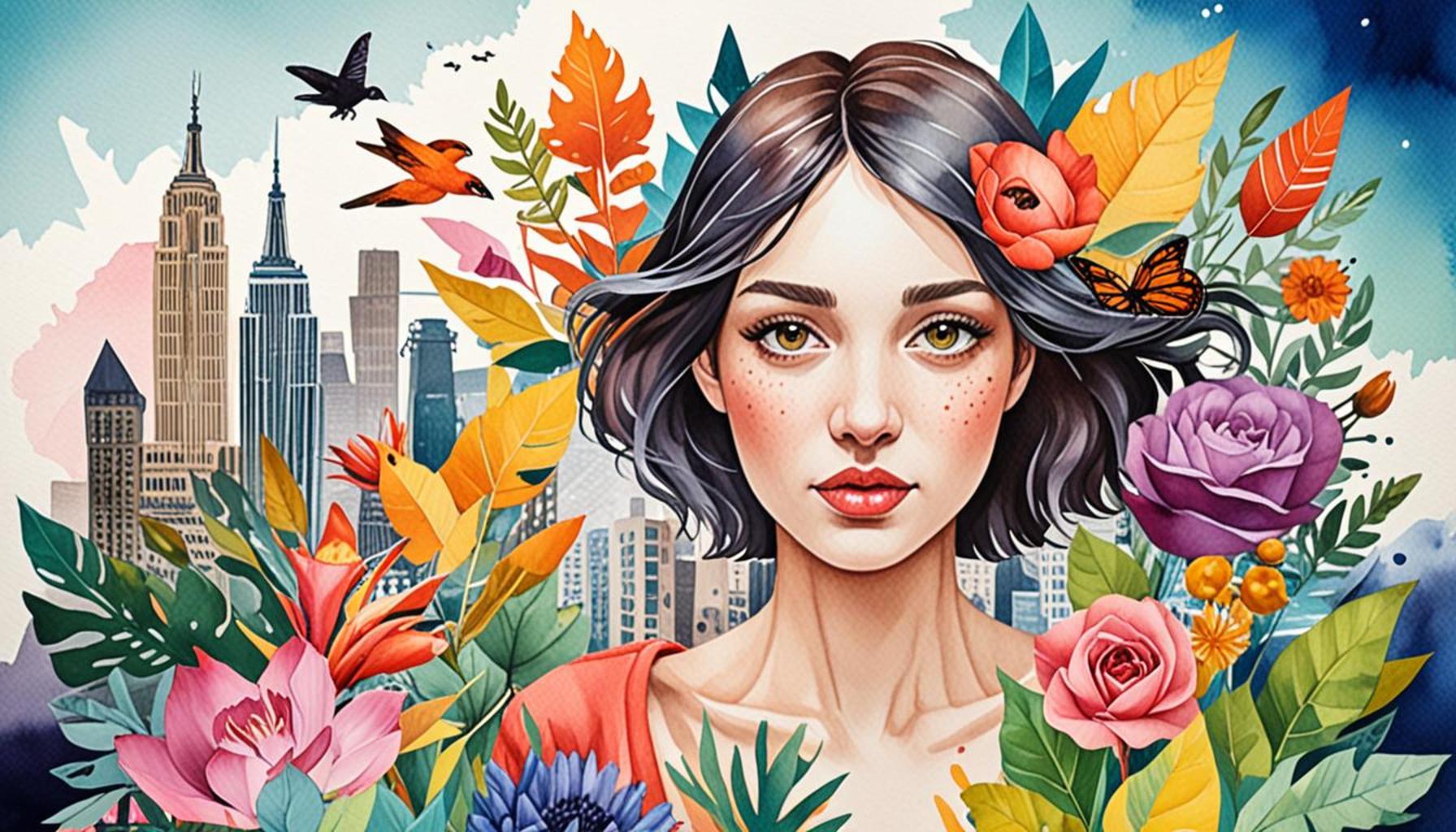
Collage is more than just a technique; it is a compelling medium that captures the essence of human emotion and creativity. By layering cutouts—whether from magazine images, photographs, or textured paper—artists construct unique narratives that resonate on both visual and emotional levels. The beauty of collage lies in its ability to blur the boundaries between different art forms, creating a rich tapestry of storytelling that speaks to the mind and heart.
Here are some key aspects of the art of collage:
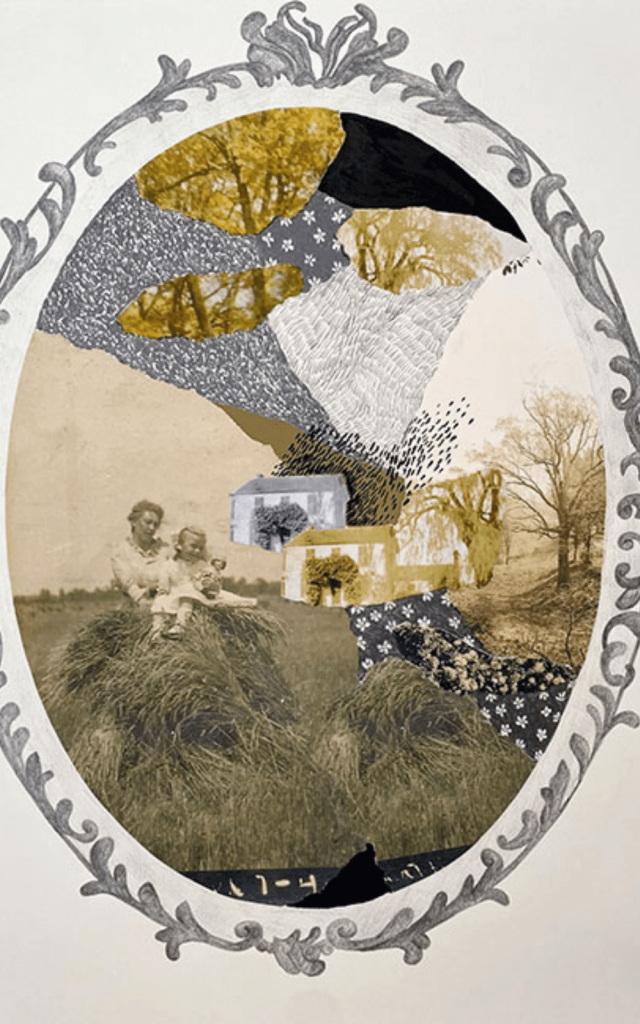
- Visual Diversity: One of the most striking features of collage is its inherent visual diversity. This technique allows artists to combine various styles, colors, and textures, transforming their artworks into a feast for the eyes. For instance, the vibrant colors of a pop art magazine cutout can be juxtaposed with the muted tones of an old, black-and-white photograph, offering viewers a captivating contrast that invites them to explore the juxtaposition of time periods and emotions.
- Emotional Depth: Each piece of material used in a collage can evoke specific feelings, turning mundane fragments into powerful symbols. For example, using newspaper clippings related to a major event can conjure a strong sense of nostalgia or urgency. Artists like Romare Bearden masterfully used collage to explore themes of identity and social justice, imbuing his works with emotional resonance that reflects the African American experience.
- Historical Significance: Collage has a rich history, having been embraced by numerous art movements including Cubism and Surrealism. Renowned artists such as Pablo Picasso and George Braque pioneered the use of collage in the early 20th century, showcasing its importance in shaping modern artistic expression. This historical significance adds depth to the contemporary practice of collage, connecting today’s artists with their predecessors.
In the United States, contemporary artists are revitalizing collage by exploring profound themes of identity, culture, and memory. Works created by artists like Hannah Höch and El Anatsui demonstrate how everyday materials can challenge conventional ideas about art and ownership. By integrating ordinary objects—from packaging to fabric—these artists highlight the stories that pervade our daily lives, transforming the ephemeral into something lasting and meaningful.
This accessibility makes collage a valuable tool for personal expression and social commentary. Artists across the U.S. are using their craft to engage with pressing issues, such as environmental sustainability and racial equality, inviting viewers to participate in dialogues around these critical topics.
As we delve deeper into the art of collage, we will uncover how artists use this medium to tell their stories and inspire others. Each piece serves as a visual landscape, rich with emotions and narratives waiting to be discovered. We invite you to explore these captivating works that reflect not only the individual experiences of the artists but also the collective voice of society itself.
EXPLORE MORE: Click here to dive deeper
Layers of Meaning: Deconstructing the Collage Process
At its core, the art of collage revolves around deconstruction and reconstruction. Artists begin by gathering a diverse range of materials, choosing cutouts based on aesthetic appeal, emotional impact, or thematic relevance. This initial act of selection is not merely about visual attraction; it’s a crucial step in forming a narrative that evokes thought and feeling. Each element serves a purpose, contributing to the larger story the artist wishes to tell.
The process of creating a collage is akin to assembling a puzzle, where each piece must find its rightful place to achieve harmony. Artists may experiment with various composition techniques including layering, overlapping, and balancing disparate elements. For instance, a collage might feature a stunning woman in a vintage dress standing amidst chaotic images of modern life, juxtaposing past and present to challenge societal norms.
Understanding the role of cutouts in conveying emotional narratives is key to appreciating the collage form. Different materials not only possess distinct textures and colors but also carry personal histories and cultural significances. For example, a bright, bold advertisement may represent consumerism, while a faded postcard evokes nostalgia for a time long gone. The interplay between these fragments can lead viewers to react with unease or familiarity, prompting them to analyze their relationships with the elements portrayed.
- Texture: The tactile nature of collage adds depth to visual storytelling. Textured materials such as fabric or newspaper can evoke feelings of comfort or unease, contributing to the overall mood of the artwork.
- Color: Color is vital in establishing an emotional tone. Bright colors may evoke happiness or excitement, while darker shades can inspire contemplation or sadness.
- Context: The context surrounding the cutouts adds layers of meaning. An image of a smiling child alongside newspaper clippings of global issues creates a striking contrast that highlights societal disparities.
In the contemporary art scene of the United States, artists leverage these attributes to convey complex themes. Take, for example, the work of famous collagist Hannah Höch, who challenged traditional gender roles and societal expectations in the 20th century through her vibrant cutups. Her collages served as powerful visual critiques, calling attention to the multifaceted identities of women. Today, artists like El Anatsui harness similar approaches, using discarded materials to reflect on consumer culture and environmental concerns, thus encouraging viewers to ponder their roles in a larger narrative.
The accessibility of collage as a medium makes it an attractive option for both budding and seasoned artists alike. The ability to source materials from everyday life allows for a democratization of art, making it possible for anyone to express their worldview through visual means. As we continue exploring the fascinating dimensions of collage, it becomes evident that this artistic form transcends mere aesthetic appeal, serving as a profound channel for personal and societal reflection.
The art of collage stands as a remarkable fusion of creative expression and emotional storytelling. Through the delicate arrangement of paper cutouts, artists can convey complex narratives that resonate deeply with viewers. Whether using vintage photographs, vibrant magazine clippings, or textured materials, collage transforms disparate elements into cohesive visual representations that invite interpretation.
Collage has a unique ability to communicate emotions at a profound level. By juxtaposing images and materials, artists can create visual metaphors that evoke feelings of nostalgia, joy, or even melancholy. This process encourages viewers to engage actively with the piece, making personal connections and discovering their own narratives within the artwork.
Additionally, the medium allows artists to challenge conventional notions of representation. By deconstructing and recontextualizing imagery, collagists can critique social norms, cultural traditions, or historical contexts. This dynamic nature of collage as an art form not only enriches the creative landscape but also offers a platform for dialogue and reflection on pressing social issues.
As artists continue to explore the possibilities of collage, we witness a vibrant evolution of styles and techniques. Modern technology, such as digital collage, expands the boundaries even further, allowing for innovative combinations and artistic experimentation. The future of collage promises to unravel new dimensions in visual storytelling, raising intriguing questions about identity, culture, and the human experience.
| Advantages | Description |
|---|---|
| Versatility | Collage can incorporate a wide variety of materials, allowing for endless creativity. |
| Emotional Depth | The combination of different images can convey complex feelings and stories. |
Through these techniques, collage artists not only captivate audiences but also foster a sense of community and connection among those who engage with their work. As they continue to innovate and redefine the boundaries of this art form, the world of collage offers intrigues that go far beyond surface-level aesthetics, reaching into the very core of human emotion and storytelling.
DIVE DEEPER: Click here to unlock the power of creative writing
The Intersection of Collage and Identity: Personal Narratives on Display
The world of collage is an ever-evolving tapestry of identities, where artists embark on deeply personal journeys to explore their own lives and the societal contexts surrounding them. By employing a collection of cutouts, artists can intricately weave narratives that reflect their backgrounds, struggles, and aspirations. This intersection of collage and identity not only offers a glimpse into the artist’s psyche but also invites viewers to engage with these personal stories on multiple levels.
One of the most significant aspects of collage as a form of expression is how it allows artists to visualize their experiences. For instance, artist Romare Bearden used collage to immerse audiences in the African American experience, combining photographs, magazine clippings, and painted elements to create rich narratives addressing themes of racism, culture, and history. Bearden’s work captures the essence of community, using fragmented images to evoke a sense of belonging and a departure from traditional storytelling methods.
Similarly, contemporary artists are employing collage not only as a medium but as a means of exploring issues such as gender identity, mental health, and migration. The work of Ai Weiwei, for example, incorporates multimedia collage elements to address pressing global issues, focusing on themes of displacement and human rights. By juxtaposing images of refugees with absurd commercial advertisements, Weiwei compels viewers to confront uncomfortable truths about the state of the world we inhabit.
Engagement and Interaction: Bringing Collage to Life
Collage art doesn’t merely exist in a vacuum; artists often leverage interactive dimensions to engage their audience actively. Recent innovations in digital collage offer artists new avenues for expression. Recordings of sound, video snippets, and even augmented reality tools can elevate the collage experience, providing viewers with a multifaceted understanding of the narratives being told. These technologies allow people to delve deeper into the tapestry of the artist’s message, creating a more immersive experience.
- Participatory Art Projects: Initiatives that invite communal participation enable audiences to contribute their own cutouts and narratives. These projects often reflect broader societal issues, transforming an individual expression into a collective artwork.
- Online Platforms: Digital platforms allow emerging collagists to showcase their work globally. Artists can draw inspiration from a myriad of cultures and contexts, further enriching the narrative layers of their pieces.
Moreover, collage functions as a tool for social commentary, providing a critical lens through which audiences can scrutinize prevailing cultural norms. The satirical collages of artists like John Hartfield illustrate society’s absurdities by blending political imagery with whimsical elements, urging viewers to rethink the narrative, whether it be political disillusionment or environmental crises. Such works raise awareness and promote dialogue, transforming the gallery space into an arena for activism.
As the art of collage continues to flourish, its capability to evoke emotional narratives and challenge perceptions remains pivotal. Each cutout tells a fragment of the larger human experience, and as artists mold these fragments into coherent wholes, they invite us to reflect on our own stories, identities, and the collective journey we share. In a landscape that often feels disjointed, collage serves as a vital link, bridging the personal and the universal in a single cohesive vision.
DIVE DEEPER: Click here to uncover more about self-growth through art
Conclusion: The Unbounded Potential of Collage Art
The art of collage stands as a powerful testament to the creative potential of cutouts, transforming fragmented elements into compelling visual and emotional narratives. By synthesizing various materials and mediums, artists craft intricate stories that reflect personal experiences, cultural identities, and societal issues. This dynamic form of expression not only invites intimate engagement but also fosters critical conversations about the world we inhabit.
As seen through the works of influential artists like Romare Bearden and Ai Weiwei, collage transcends the limitations of traditional art forms, offering a versatile approach to address complex themes such as race, identity, and displacement. The emergence of digital tools further enhances the medium, allowing for interactive experiences that captivate and immerse audiences. This evolution opens doors for collective storytelling, encouraging participation and collaboration through participatory art projects and online platforms.
Furthermore, collage serves not only as a mirror reflecting personal and cultural narratives but also as a lens through which we can critically engage with contemporary realities. The satirical works of collagists like John Hartfield challenge viewers to reconsider societal norms and injustices, thereby elevating collage to a platform for activism.
In conclusion, the realm of collage art is a flourishing landscape of possibility where cutouts converge to create cohesive narratives that resonate deeply with individuals and communities alike. As artists continue to explore and innovate within this medium, the stories told will invariably evolve, inviting us all to participate in the ongoing dialogue of our shared human experience.
Related posts:
The Art of Origami: Transforming Paper into Stories and Emotions
The Narrative of Sewing: Telling Stories Through Fabric and Threads
The Magic of Creative Writing Transform Ideas into Captivating Stories
Creating Worlds: The Importance of Clay Modeling in Creative Expression
Creative Photography: Capturing Imaginative Moments and Telling Stories Through the Lens
DIY: Creating Artistic Objects from Recycled Materials to Express Ideas

Linda Carter is a writer and creative hobbies expert specializing in crafting, DIY projects, and artistic exploration. With extensive experience helping individuals discover their creative potential and bring their ideas to life, Linda shares her knowledge on our platform. Her goal is to empower readers with practical tips, inspiring ideas, and step-by-step strategies for success in the world of creative hobbies.