Visual Poetry: Uniting Words and Images for Creative Expression
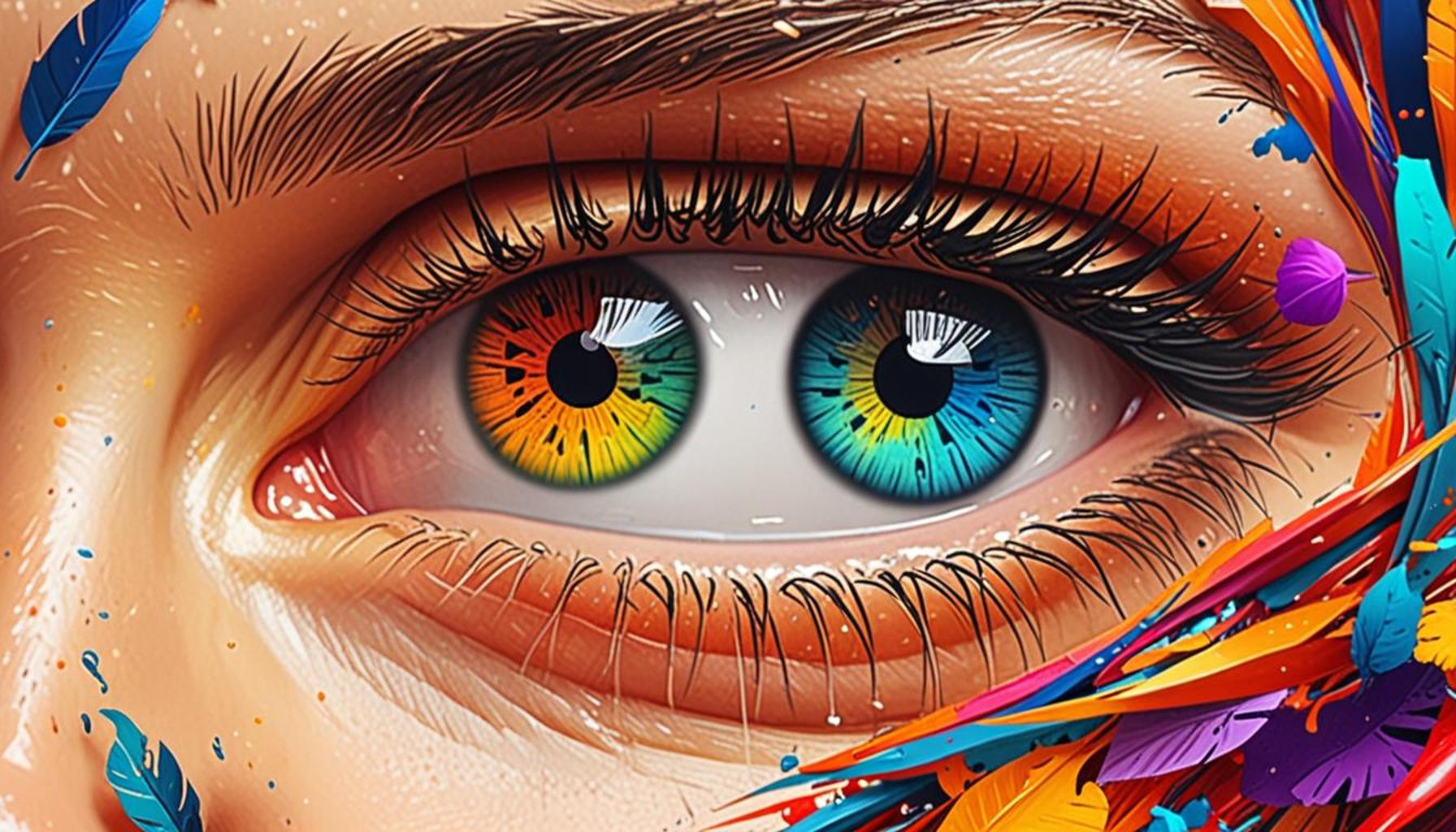
Unleashing Creativity Through Visual Poetry
In a world where communication thrives on both words and imagery, visual poetry emerges as a profound artistic form. This unique expression blends textual and visual elements, inviting audiences to engage with poetry in a multidimensional way. By weaving together the intricacies of language with the allure of visual art, creators transport readers into an immersive experience that challenges conventional boundaries.
Visually stimulating poems create a tapestry where each element enhances the other. This interplay allows for diverse interpretations and emotional responses, making visual poetry resonate deeply with individuals, often transcending cultural and linguistic barriers. Consider the following key aspects that define this art form:
- Integration of Text and Image: Visual poetry utilizes typography, color, and layout to amplify the text’s meaning. For example, a poem about chaos might employ jagged fonts and erratic placement to visually communicate the theme, while a piece focused on tranquility may feature soft curves and pastel colors.
- Diverse Formats: Visual poetry can appear in numerous formats—whether in beautifully illustrated poetry books, digital art shared on social media, or provocative street installations that invite passerby engagement. Each platform offers a unique opportunity for artists to experiment with their message and reach wider audiences. A recent example is the interactive digital poems showcased in online galleries where viewers can click through sections to unveil layers of meaning.
- Enhanced Emotional Impact: The combination of visual and verbal elements can evoke stronger feelings than text alone. Research has shown that multimedia approaches often lead to heightened user engagement, making the experience of reading poetry more visceral and memorable. A visual poem that portrays heartbreak with stark imagery and poignant words can leave an indelible mark on the audience.
Contemporary visual poets, like Jaswinder Bolina and Hannah Weiner, have paved the way for this genre, expanding the boundaries of poetry. Bolina’s work, for instance, often merges personal narrative with historical references, employing visual elements that compel readers to look beyond the words on the page. Meanwhile, Weiner’s innovative typographic style reflects the complexities of communication, challenging readers to reconsider the relationship between text and perception.
This exploration of visual poetry not only enriches the literary landscape but also challenges traditional notions of art. As more artists adopt technology to enhance their work, we witness an evolution in the way stories are told, pushing the envelope of creativity. The journey invites us to rediscover how words and images can coexist harmoniously, paving the way for new forms of expression. This fusion encourages an ongoing dialogue about the role of poetry in modern society and inspires audiences to engage with literature in a lively and dynamic manner.
As we delve deeper into the world of visual poetry, it becomes clear that this artistic medium is not merely an intersection of art and literature; it is a testament to the power of innovation and the endless possibilities of storytelling. The potential for connection through visual poetry is profound and could serve as a catalyst for many to explore their creative impulses.
DISCOVER MORE: Click here to dive deeper
Exploring the Elements of Visual Poetry
At the heart of visual poetry lies an intricate dance between language and imagery, each element bringing a unique quality to the composition. This fusion encourages a deeper connection with the audience, prompting them to not only read but also to experience the work on multiple sensory levels. To truly appreciate this art form, we must explore its fundamental components that help create a symbiotic relationship between words and visuals.
- Typography: Font choice and arrangement play pivotal roles in visual poetry. The way words are displayed can convey mood and tone even before the reader engages with the text’s content. For instance, a poem about nostalgia may feature vintage-inspired typography, evoking a sense of memory and warmth that resonates before a single line is read. In contrast, a piece challenging societal norms might utilize bold, aggressive fonts that demand attention.
- Color Schemes: The psychological impact of color cannot be overstated in the realm of visual poetry. Colors can evoke a myriad of emotions—the vibrant reds and oranges may signal passion or anger, while soft blues and greens can impart tranquility. Artists often choose a color palette that aligns with the themes of their poetry, enhancing the narrative and evoking visceral responses.
- Spatial Arrangement: The layout of text and images creates a visual hierarchy that guides the reader’s journey through the poem. Strategic placement can lead the eye in specific directions, enhancing understanding and emotional engagement. A poem displayed in a circular format might suggest wholeness or cyclical themes, while lines placed erratically may represent disruption and chaos.
These components work collaboratively to create a narrative that transcends the limitations of traditional poetry. The result is a vivid portrayal of ideas that linger in the reader’s mind long after the experience has concluded. Each visual poem serves as a conduit for individual interpretation and encourages dialogue, allowing the audience to extract personal meaning from the interplay of text and imagery.
Furthermore, the evolution of technology has expanded the possibilities for visual poetry, paving the way for innovative platforms such as digital poetry applications and interactive installations. These modern mediums enable poets to push beyond the constraints of paper, allowing for the incorporation of sound, movement, and audience interaction. As viewers engage with these dynamic forms, they may discover new dimensions of poetic expression, prompting them to reflect on their relationship to literature and art.
As artists and poets continue to explore the boundaries of visual poetry, the medium grows ever more inclusive and diverse. The impact of this artistic form is undeniable, as it serves not only as a means of personal expression but also as a vehicle for social commentary. Visual poets often tackle issues related to identity, politics, and the human experience, capturing the zeitgeist of contemporary culture. This capacity to engage with pressing global concerns through art not only invites reflection but also promotes communal understanding among diverse audiences.
In conclusion, the world of visual poetry invites us to redefine our perceptions of how words and images can coalesce. By embracing the dynamic interplay of text and visual elements, we uncover a rich tapestry of expression that resonates with what it means to be human. As we delve deeper into this exploration, we begin to appreciate the power of creativity in shaping how we communicate and connect with one another.
| Category | Advantages |
|---|---|
| Enhanced Creativity | Visual poetry stimulates the mind, allowing artists to blend textual and visual elements seamlessly and innovate. |
| Multi-Sensory Engagement | It captivates audiences by engaging multiple senses, making the experience more profound and memorable. |
The integration of text and imagery in visual poetry also encourages a broader range of expression. Artists can convey complex emotions and narratives without relying solely on words or visuals. For instance, the use of typography alongside powerful illustrations can evoke feelings that resonate deeply with the audience. This method not only enriches the artistic experience but also opens new avenues for interpretation. Additionally, visual poetry often transcends cultural and linguistic barriers, allowing for a universal connection among diverse viewers. Artists and enthusiasts alike find inspiration within this genre, showcasing how the fusion of words and images can create a vivid tapestry of creative expression that invites exploration and discussion. As more creators embrace this art form, the potential for innovation continues to expand, captivating imaginations worldwide.
DIVE DEEPER: Click here to uncover the power of creative writing
The Role of Technology in Expanding Visual Poetry
As technology evolves, so too does the realm of visual poetry, opening new avenues for artistic exploration and creativity. This innovation reinforces the blend of language and visuals, allowing poets to craft experiences that engage audiences in ways previously unimagined. One standout approach is through multimedia poetry, where artists utilize videos, animations, and soundscapes to enhance the narrative. This expanded medium stimulates multiple senses, creating an immersive experience that traditional formats simply cannot replicate.
Consider platforms such as Instagram and Twitter, which have birthed a new generation of poets who curate their work through short, striking visuals accompanied by succinct text. This phenomenon, often referred to as micro-poetry, taps into the quick consumption habits of contemporary audiences while maintaining depth and nuance. Visual poetry on these platforms often transcends mere self-expression; it becomes a means of connecting with readers on a global scale, resonating across cultural boundaries through shared experiences and emotions.
Additionally, online tools and applications empower poets to experiment with design elements. Drag-and-drop platforms enable users to create visually striking layouts without extensive graphic design training. For instance, sites like Canva offer templates that encourage poets to explore typography, graphics, and backgrounds, sparking creativity while simplifying the design process. This democratization of tools means that artists from various backgrounds can produce high-quality visual poetry, diversifying the landscape of this art form.
The Impact of Visual Poetry on Social Movements
Visual poetry’s ability to communicate powerful messages is evident in its role within social movements. Artists are using visual poetry to tackle pressing issues such as climate change, racial inequality, and mental health. For example, on social media platforms, hashtags like #VisualPoetry and #ArtForChange unite poets and artists advocating for societal transformation. Collaborative projects often emerge from these movements, bringing together diverse voices to create *collective consciousness* through art.
While visual poetry connects individuals on a personal level, its collective use can amplify broader social narratives. For instance, during the Black Lives Matter movement, many artists utilized visual poetry to convey the urgency of their messages—combining striking imagery with poignant text that resonated deeply within communities. By making complex social issues accessible and engaging, these works stimulate not only personal reflection but also encourage civic participation and dialogue.
Education and Pedagogy in Visual Poetry
Incorporating visual poetry into educational contexts offers students a unique approach to understanding literature and art. Educators are increasingly recognizing the potential of visual poetry as a teaching tool, as it fosters creativity, critical thinking, and visual literacy. By analyzing visual poems, students learn to interpret text alongside imagery, honing their ability to derive meaning from multimodal作品.
Programs integrating visual poetry often encourage students to create their own works, helping them develop a richer understanding of their voices and perspectives. Workshops that combine poetry writing with visual arts engage students in collaborative projects, where they can express themes of identity, community, and social issues through a combination of written and visual artistry. This dual approach not only cultivates a deeper appreciation for poetry but also empowers the next generation of poets to explore the evolving landscape of creative expression.
The enduring appeal of visual poetry lies not only in the fusion of text and imagery but also in its capacity to adapt and evolve with the times. As audiences seek deeper connections and as technological advancements pave the way for innovation, visual poetry continues to be a dynamic medium that captivates and inspires, encouraging us to view the world—and ourselves—through a more imaginative lens.
DIVE DEEPER: Click here for insights on transforming emotions into words
Conclusion: The Future of Visual Poetry
In conclusion, visual poetry stands as a testament to the innovative fusion of language and imagery, offering a multifaceted approach to creative expression that resonates deeply with audiences. As we have explored, the synergy of text and visuals not only enriches the artistic landscape but also fosters emotional connections that transcend traditional barriers. From its vital role in social movements to its integration in educational settings, visual poetry has proven to be a powerful medium for facilitating dialogue, reflection, and change.
The continuous advancement of technology propels this art form into new dimensions. As social media platforms provide budding poets with unparalleled opportunities to share their work, the democratization of design tools enables artists from all backgrounds to contribute their unique narratives. This evolution is not just about individual expression; it is about forging communities that engage with pressing social issues and amplify diverse voices through collaborative visual poetry.
As we look to the future, it is crucial to recognize the potential impact of visual poetry in shaping culture and fostering understanding. By continuing to embrace this dynamic blend of words and images, we can inspire the next generation of artists and thinkers to explore the interconnectedness of language and art. Ultimately, visual poetry invites us to reinterpret our experiences and to engage with the world around us in ways that are both profound and visually captivating.
Related posts:
Exploring Creative Writing as a Form of Emotional Freedom
The Art of Collage: Transforming Cutouts into Visual and Emotional Narratives
Abstract Painting Art Expressing Emotions Through Colors and Shapes
Creative Writing as Liberation: Exploring Imagination Through Stories and Chronicles
Board Game Creation: Using Imagination to Develop Narratives and Interactive Experiences
Music as Imaginative Expression: Composing Your Own Soundtrack
Linda Carter is a writer and creative hobbies expert specializing in crafting, DIY projects, and artistic exploration. With extensive experience helping individuals discover their creative potential and bring their ideas to life, Linda shares her knowledge on our platform. Her goal is to empower readers with practical tips, inspiring ideas, and step-by-step strategies for success in the world of creative hobbies.