Exploring the Intersection of Creative Hobbies and Professional Skill Development
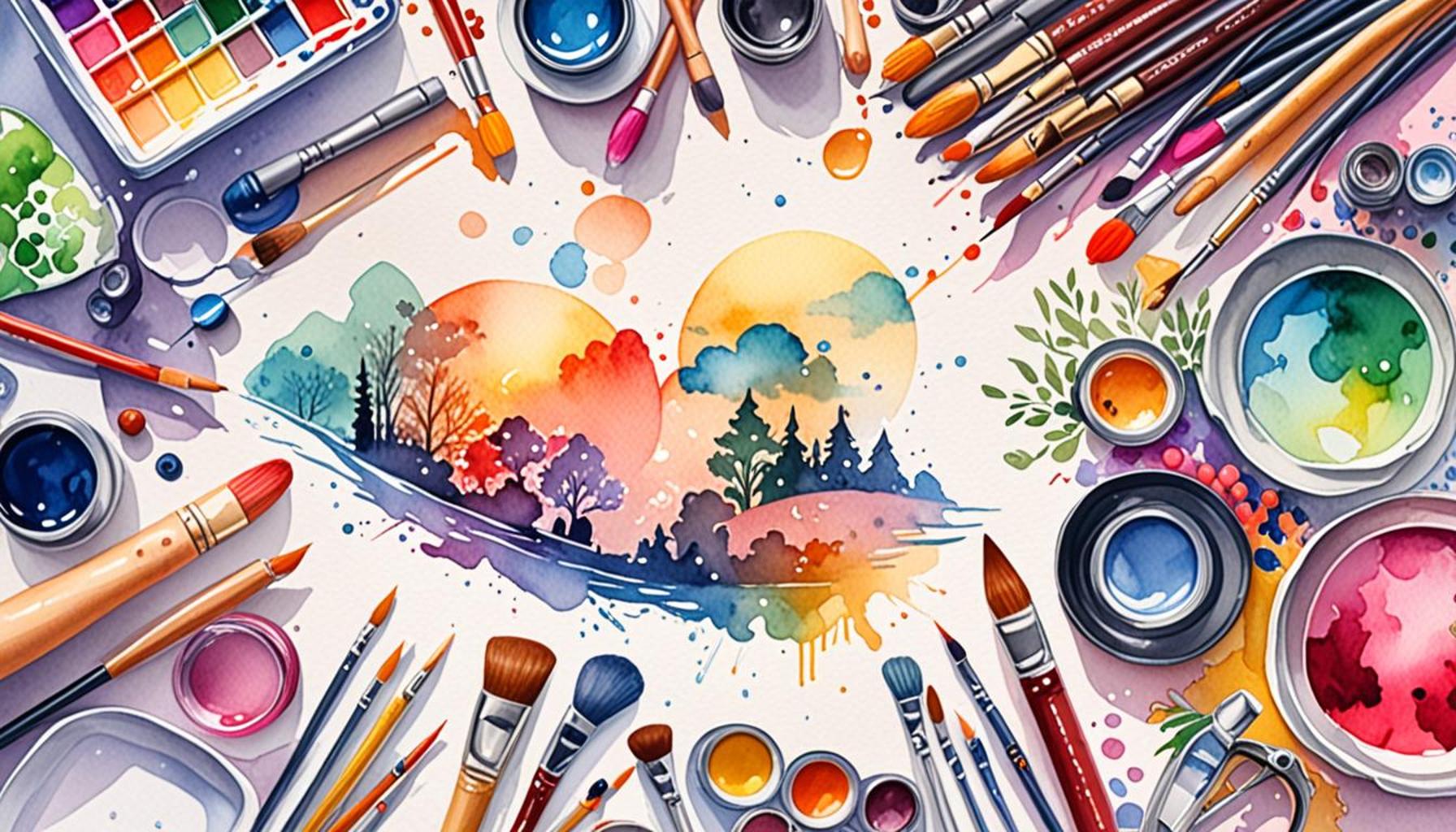
Unlocking Potential Through Passion
In a world that constantly blurs the lines between work and leisure, the integration of creative hobbies with professional skill development is gaining traction. Engaging in artistic pursuits not only fosters personal expression but also enhances skills that are highly valuable in the workforce. This dual approach opens doors to unexpected career advancements that most may not initially recognize.
For example, consider the artistic endeavor of painting. Whether you’re crafting a canvas at home or taking a weekend workshop, this creative outlet requires innovative problem-solving. Artists land on solutions when color combinations don’t work or when they face obstacles in portraying their vision. This kind of creative thinking is a transferable skill; employers in fields ranging from technology to advertising increasingly seek candidates with the ability to think outside the box.
Moreover, participating in group activities can foster a sense of collaboration. Dramas and dance performances require individuals to work harmoniously with others, developing their teamwork skills. A well-executed theater production requires not just individual talent but a collective effort, teaching participants how to communicate effectively, delegate tasks, and resolve conflicts—a common challenge in corporate environments.
The realm of creative hobbies also cultivates time management. Balancing a passion, such as learning to play a musical instrument or engaging in photography, alongside a demanding job demands discipline. Learning to carve out time for these pursuits can sharpen your focus and efficiency in professional projects. Workers who develop such skills often find their productivity levels increase, enabling them to handle pressure more adeptly.
These competencies gained through creative outlets bring numerous advantages beyond the workplace. For instance, graphic design enthusiasts often find their skills directly applicable to marketing roles, creating compelling visuals that drive engagement. Similarly, someone who writes songs or stories hones their communication skills, enriching their ability to convey ideas clearly and concisely—an essential trait in any profession.
Evidence supporting these benefits is both abundant and convincing. Research suggests that individuals engaged in creative activities experience improved cognitive flexibility, which is becoming increasingly vital in today’s dynamic job market. The capacity to adapt to changing circumstances and think critically is paramount, making creativity more relevant than ever.
Topics to Explore
- Skills gained from DIY projects, which encourage resourcefulness and creativity.
- The role of photography in visual storytelling for branding, showcasing how images can convey powerful messages about products and services.
- How cooking can enhance project management skills, particularly in planning and executing tasks efficiently within time constraints.
As you navigate through your creative interests, you may find that these passions are not just leisure activities but the very keys to unlocking new professional opportunities. Dive deeper into your hobbies and explore how they might unveil new paths in your career journey!
DISCOVER MORE: Click here to dive deeper
Creative Hobbies: A Gateway to Skill Enhancement
As society evolves, the connection between creative hobbies and professional skills becomes more evident. These passions can serve as powerful tools for developing competencies that are not only enjoyable but also crucial in the modern workplace. Many individuals underestimate how activities such as painting, writing, or even DIY projects can enhance their marketability and lead to career progression. By harnessing these opportunities, professionals can elevate their skill sets while simultaneously indulging their creative spirits.
Take, for example, the practice of DIY projects. Engaging in home improvement tasks requires an array of skills: from basic woodworking to electrical knowledge, and even project planning. Completing a DIY project cultivates resourcefulness as you navigate unforeseen challenges—much like what happens in a business project. This hands-on experience promotes critical thinking and adaptability, traits that employers prioritize. In fact, according to a report by LinkedIn, creativity and innovation are among the top five skills that employers value in job candidates.
Another compelling example is photography, which serves as a means of visual storytelling. In a world inundated with information, the ability to convey concepts through compelling images is increasingly vital. This art form not only sharpens technical skills such as framing and lighting but also helps individuals understand branding in a marketing context. By showcasing how images can resonate with audiences, aspiring marketers can leverage photography skills to create engaging campaigns, fostering a significant advantage in competitive job markets.
Similarly, writing—whether through blogging, journaling, or creating poetry—enhances communication proficiency. The nuances of expressing ideas clearly and persuasively translate directly into any business environment. Organizations consistently seek employees who can articulate their thoughts in a way that resonates with customers and stakeholders alike. This is especially pertinent in a digital age, where the written word often forms the foundation of company branding and customer engagement.
Moreover, hobbies that involve cooking or baking can spur creativity and organizational skills. Preparing a meal requires essential planning, resource allocation, and time management—skills transferable to managing projects in a professional setting. The culinary arts not only allow for experimentation and innovation but also teach one how to execute a vision under time constraints. This blend of creativity and practicality is invaluable in today’s fast-paced work environments.
Key Areas of Skill Development Through Creative Hobbies
- Problem Solving: Encountering an unexpected challenge in a project can lead to innovative solutions.
- Collaboration: Team-based activities, such as improv theater, enhance communication and conflict resolution skills.
- Time Management: Balancing creative pursuits with work fosters efficiency and prioritization.
- Critical Thinking: Analyzing outcomes in creative projects boosts decision-making abilities.
Ultimately, the integration of creative hobbies into our lives enriches both personal fulfillment and professional growth. With substantial evidence to support the functionality of these skills in the business world, it’s evident that taking the time to cultivate your creative interests may provide unexpected benefits in your career trajectory. So, as you explore your artistic inclinations, consider how they may serve as stepping stones towards new opportunities in your professional journey.
| Category | Details |
|---|---|
| Skill Enhancement | Engaging in creative hobbies leads to improved problem-solving skills and innovative thinking, essential in a professional setting. |
| Networking Opportunities | Creative communities foster relationships that can expand professional connections, presenting opportunities for collaboration and career growth. |
The fusion of creative hobbies and professional skill development presents a marketplace rich in growth opportunities. Pursuing passions like painting, writing, or even crafting can significantly refine abilities that are transferable to the workplace. For instance, those who engage in artistic activities often demonstrate heightened levels of creativity and adaptability—two qualities that are increasingly valued across industries. Additionally, participation in such interests often leads to a network of like-minded individuals, cultivating an environment ripe for collaboration. Engaging with peers in creative settings not only fosters support but also opens doors to job opportunities and mentorships that may otherwise remain elusive. These connections are vital in today’s fast-paced professional landscape where personal branding and visibility can dramatically influence career trajectories.Exploring how your creative endeavor can align with your professional goals could unveil new pathways for success and satisfaction in one’s career. By synthesizing your passions with practical skills, you can create a unique profile that stands out to employers while enriching your life.
DISCOVER MORE: Click here to dive deeper
Bridging the Gap: How Creative Hobbies Enhance Professional Attributes
As we delve deeper into the intersection of creative hobbies and professional skill development, it’s important to recognize how these leisure activities can cultivate personal attributes that are highly sought after in the workplace. Employers increasingly favor candidates who not only possess technical skills but also exhibit qualities like empathy, emotional intelligence, and strong interpersonal skills. Engaging in creative hobbies plays a significant role in nurturing these attributes.
One excellent case study is the world of theater and performing arts. Engaging in drama or acting classes not only refines one’s performance abilities but also enhances a myriad of soft skills. Participants learn the art of empathy by stepping into different characters’ shoes, which fosters a deeper understanding of diverse perspectives. This skill is essential when working in teams or dealing with clients, as it helps professionals connect on a more personal level. According to a survey by the National Center for Arts Research, individuals who engage in arts-related hobbies report higher levels of emotional intelligence, positively influencing workplace dynamics.
Additionally, crafting and DIY activities have emerged as significant contributors to creative thinking and innovation. The process of bringing a handmade project to life—from conceptualization to execution—encourages individuals to think outside the box. Creative projects often involve trial and error, reinforcing persistence when things don’t go as planned. For instance, a person who enjoys sewing might experiment with different patterns and techniques to create unique garments, ultimately learning to innovate while facing setbacks. Such resilience is an invaluable trait that employers appreciate, as it can lead to improved problem-solving in high-pressure environments.
Creative Hobbies That Cultivate Leadership Qualities
- Mentorship Through Arts: Participating in group classes or workshops allows individuals to mentor others, honing leadership and teaching skills.
- Public Speaking: Engaging in storytelling or poetry slams improves public speaking abilities—a critical asset for presentations and meetings.
- Networking Opportunities: Creative communities offer unique networking prospects, facilitating connections that may lead to collaborations or job opportunities.
- Feedback Reception: Learning to accept critiques in creative environments improves an individual’s capacity to handle constructive feedback in professional situations.
Moreover, engaging in musical pursuits, whether playing an instrument or singing, has shown to enhance cognitive abilities linked to memory, concentration, and teamwork. Playing in a band or participating in choir requires cooperation, timing, and the ability to synchronize efforts with others—skills that are directly transferrable to project management and collaborative work settings. A 2020 study published in the Journal of Educational Psychology indicated that music students often exhibit higher levels of focus and organizational skills, suggesting a direct correlation between music and effective workplace performance.
In the context of digital development, creative hobbies like graphic design and video editing are not just leisure activities but pathways to mastering tools and software that are in high demand across numerous sectors. As the digital landscape continues to evolve, professionals equipped with creative digital skills can position themselves at the forefront of their industries. An analysis by the U.S. Bureau of Labor Statistics highlights that job roles requiring creative software proficiency, like multimedia artists and web designers, are projected to grow by 8% in the next decade, illustrating the promising return on investment for individuals who cultivate these skills through creative hobbies.
DIVE DEEPER: Click here to discover the transformative power of journaling
Conclusion: A Pathway to Professional Growth
In conclusion, the exploration of the intersection of creative hobbies and professional skill development reveals a rich landscape where personal growth and career advancement can flourish simultaneously. Engaging in activities such as theater, crafting, music, and digital design not only enhances creative thinking but also cultivates essential soft skills like empathy, resilience, and collaboration. These attributes are increasingly valued in today’s job market and can set candidates apart in competitive fields.
Moreover, the structures and communities formed around creative hobbies foster valuable opportunities for networking, mentorship, and leadership. As individuals connect with like-minded peers, they can share experiences, receive constructive feedback, and collectively elevate their professional capabilities. With projections showing significant job growth in fields that demand creative expertise, the time has never been better for individuals to integrate their passions into their career paths.
Understanding the dual benefits of pursuing creative hobbies extends beyond mere leisure; it becomes a strategic professional investment. Whether you are an aspiring manager, a graphic designer, or an educator, allowing creativity to thrive in your life will not only enrich your personal experiences but also amplify your professional profile. In a world that increasingly prizes creativity, the message is clear: pursue your passions and watch them bloom into a fruitful path of opportunity.
Related posts:
The Influence of Creative Hobbies on Improving Concentration and Attention
The Importance of Creative Hobbies in Stimulating Innovation and Problem Solving
How Creative Hobbies Can Enhance Adaptability in Challenging Situations
Boost Skills with Creative Hobbies Enhance Personal Professional Growth
How Creative Hobbies Can Help Overcome Personal Challenges
The Role of Creative Hobbies in Building a Growth Mindset
Linda Carter is a writer and creative hobbies expert specializing in crafting, DIY projects, and artistic exploration. With extensive experience helping individuals discover their creative potential and bring their ideas to life, Linda shares her knowledge on our platform. Her goal is to empower readers with practical tips, inspiring ideas, and step-by-step strategies for success in the world of creative hobbies.