How Creative Hobbies Can Foster Self-Discipline and Persistence
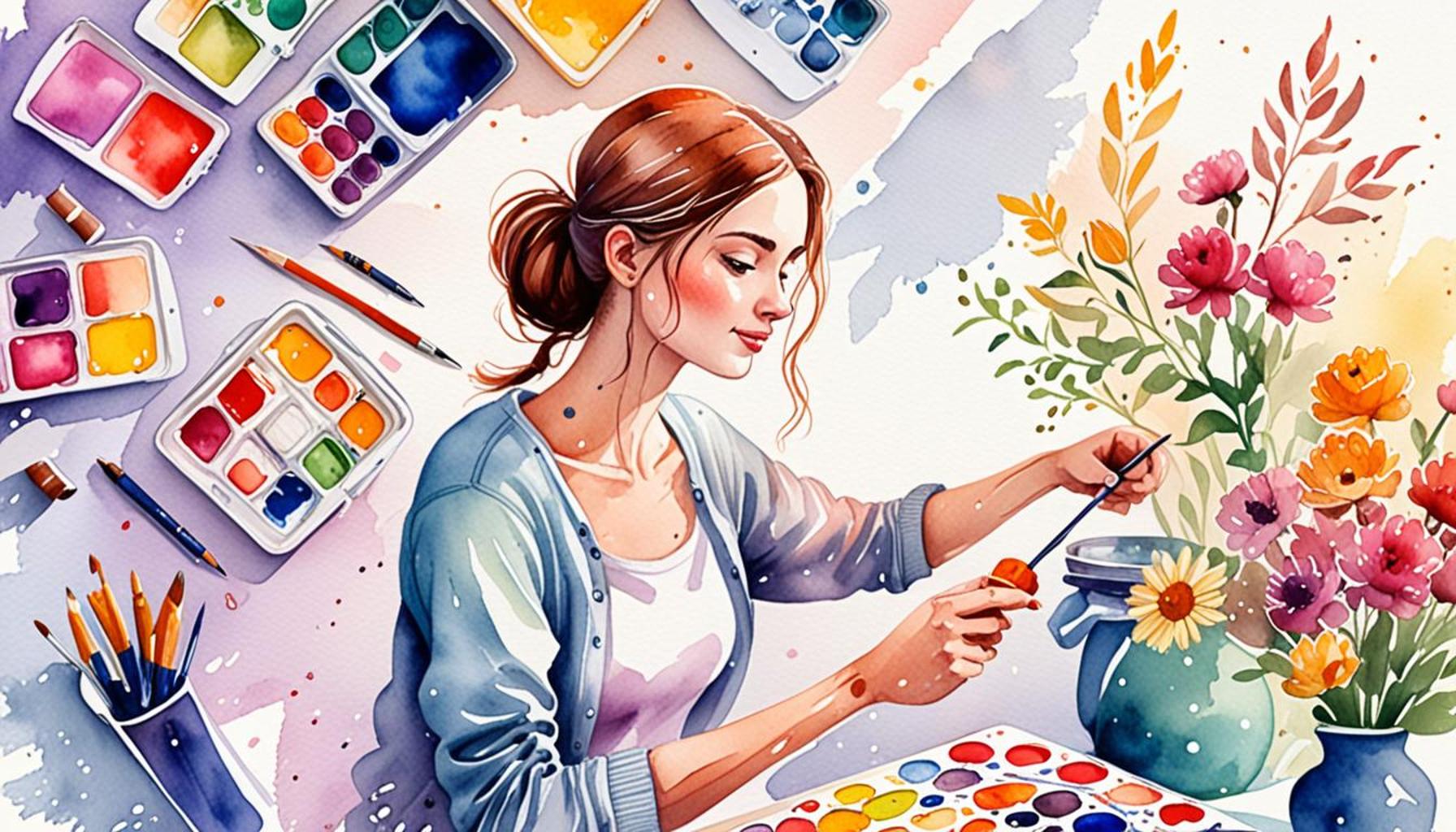
The Importance of Cultivating Self-Discipline Through Creativity
In an era where technology is constantly vying for our attention and distractions seem endless, cultivating self-discipline and persistence has never been more essential. One of the most effective avenues for this personal development lies in engaging with creative hobbies. These activities serve not only as a pleasurable escape but as practical platforms to strengthen core life skills. Let us delve into how creative pursuits can significantly enhance self-discipline and persistence.
Focus and Commitment
Creative hobbies demand a level of concentration that is often hard to achieve in our multitasking society. Whether it’s playing an intricate piece on the piano or meticulously arranging a complex set of photographs for a project, engagement with these activities teaches individuals to maintain attention on a single task. For instance, focusing on a canvas while painting requires an artist to block out distractions and fully immerse themselves in the creation process, which in turn builds mental stamina and commitment.
Goal Setting
Participating in creative endeavors naturally encourages goal setting. For example, completing a novel involves setting tangible milestones—such as daily word counts or chapter completions—which guide the writer towards their ultimate objective of publication. Similar goals can be observed in activities like knitting, where one might aim to finish a scarf by a certain date. This practice of establishing and pursuing goals cultivates discipline, providing a clear pathway to accomplishment.
Emotional Resilience
The creative process often comes with its unique set of challenges. Artists may face creative blocks, musicians might struggle with mastering difficult techniques, and writers can encounter criticism. Overcoming these hurdles builds emotional resilience, making it easier for individuals to navigate setbacks in other areas of life. For example, an aspiring author who receives rejection letters learns to persist and refine their craft, developing a mindset that embraces change and challenges.
Enhancing Everyday Skills
Beyond focus and emotional resilience, engaging in creative hobbies can significantly improve time management skills. Balancing creative projects with daily responsibilities—like work or family obligations—forces individuals to prioritize tasks effectively. Consider a full-time worker who dedicates evenings and weekends to songwriting; this balancing act sharpens their time management as they juggle multiple commitments while still nurturing their artistic passions.
- Problem-Solving Abilities: Creative pursuits often present problems that require innovative thinking. Whether it’s figuring out how to fix a broken guitar string mid-performance or adjusting an art piece to hit the right emotional note, these challenges reinforce persistence through creative solutions.
- Confidence Building: There’s a profound sense of accomplishment that comes with completing creative projects. Each finished work—be it a ceramic vase or a crafted furniture piece—builds self-esteem, encouraging individuals to take on more significant challenges in the future. A musician who delivers a successful live performance, for instance, may feel empowered to book larger gigs or collaborate with other artists.
By immersing oneself in various creative ventures, individuals can unlock doors to personal growth and development. The journey through creativity offers not just a pathway to self-expression, but also a structured route to becoming more disciplined and persistent. Embracing this world of possibilities could ultimately lead to new and fulfilling life experiences. Unlock your creative potential today, as the journey of self-discovery awaits!
DIVE DEEPER: Click here to discover how nature inspires creativity
Building Core Skills Through Creative Expression
Engaging in creative hobbies not only provides an avenue for self-expression but also serves as a powerful tool for developing vital life skills such as self-discipline and persistence. These qualities are often cultivated through the trials and triumphs of creative endeavors. When individuals take on artistic pursuits, they invariably encounter challenges that require dedication and a steadfast approach. Understanding how these hobbies can foster such essential characteristics is both enlightening and invaluable.
Mastery and Repetition
One of the hallmarks of creativity is the journey toward mastery, and this journey necessitates a considerable amount of practice and repetition. Musicians, for instance, spend countless hours honing their craft to achieve proficiency in playing instruments. This practice isn’t merely a routine; it reflects a commitment to improvement and a desire to overcome obstacles. When a guitarist struggles to master a complex chord progression, they learn the art of patience and determination. Each small success, such as perfectly executing a tricky sequence, reinforces the notion that persistence pays off. This path to mastery, characterized by sustained effort, embeds self-discipline as a core component of the creative process.
Community and Collaboration
Many creative hobbies foster communal engagement, which can further enhance self-discipline and persistence. Being part of a writing group or a community theatre collective exposes individuals to constructive feedback and a support network that can help motivate them. For instance, a painter might gather with fellow artists to share their work and receive critiques, driving them to refine their techniques and concepts. This social aspect not only nurtures accountability but also solidifies a person’s commitment to their creative journey. Knowing that others are invested in one’s progress can be a powerful motivator for maintaining discipline and pushing through challenges.
Time Management and Consistency
Engagement in creative hobbies often requires setting aside specific times to practice, creating a routine that demands time management skills. This facet is particularly relevant for those balancing creative pursuits with professional duties or family life. Consider an aspiring writer who sets aside a few hours every week specifically for writing. This commitment doesn’t just serve the purpose of productivity; it instills a sense of regularity and discipline that carries over into other aspects of life. The ability to carve out time for artistic expression amidst a busy schedule fosters a structured approach to tackling personal and professional challenges.
- Improved Concentration: As individuals repeatedly engage with their craft, they develop a heightened ability to focus on tasks. This concentration is critical in achieving goals, ultimately contributing to long-term commitment.
- Process Orientation: Creative hobbies teach individuals to value the process over the product. Understanding that creativity involves trial and error nurtures a mindset that champions persistence.
- Achievement Recognition: Completing creative projects—no matter the scale—provides an opportunity to acknowledge one’s achievements. This recognition boosts self-esteem and reinforces the desire to pursue further challenges.
Through the lens of creativity, individuals can explore and expand their capacity for self-discipline and persistence. With each brush stroke, note played, or sentence crafted, they engage in a transformative journey that not only enhances their creative skills but also prepares them to handle life’s myriad challenges with resilience and determination. Embracing creativity as a core component of personal development is not just enriching—it’s essential.
| Category | Details |
|---|---|
| Time Management | Engaging in creative hobbies requires setting a schedule, which enhances time management skills. |
| Goal Setting | Creative pursuits encourage individuals to establish clear goals, fostering persistence in achieving these targets. |
| Focus and Concentration | Creative hobbies demand sustained attention, which can significantly improve focus and concentration over time. |
| Resilience | Facing challenges in creative projects nurtures a sense of resilience and adaptability. |
Creativity has an undeniable link to the cultivation of self-discipline and persistence. Participating in creative hobbies not only provides an outlet for personal expression but also builds essential life skills. As individuals commit time to refine their craft, they inherently learn to manage their schedules effectively, leading to better time management. This structured approach enhances focus and encourages the setting of achievable goals, which ultimately instills a sense of accomplishment and motivation.Moreover, creative endeavors often present obstacles, compelling participants to confront challenges. This aspect promotes resilience and a growth mindset, vital components for nurturing persistence in various life domains. Engaging fully in creative pursuits requires individuals to cultivate not just their artistic skills but also vital personal characteristics. As one immerses themselves in their creative journey, they’re likely to gain a more profound appreciation for the rigorous yet rewarding path of self-improvement. This journey is an enriching experience that furthers both personal and professional growth, influencing how one approaches challenges beyond their hobbies.
DIVE DEEPER: Click here to discover more
Transformational Learning Through Creative Pursuits
The impact of creative hobbies extends beyond mere enjoyment; they provide a platform for transformational learning, where self-discipline and persistence are not only encouraged but necessary for progress. This learning process unfolds in multifaceted ways, manifesting through experimentation, goal setting, and resilience.
Experimentation and Adaptability
Engaging in creative activities often requires a willingness to experiment and adapt, which are fundamental elements of self-discipline. Artists, writers, or anyone indulging in a creative pursuit must continually push beyond their comfort zones to explore new techniques, styles, or ideas. For example, a sculptor may begin with one material but ultimately chooses to try clay, wood, or metal to achieve a desired effect. Each attempt encompasses a series of failures and successes, teaching the individual that persistence is key to mastering new forms of expression. This adaptability reinforces the notion that discipline isn’t just about following a plan but embracing the potential for change in the creative process.
Setting and Achieving Goals
Creative hobbies often encourage individuals to set both short-term and long-term goals, further cultivating self-discipline. A photographer may aim to capture a specific theme over a month, leading to a structured schedule that promotes responsible time allocation. This practice not only provides a clear roadmap but also fosters accountability. Through goal achievement, individuals can measure their progress, and this recognition of small milestones strengthens their resolve to tackle more ambitious projects in the future. For instance, a budding novelist might challenge themselves to write a certain number of pages every day, fostering diligence that parallels their growth as a writer.
Resilience in the Face of Criticism
Another critical aspect of cultivating self-discipline and persistence through creative hobbies lies in the handling of criticism. Creative ventures frequently expose individuals to external feedback, whether from peers, mentors, or audiences. An aspiring dancer may perform in front of a crowd and face constructive criticism after the show. Rather than being deterred, effective creators learn to view critiques as opportunities for growth. This resilience, cultivated through repeated exposure to feedback, enhances their commitment to improvement. The ability to persist despite criticism is a valuable trait that extends beyond creative fields into personal and professional realms.
- Increased Flexibility: Adapting creatively nurtures the ability to shift tactics and approaches, fostering flexibility and resilience in overcoming obstacles.
- Time Dedication: Establishing consistent schedules reinforces the importance of dedicating time and energy to the craft, which is critical for developing self-discipline.
- Encouragement of Risk-Taking: Engaging in creative endeavors encourages individuals to take risks, fostering a mindset that values exploration and innovation.
The confluence of experimentation, goal setting, and resilience illustrates the multifaceted benefits of creative hobbies in developing self-discipline and persistence. By immersing oneself in the creative process, individuals not only hone their artistic abilities but also unlock personal growth, making these pursuits integral to a well-rounded life.
DISCOVER MORE: Click here to learn about the therapeutic benefits of artistic expression
Conclusion: The Power of Creative Hobbies for Personal Growth
In summary, the journey through creative hobbies offers far more than just a pleasurable escape; it serves as a robust framework for developing self-discipline and persistence. As individuals engage with their chosen creative outlets—be it painting, writing, or crafting—they cultivate essential life skills that enhance their overall well-being. The process of experimenting encourages adaptability, while structured goal-setting instills a sense of accountability. Moreover, facing and overcoming criticism fosters resilience, equipping individuals to tackle future challenges both inside and outside their creative endeavors.
Additionally, this dynamic interplay between creativity and discipline illustrates the significant role that hobbies play in personal and professional development. Creative pursuits empower individuals to embrace risk-taking, adapt to change, and dedicate necessary time to their passions, which are all vital attributes in today’s fast-paced world. As research continues to underscore the benefits of creative engagement, it is vital for you to explore how integrating a hobby into your daily routine could transform your approach to challenges.
Ultimately, by recognizing the profound influence of creative hobbies on self-discipline and persistence, individuals can embark on a rewarding journey toward self-discovery and growth. So why not take some time today to dive into a creative activity that piques your interest? You might find that this simple act could lead to profound personal transformation.
Related posts:
Exploring the Connection between Creative Hobbies and Memory and Learning Improvement
The Practice of Sustainable Crafts: Developing Skills while Contributing to the Environment
How Creative Hobbies Can Enhance Adaptability in Challenging Situations
The Influence of Creative Hobbies on Improving Concentration and Attention
The Role of Creative Hobbies in Building a Growth Mindset
Exploring the Art of Photography: How the Habit of Capturing Images Can Enrich Your Creative Skills

Linda Carter is a writer and creative hobbies expert specializing in crafting, DIY projects, and artistic exploration. With extensive experience helping individuals discover their creative potential and bring their ideas to life, Linda shares her knowledge on our platform. Her goal is to empower readers with practical tips, inspiring ideas, and step-by-step strategies for success in the world of creative hobbies.