How Creative Hobbies Can Enhance Adaptability in Challenging Situations
The Importance of Creative Engagement
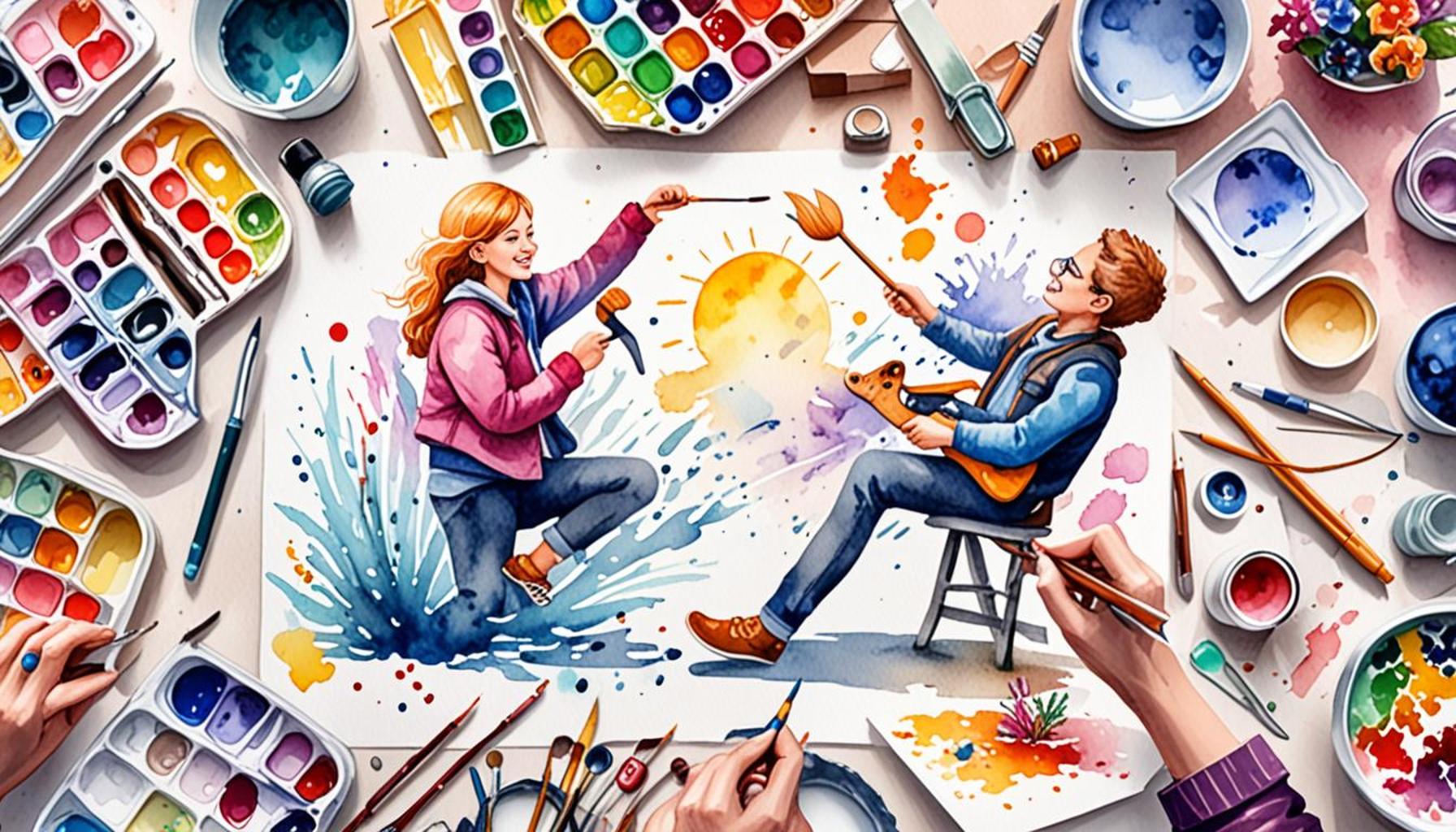
In the relentless pace of modern life, the capacity to navigate unexpected challenges is no longer a luxury but a necessity. Engaging in creative hobbies offers more than just a break from the daily grind; it serves as a catalyst for developing essential skills that enhance one’s ability to adapt. Creativity, therefore, becomes a powerful tool that can significantly shape our personal and professional lives.
Developing Problem-Solving Skills
One of the standout benefits of pursuing creative activities is the enhancement of problem-solving abilities. Through artistic endeavors like photography or writing, individuals are often faced with challenges that require innovative solutions. For instance, when painting, an artist may find that the chosen colors clash; rather than discarding the work, they might experiment with a complementary color. This kind of thinking encourages individuals to explore various angles in life’s challenges, fostering a mindset adept at navigating obstacles.
Building Emotional Resilience
Creative hobbies also contribute immensely to emotional resilience. Activities such as pottery or crafting serve as outlets for self-expression, allowing individuals to channel their emotions healthily. According to numerous studies, engaging in these therapeutic hobbies can lower anxiety levels and promote mental well-being. A classic example is the growth of adult coloring books, which have gained popularity in the U.S. for their calming effects, enabling people to unwind and express their creativity simultaneously.
Fostering Social Connections
Moreover, when pursuing interests with others, individuals can strengthen social connections. For instance, joining a community choir or a local knitting group not only enhances skills but also fosters a sense of belonging. Participants share experiences, provide support, and celebrate each other’s creativity, forming bonds that are essential during challenging times. This community aspect is especially relevant in a society where feelings of isolation can often set in.
Popular Hobbies that Cultivate Adaptability
There are several popular hobbies that are not only enjoyable but also significantly boost adaptability:
- Painting: Beyond mere self-expression, painting encourages experimentation and the acceptance of imperfections, teaching valuable life lessons about embracing change.
- Music: Whether it’s playing an instrument or participating in group classes, music enhances collaboration skills and fosters emotional intelligence, both of which are vital in personal and professional contexts.
- Gardening: This hobby teaches patience as one navigates the unpredictability of nature, from pests to weather issues, providing valuable life lessons in resilience.
As individuals immerse themselves in these activities, they discover a wealth of transferable skills that extend beyond the realm of their hobbies. Each brushstroke, musical note, or uprooted weed serves as a stepping stone toward developing a robust adaptability that prepares them for life’s myriad uncertainties.
Investing time in creativity doesn’t just embellish our lives; it can lead to profound personal growth, equipping us with the tools necessary to thrive in an ever-changing world. So, take up that paintbrush, learn that instrument, or dig into that garden. The transformative power of creativity awaits.
DISCOVER MORE: Click here to delve deeper
Unleashing Imagination in Times of Change
In an ever-evolving landscape, where change is the only constant, the challenge of adapting becomes paramount. Engaging in creative hobbies provides individuals the opportunity to explore new ways of thinking and problem-solving. This is not merely about pursuing personal interests; it is about fostering adaptability that can be crucial in both personal hardships and professional upheavals.
The Science Behind Creativity and Adaptability
Research consistently shows a connection between creativity and adaptability. A study published in the Journal of Creative Behavior points to the fact that engaging in creative endeavors can enhance cognitive flexibility — our ability to switch between thinking about different concepts and to think about multiple concepts simultaneously. This cognitive skill is essential in navigating life’s unpredictability. For instance, individuals who draw or paint often learn to observe their surroundings keenly, assess the situation from various perspectives, and innovate their methods, which subsequently translates into a more adaptable mindset.
Embracing Imperfection and Failure
Another intriguing aspect of creative hobbies is the emphasis on embracing imperfection and learning from failure. Activities like writing or sculpting inherently involve trial and error. A budding author may discard multiple drafts before finding their voice, while a potter might reshape a flawed piece multiple times until it meets their vision. This process teaches resilience and patience—key components of adaptability. Accepting that not every attempt will yield perfection prepares individuals to face the realities of setbacks in all areas of life.
Transformative Creative Outlets
Numerous creative hobbies have been identified as particularly impactful in enhancing adaptability. Here are a few noteworthy options:
- Photography: Capturing life’s fleeting moments teaches photographers to be present and adaptable to changing environments, weather conditions, and lighting.
- Writing: Whether journaling or crafting stories, writers learn to navigate emotions, ideas, and narratives, cultivating flexibility in their thoughts.
- Dance: This art form not only promotes physical health but also encourages spontaneity and the ability to adjust to unexpected rhythms.
By participating in these creative outlets, individuals create a foundation of adaptability that can be applied to various situations. Each moment spent engaging in a hobby serves as practice for the unpredictable nature of life. This practice encourages a mindset that fosters growth, resilience, and an unwavering capacity to adapt to changing circumstances.
In essence, embracing creative hobbies is not just about pursuing interests; it is an investment in a more adaptable future. The skills learned through these pursuits extend far beyond their immediate context, empowering individuals to confidently face whatever challenges life throws their way.
How Creative Hobbies Can Enhance Adaptability in Challenging Situations
Engaging in creative hobbies not only brings joy and fulfillment but also serves as an effective tool to enhance adaptability in the face of challenges. Research has shown that individuals who actively pursue creative outlets tend to exhibit greater resilience when confronted with adversity. This resilience is rooted in a variety of factors, including improved problem-solving skills, enhanced emotional regulation, and increased flexibility in thinking.
For instance, activities such as painting, crafting, or playing a musical instrument require individuals to navigate uncertainties. In these creative endeavors, individuals often face setbacks, whether it be a canvas that does not turn out as envisioned or a musical piece that is difficult to master. Such experiences foster a mindset that embraces failure as a learning opportunity, encouraging adaptability in other areas of life. This proactive approach can significantly transform how one copes with challenges, enhancing overall well-being.
| Advantages | Description |
|---|---|
| Enhanced Problem-Solving Skills | Creative hobbies promote out-of-the-box thinking. |
| Emotional Regulation | These activities help manage stress and anxiety, fostering a calm mindset. |
Moreover, studies indicate that engaging in creative activities allows individuals to express themselves, which can serve as an emotional outlet during turbulent times. By channeling emotions into art or crafts, one can gain insights into their feelings and thus develop a stronger sense of self-awareness. Furthermore, these hobbies build a supportive community, offering social connections that can provide comfort and encouragement in difficult situations.
As we delve deeper into the myriad of benefits that creative hobbies offer, it’s clear that they provide invaluable resources for nurturing adaptability. Whether exploring new artistic techniques or collaborating with others, the journey through creativity not only cultivates skills but also fortifies the spirit to face life’s unpredictability.
DIVE DEEPER: Click here to uncover the emotions behind abstract art
Building Social Connections Through Creativity
Beyond the individual benefits, creative hobbies also promote social interactions that are vital for adaptability. Engaging in group activities — such as community theater, pottery classes, or writing workshops — cultivates collaboration and communication skills. When people come together to share ideas, critique each other’s work, or participate in brainstorming sessions, they learn to navigate different personalities and perspectives. These social dynamics foster a stronger capacity for adaptability as individuals become more attuned to the needs of others, making it easier to adjust their approaches in collaborative environments.
The Role of Creative Communities
Participating in creative communities can provide a support system during challenging times. For instance, craft clubs or local art galleries often serve as hubs where people share experiences and provide encouragement. A 2021 report from the National Endowment for the Arts stated that community arts programs are directly linked to a greater sense of belonging among participants. This sense of connection can bolster psychological resilience, making it easier for individuals to cope with stress and embrace change when they feel backed by a supportive network.
Adapting Skills from Creative Hobbies to Real-World Challenges
The skills developed through creative hobbies translate effectively to a variety of real-world scenarios. For example, improvisation in theater performances enhances quick thinking and resourcefulness. Actors must adapt their performances based on audience reactions and unforeseen circumstances, such as technical errors or unexpected script changes. Such experiences can lead to improved crisis management skills in personal and professional situations.
Similarly, engaging in culinary arts requires one to pivot quickly, whether by changing ingredients on a whim or adjusting cooking techniques based on the materials available. Chefs often have to think on their feet, leading to an increased capacity for adaptability in their everyday lives. Surveys indicate that people with culinary skills feel more confident when facing household challenges, from last-minute dinner plans to managing dietary restrictions.
The Reflective Nature of Creative Practices
Moreover, the reflective nature of many creative hobbies promotes personal growth and insight. Activities such as journaling allow individuals to process emotions and examine their feelings regarding change and uncertainty. This self-reflection is crucial, providing a space to identify strengths, recognize areas for improvement, and formulate strategies to navigate difficult situations effectively.
In educational settings, creative assignments like project-based learning encourage students to apply concepts flexibly and innovatively. During these projects, students often collaborate, brainstorm, and defend their choices, all of which enhance their adaptability. Research from the educational field has shown that students who engage in this kind of hands-on learning fare better in unpredictable environments, exhibiting resilience when faced with unexpected challenges.
Ultimately, the act of engaging in creative hobbies nurtures a holistic approach to adaptability. As individuals learn to express themselves creatively, connect with like-minded people, and navigate challenges successfully, they build a valuable toolkit. This toolkit can be drawn upon in moments of crisis, enabling them to adjust, re-strategize, and thrive, no matter the situation.
DIVE DEEPER: Click here to discover the art of photography</
Conclusion: Cultivating Resilience Through Creativity
In a world characterized by rapid change and unpredictability, creative hobbies emerge as powerful tools for enhancing adaptability in challenging situations. Whether through the collaborative nature of community art projects, the quick-thinking demands of improvisation, or the reflective practices found in journaling, these hobbies equip individuals with the skills necessary to navigate life’s complexities. Engaging in creative expression fosters a sense of belonging and community support, which is instrumental in building psychological resilience.
The ability to pivot, innovate, and reflect, honed through creative pursuits, is indispensable. A 2023 study from the American Psychological Association highlights that engaging in creative activities can significantly lower stress levels and improve coping strategies during crises. Thus, those who embrace creativity not only enrich their personal lives but also fortify their capacity to adapt in professional and social environments.
As we embrace the inherent uncertainties of life, creative hobbies stand out as essential conduits for personal growth and social connection. By nurturing these practices, individuals prepare themselves to think critically, act decisively, and thrive amidst change. In essence, integrating creative hobbies into our daily lives is not merely about artistic expression; it’s about cultivating a mindset that embraces flexibility and embraces challenges as opportunities for growth. By continuing to encourage and participate in creative endeavors, we can enhance our adaptability and resilience in an ever-evolving world.
Related posts:
How Creative Hobbies Can Help Overcome Personal Challenges
Exploring the Art of Photography: How the Habit of Capturing Images Can Enrich Your Creative Skills
Boost Skills with Creative Hobbies Enhance Personal Professional Growth
Creative Hobbies Enhance Emotional Social Skills Development
Exploring the Relationship Between Creative Hobbies and Emotional Intelligence Development
How Creative Hobbies Can Foster Self-Discipline and Persistence

Linda Carter is a writer and creative hobbies expert specializing in crafting, DIY projects, and artistic exploration. With extensive experience helping individuals discover their creative potential and bring their ideas to life, Linda shares her knowledge on our platform. Her goal is to empower readers with practical tips, inspiring ideas, and step-by-step strategies for success in the world of creative hobbies.