Exploring the Connection between Creative Hobbies and Memory and Learning Improvement
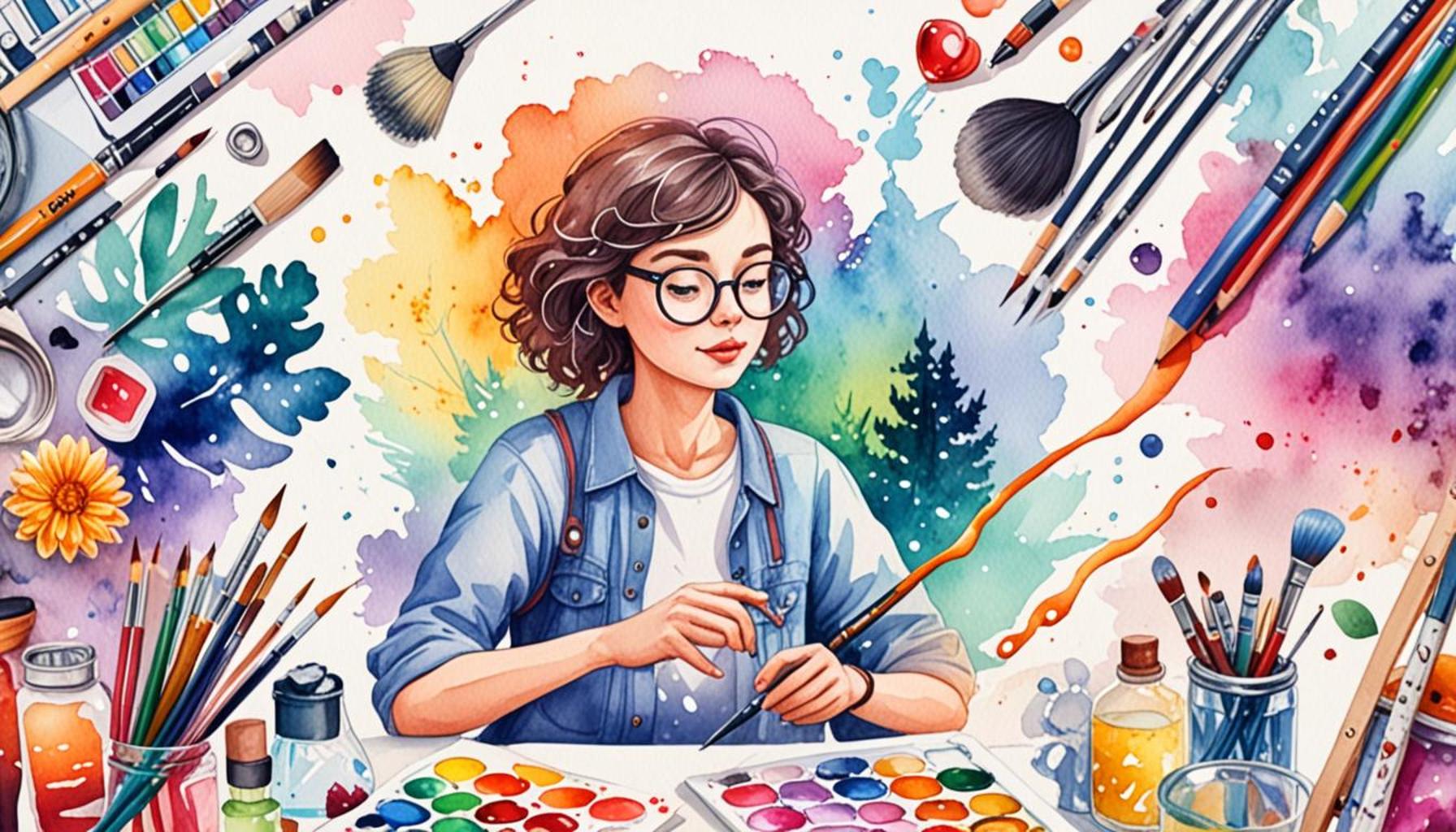
Unlocking the Mind’s Potential
In an era where cognitive performance is highly valued, unlocking the secrets of our brain’s functionality, particularly in relation to creativity, can provide significant insights. Emerging research posits that engaging regularly in creative hobbies such as painting, writing, or playing a musical instrument can enhance both memory and learning capabilities. This correlation prompts an essential inquiry: are these creative activities effective instruments for cognitive development?
The Benefits of Creativity
Creative pursuits extend far beyond mere entertainment; they serve as vital tools to stimulate brain activity in several insightful ways:
- Enhances Neuroplasticity: Participating in creative exercises encourages neuroplasticity, which is the brain’s remarkable ability to reorganize itself by forming new neural pathways. Studies have shown that musicians, for instance, display heightened connectivity between various brain regions, which can lead to improved mental flexibility.
- Improves Memory Retention: The process of creating art or music can help reinforce information in long-term memory. For example, a study conducted by researchers at the University of Texas revealed that participants who engaged in creative tasks reported better retention of the material they were studying compared to those who did not.
- Boosts Problem-Solving Skills: Engaging in creative thinking can illuminate new perspectives on challenges. Activities like brainstorming or writing can encourage divergent thinking, allowing individuals to connect seemingly unrelated concepts, which is a vital skill in problem resolution.
The intersection between creative hobbies and cognitive health is garnering attention from scholars and enthusiasts across various fields. This relationship suggests that by fostering creativity, we may enhance not only our enjoyment in life but also our mental capabilities. Consider, for instance, the case of seniors participating in art therapy. Research indicates that older adults who engage in creative activities show a significant decline in cognitive decline, highlighting the protective effects of creativity on aging brains.
What Lies Ahead
As we navigate through this exploration, this article will delve into compelling evidence and personal testimonies that underscore the profound impacts of creative hobbies on memory and learning. From adults finding solace in knitting to children experimenting with music, these activities present unique opportunities for cognitive enhancement. Join us as we uncover how embracing small acts of creativity can yield substantial benefits for our mental agility and overall cognitive well-being.
DIVE DEEPER: Click here to discover more about how nature fuels creativity
Understanding the Mechanisms at Play
When we engage in creative hobbies, a series of cognitive processes are activated that can significantly contribute to memory and learning enhancement. This phenomenon can be understood through various mechanisms that underscore the value of artistic expression in cognitive development.
Certainly, Artistic Expression Engages the Brain
At the core of the connection between creative hobbies and cognitive improvement is the central role of artistic expression in activating different areas of the brain. Engaging in activities like painting, crafting, or playing music does not merely involve the physical act of creation; it also stimulates numerous cognitive functions, including:
- Memory Recall: Creative activities often require recalling techniques, styles, or lyrics, activating memory pathways that strengthen recall abilities.
- Attention and Focus: Concentrating on detailed tasks, such as intricate painting or writing, fosters improved attention spans, a skill crucial for effective learning.
- Emotional Expression: The power of creativity to convey feelings can aid in emotional regulation, enhancing overall mental health and creating a stable environment for learning.
Research indicates that engaging in these creative processes can lead to improved outcomes in academic and professional settings. A groundbreaking study published in the Journal of Aging and Health found that older adults who participated in regular creative activities experienced a 40% slower decline in memory function compared to their non-creative peers. This significant difference showcases how creativity can serve as a protective cognitive factor against aging.
Creative Hobbies as Cognitive Exercise
Furthermore, creative hobbies function as a form of cognitive exercise that can complement traditional learning strategies. When individuals engage in painting or music composition, they not only nurture their creative instincts but also strengthen important cognitive skills necessary for learning. These skills include:
- Critical Thinking: By evaluating the effectiveness of their creative choices, individuals develop the ability to analyze and draw conclusions, which is essential for academic success.
- Collaboration: Many creative pursuits are social activities, fostering teamwork and communication. These experiences are invaluable in a collaborative learning environment.
- Resilience: Navigating the iterative processes of creation, including failures and revisions, instills resilience and adaptability, traits that are essential for lifelong learning.
This synergy between creative hobbies and cognitive advantages lends itself to exciting implications not just for individuals but also for educational institutions seeking to optimize learning environments. As schools increasingly acknowledge the importance of creativity, they may discover that fostering artistic expression can lead to enhanced student performance and satisfaction. The question remains: how can we leverage this understanding to reshape learning approaches effectively?
| Advantage | Details |
|---|---|
| Enhanced Cognitive Function | Engaging in creative hobbies stimulates brain regions associated with memory and learning. |
| Stress Relief | Creative activities help in reducing stress, which can otherwise impair cognitive functions. |
Engaging in creative hobbies like painting, writing, or playing musical instruments can significantly improve cognitive functions. When individuals immerse themselves in these activities, they not only explore their imagination but also enhance areas of the brain responsible for memory retention and learning efficiency. Research indicates that the brain’s neuroplasticity—the ability to reorganize itself by forming new neural connections—can be positively influenced through sustained engagement in creativity.Moreover, creative pursuits offer stress relief, which is crucial for optimal brain function. Chronic stress, often a barrier to effective learning and memory, can be mitigated through hobbies that promote relaxation. The act of creating can serve as a form of meditation, allowing individuals to focus their minds and reduce anxieties. By fostering an environment where creativity thrives, individuals can support cognitive health and propel their learning journeys forward.
DISCOVER MORE: Click here to unlock the power of journaling
The Role of Mindfulness in Creative Pursuits
Another pivotal aspect linking creative hobbies to improved memory and learning capabilities is the practice of mindfulness that often accompanies artistic activities. Mindfulness, characterized by being present in the moment and fully engaged in one’s surroundings, plays a significant role in enhancing cognitive function. When individuals immerse themselves in creative endeavors like pottery or writing, they often enter a state of flow, where time seems to dissolve and focus sharpens, thereby bolstering their ability to absorb information.
Meditative Benefits of Creative Expressions
Engaging in creative hobbies provides inherently meditative benefits that foster cognitive clarity. The meditative nature of these activities can lead to:
- Stress Reduction: Numerous studies have shown that engaging in creative activities can lower cortisol levels, the hormone associated with stress. Reduced stress is conducive to improved cognitive function and memory retention, opening the mind to new information.
- Enhanced Problem-Solving: The focus required in artistic endeavors promotes divergent thinking, which is critical for innovative problem-solving. This ability to approach issues creatively has direct implications for academic and personal challenges.
- Improved Emotional Well-being: Creative hobbies enable self-expression, helping individuals process emotions that can interfere with learning. Emotional stability is essential for a conducive learning atmosphere, allowing students to focus and retain information effectively.
According to a report from the American Psychological Association, those who regularly engage in creative activities report lower levels of anxiety and depression. As mental health improves, so does the ability to learn and remember, affirming the interconnected nature of these brain functions.
Cultural and Community Dimensions of Creativity
The societal and cultural contexts in which creative hobbies are pursued also play a vital role in enhancing memory and learning. Participating in group activities such as choir singing, community theater, or art classes not only enriches one’s creative experiences but fosters community ties that further enrich cognitive development. These cultural dimensions offer:
- Social Learning Opportunities: Creative pursuits often involve sharing knowledge and skills among participants. This social interaction promotes communal learning, where individuals can learn from one another’s experiences, enhancing understanding and retention of new concepts.
- Diverse Perspectives: In multi-genre creative environments or collaborative projects, exposure to various artistic styles and approaches expands cognitive frameworks and strengthens adaptability. Such diversity encourages critical thinking and reduces cognitive rigidity, essential traits for effective learning.
- Legacy and Tradition: Engaging in culturally rich creative hobbies can help individuals connect with history and heritage, providing a sense of identity that enhances memory. Cultural narratives and practices can serve as mnemonic devices, making information more relatable and easier to recall.
Investing time in creative hobbies not only nurtures an individual’s inventive side but also develops and reinforces memory and learning capabilities. This dynamic interplay is not only of interest to cognitive scientists but also highlights practical applications for educators seeking innovative methods to strengthen academic engagement and holistic development in students. As we explore further, a question surfaces: how might we harness these robust connections between creativity and cognition to transform educational approaches and societal attitudes towards creative pursuits?
DIVE DEEPER: Click here to discover more about folk art
Conclusion: Unlocking the Power of Creativity for Cognitive Growth
Exploring the intricate relationship between creative hobbies and enhancements in memory and learning reveals a fascinating landscape where artistry and cognitive science converge. As outlined, the incorporation of creative pursuits into daily life not only fosters mindfulness but also paves the way for cognitive clarity and emotional wellbeing. Engaging in activities such as painting, dancing, or writing not only instills a sense of accomplishment but also boosts problem-solving skills vital for both academic achievement and personal growth.
Moreover, the cultural and community aspects intertwining with creative endeavors enhance learning through social interactions and exposure to diverse perspectives. These communal efforts underline the importance of shared experiences in cognitive development, highlighting the multifaceted advantages of creativity. Individuals engaged in group activities not only cultivate their artistic expressions but also strengthen their cognitive frameworks, fostering an environment where learning becomes a shared journey.
As the evidence continues to mount in favor of the cognitive benefits stemming from creative hobbies, educators, policymakers, and individuals must rethink traditional approaches to learning. Embracing the synergy between creativity and cognition may yield groundbreaking strategies to elevate educational practices. In conclusion, incorporating creative endeavors into our routines is not merely an indulgence; it is an essential investment in our cognitive capabilities, paving the way for a future where creativity and learning flourish together. The question remains: how can we collectively champion these creative pursuits to transform not just our educational systems but also the way we perceive learning in our connected communities?
Related posts:
The Practice of Sustainable Crafts: Developing Skills while Contributing to the Environment
How Creative Hobbies Can Help Overcome Personal Challenges
How Creative Hobbies Can Foster Self-Discipline and Persistence
The Influence of Creative Hobbies on Improving Concentration and Attention
How the Practice of Creative Hobbies Can Boost Self-Esteem and Personal Confidence
How Creative Hobbies Can Enhance Adaptability in Challenging Situations

Linda Carter is a writer and creative hobbies expert specializing in crafting, DIY projects, and artistic exploration. With extensive experience helping individuals discover their creative potential and bring their ideas to life, Linda shares her knowledge on our platform. Her goal is to empower readers with practical tips, inspiring ideas, and step-by-step strategies for success in the world of creative hobbies.