Exploring Traditional Games as Forms of Art and Cultural Connection
The Enduring Significance of Traditional Games
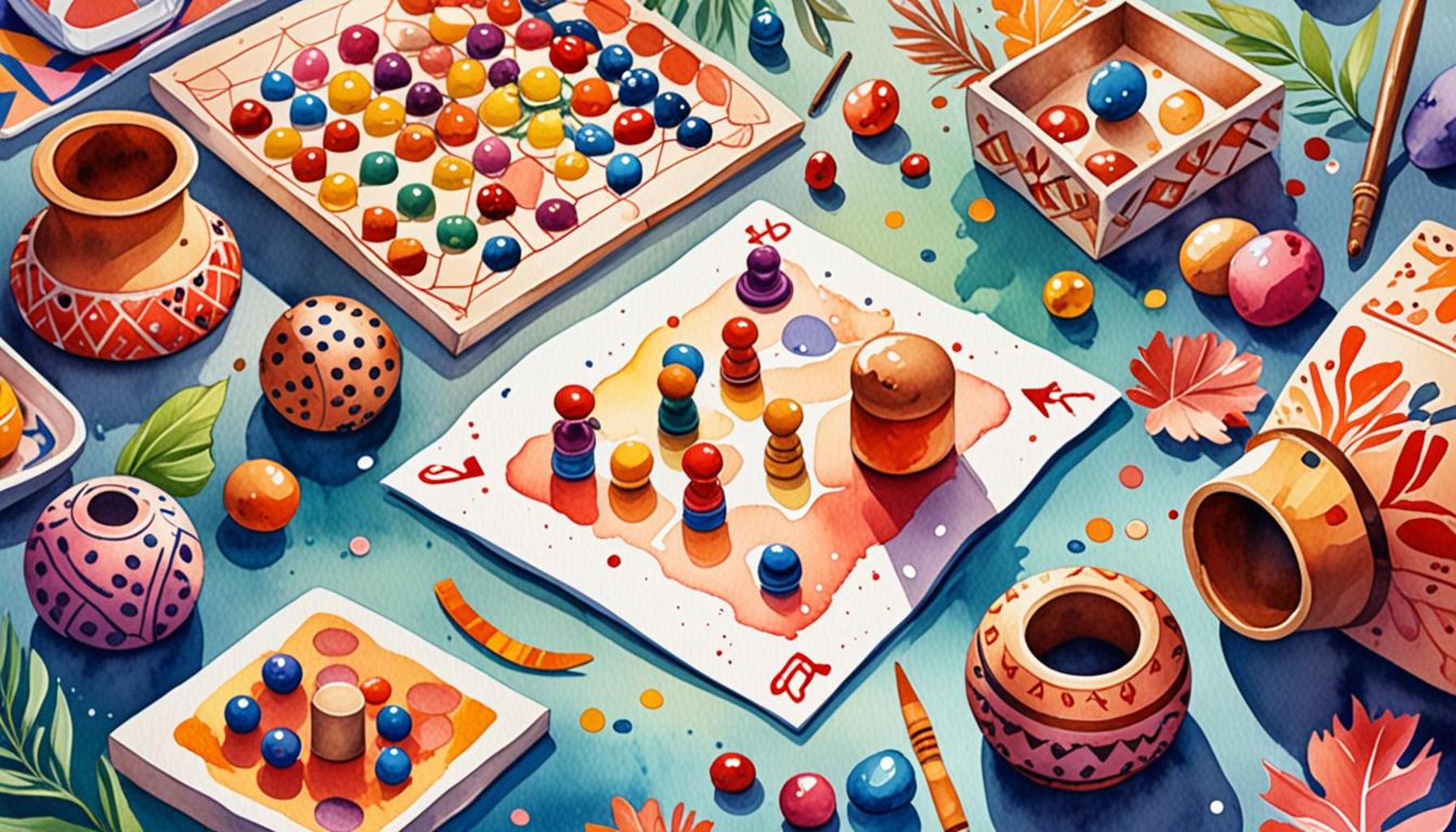
Across generations, traditional games have served as more than mere pastimes; they are vibrant reflections of culture and art. These games encapsulate rich histories and community values, fostering connections among players while showcasing creativity. In many cultures, they play a crucial role in reinforcing social networks and embodying shared experiences that can last a lifetime.
Artistic Expression
From the crafting of game pieces to the design of playing fields, traditional games often incorporate local art forms. For example, the hand-painted stones used in the Native American game of hóckey or the intricately designed boards of pachisi in India exemplify how art and play can converge. Each game not only serves a functional purpose but also showcases the artistic talents and cultural aesthetics of its people, reflecting regional materials and techniques passed down through generations.
Cultural Narratives
Each game carries stories, customs, and rituals that reveal a community’s identity and beliefs. Consider the game of tag, which has variations all around the world, from the simple game of chase to more complex forms like freeze tag or spud. Each adaptation often tells a story about the community that plays it, highlighting cultural norms and values such as teamwork, respect, and competition. Similarly, the history behind lacrosse showcases its origins among Native American tribes where it was not just a game but a spiritual endeavor, emphasizing the connection between the physical and the sacred.
Social Connections
Engaging in these games strengthens bonds among community members, bridging generational gaps. In neighborhoods across the United States, family gatherings often revolve around games like bocce ball or cornhole, where laughter and competition foster camaraderie and reinforce familial ties. These shared experiences not only keep traditions alive but also educate younger generations on cultural values and community history.
As we dive deeper, we find that traditional games often adapt over time, merging influences from various cultures. The evolution of games like pétanque in France or the American adaptation of cricket reflects both historical context and modern societal values, showing how play can be a unifying force across cultures.
In a world increasingly dominated by digital entertainment, the importance of traditional games as cultural artifacts becomes even more critical. They remind us of our shared humanity and the artistry woven through our communal experiences. While video games may offer thrilling visuals and elaborate narratives, the simplicity of traditional games fosters face-to-face interaction and engagement, which are essential in building strong communities.
Join us in exploring these captivating forms of expression and connection, as we uncover the layers of artistry and the cultural significance embedded in traditional games. By understanding their importance, we can appreciate not just the games themselves, but also the rich histories and stories they represent.
DISCOVER MORE: Click here to dive deeper
The Artistic Essence of Traditional Games
At their core, traditional games are not only a means of recreation but also an avenue for artistic expression. The aesthetics of these games often reflect the rich cultural tapestry of the communities from which they emerge. The artistry involved in crafting game elements—be it the tactile materials or the symbolic designs—adds depth and personality to the gameplay experience. Take, for instance, the classic game of dominos, which has influenced generations of players. Crafted from wood or plastic, these pieces are sometimes adorned with intricate carvings or personalized designs that represent individual or regional motifs.
Moreover, many traditional games incorporate aspects of local craftsmanship. In the Native American tradition, the game of stickball features handmade sticks, elaborately decorated with feathers and beads, demonstrating the artisan skills passed down through generations. This physical connection to artistry is a powerful reminder of the significance of storytelling through play.
Games as Cultural Narratives
Beyond mere entertainment, traditional games serve as living testimonies to our shared histories and cultures. Each game embodies narratives that unite players, offering insights into the values and beliefs of different societies. For example, double dutch, a jump rope game popularized in urban schools, has roots that intertwine with African American cultural practices, celebrating cooperation, rhythm, and unity among participants.
Furthermore, many games are steeped in historical context that provides a rich backdrop for understanding cultural dynamics. The game of shinny, for instance, was traditionally played by Native American tribes as part of important ceremonies, and it illustrated not only competition but also strategic teamwork and tribal identity. Each play session became a new chapter in a community’s ongoing story, fostering connections between players and their heritage.
Community Engagement through Play
The communal aspect of traditional games is integral to their appeal. They are often played in communal settings, where laughter and suspense resonate against the backdrop of friendships and familial bonds. In smaller towns or urban neighborhoods across the United States, you’ll find groups engaging in games like horseshoes or kickball in parks and backyards. These games facilitate not just competition but also mutual respect among players, as they often come with unwritten rules that emphasize fairness and sportsmanship.
Participating in traditional games can also assist in bridging generational divides within families. Children learn from their parents or grandparents not only the rules of the games but also the stories and rituals that accompany them. These experiences create a shared narrative that reinforces family ties and fosters a sense of belonging.
As we continue to explore the intricate relationship between traditional games and culture, it becomes evident that they are more than just sources of entertainment. They are vibrant expressions of art that immortalize collective memories, serving as conduits for cultural education and creative collaboration. Understanding this connection not only enriches our appreciation of the games themselves but also opens the door to deeper cultural exchange and understanding.
| Cultural Significance | Artistic Expression |
|---|---|
| Traditional games often convey important cultural values and historical narratives, serving as living history that connects generations. | These games provide a platform for creative expression, allowing participants to engage in storytelling and rituals that resonate with their cultural identity. |
| Engaging with these games fosters a sense of community and belonging, reinforcing social ties and cultural heritage. | The designs and aesthetics of traditional games reflect intricate art forms, marrying functional play with visual storytelling that enchants participants. |
Exploring traditional games as forms of art and cultural connection underscores the dual role they play in preserving heritage and inspiring creativity. From indigenous practices to local events, these activities foster social interaction and encourage a deeper understanding of the world. Each game uniquely encapsulates the values of its community, allowing individuals to explore their identity through interactive experiences. The integration of artistic elements enhances appreciation for cultural diversity, inviting further inquiry into the significance of these games within various societies. As players partake in these time-honored traditions, they not only embrace fun but engage deeply with the rich tapestry of human expression. The allure of traditional games transcends mere entertainment; it presents a captivating avenue for exploring complex cultural narratives and artistic dialogues that define human experience over centuries.
DIVE DEEPER: Click here to discover the impact of nature on creativity
Revitalizing Traditions through Contemporary Play
As society evolves, so too do traditional games, often finding new life in modern contexts. This evolution demonstrates the adaptability of cultural practices, allowing traditional games to remain relevant and accessible while serving as vital conduits for cultural expression. Understanding how these games are reimagined reveals their continued importance in connecting people across various backgrounds.
In contemporary urban environments, grassroots initiatives have emerged that aim to revive underappreciated traditional games. Programs often target youth, engaging them in a blend of arts and athletics by hosting workshops where participants can learn about games native to different cultures. For example, an annual festival in New York City celebrates Afro-Brazilian capoeira, combining elements of martial arts, music, and dance to facilitate cultural exchange. This type of involvement reaffirms the notion that traditional games can adapt, encompassing artistic elements and communal values reflective of current societal frameworks.
The Role of Technology in Cultural Connection
In our increasingly digital age, technology plays an influential role in bridging traditional games with contemporary audiences. Online platforms and mobile applications are being developed to teach players the rules and cultural contexts of various games. These platforms create an interactive diary of diverse cultures, where users can learn about the history of games like ludo or go while playing against others around the world.
Additionally, video game adaptations of traditional games are becoming popular among younger generations. Titles that reimagine puzzles and board games infuse them with vibrant graphics and sound, making them more appealing to today’s digital natives. For example, the popular game Fifa incorporates historical football practices from various countries, paying homage to the game’s origins while fostering global connection through online play.
Preserving Cultural Heritage
Efforts to preserve the heritage associated with traditional games extend beyond mere gameplay; they often include educational initiatives designed to impart knowledge about cultural significance. Museums and educational institutions have begun to curate exhibits focused on specific traditional games, such as tag or cui, highlighting their origins and evolution over time. Such exhibits invite audiences to experience these games collaboratively, enabling visitors to engage with history interactively while appreciating the artistry behind the game mechanics.
Local communities are also pivotal in safeguarding cultural narratives tied to these games. In a culturally rich area of Louisiana, for example, the annual Pelican Pitch tournament revives the old regional game of “pétanque,” enhancing local pride and storytelling while acknowledging the historical roots of the game in French colonial times. Community members come together to share not only in competition but also in the oral histories that accompany the game, ensuring that cultural legacies endure.
By exploring the multifaceted layers of traditional games, we discover that their contributions extend far beyond mere entertainment. They serve as vessels for artistic expression and cultural connection, shaping not only our interactions but also our understanding of heritage. In doing so, traditional games lay the groundwork for a richer appreciation of cultural diversity, allowing us to draw upon shared values in a world that celebrates differences.
DIVE DEEPER: Click here to discover more
Conclusion
As we delve into the realm of traditional games, it becomes increasingly evident that these activities are not merely relics of the past; they are vibrant expressions of cultural heritage that embody artistry, community, and historical significance. Through their evolution, traditional games adapt to contemporary contexts while continuing to forge connections among diverse cultures. The interplay of modern technology and grassroots initiatives enhances their accessibility and appeal, ensuring that younger generations remain engaged with their rich histories.
The ongoing revival and preservation efforts, such as localized tournaments and museum exhibits, foster a deeper understanding of the stories behind these games, making them vital components of cultural narratives. As communities come together to celebrate and share these traditions, they not only strengthen communal ties but also cultivate a broader appreciation for global cultural diversity. By recognizing traditional games as legitimate forms of artistic expression and cultural connection, we elevate their status in our social fabric.
In an era marked by rapid change and increasing digital interaction, it is pivotal to advocate for the preservation of these creative outlets. Engaging with traditional games invites individuals to experience the profound artistry and cultural significance entwined within each play. As we explore this multifaceted heritage, we uncover not just entertainment, but lasting bonds that enrich our understanding of human experience across the globe. The journey of rediscovering these traditional games offers a roadmap to a shared future built on appreciation and respect for our diverse cultural landscape.
Related posts:
Culinary as a Hobby: Discovering Flavors and Stories Around the World
Exploring the Art of Textiles: Cultural Traditions and Creative Innovation
The Influence of Cultural Traditions on the Creation of Folk Art
Explore Folk Art Connect with Cultural Roots Through Creative Hobbies
The Intersection of Technology and Traditional Arts in Cultural Exploration
The Influence of Ethnic Fashion on Contemporary Creativity

Linda Carter is a writer and creative hobbies expert specializing in crafting, DIY projects, and artistic exploration. With extensive experience helping individuals discover their creative potential and bring their ideas to life, Linda shares her knowledge on our platform. Her goal is to empower readers with practical tips, inspiring ideas, and step-by-step strategies for success in the world of creative hobbies.