Exploring the Art of Textiles: Cultural Traditions and Creative Innovation
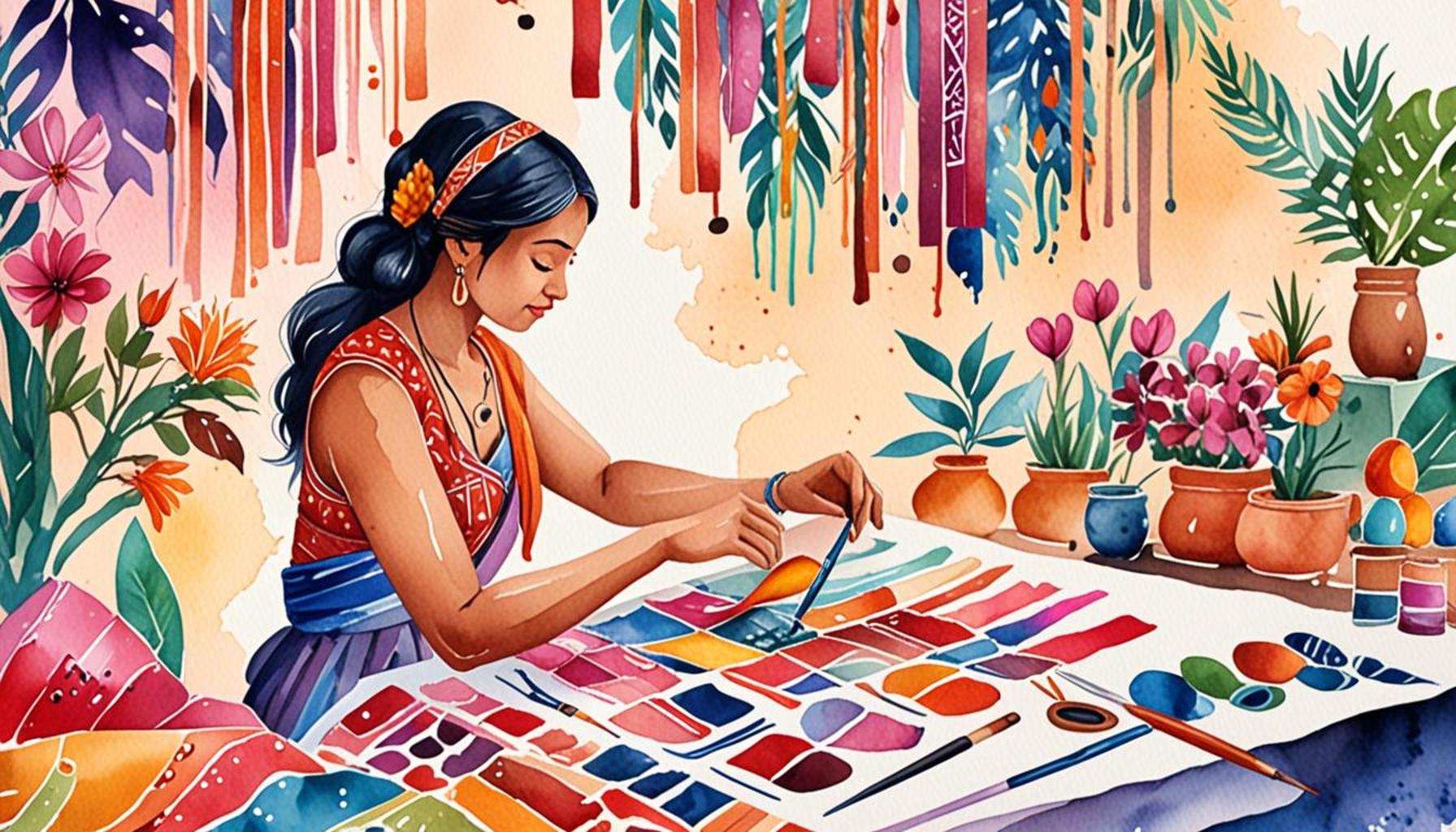
The Intricate World of Textiles
The universe of textiles extends far beyond mere fabric; it serves as a vibrant canvas illustrating human history, cultural nuances, and artistic ingenuity. The evolution of textile practices encapsulates centuries of tradition while embracing the ever-changing landscape of modern design. Delving deeper into textiles reveals layers of meaning that inspire connection and appreciation across diverse communities.
- Diverse Techniques: Various cultures have contributed a rich array of techniques that highlight their unique expertise and creativity. For instance, weaving takes center stage in countries such as Peru, where intricate patterns are crafted on traditional looms using techniques passed down through generations. Dyeing, with its myriad techniques including indigo and natural dyes, is an art form practiced in places like Nigeria, where vibrant colors are extracted from local flora. Similarly, embroidery is celebrated worldwide, from the meticulous cross-stitch techniques of Eastern European folk art to the elaborate Zardozi embroidery in Indian garments.
- Cultural Significance: The stories behind fabrics are often steeped in cultural significance. Take the Japanese kimono, for example, with its carefully designed motifs representing seasons, heritage, and personal milestones. Each kimono is not just a garment but a representation of identity and tradition. Similarly, Indian block prints evoke the subcontinent’s rich history, showcasing intricate designs that celebrate local legends and landscapes.
- Modern Trends: In the contemporary landscape, artists and designers are increasingly blending traditional textile methods with modern aesthetics. For example, textile artists like Natalie Chanin are inspiring a revival of hand-sewn garments that combine sustainable practices with high fashion, capturing the attention of eco-conscious consumers. This merging of styles creates pieces that resonate with a global audience, often celebrating the heritage of the past while addressing today’s social and environmental issues.
In the United States, the influence of textiles is equally profound. The traditions of immigrant communities have shaped a rich narrative across the country. For instance, the distinct styles of Appalachian quilting reflect both personal and communal histories, with each quilt telling a unique story. Meanwhile, the Southwest region showcases vibrant textiles influenced by Native American artisans, whose works are characterized by bold colors and intricate designs that draw from their cultural heritage.
As we traverse this dynamic intersection of cultural heritage and innovation, we discover a world where every piece of fabric weaves a tale, breathing life into cultural narratives and creative expressions. From traditional practices to a modern artisanal movement, the realm of textiles invites exploration and appreciation. Join us in uncovering the rich stories woven into every thread and the imaginative minds pushing the boundaries of textile art. Embark on this journey through a realm that is as much about history as it is about the future, igniting curiosity and admiration for the art of textiles.
DISCOVER MORE: Click here to dive into the world of music
The Interplay of Tradition and Innovation
The world of textiles is a fascinating tapestry woven from age-old traditions and modern innovations. As artisans across the globe reinterpret their cultural legacies, new forms of expression emerge, creating a dialogue between the past and present. This interplay is particularly evident in how traditional techniques are being revitalized to meet contemporary demands, allowing the beauty and significance of textiles to transcend time.
Hand-Weaving Techniques: Across many cultures, hand-weaving remains a revered craft. In Guatemala, for example, the artistry of backstrap weaving exemplifies a unique connection to ancestry. Women artisans use looms that they can adjust through the tension of their bodies, allowing for a portability that is part of their cultural practice. Meanwhile, in Peru, the ancient practice of Incan weaving showcases intricate patterns derived from stories, rituals, and everyday life – an oral history preserved in cloth. Discovering these techniques immerses one in the artistic dialogue that shapes community identity.
Dyeing Traditions: The art of dyeing also plays a critical role in textile creation. Traditional methods often rely on natural materials—roots, leaves, and even insects—as seen in Japanese Shibori, where indigo-dyed patterns reflect a deep respect for nature’s aesthetics. This contrasts sharply with modern synthetic dyes that offer vibrant shades but often lack the connection to cultural storytelling. Understanding these practices not only provides insights into the artistry involved but also invites contemplation of the global impact of dye choices on our environment.
The Role of Textiles in Social Movements
Textiles are more than decorative items; they are often powerful symbols for social change. Movements such as Women’s Weaving Cooperatives in various parts of Africa illustrate how textile arts can empower communities. Through initiatives that combine ethical sales with artistic expression, women are preserving their craft while gaining economic independence. In the United States, organizations like Surface Design Association and Textile Arts Center continue to encourage innovation by providing platforms for textile artists to showcase their work, promoting sustainability and social action through textile arts.
This connection between textiles and social impact leads to a growing appreciation for the artisans who create them. As consumers become increasingly aware of the stories woven into garments, there emerges a desire for transparency in the supply chain. This shift is encouraging a new generation of designers to incorporate sustainable practices and fair trade principles into their work, thereby aligning creative processes with ethical considerations.
Global Collaborations and Cultural Exchange
The beauty of the textile arts lies in their capacity for global engagement and cultural exchange. Collaborations among artisans from different backgrounds have given rise to works that celebrate diversity while fostering mutual respect. For instance, the initiative known as Global Craft connects textile artists worldwide, allowing them to share techniques and stories, ultimately creating a unique fusion of styles. Such exchanges highlight the significance of textiles as a medium for expression that transcends geographical boundaries.
As we continue to explore the intricate art of textiles, it becomes clear that these fabrics are not simply woven materials but threads that connect us to our heritage and to each other. Join us as we further uncover the layers of this captivating realm, where cultural traditions and contemporary innovations intertwine to inspire and unite. Through this journey, we aim to appreciate not just the artistry, but the profound narratives that accompany each piece of fabric.
As we delve deeper into the world of textiles, it becomes apparent that this art form is not just about fabric but also about the stories interwoven into every thread. Textiles serve as a canvas for cultural expression, reflecting the rich tapestry of human experiences. From the intricate motifs of indigenous tribes to the vibrant colors used in contemporary fashion, textiles play a vital role in preserving traditions while embracing innovation.
The fusion of traditional techniques with modern design has given birth to groundbreaking styles that captivate audiences worldwide. Take, for example, the use of digital printing technology, which allows artisans to reproduce ancient patterns with unprecedented precision and color vibrancy. This innovative approach not only revitalizes cultural symbols but also attracts a new generation of creators who appreciate the significance of craftsmanship.
Moreover, the sustainability movement within the textile sector highlights the importance of eco-friendly practices. Artisans are exploring organic materials and natural dyes derived from plants, which resonate with the growing desire for sustainable fashion. By incorporating these methods, they not only preserve the environment but also pay homage to their heritage, illustrating how the past can inform future practices.
As you explore this rich field, consider how textiles tell the story of cultural identity. Every fabric holds the potential to convey a narrative, bridging historical and contemporary narratives while encouraging artistic expression. Understanding textiles opens up a dialogue about the economic impact on communities, the role of women in textile production, and the globalized nature of the fashion industry, ultimately offering insights into the interconnectedness of culture and creativity.
| Category 1 | Category 2 |
|---|---|
| Sustainability | Utilization of eco-friendly materials and processes |
| Cultural Heritage | Preservation of traditional techniques and stories |
As you journey through the vibrant world of textiles, remember that each piece is a unique conversation—a blend of culture, history, and innovation waiting to be explored. This evolving art form continues to inspire and innovate, revealing the profound connection between humanity and our creative endeavors.
DIVE DEEPER: Click here to explore the influence of traditional music
Textiles as a Gateway to Identity and Heritage
Textiles serve not merely as clothing or decoration; they are a visual language that communicates identity, heritage, and personal narratives. In many cultures, specific textile patterns and styles are infused with meaning, acting as a canvas upon which history and society are meticulously woven. For instance, the Kente cloth of Ghana is not just a fabric but a symbol of status, cultural pride, and personal story. Each color and pattern tells a story of its own, with traditional weavers investing their pieces with wisdom that has been passed down through generations.
Indigenous Textiles and Cultural Revitalization: In the United States, native tribes are reclaiming their textiles as a part of a broader cultural revitalization movement. The Navajo Nation, famous for its handwoven rugs and blankets, highlights the artistry and profound significance behind each stitching technique. These textiles often reflect a deep connection to the land and community, while at the same time fostering economic development through traditional craftsmanship. Similarly, the resurgence of native fashion designers like Orenda Fink and Terese Marie Mailhot amplifies indigenous narratives through contemporary textile arts that blend tradition with modern aesthetics.
Technological Fusion: As we navigate the landscape of modern textiles, technology plays an increasingly vital role. Innovations such as 3D printing and digitally printed fabrics are providing designers with limitless possibilities for creative expression. By merging traditional craftsmanship with advanced technologies, entrepreneurs are exploring new frontiers in textile design. For instance, fashion startups like Unspun use AI systems to create custom-fit jeans, representing a significant shift towards sustainable and personalized fashion. Such initiatives align with a budding ethos of eco-consciousness, as they minimize fabric waste and create an engaging customer experience through tailored products.
The Importance of Sustainability in Textiles
Amidst rising concerns regarding sustainability, the textile industry is slowly adopting eco-friendly practices that honor both the environment and cultural heritage. Brands are increasingly exploring upcycling, utilizing discarded materials to create new textile products. This movement is exemplified by designers like Patagonia, who incorporate recycled materials in their clothing lines while emphasizing the ecological impact of textile production. Similarly, fashion initiatives like Fashion Revolution advocate for more transparent supply chains, urging consumers to consider the ethical implications of their purchases.
Furthermore, there has been a resurgence in the use of natural dyes, echoing practices from centuries past. More artisans are rediscovering the beauty of indigo dyeing and plant-based dyes. These processes not only reduce the environmental footprint compared to harsh chemicals, but they also connect modern makers to their ancestral roots, creating textiles that celebrate both culture and sustainability.
Exhibitions and Events: Celebrating Textile Arts
Global appreciation for textile arts is celebrated through numerous exhibitions and events, where craftspeople and artists converge to showcase their work. Events like the Textile Society of America’s biennial symposium or the New York Textile Month provide platforms for exploration and dialogue among textile enthusiasts. Such gatherings not only highlight the beauty and complexity of textiles but also serve as critical points for learning and inspiration. Workshops, lectures, and showcases allow participants to engage deeply with textile techniques from diverse cultures, fostering a rich environment for cultural exchange.
Through these lenses, it becomes evident that textiles are an essential medium for connecting individuals to their identities, heritage, and communities. As we continue to delve into the art of textiles, we uncover layers of creativity and cultural significance that enrich our understanding and appreciation of this timeless craft.
DISCOVER MORE: Click here to find inspiration in everyday activities
Conclusion: Weaving Together Creativity and Heritage
As we immerse ourselves in the world of textiles, it becomes clear that these intricate fabrics hold profound meaning far beyond their aesthetic appeal. From the vibrant threads of Kente cloth to the intricate designs of Navajo rugs, textiles encapsulate the rich tapestry of cultural narratives and heritage. They not only tell stories of identity and tradition but also serve as a testament to the creativity of modern designers, who strive to fuse these age-old practices with cutting-edge technology and sustainable practices.
The rise of eco-consciousness in the textile industry marks a pivotal shift, reflecting a collective responsibility toward both the environment and cultural preservation. By embracing techniques like upcycling and natural dyeing, designers are not only minimizing waste but also honoring the heritage of their craft. This dialogue between past and present enriches our appreciation for textiles, transforming them into symbols of resilience and innovation.
Moreover, platforms such as the Textile Society of America’s symposium and events like New York Textile Month serve as vital spaces for celebrating this art form, fostering exchanges that illuminate its cultural significance and creative potential. As we navigate this intricate landscape, we are encouraged to explore textiles as a conduit for connection: between individuals, communities, and the legacies that shape our world.
In conclusion, the art of textiles invites us to engage deeply with our cultural roots while embracing new possibilities for expressive innovation. As we move forward, let us cherish the stories woven into every piece, recognizing them as a collective heritage that informs both our past and our future.
Related posts:
The Importance of Local Handicrafts in Cultural and Creative Preservation
The Role of Literature in Exploring and Valuing Diverse Cultures
The Influence of Cultural Traditions on the Creation of Folk Art
The Impact of Cultural Festivals on Creativity and Community
Culinary as a Hobby: Discovering Flavors and Stories Around the World
Exploring Traditional Music as a Form of Creative Expression

Linda Carter is a writer and creative hobbies expert specializing in crafting, DIY projects, and artistic exploration. With extensive experience helping individuals discover their creative potential and bring their ideas to life, Linda shares her knowledge on our platform. Her goal is to empower readers with practical tips, inspiring ideas, and step-by-step strategies for success in the world of creative hobbies.