The Intersection of Technology and Traditional Arts in Cultural Exploration
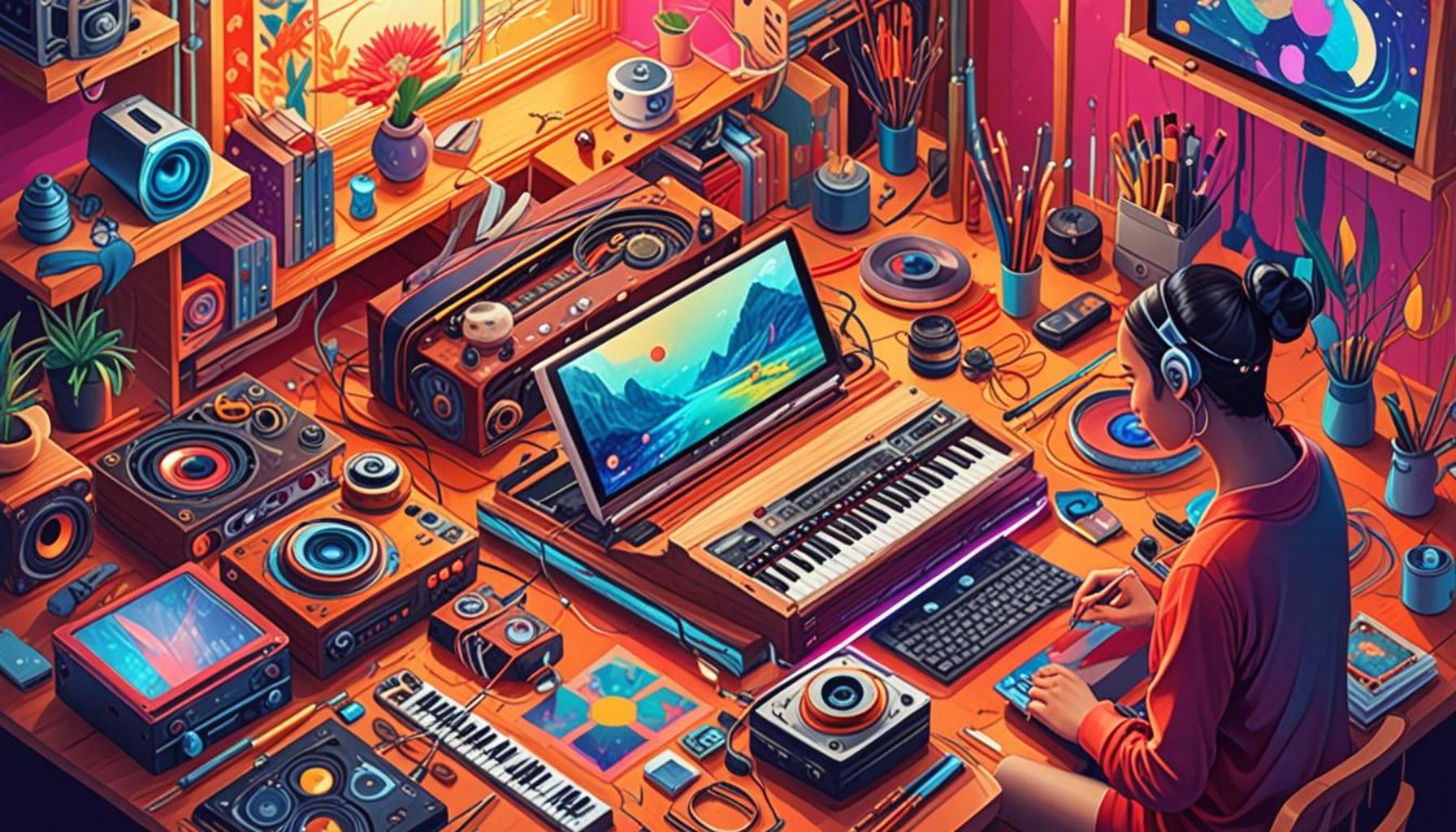
The Intersection of Technology and Traditional Arts
In an era defined by rapid technological advancement, the convergence of technology and traditional arts presents an exciting opportunity for cultural exploration and preservation. This unique partnership not only safeguards ancient crafts and practices but also reinvigorates them, making them relevant and engaging for contemporary audiences. Innovative digital tools serve as a means to bridge the gap between historical traditions and modern sensibilities.
Key Highlights of This Intersection:
- Digital Archives: The importance of digital archives cannot be overstated. Institutions like the Smithsonian have dedicated extensive resources to digitize their collections, allowing global access to artworks that might otherwise remain confined to their physical locations. These digital repositories empower individuals and researchers to explore diverse cultural heritages from the comfort of their homes, enhancing both education and appreciation of the arts.
- Social Media: Social media platforms, such as Instagram and TikTok, have become essential tools for artists to showcase their creations and engage with a wider audience. For instance, artists from various backgrounds use these platforms not only to display their work but also to share their creative processes, stories, and cultural contexts, creating a powerful dialogue around their art. This democratization of artistic visibility allows for the celebration of diverse voices that contribute to the rich tapestry of American culture.
- Augmented Reality: Augmented reality (AR) is revolutionizing how we interact with traditional art forms. Through AR applications, users can experience immersive environments where they can examine a painting’s details or witness a live performance that incorporates historical techniques. For example, museums can enhance visitor experiences with AR displays that provide additional layers of narrative and context, fostering a deeper emotional connection with the artworks.
As we explore this dynamic interaction between the past and the present, compelling questions emerge. How does technology influence our understanding of cultural identity? Can the fusion of digital media and traditional forms of expression provide insights into societal challenges? Artists are increasingly leveraging these digital tools to create work that resonates deeply, addressing universal themes like belonging, migration, and heritage.
This journey into the evolving landscape of creativity challenges us to rethink how we perceive art and culture in our daily lives. By critically examining the interplay between technology and traditional arts, we uncover not only rich stories but also diverse perspectives that enrich our collective narrative. Engaging with these developments promises to illuminate pathways for future generations to explore, appreciate, and innovate within the cultural domains that define us.
DISCOVER MORE: Click here to learn how creative hobbies can boost emotional and social skills
Embracing Change: The Role of Technology in Traditional Art Forms
The fusion of technology and traditional arts is not merely a trend; it is a transformative force reshaping how we experience, understand, and engage with cultural expressions. As we delve into this intersection, it becomes evident that technological innovations serve as both a catalyst for preserving age-old practices and a platform for their evolution. This dialogue between traditional artistry and modern technology invites artists and audiences alike to explore new horizons.
One of the most significant advancements in this arena is the rise of digital storytelling. This technique leverages multimedia elements—such as video, audio, and graphics—to narrate the cultural significance of traditional art forms. Artists and cultural institutions are increasingly using digital platforms to create compelling narratives around their work, engaging audiences who might not have had access to these art forms otherwise. For instance, initiatives like “The U.S. National Archives Experience” allow users to visualize historical documents alongside modern artistic interpretations, fostering a deeper connection to cultural stories.
How Technology Enhances Traditional Practices
As technology continues to influence the landscape of traditional arts, various tools are enhancing creative expression in unprecedented ways. Here are some key areas where technology is making a difference:
- Online Workshops and Tutorials: Artists are harnessing platforms like YouTube and Skillshare to conduct virtual classes, broadening the reach of traditional art education. Whether it’s pottery, weaving, or folk dance, learners from diverse backgrounds can access expert guidance, enriching their understanding of these crafts while ensuring they remain alive and evolving.
- Interactive Exhibits: Museums across the United States are adopting interactive technologies to reimagine how visitors interact with traditional arts. For example, institutions such as The Museum of Modern Art (MoMA) are incorporating touch-screen displays and interactive wall exhibits, allowing visitors to engage with works in a meaningful way that enhances artistic appreciation.
- Collaborative Online Spaces: Artist collectives are using social media and online community platforms to share techniques, ideas, and projects. This digital collaboration fosters a cross-pollination of cultural practices, exemplified by initiatives like #ArtsInTheTimeOfCOVID, where artists share their interpretations of traditional arts while navigating challenges posed by the global pandemic.
As these technological advancements gain momentum, questions about authenticity and cultural appropriation emerge. What is considered authentic in a world where digital interfaces create new art forms? Are traditional artists losing their identities when their work transitions into digital formats? These inquiries are pivotal as they guide both artists and audiences in navigating the complexities of cultural exploration in a technological age. Engaging thoughtfully with these discussions helps to ensure that innovations respect and honor the deep-rooted histories of traditional arts while encouraging their growth and reinterpretation.
| Advancement | Integration |
|---|---|
| Enhanced Preservation | Digital archiving systems capture and store traditional art forms for future generations. |
| Broadened Access | Online platforms allow for a wider audience to engage with and learn about diverse cultural expressions. |
| Innovative Collaboration | Artists from various disciplines come together to create hybrid forms that reflect both modern and traditional techniques. |
| Interactive Experiences | Virtual reality and augmented reality technologies immerse users in traditional settings and enhance cultural storytelling. |
The interaction between technology and traditional arts not only transforms the art-making process but also cultivates a deeper appreciation for cultural heritage. For example, immersive experiences through virtual reality allow individuals to step into historical narratives, enriching their understanding of a culture’s roots and evolution. Furthermore, the integration of social media platforms provides artists and cultural practitioners with unprecedented reach, enabling them to share their work globally. As a result, traditional art forms receive renewed interest and relevance within contemporary society, highlighting their importance in today’s cultural dialogues. This melding of disciplines invites an ongoing conversation that bridges time-honored practices with modern sensibilities, engaging a diverse audience in cultural exploration and appreciation.
DISCOVER: Click here to dive deeper into the world of abstract painting
Redefining Access: Democratizing Traditional Arts through Technology
In the digital age, the accessibility of traditional arts has been dramatically transformed, allowing cultural exploration to reach an unprecedented audience. Technology is breaking down barriers that have historically hindered the dissemination and appreciation of cultural practices, enabling a democratization of art forms that fosters inclusivity and diversity.
One fascinating development in this arena is the rise of virtual reality (VR) and augmented reality (AR) experiences that immerse users in traditional art forms. Organizations like the Smithsonian Institution have embraced these technologies to create engaging exhibitions that allow audiences to not only view artistic creations but also to experience their cultural context virtually. For instance, visitors can explore a recreated indigenous village or walk through historic landscapes while interacting with culturally relevant artifacts. These immersive experiences do more than simply showcase art; they breathe life into cultural narratives, providing a holistic appreciation of traditional arts.
Additionally, social media platforms and streaming services are pivotal in showcasing traditional art forms to global audiences. Initiatives like Facebook’s Artist Program and YouTube Live allow artists to perform and share their craft with viewers who might otherwise be disconnected from their cultural heritage. This shift not only invites new conversations around traditional arts but also cultivates a community centered on shared experiences. During significant cultural festivals, global audiences can tune in to live performances, showcasing a blend of traditional elements and modern interpretations that resonate across cultures.
Challenges and Ethical Considerations
As traditional artists navigate these tech-enhanced landscapes, it is essential to consider the ethical implications that accompany this new era. While technology opens doors, it also raises complex questions about the ownership and representation of cultural narratives. Tools like 3D scanning can aid in preserving traditional craftworks, but they also lead to debates over copyright, particularly when digital reproductions circulate widely without proper attribution. The art community must grapple with how to protect the rights of artists and the cultural significance of their work in a digital realm.
Moreover, there remains a concern about the potential dilution of traditional practices as they undergo digital transformation. Some traditional artists feel that presenting their work through tech-driven mediums risks stripping it of its authentic essence. This prompts ongoing discussions about how we can respectfully integrate technology with traditional art practices. Collaborative projects that involve both technology and traditional artisans can offer pathways for finding balance. For example, partnerships between tech companies and indigenous artists ensure that developments respect cultural values while also incorporating modern techniques and ideas.
In exploring these dimensions, we uncover the necessity for ongoing dialogue and education about the intersection of technology and traditional arts. As digital tools evolve, they must be employed with a critical eye that honors the rich legacies and nuanced traditions that define cultural arts. Only then can we truly celebrate and enrich the cultural landscape, paving the way for future generations to engage with traditional arts in thoughtful and innovative ways.
DIVE DEEPER: Click here to uncover new musical horizons
Embracing the Fusion: A Future of Cultural Exploration
The intersection of technology and traditional arts brings forth a remarkable opportunity for cultural exploration that extends beyond the limitations of geography and borders. As we have seen, the advent of virtual realities and social media platforms empowers traditional artists to reach diverse audiences, thereby enriching the tapestry of global culture. This fusion opens doors to new narratives and dialogues that were previously inaccessible, creating a vibrant community of art enthusiasts, practitioners, and learners.
However, this evolution is not without challenges. The ongoing discussions surrounding ethical considerations and cultural representation highlight the importance of safeguarding artistic integrity and cultural significance. As technology continues to advance, it is critical for creators and institutions to engage in responsible practices that honor the traditions they aim to share. Collaborative efforts between traditional artisans and tech innovators can pave the way for a balanced approach, where cultural authenticity and technological innovation coexist harmoniously.
Ultimately, the true strength of this intersection lies in its potential to foster understanding and appreciation of the diverse array of cultural expressions around the globe. As individuals and institutions explore these synergies, they must remain committed to an inclusive narrative, celebrating the richness of traditional arts while embracing the innovations technology offers. As we look to the future, we must ask ourselves: How can we continue to engage with traditional arts in ways that respect their roots while inviting creativity and modern interpretation? The answers to this question will shape the cultural explorations of tomorrow, ensuring that the legacies of diverse traditions not only persist but flourish in an ever-evolving digital landscape.
Related posts:
Exploring the Art of Textiles: Cultural Traditions and Creative Innovation
The Influence of Martial Arts on Cultural and Creative Expression
Explore Folk Art Connect with Cultural Roots Through Creative Hobbies
Exploring Visual Narrative: The Role of Art in Preserving Cultural Stories
The Music of the World: Discovering New Instruments and Styles in Creative Projects
The Importance of Folk Music in Cultural Identity and Modern Creativity
Linda Carter is a writer and creative hobbies expert specializing in crafting, DIY projects, and artistic exploration. With extensive experience helping individuals discover their creative potential and bring their ideas to life, Linda shares her knowledge on our platform. Her goal is to empower readers with practical tips, inspiring ideas, and step-by-step strategies for success in the world of creative hobbies.