The Practice of Sustainable Crafts: Developing Skills while Contributing to the Environment
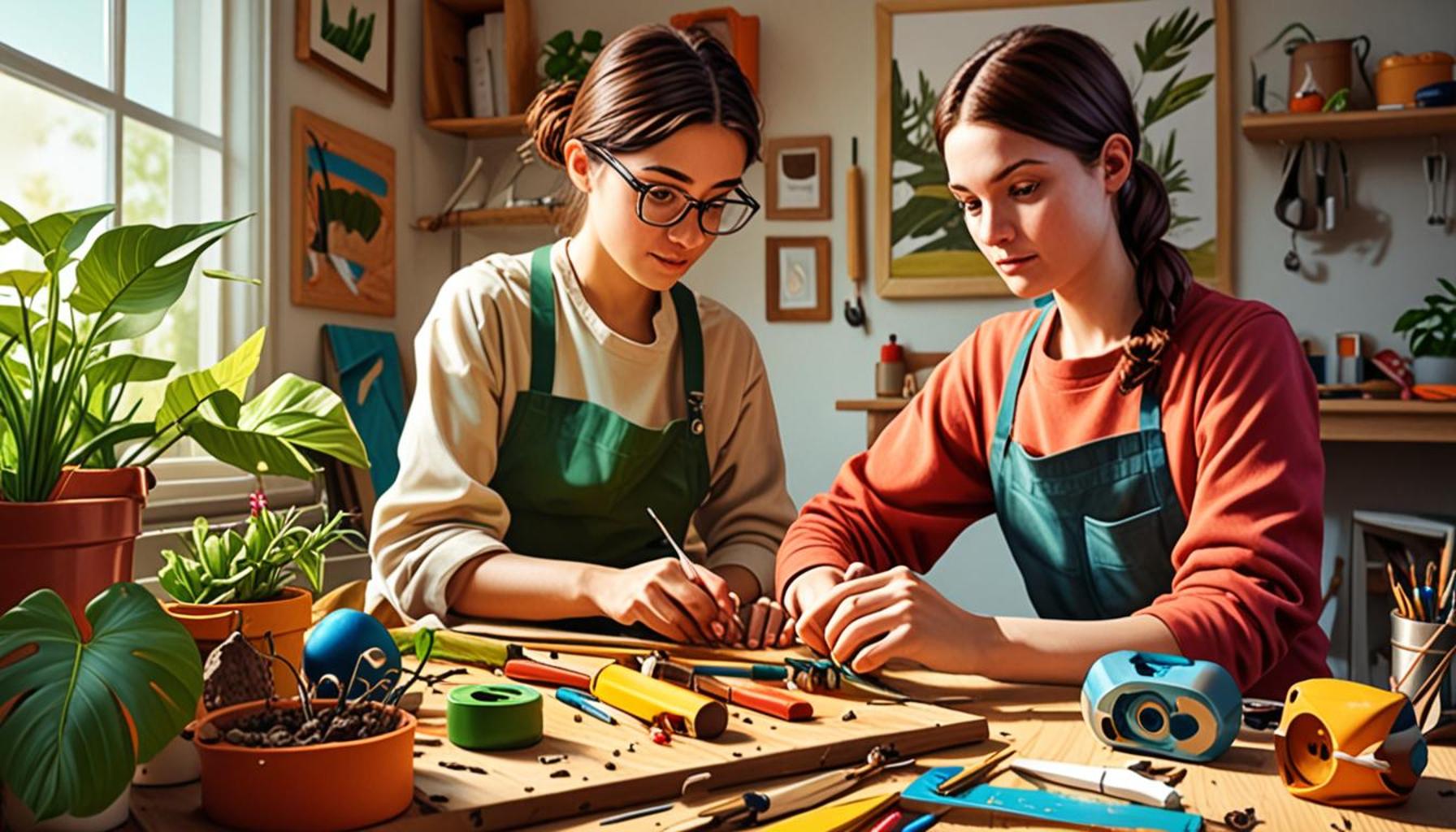
The Transformation of Crafting Through Sustainability
The crafting world is undergoing a fascinating transformation. As more individuals become aware of their environmental impact, the practice of sustainable crafts emerges as a powerful avenue for creative expression and ecological responsibility. This shift is not merely a trend but a movement that resonates deeply with those looking to balance creativity with conscientiousness.
Engaging in sustainable crafts allows enthusiasts to cultivate valuable skills while simultaneously making a tangible difference in their communities. For instance, many crafters are turning to materials that are not only eco-friendly but also rich in storytelling, such as reclaimed wood from old barn structures or fabric scraps from local garment factories. The intrinsic beauty of these materials often adds an element of character that mass-produced items lack.
Here are some compelling reasons why sustainable crafts are gaining popularity:
- Eco-Friendly Materials: Crafters are increasingly utilizing recycled or natural materials to minimize waste. For example, artists create stunning jewelry from discarded electronics or pottery from locally sourced clay, ensuring their products have a minimal environmental footprint.
- Skill Development: Crafting enhances abilities like sewing, woodworking, or pottery. Not only do these skills promote individual creativity, but they also provide practical benefits, such as the ability to create one’s own clothing or functional household items, reducing reliance on fast fashion and disposable products.
- Community Impact: Workshops and local craft fairs foster connections among like-minded individuals. Events such as maker fairs often feature local artisans who share their sustainable practices, encouraging community activism and fostering an exchange of ideas that can lead to thriving local economies.
In the United States, more communities are embracing environmentally friendly practices. For instance, the upcycling trend has inspired many to create beautiful furniture pieces from old pallets or discarded doors, giving them a new lease on life. Additionally, crafting handmade natural soaps and beauty products reflects a shift toward conscious consumerism, where people prioritize products free of harmful chemicals and packaged sustainably.
This article will guide you through various sustainable crafting methods and their environmental benefits. By understanding these practices, you can learn how to contribute positively while honing your craft skills. Whether you’re a seasoned DIY enthusiast or just beginning to explore your creative side, embracing sustainable crafts is a fulfilling journey that connects art, environment, and community.

As this movement continues to grow, the potential for innovation in sustainable crafting seems limitless. Those willing to delve into this world will not only create functional and artistic masterpieces but also foster a culture that values sustainability and environmental stewardship.
DISCOVER MORE: Click here to delve into the world of abstract painting
The Art of Repurposing: Crafting with Intention
At the heart of the sustainable crafts movement lies the compelling practice of repurposing materials. This approach not only minimizes waste but also highlights the transformative power of creativity. Whether it is turning discarded glass bottles into vibrant garden decor or fashioning vintage fabrics into modern clothing, the practice of sustainable crafts encourages individuals to see potential where others may only see a waste product. By harnessing their creativity, artisans are not only salvaging materials but also telling a unique story of rebirth and innovation.
Rediscovering Traditional Techniques
As crafters explore sustainable practices, many are rediscovering traditional techniques that respect both the materials and the environment. Crafts such as weaving, pottery, and woodcraft often emphasize local resources and artisanal methods that have been passed down through generations. This resurgence has led to a revival of skills that were once on the brink of extinction, ensuring that valuable knowledge is preserved while adapting it to meet contemporary standards. The fusion of old and new creates an engaging narrative, further enriching the experience of sustainable crafting.
- Cultural Appreciation: By engaging with traditional crafting methods, artisans can learn the cultural significance behind various materials and techniques. This fosters respect for heritage and promotes a more thoughtful consumption of resources.
- Environmental Harmony: Many traditional crafts emphasize a sustainable relationship with nature. For example, indigenous weaving practices often utilize local plants and fibers, showcasing how environmental stewardship can coexist with creativity.
- Economic Sustainability: Reviving traditional crafts can create opportunities for local economies. Many small businesses are springing up to support artisans who produce handmade, sustainable items, ensuring communities thrive while embracing eco-friendly practices.
The Community Connection in Crafting
The practice of sustainable crafts goes beyond individual endeavors; it embraces a collective spirit that strengthens community bonds. Craft fairs, cooperative workshops, and local studios serve as hubs for sharing knowledge and skills, acting as a catalyst for collaboration. These spaces foster an environment where individuals can exchange ideas and strategies, allowing for the cross-pollination of creativity. Furthermore, community members are often inspired to support one another’s crafts, creating a network that promotes local talent and reduces reliance on mass-produced goods.
In regions like Portland, Oregon, and Asheville, North Carolina, local markets celebrate sustainable crafts by emphasizing handmade, eco-conscious products. Events feature demonstrations, skill-sharing sessions, and opportunities for attendees to engage in hands-on crafting experiences. Such initiatives highlight the importance of connection in sustainable crafting, encouraging the community to take pride in their ecological impact.
As the practice of sustainable crafts continues to evolve, the interplay between skill development, creativity, and environmental responsibility becomes increasingly evident. Individuals willing to invest time and energy in these practices not only nurture their artistic abilities but also contribute to a wider movement focused on preservation and sustainability.
| Advantages | Environmental Impact |
|---|---|
| Skill Development | Promotes creativity and innovation through hands-on projects and learning. |
| Waste Reduction | Utilizes recycled materials, helping to minimize environmental waste and pollution. |
The growing movement of sustainable crafts encourages individuals to enhance their creative skills while simultaneously making significant contributions to environmental conservation. Engaging in these practices not only facilitates skill development but also fosters a strong sense of community among artisans dedicated to the same cause. For instance, learning to craft with responsibly sourced materials allows crafters to better appreciate the value of these resources. By transforming discarded items into new creations, individuals actively participate in waste reduction, a vital aspect of sustainable living. Incorporating such eco-friendly practices into daily life can inspire others within one’s community, creating a ripple effect that advances awareness of sustainability. As more people adopt these methods, the positive outcomes for the environment become increasingly evident, showcasing a harmonious blend of creativity and responsibility.
DISCOVER MORE: Click here to delve deeper
The Circular Economy of Crafting
One of the most compelling aspects of sustainable crafts is its alignment with the principles of a circular economy. This concept encourages the rethinking of life cycles for products and materials, aiming to eliminate waste by keeping resources in use for as long as possible. Sustainable crafters embody this philosophy by designing pieces that are not only aesthetic but also functional, ensuring that they can be reused, repaired, or recycled at the end of their lifespan. By focusing on durability and audience engagement, artisans create products that resonate with environmentally conscious consumers who value quality over compulsive consumption.
Designing for Longevity
In the domain of sustainable crafts, there is a growing emphasis on creating long-lasting products. This trend signifies a departure from the temporary nature of fast fashion and disposable items. Artisans are consciously crafting goods such as leather bags, hand-forged kitchenware, and durable textiles that stand the test of time, making them worthwhile investments. For instance, makers of handmade wooden furniture often utilize reclaimed wood, giving new life to materials while offering consumers beautifully crafted pieces that elevate home décor.
- Quality over Quantity: The shift towards making fewer but higher-quality items allows consumers to reduce their environmental footprint, as they invest in durable products that last longer and can be cherished for generations.
- Repair and Upcycle Culture: Many artisans are encouraging a mindset of repairing and upcycling rather than discarding. Workshops and tutorials focusing on mending techniques, such as visible mending for clothing or furniture refinishing, promote the understanding that items can have multiple lives.
- Create a Community of Crafting: Many sustainable craft communities are centered on sharing repair skills, whether through community events or online forums. This fosters a culture of resourcefulness that often leads to collaborative projects, amplifying the reach of sustainable practices.
Educational Initiatives and Workshops
Educational initiatives play an integral role in fostering sustainable craftsmanship. Many local organizations and community colleges across the United States have started offering classes and workshops that teach various sustainable practices. From soap-making with natural ingredients to ceramics utilizing low-impact firing methods, these educational efforts equip individuals with the necessary skills to pursue their crafting passions sustainably.
Programs like “Crafting Change” focus on environmental stewardship by providing hands-on learning experiences that illustrate the importance of sustainable materials and methods. Participants are not only able to enjoy the creativity of crafting but also leave with an understanding of how their choices impact the environment. Furthermore, partnering with environmental organizations helps weave together creative expression and eco-awareness, further reinforcing the importance of sustainability in crafting.
As sustainable crafts gain traction, the drive to develop skills that contribute positively to our planet becomes increasingly vital. By intertwining crafting with eco-friendly practices, individuals take ownership of their choices and play a critical role in shaping a more sustainable future. This broadening commitment to sustainability serves as a reminder that small acts of creativity can indeed make a significant difference.
DIVE DEEPER: Click here to discover the harmony between music and art</
Conclusion: Crafting a Sustainable Future
As we delve into the practice of sustainable crafts, it becomes evident that this movement is about more than just creating beautiful items; it’s a transformative journey towards a more eco-conscious society. Through the focus on quality over quantity, artisans are not only challenging the fast fashion culture but also inspiring consumers to embrace longevity and value in their purchases. By shifting towards durable, upcyclable products, we are laying the groundwork for an economy that prioritizes sustainability and creativity.
The rise of educational initiatives and workshops dedicated to sustainable crafting is further empowering individuals to take charge of their environmental impact. Programs that teach practical skills foster a sense of community and collaboration, ensuring that knowledge on sustainable practices is shared and expanded. This fosters a culture of resourcefulness where every craft not only serves a purpose but also tells a story of responsible consumption.
Ultimately, the connection between crafting and the environment highlights how small actions can create monumental changes. By engaging in sustainable crafts, we not only enhance our own craftsmanship skills but also contribute to the larger goal of environmental stewardship. As consumers and creators, we have the power to influence market trends and consumer behaviors, advocating for a more sustainable world—one handmade item at a time. This is a call to embrace your creativity and to make crafting a meaningful part of your journey towards sustainability.
Related posts:
Exploring the Relationship Between Creative Hobbies and Emotional Intelligence Development
Exploring the Connection between Creative Hobbies and Memory and Learning Improvement
Exploring the Art of Photography: How the Habit of Capturing Images Can Enrich Your Creative Skills
The Role of Creative Hobbies in Building a Growth Mindset
How Creative Hobbies Can Foster Self-Discipline and Persistence
Developing Social Skills Through Group Art Activities

Linda Carter is a writer and creative hobbies expert specializing in crafting, DIY projects, and artistic exploration. With extensive experience helping individuals discover their creative potential and bring their ideas to life, Linda shares her knowledge on our platform. Her goal is to empower readers with practical tips, inspiring ideas, and step-by-step strategies for success in the world of creative hobbies.