Unlocking Self-Discovery Through Painting: The Therapeutic Benefits of Artistic Expression
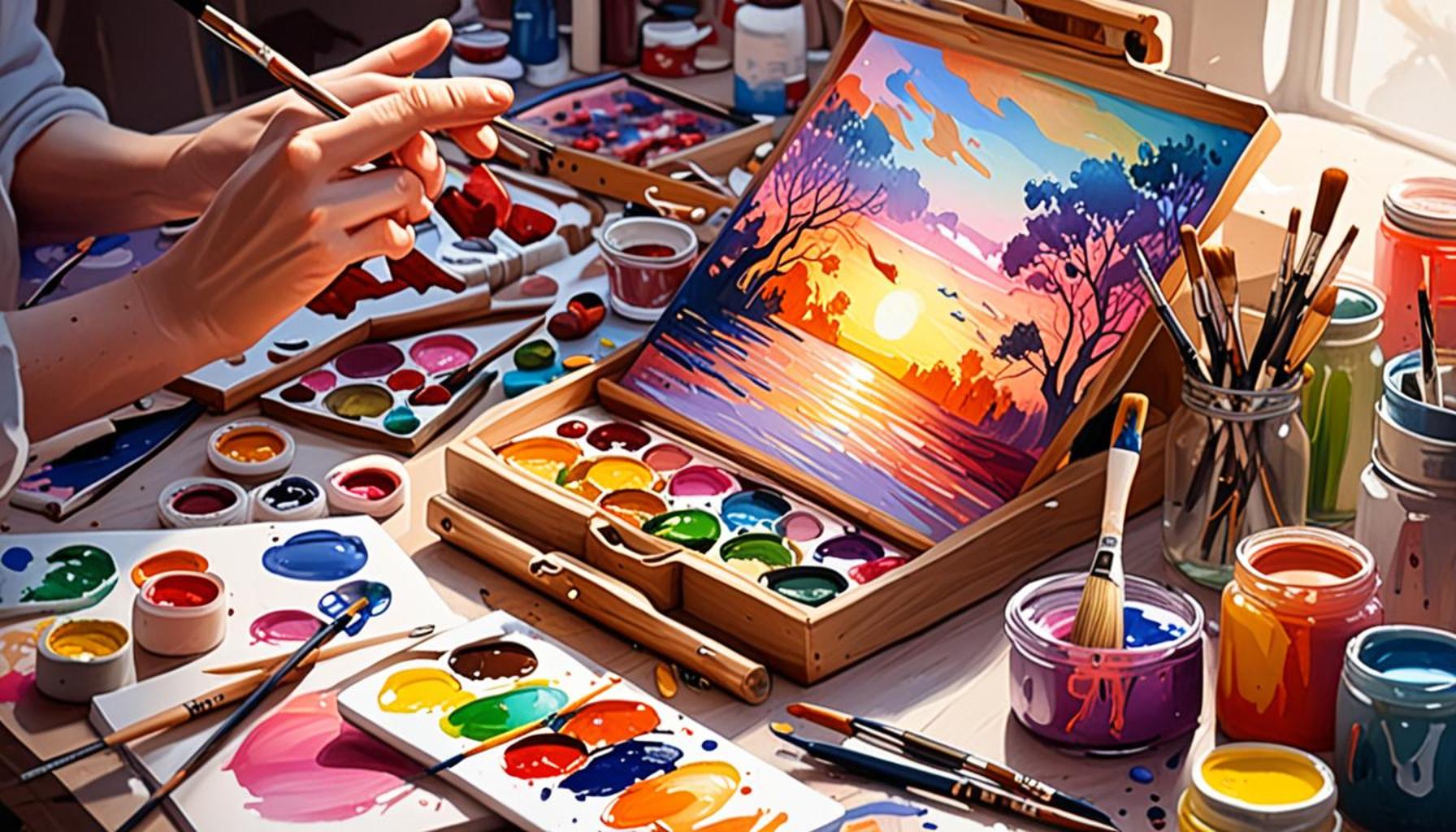
Unlocking Inner Realms Through Artistic Expression
Art serves as a dynamic medium, providing individuals with the tools to express themselves in ways that words sometimes fail to capture. Among various forms of artistic expression, painting holds a unique position—acting as a bridge that connects our outer world to our inner emotional landscape. For both aspiring and established artists, the act of painting can unveil deeply rooted feelings, leading to transformative experiences in self-discovery and healing.
Why Painting Matters
The practice of painting offers an array of benefits that significantly enhance emotional well-being. Here are a few key aspects to consider:
- Emotional Release: For many, the canvas provides a safe space to express complex feelings that might otherwise remain silent. The act of applying color can help articulate anger, joy, sadness, or anxiety in a visual language.
- Stress Reduction: Engaging in painting can be akin to meditation. As colors flow and shapes emerge, one can shift their focus away from daily stresses, leading to a calming effect on the mind and body.
- Enhanced Focus: Immersing oneself in the creative process can sharpen one’s concentration. Whether meticulously blending hues or contemplating composition, the focused attention required in painting can cultivate a sense of mindfulness.
Across the United States, the rise of art therapy has garnered attention, recognizing the benefits of art as a supplementary tool for mental health treatment. Many therapists use painting to assist patients in processing their thoughts and feelings, fostering self-exploration that can lead to profound personal insights. Educational institutions, wellness centers, and community organizations have begun incorporating art-based programs designed for emotional healing and personal growth.
A Path to Understanding
Through the rhythm of brush strokes and intentional color choices, individuals can embark on a journey of self-discovery that includes:
- Core Values: Painting enables individuals to tap into their fundamental beliefs and principles, helping to clarify what truly matters in their lives.
- Life Experiences: By visualizing significant events, one can better reflect on their past, distilling lessons learned and influences that have shaped their identity.
- Future Aspirations: The creative process serves as a vehicle through which one can imagine and envision future goals, presenting opportunities for manifestation through visual representation.
Ultimately, engaging with painting transcends mere hobby or leisure activity. It represents a profound opportunity to cultivate self-discovery and nurture emotional well-being. Through a paintbrush, individuals can navigate the intricate landscape of their emotions, guiding them toward healing and understanding. As the brush glides across the canvas, it not only creates art but also weaves a story that speaks of resilience, hope, and personal growth. In a world increasingly filled with distractions, turning to painting could be the transformative experience that many need to unlock their inner worlds.

DISCOVER MORE: Click here to explore how creative hobbies can boost your emotional and social skills
The Rich Tapestry of Self-Expression
Painting is more than just applying pigment to a surface. It is a holistic journey into the self, a tactile exploration that offers a multitude of therapeutic benefits. The beauty of painting lies in its ability to transcend conventional communication; it allows thoughts and emotions to manifest visually, creating a unique narrative that can be both deeply personal and universally relatable. This transformative form of expression facilitates an intimate dialogue with oneself, unveiling insights that can often remain buried beneath the surface of daily life.
The Connection Between Creativity and Mental Health
Research increasingly highlights the link between artistic expression and mental wellness. Studies conducted by institutions like the University of California and the American Journal of Public Health demonstrate the profound effects of creative activities on emotional health, particularly in managing conditions such as anxiety and depression. These findings have propelled painting into the spotlight as a viable form of self-care and personal development, embraced by individuals seeking an outlet for emotional release.
Unlocking the Therapeutic Potential
When individuals engage with painting, they embark on a multi-faceted healing process. Here are several ways that painting serves as a powerful tool for self-discovery:
- Self-Reflection: The process of creating art encourages individuals to examine their emotions and thoughts closely. As colors are mixed and shapes emerge, individuals can confront unresolved feelings, leading to a better understanding of their inner narratives.
- Identity Exploration: Artistic expression enables people to explore their identities in a non-threatening environment. Paint becomes a medium through which they can explore their roles, aspirations, and even their fears, creating a visual representation of their journey.
- Mindfulness Practice: The act of painting cultivates mindfulness, as artists become absorbed in the moment. This focused attention can serve as a grounding technique that fosters a state of calm and diminishes the noise of external distractions.
As community art programs proliferate across the United States, more individuals are coming to understand the profound impact that painting can have on personal development. Workshops and retreats dedicated to artistic exploration offer structured environments where individuals can dive deeper into their emotional landscapes, guided by experienced instructors and art therapists. These settings encourage participants to break through creative blocks and tap into their true selves, often resulting in striking revelations about their lives and desires.
Through painting, individuals are not merely creating art; they are also laying the groundwork for understanding their emotions, values, and aspirations. The brush serves as a catalyst for conversation—both with oneself and, potentially, with others. The therapeutic benefits of painting extend beyond the canvas, enriching the quality of life in meaningful ways and paving the way for enhanced emotional intelligence and resilience. As more people explore this enriching art form, its power to unlock self-discovery continues to gain recognition, illuminating paths toward healing and fulfillment.
Exploring the Therapeutic Dimensions of Artistic Expression
Artistic expression, particularly through painting, serves as a profound medium for self-discovery and emotional healing. By engaging in the creative process, individuals often unlock pathways to their innermost thoughts and feelings, which are typically obscured in the hustle and bustle of everyday life. Painting not only fosters creativity but also allows for the exploration of identity, ultimately leading to personal growth and self-acceptance.
One of the significant advantages of painting as a therapeutic tool is its ability to assist in emotional regulation. When individuals express their feelings through colors and textures, they can release pent-up emotions in a constructive way. Moreover, the very act of creating art can serve as a form of mindfulness, drawing attention to the present moment and providing a sense of calm.
Additionally, painting facilitates communication when words fall short. Many people find it challenging to articulate their emotions verbally, and painting can act as a bridge to express complex feelings visually. For instance, a seemingly chaotic brushstroke can signify confusion, while serene landscapes can evoke tranquility, thus making visible the invisible struggles many face.
Furthermore, the creative process of painting encourages vulnerability and risk-taking. As individuals step outside their comfort zones to experiment with different styles and techniques, they cultivate resilience and adaptability. This journey not only enhances artistic skills but also instills a sense of achievement and confidence.
There is a growing body of research supporting the therapeutic benefits of artistic expression. Various studies have shown a correlation between engaging in creative activities and improved mental well-being. Art therapy programs have emerged globally, offering structured environments where individuals can explore their emotional landscapes through painting and other artistic forms.
Ultimately, the therapeutic benefits of painting extend far beyond the canvas. By unlocking self-discovery through artistic expression, individuals embark on a transformative journey, gaining insights into their emotions, enhancing their problem-solving skills, and improving their overall mental health. It’s an invitation to explore, reflect, and connect deeply with oneself, turning the simple act of painting into a powerful tool for personal evolution.
| Category | Description |
|---|---|
| Emotional Release | Painting allows for a safe outlet for emotions, helping individuals process feelings constructively. |
| Mindfulness | Engaging in painting anchors individuals in the moment, enhancing focus and reducing anxiety. |
| Communication | Art serves as a language where complex emotions can be expressed visually when words are not enough. |
DISCOVER MORE: Click here to find inspiration in everyday activities
Exploring Arts-Based Therapies and Workshops
The growing interest in the therapeutic benefits of painting has led to the emergence of various arts-based therapies that integrate painting as a fundamental component. One prominent method gaining traction is art therapy, a creative therapeutic practice conducted by trained professionals who guide individuals through the healing process. By incorporating painting, art therapists facilitate a safe space for self-exploration, where clients can process experiences that may be difficult to articulate with words. This approach is particularly beneficial for those dealing with trauma, as it allows them to express feelings associated with painful memories through visual mediums.
Community Art Programs: Fostering Connection and Healing
Across the United States, community art programs are thriving, providing accessible avenues for individuals to engage in painting as a form of self-discovery. Initiatives like the National Endowment for the Arts promote programs that offer workshops focused on various artistic techniques. Not only do these community classes encourage participation and connection between individuals, but they also contribute to a collective sense of belonging. Participants often share stories and experiences while engaging in art, fostering camaraderie that further enhances mental well-being.
For example, programs such as Color Me: Art for Healing, based in California, focus on artistic expression as a way to process grief and loss. Participants have reported a sense of relief and deeper understanding of their emotions as they take part in these collective artistic experiences. The act of creating together helps diminish feelings of isolation and promotes a healing environment where individuals can confidently explore their inner landscapes.
Expanding the Reach of Artistic Expression
Moreover, painting doesn’t only serve individuals grappling with mental health challenges; it has also gained recognition within corporate wellness initiatives. Many organizations have started to incorporate art-based workshops to enhance creativity and boost morale among employees. By encouraging staff to unleash their creativity through painting, companies report increases in productivity and overall employee satisfaction. This is a testament to the broad application of painting as a tool for self-discovery, not just in therapeutic settings but also in professional environments.
Another highlight of the painting journey is the opportunity for exploration within mixed media and collaborative art projects. These ventures can reveal even more about one’s self-perceptions and interpersonal dynamics. Group projects challenge individuals to brainstorm, share ideas, and harmonize diverse perspectives into a cohesive piece. As they navigate these creative challenges, participants often uncover hidden strengths and develop essential life skills, including teamwork and communication. This collaborative process can initiate important discussions about identity, culture, and shared experiences, further enriching the self-discovery journey.
As engagement in painting and art programs continues to flourish, the extensive range of therapeutic benefits becomes evident. Individuals are discovering transformative ways to connect with their inner selves while participating in meaningful communal experiences. From structured therapy sessions to casual community workshops, unlocking self-discovery through painting not only cultivates individual insights but also fosters relationships bound by creativity and healing.
DIVE DEEPER: Click here to uncover the magic of storytelling
Conclusion: The Transformative Power of Painting in Self-Discovery
In a world increasingly defined by stress and chaos, unlocking self-discovery through painting emerges as a powerful tool for personal growth and emotional healing. As we’ve seen, painting serves not only as a medium for artistic expression but also as a gateway to introspection and understanding. By participating in art therapy and community art programs, individuals are granted the opportunity to confront their innermost emotions and experiences in a constructive manner. The therapeutic benefits are profound; from processing trauma to fostering connections, painting cultivates a sense of belonging that can significantly enhance mental well-being.
Moreover, the incorporation of painting in professional environments demonstrates its versatility and relevance across diverse contexts. As companies recognize the importance of creative outlets for their employees, the landscape of work culture evolves, highlighting the vital link between creativity and overall job satisfaction. This reinforces the idea that artistic expression is not just an isolated endeavor; rather, it is a crucial component of holistic personal development.
Ultimately, as individuals embark on their painting journeys—whether through solo exploration or collaborative projects—they not only unlock new facets of their identities but also develop essential skills like communication and teamwork. The transformative power of painting lies in its ability to unite people through shared experiences and foster deeper conversations about life, identity, and culture. As we continue to embrace the therapeutic benefits of artistic expression, we invite more people to discover the healing potential that lies within each brush stroke, revealing pathways to deeper understanding and profound personal transformation.

Linda Carter is a writer and creative hobbies expert specializing in crafting, DIY projects, and artistic exploration. With extensive experience helping individuals discover their creative potential and bring their ideas to life, Linda shares her knowledge on our platform. Her goal is to empower readers with practical tips, inspiring ideas, and step-by-step strategies for success in the world of creative hobbies.