Boost Skills with Creative Hobbies Enhance Personal Professional Growth
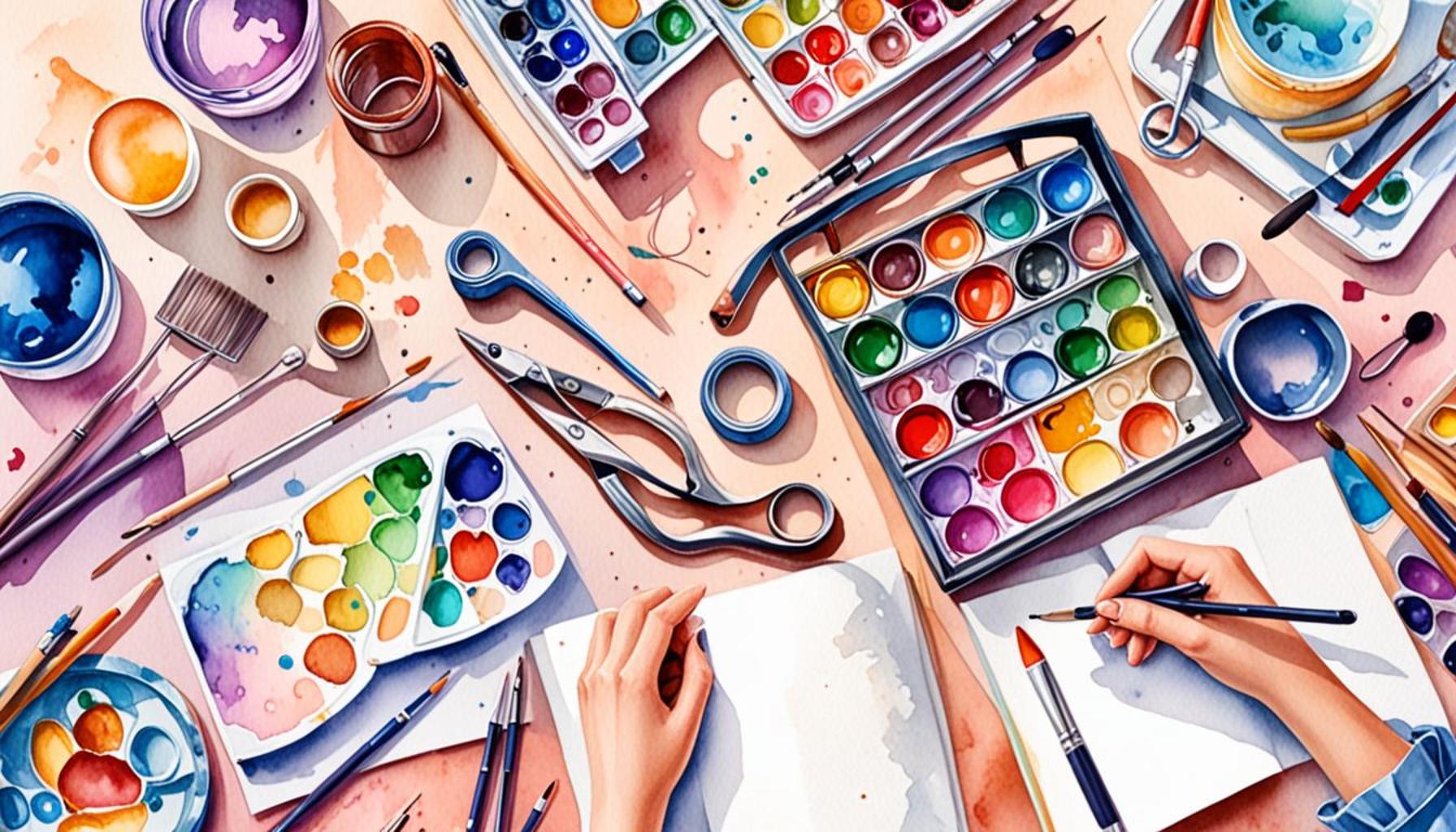
Unlocking Potential Through Creative Pursuits
Engaging in creative hobbies extends beyond mere leisure; it can significantly influence both personal and professional development. Activities such as painting, writing, or crafting not only offer a break from routine but also enhance critical skills essential in today’s competitive environment. As we explore how these hobbies foster growth, you’ll discover their unexpected benefits and transformative impact.
Studies suggest that creative pursuits contribute to improved problem-solving, communication, and even stress management. These skills are increasingly valued in professional settings, where innovation is key. By investing time in creative hobbies, individuals can cultivate a more adaptable mindset that is beneficial both at work and in everyday life.
Ready to explore how you can leverage your creative interests for growth? Let’s delve into the Top 5 Creative Hobbies that not only spark joy but also ignite personal and professional skills. Each hobby will highlight unique advantages that can enhance your overall skill set.
Top 5: How Creative Hobbies Can Enhance Professional and Personal Skills
In a world dominated by rapid change and constant technological advances, the ability to think creatively and adapt swiftly has never been more crucial. While formal education and structured job training provide fundamental skills, it is often through creative hobbies that individuals harness unique transferable talents. These hobbies offer more than mere leisure; they nurture vital skills that foster both personal growth and career progression. Let’s delve into the top five reasons why adopting creative hobbies can be transformative for both professional and personal development.
5. Enhancing Problem-Solving Skills
Taking the fifth spot is the ability of creative hobbies to sharpen problem-solving skills. In their nature, many creative activities present unexpected challenges that require innovative resolutions. Imagine a painter contemplating the perfect mix of colors to evoke a desired emotion—a process akin to a mathematician solving a complex equation. Similarly, a writer develops intricate plots that maintain a reader’s attention, paralleling the thought processes involved in strategic business planning.

Hobbies such as woodworking, knitting, or digital design often involve trial and error. For instance, if a piece of furniture doesn’t come together as initially envisioned, a woodworker must reconsider and alter their technique or design. This iterative process fosters cognitive flexibility and encourages individuals to adopt a growth mindset. In the modern workplace, where versatility is prized, these traits become invaluable. The ability to adapt and think critically can lead to more effective decision-making and innovation both in and out of the office.
4. Building Collaboration and Teamwork
At number four, engaging in creative hobbies boosts collaboration and teamwork skills. Activities such as community theater productions, choir, or participating in art collaborations demand cooperation and collective effort. Each individual must blend their unique style with those of others to achieve a cohesive result.
These collaborative experiences foster understanding and respect for diverse viewpoints. Participants learn the importance of active listening and effective communication, skills that are essential in professional settings. In a world where collaborative work is often the norm, those accustomed to teamwork through hobbies are better prepared to navigate group dynamics, contributing positively to projects. Research shows that organizations thrive when employees collaborate effectively, making these skills highly sought after.
3. Boosting Emotional Intelligence
Ranked third is the profound impact of creative hobbies on an individual’s emotional intelligence (EI). Emotional intelligence involves self-awareness, empathy, and the ability to manage emotions—qualities enhanced through artistic engagements. Whether through music, poetry, or visual arts, creative expression allows individuals to delve into their emotions, gaining deeper insight into themselves and others.
For instance, writing a personal narrative or creating a painting can serve as a therapeutic process, enabling one to explore emotions and communicate complex feelings without words. Music composition or dance often involves interpreting and expressing emotive themes, enhancing one’s understanding of emotional nuances. A high EI notably improves leadership skills and workplace relationships, as it equips individuals to empathize with others and navigate social complexities with ease.
2. Fostering Innovation and Creativity
In the penultimate position, the role of creative hobbies in fostering innovation and creativity cannot be overstated. Engaging in diverse creative pursuits increases one’s capacity to think divergently—an essential component of innovation. Activities such as photography challenges the way one perceives the world, pushing the boundaries of traditional thinking and encouraging new perspectives.
In professional environments, innovative thinking leads to the development of groundbreaking products and solutions. Many renowned companies, like Google and Apple, encourage employees to dedicate time to creative projects, underscoring the link between creativity and business success. A workforce that embraces creativity is equipped to spearhead innovation, ensuring that organizations stay ahead in competitive markets.
1. Enhancing Personal Satisfaction and Well-Being
Taking the top spot is the enhancement of personal satisfaction and well-being through creative hobbies. The act of creating something—be it a poem, a knitted garment, or a culinary masterpiece—provides a profound sense of achievement and fulfillment. These activities serve as a form of self-expression, offering a therapeutic break from the often relentless pace of modern life.
Scientific studies consistently indicate that participation in creative activities can reduce stress, improve mood, and promote mental health. The intrinsic rewards, such as the joy of completion after facing creative challenges, boost confidence levels and contribute to a positive outlook on life. This sense of personal achievement and satisfaction naturally translates into greater productivity and creativity in professional contexts.
To conclude, engaging in creative hobbies is not merely about passing time or pursuing a side interest; it’s about enhancing life skills that reverberate through every aspect of one’s personal and professional journey. From solving complex problems and collaborating efficiently, to nurturing emotional intelligence and fostering innovation, the benefits are substantial and varied. As individuals explore and embrace their creative sides, the potential for growth and success in their careers and personal lives becomes limitless.
| Category | Key Features and Characteristics |
|---|---|
| Enhanced Problem-Solving Skills | Engaging in creative hobbies fosters innovative thinking, allowing individuals to approach challenges with a new perspective. |
| Improved Stress Management | Creative activities provide an escape from daily stressors, promoting mental well-being and resilience. |
| Increased Cultural Awareness | Pursuing artistic hobbies introduces individuals to various cultures and traditions, enriching their worldview. |
| Strengthened Communication Skills | Creative hobbies often involve collaboration, encouraging participants to express their ideas clearly and effectively. |
The practice of creative hobbies is not merely a pastime; it embodies a powerful avenue for personal and professional development. When individuals immerse themselves in creative activities, they engage in a process that does not solely focus on the end product but fosters a rich experience altering their skills and perspectives.Creative hobbies, such as painting, writing, or even crafting, inherently nurture *problem-solving skills*. It’s fascinating how transforming a blank canvas or a pile of materials into something meaningful promotes innovative thinking. This skill integrates seamlessly into the workplace, allowing professionals to tackle challenges with diverse approaches, leading to innovative solutions.Furthermore, engaging in these artistic endeavors acts as a form of *stress relief*. By actively participating in a hobby, individuals shift their focus, temporarily easing the burdens of everyday life. It is well-documented how such practices can lower anxiety levels and bolster mental resilience, equipping people to manage their stress more effectively in both personal and professional domains.Another compelling aspect is *cultural awareness*. Creative hobbies expose individuals to different cultural narratives and artistic styles, enriching their understanding of global diversity. This newfound appreciation can enhance workplace dynamics, foster empathy, and provide a competitive edge in an increasingly globalized professional landscape.Moreover, as many creative pursuits require collaboration, they naturally lead to *strengthened communication skills*. Artistic projects often necessitate sharing ideas, giving and receiving constructive feedback, and working harmoniously towards a common goal. This collaborative spirit within creative hobbies can translate into better teamwork and more effective communication in professional settings, preparing individuals for success in collaborative work environments.Through the lens of creative hobbies, the potential for personal growth and professional enhancement is profound, inviting individuals to explore and harness their innate creativity for wider applications in life.
Frequently Asked Questions About Creative Hobbies and Skill Enhancement
How can engaging in creative hobbies improve my professional skills?
Engaging in creative hobbies can significantly enhance your professional skills by fostering critical thinking and problem-solving abilities. When participating in creative activities, such as painting or writing, you encourage your brain to look at challenges from different angles, which can translate to innovative solutions in the workplace. Furthermore, creative hobbies often involve goal setting and time management, which are directly applicable to many professional environments.
Can creative hobbies really enhance personal well-being?
Yes, creative hobbies can greatly enhance personal well-being. Engaging in activities such as drawing, playing a musical instrument, or crafts has been linked to reduced stress levels and improved mental health. This is because creative endeavors allow for self-expression and can act as a form of emotional release. In addition, they contribute to a sense of accomplishment and boost self-esteem, essential components of personal well-being.
Which creative hobbies are most effective in boosting personal and professional skills?
While the effectiveness of creative hobbies can vary depending on individual preferences and goals, some popular options known to boost personal and professional skills include writing, which enhances communication and organization skills, and photography, which can improve attention to detail and patience. Another popular choice is improvisational theater, which greatly aids in developing adaptability and interpersonal skills.
Is it necessary to be talented to benefit from creative hobbies?
Not at all. It is a common misconception that one must possess innate talent to enjoy and benefit from creative hobbies. The primary purpose of engaging in these activities is not to produce a masterpiece but to foster a growth mindset and enjoy the process of creation. As you practice, you’ll naturally improve your skills, and the benefits—such as enhanced problem-solving abilities and stress relief—are accessible regardless of your skill level.
Conclusion: The Impact of Creative Hobbies on Personal and Professional Development
The exploration of creative hobbies offers a unique pathway to enhancing both personal and professional skills. Throughout the article, we have delved into the myriad ways in which these activities catalyze growth across various domains. From improving problem-solving abilities to fostering enhanced emotional intelligence, creative pursuits provide more than just a respite from daily routines; they are vital tools for self-improvement.
Key Takeaways
- Improved Cognitive Function: Engaging in creative hobbies stimulates the brain, leading to increased innovation and critical thinking skills.
- Increased Emotional Resilience: Hobbies allow for emotional expression and stress reduction, contributing to better emotional regulation.
- Enhanced Communication Skills: Many creative activities, such as writing and performing arts, require collaboration and articulation, thereby honing interpersonal skills.
- Boosting Career Opportunities: Unique hobbies can distinguish individuals in competitive job markets by showcasing diverse skill sets and dedication.
- Cultivation of Patience and Persistence: Mastering a hobby involves overcoming challenges, which builds patience and a strong work ethic.
Ultimately, the integration of creative hobbies into one’s life should not be underestimated. These activities offer a robust platform for developing skills that are invaluable in both personal endeavors and professional environments. The benefits are multifaceted, providing both tangible improvements in job performance and intangible enhancements in personal well-being.
As society continues to pivot towards more dynamic and versatile skillsets, the role of creative hobbies becomes more pronounced. By diving deeper into these pursuits, individuals not only enrich their own lives but also enhance their contributions to the world around them. It is an invitation to discover not just new skills but perhaps, new passions that can redefine their life’s trajectory.
Related posts:
Exploring the Relationship Between Creative Hobbies and Emotional Intelligence Development
The Relationship Between Creative Hobbies and the Development of Communication Skills
Exploring the Art of Photography: How the Habit of Capturing Images Can Enrich Your Creative Skills
Exploring the Connection between Creative Hobbies and Memory and Learning Improvement
How Creative Hobbies Can Enhance Adaptability in Challenging Situations
The Influence of Creative Hobbies on Improving Concentration and Attention
Linda Carter is a writer and creative hobbies expert specializing in crafting, DIY projects, and artistic exploration. With extensive experience helping individuals discover their creative potential and bring their ideas to life, Linda shares her knowledge on our platform. Her goal is to empower readers with practical tips, inspiring ideas, and step-by-step strategies for success in the world of creative hobbies.