Discover Self-Growth Through Art Painting as a Self-Discovery Tool
Unlocking the Power of Painting
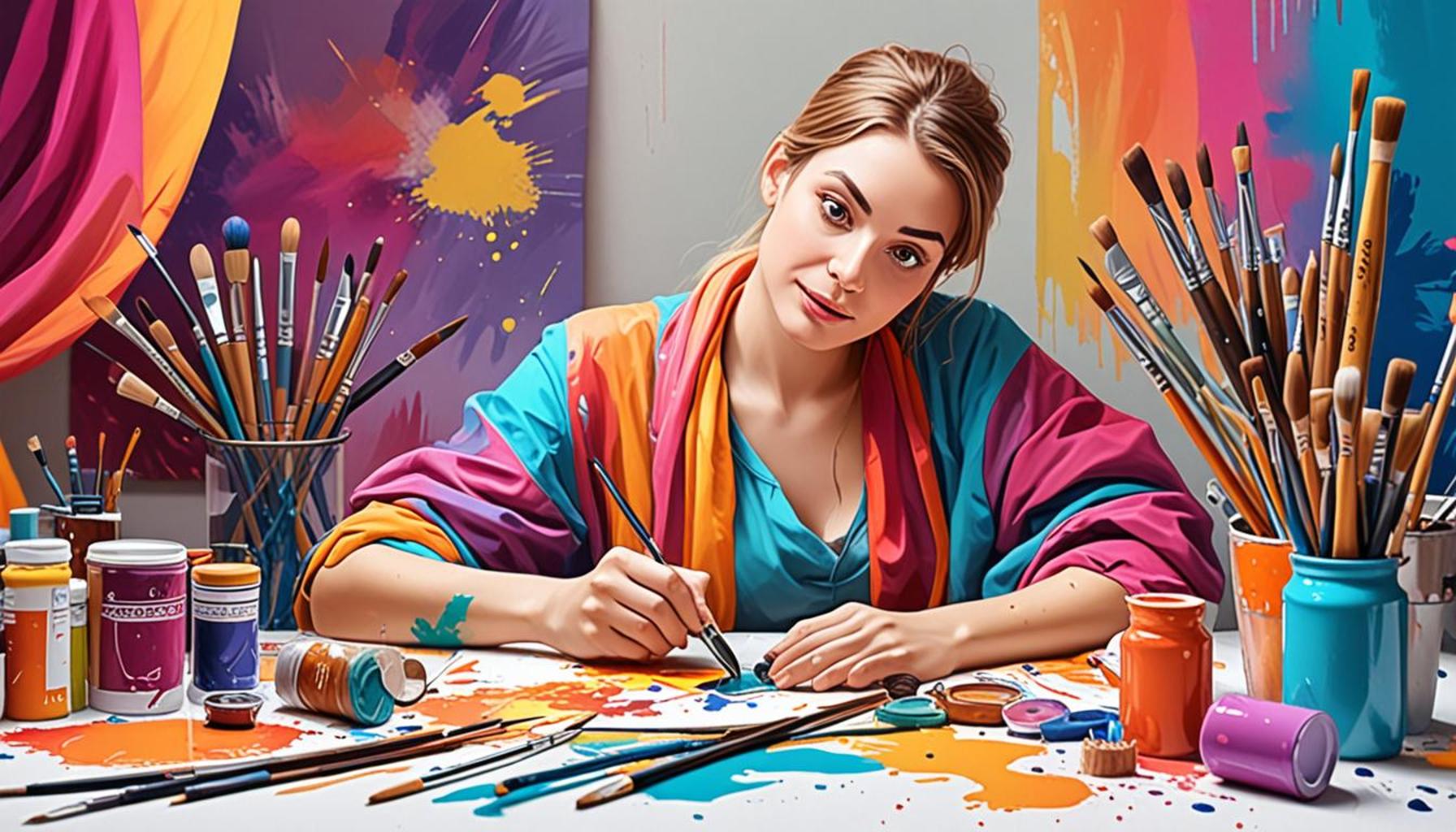
In a world often dominated by technology and rapid distractions, more people are turning to creative hobbies as a means of personal expression and self-discovery. Among these, painting stands out as a profound tool for engaging with one’s innermost thoughts and feelings. The vibrant strokes on a canvas can serve not only as artistic expression but also as a pathway to self-awareness and personal growth.
Why Painting Matters
Exploring art through painting offers numerous mental and emotional benefits. Here are some key reasons to consider this creative outlet:
- Emotional Release: Painting can help in processing emotions, promoting mental well-being.
- Enhanced Creativity: Engaging with colors and shapes stimulates the imagination and creative problem-solving.
- Mindfulness Practice: This activity encourages being present, reducing stress and anxiety.
As we delve deeper into this fascinating subject, you will discover the Top 5 ways in which painting can foster your journey of self-discovery and enhance personal growth. Each method highlights the unique capacity of art to foster introspection and healing, encouraging you to pick up a brush and explore your own journey.
Top 5: The Art of Painting as a Tool for Self-Discovery and Personal Growth
Often viewed primarily as a means to create beauty or a leisurely pastime, painting possesses a deeper purpose that transcends its aesthetic value. The art of painting can serve as a profound tool for self-discovery and personal growth. Through the act of painting, individuals can embark on a journey to explore emotions, express creativity, and glean insights into their identities. In this article, we delve into the top five facets of painting, unveiling its transformative power in the journey of self-awareness and development.
5. Discovering Emotions Through Colors
One of the most direct ways painting facilitates personal growth is by helping individuals identify and express emotions. Colors are imbued with meanings and emotional connotations; they serve as a language of feelings. For instance, blue often evokes a sense of calmness and serenity, whereas red might reflect intense energy, passion, or even anger. When artists choose colors consciously, they translate their emotional landscapes into visual formats on the canvas.
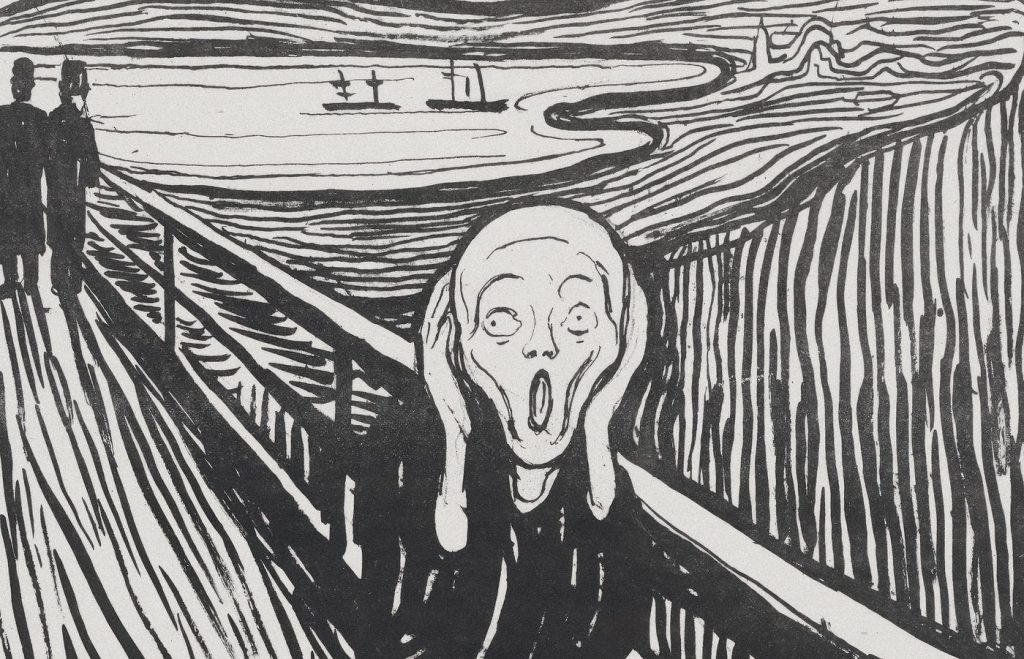
Engaging in this practice allows individuals to:
- Become more aware of their feelings through visual expression
- Interpret the complex associations between colors and emotions in their art
- Develop a vocabulary for expressing abstract and sometimes elusive emotional states
This intimate process aids in enhancing emotional intelligence, the ability to recognize and manage one’s emotions and the emotions of others. By translating feelings into color, each brushstroke becomes a tangible step towards a deeper understanding of one’s emotional self.
4. Facilitating Mindfulness and Presence
Painting encourages individuals to immerse themselves fully in the present moment, fostering a state of mindfulness. This mirrors meditation in its ability to enhance focus and quiet mental clutter. The concentration required when creating art can help quiet the noise of daily life, allowing the painter to center themselves. Many artists describe this as reaching a flow state, where they become so absorbed in their creative process that they lose track of time and experience a profound sense of engagement.
This mindfulness practice provides numerous benefits:
- Reduction of stress and anxiety, fostering mental well-being
- Enhanced focus and concentration, enriching attention to detail
- Increased appreciation for the creative process and experiential learning
Consequently, painting is transformed from mere artistic endeavor into a therapeutic retreat, offering individuals a respite from the pressures of everyday life while simultaneously honing their attention and presence.
3. Exploring Identity and Personal Narratives
Through painting, individuals are provided with the opportunity to delve into their personal histories, craft narratives, and forge a deeper connection with their identities. Art can serve as a narrative medium, allowing creators to illustrate experiences, cultural backgrounds, and aspirations. This method of self-expression promotes an understanding and acceptance of oneself.
The painting process can highlight various aspects of one’s identity, such as:
- Cultural influences and heritage
- Personal struggles, triumphs, and transformative life experiences
- Dreams, hopes, and future aspirations
Incorporating these elements into artwork facilitates reflection and healing, providing artists with a deeper self-understanding. The exploration of personal narratives through painting not only affirms identity but also enhances the individual’s personal growth over time.
2. Building Confidence and Overcoming Fear
Creating art is inherently an act of vulnerability, which is essential for building confidence. When individuals share their work with others, they take a significant step towards self-assuredness. Each finished piece serves as a testament to their abilities and creativity. This experience empowers artists to confront insecurities and overcome fears.
Through this confidence-building process, painters can:
- Embrace the beauty in imperfection, recognizing that flaws are part of artistic expression
- Understand the intrinsic value of self-expression, independent of external validation
- Engage with constructive feedback, viewing it as an opportunity for growth rather than criticism
The canvas thus becomes a safe space for experimentation and growth, propelling individuals to take bolder creative risks and stand confidently in their creative identity.
1. Cultivating a Growth Mindset
At the pinnacle of our discussion is the capacity of painting to nurture a growth mindset. Engaging with art encourages individuals to view challenges as opportunities for learning and development. Each painting session introduces new techniques and confronts new difficulties, encouraging continual evolution as an artist. The lessons learned on the canvas frequently extend into other areas of life, promoting a holistic approach to challenges.
By adopting a growth mindset through painting, individuals can:
- Develop resilience in overcoming obstacles, refusing to be discouraged by setbacks
- Embrace lifelong learning as both an artist and an individual
- Foster a love for creativity and exploration, enticing them to continually expand their horizons
This transformative approach empowers individuals to navigate life’s complexities with more openness and adaptability, making painting not merely a creative outlet, but a powerful tool for personal evolution.
In conclusion, the art of painting extends far beyond creating pleasing visuals. It serves as an insightful conduit to self-discovery and personal growth, offering myriad benefits that transcend the bounds of the canvas. Whether one is a seasoned artist or a novice, embracing the transformative essence of painting can lead to profound self-understanding and inspire continuous personal and creative advancement. In the vibrant collision of color and thought, the true masterpiece is found within oneself.
| Category | Details |
|---|---|
| Emotional Expression | Painting allows individuals to express their feelings in a tangible form. This medium often serves as a cathartic outlet for emotions that are difficult to articulate verbally, fostering deeper self-awareness. |
| Mindfulness and Focus | Engaging in painting necessitates a level of concentration that promotes mindfulness. This practice can help individuals disconnect from distractions and immerse themselves in the present, further enhancing self-reflection. |
| Personal Growth | Through painting, individuals encounter their limitations and explore new creative territories, leading to significant personal development. The challenges faced during the creative process can foster resilience and adaptability. |
| Community Building | Participating in collective painting workshops not only enhances skills but also fosters connections and camaraderie among participants, enriching the experience of self-exploration and shared creativity. |
In exploring the realm of painting as a tool for personal development, it is striking to note how this art form transcends mere aesthetic pleasure. The colors and shapes on the canvas can mirror an individual’s internal landscape, often revealing aspects of the psyche that are overlooked or repressed. This visual manifestation of emotions, thoughts, and experiences can provide deep insights into one’s self and can be an enlightening journey into self-discovery.Moreover, painting encourages a profound connection with oneself that can facilitate significant breakthroughs in understanding personal habits and patterns. For instance, a novice painter may discover that their choice of colors reflects their emotional state or that their brushwork carries an underlying tension, prompting a deeper inquiry into why these feelings arise. This connection can stir a desire to explore various creative expressions and experiences, leading individuals toward a richer understanding of their character and motivations.The benefits of this artistic pursuit extend beyond the individual. By engaging in communal painting activities, participants can cultivate a sense of belonging and shared purpose. This aspect is particularly beneficial for those who might struggle with isolation, as collaborative art projects can enhance feelings of connection and support. It nurtures an environment where individuals can express themselves freely while being received affirmatively by others.Through the transformative process of painting, individuals are not just creating art; they are unveiling layers of their identities, embarking on a path toward greater self-awareness, growth, and, ultimately, a more enriched existence.
Frequently Asked Questions about “The Art of Painting as a Tool for Self-Discovery and Personal Growth”
How can painting contribute to self-discovery?
Painting offers a unique avenue for self-reflection and exploration. By engaging in the creative process, individuals often uncover hidden emotions and thoughts. The act of transferring an inner world onto canvas allows for a deeper understanding of one’s feelings and desires. This process can lead to increased self-awareness, offering insights that might not be accessible through conventional introspection.
What are the psychological benefits of using painting as a personal growth tool?
The psychological benefits are plentiful. Engaging in painting can reduce stress levels by providing a meditative-like focus, where worries and anxieties are put aside. Additionally, it promotes a sense of accomplishment and boosts self-esteem when one completes a piece. Regular practice can also improve concentration and foster patience, as painting requires time and attention to detail.
Is painting beneficial even for individuals with no prior artistic skills?
Absolutely, painting can be beneficial for everyone, regardless of skill level. The focus is not on creating masterpieces but on the journey and personal discoveries made along the way. Engaging in painting without prior skills can actually encourage more innovation and free expression, leading to unique self-insights. It is the expressive process that holds the most value for personal growth.
How does painting aid in developing emotional intelligence?
Through the practice of painting, individuals can better understand and manage their emotions. Art acts as a mirror, reflecting the painter’s inner state, allowing for the expression of complex emotions that might be difficult to verbalize. This form of expression helps in identifying and articulating feelings, crucial aspects of developing emotional intelligence. Over time, individuals can become more attuned to their emotional responses and the emotions of others.
Can painting be integrated into other self-development practices?
Yes, painting can seamlessly complement other self-development practices such as meditation, journaling, or mindfulness exercises. For instance, one could begin or end a meditation session with a painting exercise to explore themes encountered during meditation. Similarly, painting alongside journaling can help articulate experiences in a more visual form. These combined practices can enhance introspection and lead to a more comprehensive understanding of the self.
Conclusion
The exploration of The Art of Painting as a Tool for Self-Discovery and Personal Growth provides a unique lens through which individuals can delve into creative hobbies with transformative potential. By actively engaging in painting, individuals unlock a gateway to understanding themselves and nurturing their personal development. This journey through colors and forms is not merely about creating visual art, but rather about embarking on a profound inward expedition.
Throughout this article, several key insights have been unveiled. Firstly, painting serves as a cathartic avenue for expressing emotions that words often fail to capture. It becomes a refuge from the chaos of everyday life, offering a canvas where unspoken feelings can be heard and understood. Secondly, the act of painting encourages mindfulness, fostering a state of present awareness where artists find solace and clarity.
Moreover, the practice revitalizes creativity, challenging individuals to think outside the box and venture into new territories of imagination. Notably, by embracing painting as a form of self-expression, people cultivate a non-judgmental understanding of their inner selves, gradually building confidence and self-acceptance.
This overarching exploration underscores the intrinsic value of engaging in creative hobbies like painting. As individuals immerse themselves in this artistic pursuit, they not only craft works of art but also unravel untapped aspects of their identities. This journey of self-discovery through painting can potentially ignite a lifelong passion for personal growth and introspection. Ultimately, becoming one with this artistic endeavor is an invitation to explore and celebrate the rich tapestry of human experience, prompting individuals to venture further and unveil the myriad nuances of their inner worlds.

Linda Carter is a writer and creative hobbies expert specializing in crafting, DIY projects, and artistic exploration. With extensive experience helping individuals discover their creative potential and bring their ideas to life, Linda shares her knowledge on our platform. Her goal is to empower readers with practical tips, inspiring ideas, and step-by-step strategies for success in the world of creative hobbies.