Creative Writing Transform Emotions into Words for Personal Growth

Unlocking the Power of Creative Writing
Creative writing serves as a profound tool for self-expression and emotional exploration. This practice not only allows individuals to articulate their innermost thoughts but also promotes self-discovery and personal growth. By transforming feelings into words, one can navigate the complexities of the human experience and foster a deeper understanding of oneself.
The Importance of Creative Writing in Personal Development
In today’s fast-paced world, many seek outlets that offer emotional relief and encourage introspection. Creative writing is not just an art form; it is a means to process emotions, challenge perspectives, and even connect with others. By engaging in this hobby, individuals can:
- Enhance their communication skills.
- Boost their self-confidence.
- Develop critical thinking and creativity.
As we delve into this article, prepare to explore the top 5 creative writing practices that can transform your emotions into powerful narratives. Each method will equip you with unique tools to enrich your personal growth journey.
Top 5: Creative Writing – Transforming Emotions into Words for Personal Development
Creative writing is more than a means of storytelling; it is a profound tool for self-exploration and personal development. Through the delicate exercise of articulating our emotions onto the page, we can peel back layers of our personalities, confront our innermost fears, and clearly articulate our aspirations. The power of crafting a narrative that mirrors our deepest thoughts cannot be understated. Below, we explore the top five avenues by which creative writing transforms not just emotional landscapes but also personal growth journeys.
5. Discovering Your Authentic Voice
In the chaotic symphony of voices that modern society presents, discovering one’s authentic voice can often be an elusive task. Creative writing offers an empowering platform to explore this personal authenticity. In a world frequently demanding conformity to cultural norms and societal expectations, writing facilitates a space where individuals are encouraged to express candidly.
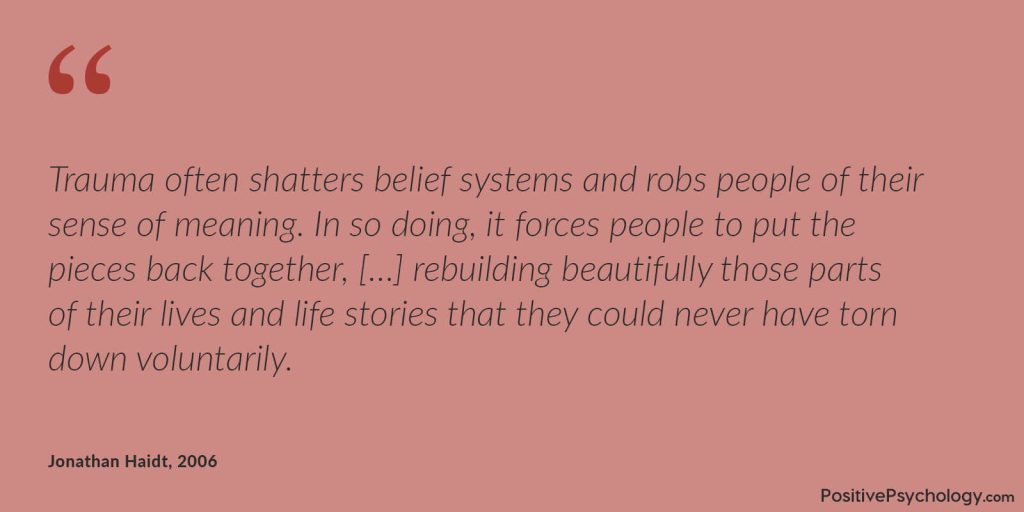
When you engage in creative writing, you are not bound by format or genre; this liberating landscape allows for unguarded self-expression. Consider the following practices:
- Freewriting: Set a timer for fifteen minutes and let your thoughts flow uninterrupted. This technique fosters creativity and honesty.
- Journaling: Keep a daily journal where you capture the nuances of your thoughts, emotions, and experiences. Over time, this habit can unveil patterns and insights into your psyche.
- Character Development: Create characters reflecting aspects of your own life. Use them to personify your struggles, achievements, dreams, and fears, providing a channel through which you articulate and understand your personal narrative.
These techniques not only hone writing skills but also promote a consistent journey toward self-awareness, helping uncover your truest self amid life’s chaotic clamors.
4. Enhancing Emotional Intelligence
Engaging in creative writing acts as an exercise in enhancing emotional intelligence. By delving into a variety of emotions, writers learn to understand, articulate, and manage feelings more effectively.
Having a keen sense of emotional intelligence is pivotal for nurturing empathy and improving interpersonal relationships. Engage in these exercises:
- Writing from Differing Viewpoints: Challenge yourself by writing narratives from the perspectives of individuals whose feelings or experiences differ from your own. This practice sharpens empathy and understanding of diverse emotional landscapes.
- Character Backstories: Craft detailed histories for your characters. Predict their emotional responses to events based on their past experiences, thereby gaining insight into how people—and yourself—might react under varying circumstances.
Such exercises foster improved communication skills and lead to healthier, more fulfilling personal and professional relationships.
3. Overcoming Personal Challenges
Life is fraught with trials and tribulations; however, creative writing can be a strong ally in overcoming personal challenges. Wrestling with complex emotions such as grief, anxiety, and anger? Put them to paper and achieve catharsis.
Immerse yourself in these strategies to navigate life’s challenges:
- Therapeutic Writing: Zero in on a challenging event or emotion, and let the words flow. Address your feelings candidly. The process can be liberating and facilitate cognitive reappraisal.
- Storytelling as Therapy: Frame your real-life challenges within fictional stories, giving you control over their narrative arc. This can be particularly powerful in reframing perspectives and engendering resilience.
These writing exercises act as a balm, enabling you to deconstruct adversity and reconstruct your life script in ways that bolster strength and determination.
2. Fostering Creativity and Imagination
The boundless scope of creative writing is a reliable avenue for fostering creativity and imagination. These faculties are essential for both personal and professional development, enhancing the ability to innovate and solve problems.
Inject creativity into your writing practice with these suggestions:
- Writing Prompts: Utilize writing prompts to ignite imagination. Whether it serves as a catalyst for new ideas or simply gets you writing, the prompt is always the starting line for creativity.
- Genre Exploration: Challenge yourself to write in diverse genres—be it fiction, poetry, memoir, or fantasy—to test your creative limits and find the style that evokes your passion most profoundly.
This spirited exploration of creative spaces does more than enrich your writing; it cultivates an inventive mindset that transforms your approach to life’s myriad challenges.
1. Achieving Self-Discovery and Growth
Lastly, engaging in creative writing is pivotal in achieving self-discovery and growth. Through narratives and poetic expressions, writers dive into the deepest pools of their consciousness, fishing out understandings that invariably contribute to one’s growth journey.
Embark on this investigative exploration by engaging in:
- Writing to Heal: Convert your painful and celebrated ordeals into meaningful narratives. These transformations offer not only stories but also therapeutic release and understanding.
- Reflective Writing: Deploy a reflective journal as a tool to dissect past experiences, noting lessons and insights gained, thereby influencing how you evolve in the future.
Creative writing is much more than an artistic endeavor. It’s a mirror reflecting the multifaceted essence of human emotion and experience, rendering powerful insights. By engaging in this practice, individuals cultivate a profound relationship with themselves, leading to unparalleled personal growth and self-awareness.
| Category | Details |
|---|---|
| Emotional Expression | Engaging in creative writing allows individuals to articulate their inner feelings, which can lead to a greater understanding of one’s emotions. |
| Therapeutic Benefits | Writing can serve as a useful therapeutic tool, enabling individuals to navigate through complex feelings and providing relief from emotional distress. |
| Improved Communication Skills | Creative writing exercises enhance linguistic abilities, which positively impacts both personal and professional communication. |
| Self-Discovery | Through the act of writing, individuals can uncover hidden thoughts and motivations, paving the way for personal growth and development. |
The theme “Escrita Criativa: Transformando Emoções em Palavras para o Desenvolvimento Pessoal” delves into the powerful relationship between writing and personal development. This interactive process not only enhances individual creativity but also facilitates deeper emotional insights.Engaging in creative writing serves as a form of emotional expression, allowing people to bring forth feelings that may be difficult to articulate verbally. By translating emotions into words, individuals gain clarity about their internal states. This clarity can lead to improved emotional intelligence, fostering better relationships and mental well-being.Moreover, the therapeutic benefits of creative writing cannot be overstated. Studies support the notion that writing about personal experiences can reduce stress, enhance coping strategies, and even lead to physical health improvements. This therapeutic aspect encourages individuals to explore and process their feelings in a structured manner, leading to remarkable emotional release and healing.Additionally, creative writing enriches one’s ability to communicate effectively. The practice of expressing thoughts and emotions through narrative elements, such as character development and plot structure, enhances overall communication skills. As writers hone their abilities to convey complex ideas, they also become more adept at understanding and provoking responses in others.Lastly, the journey of self-discovery facilitated by writing is profound. As individuals delve into their narratives, they may stumble upon previously unrecognized values, dreams, and fears. This process often results in significant personal revelations, propelling forward an individual’s journey towards a more fulfilled and authentic existence.The interplay between writing and personal development is undeniably strong, inviting individuals to explore their innermost thoughts and emotions in an unexpected yet enriching way.
Frequently Asked Questions about Creative Writing: Transforming Emotions into Words for Personal Development
What is the main goal of using creative writing for personal development?
The primary aim of creative writing in the realm of personal development is to serve as a tool for self-exploration and emotional expression. By translating complex feelings into words, individuals can achieve a deeper understanding of their own emotions, leading to personal insights and growth. This practice helps in cultivating self-awareness and can refine one’s ability to articulate thoughts and feelings clearly. Additionally, creative writing can act as a therapeutic outlet, offering relief from stress and anxiety.
How can creative writing benefit mental health?
Engaging regularly in creative writing can have a profound impact on mental health. It acts as a safe space for individuals to vent suppressed feelings and confront inner conflicts. Studies suggest that such expressive writing can contribute to reduced levels of anxiety and depression. By putting emotions into words, people are often able to identify patterns in their thoughts and behaviors, which can lead to breakthroughs in mental health management. Moreover, creative writing can enhance emotional regulation skills, fostering a more balanced emotional state.
Is creative writing more effective in a group setting or as a solitary activity?
Both avenues of creative writing—the solitary pursuit and the collaborative group setting—offer distinct benefits. Writing alone can provide a meditative, introspective experience where one can freely explore personal emotions without external influence. In contrast, participating in group settings or writing workshops can offer community support and provide valuable feedback. Sharing work with others encourages engagement and can lead to unexpected insights. Ultimately, the effectiveness depends on individual preferences and goals, with many finding a hybrid approach equally rewarding.
How can someone start practicing creative writing if they’re new to it?
For beginners looking to explore creative writing, the key is to start small and be patient with the process. One method is to set aside dedicated time each day to write freely—a practice often known as “free writing”—without worrying about grammar or structure. Another approach is using prompts to ignite creativity, challenging oneself to write a short story or essay based on a specific theme or emotion. Most importantly, new writers should embrace the practice as a journey for personal growth rather than focusing solely on the final product. Experimenting with various styles and genres can also help in finding one’s unique voice.
Can creative writing be integrated with other personal development strategies?
Absolutely, creative writing can complement a variety of personal development strategies. For instance, it can enhance mindfulness by encouraging presence in the moment as thoughts and sensations are captured in writing. Pairing creative writing with activities like journaling, meditation, or psychotherapy can deepen their impact by providing an additional medium to process and reflect on personal development work. Many people find that combining these methods increases their self-awareness and facilitates a more comprehensive approach to emotional and mental well-being.
Conclusion: The Power of Creative Writing in Personal Development
As we draw to a close on the exploration of how creative writing can transform emotions into words for personal development, it becomes clear that this artistic practice holds profound potential for anyone seeking growth. Throughout our journey, we have unveiled the benefits of using writing as a tool for self-reflection and emotional healing. By embracing the art of expression, individuals not only articulate their innermost thoughts but also enhance mental health and personal insight.
Creative writing stands as a beacon of self-discovery, enabling people to traverse the landscapes of their emotions in a structured yet liberating manner. Whether through poetry, storytelling, or journaling, those who immerse themselves in this creative hobby often find an avenue for emotional release and greater self-awareness. It’s not just about putting pen to paper; it’s a therapeutic process that fosters resilience and healing.
Moreover, by committing to regular writing practice, individuals can cultivate mindfulness and deepen their understanding of life’s complexities. It encourages a harmonious relationship with one’s thoughts and feelings, empowering writers to confront challenges with heightened clarity and perspective. The benefits span beyond personal spheres, extending to improved communication skills and heightened empathy, as writers learn to articulate emotions that not only resonate with themselves but also with their readers.
In essence, creative writing is more than a pastime; it is an invitation to explore the rich tapestry of human emotion and share universal experiences. Whether you’re a seasoned writer or a novice, the journey of transforming emotions into words holds countless opportunities for growth and connection. As readers and writers, we are called to delve deeper, explore further, and embrace the transformative power of writing in our lives. So why wait? Let the words take you on a journey of self-discovery and empowerment today.

Linda Carter is a writer and creative hobbies expert specializing in crafting, DIY projects, and artistic exploration. With extensive experience helping individuals discover their creative potential and bring their ideas to life, Linda shares her knowledge on our platform. Her goal is to empower readers with practical tips, inspiring ideas, and step-by-step strategies for success in the world of creative hobbies.